Winning Mobile with Smart Content and AMP

A BrightEdger
A BrightEdger
M Posted 8 years 5 months ago
t 9 min read

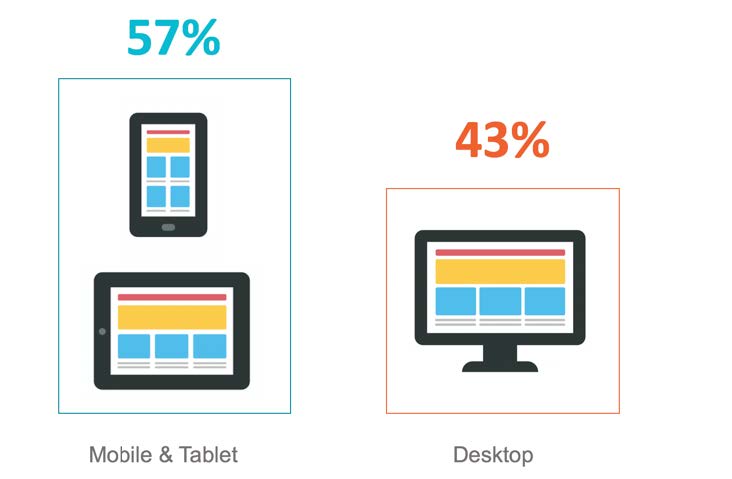
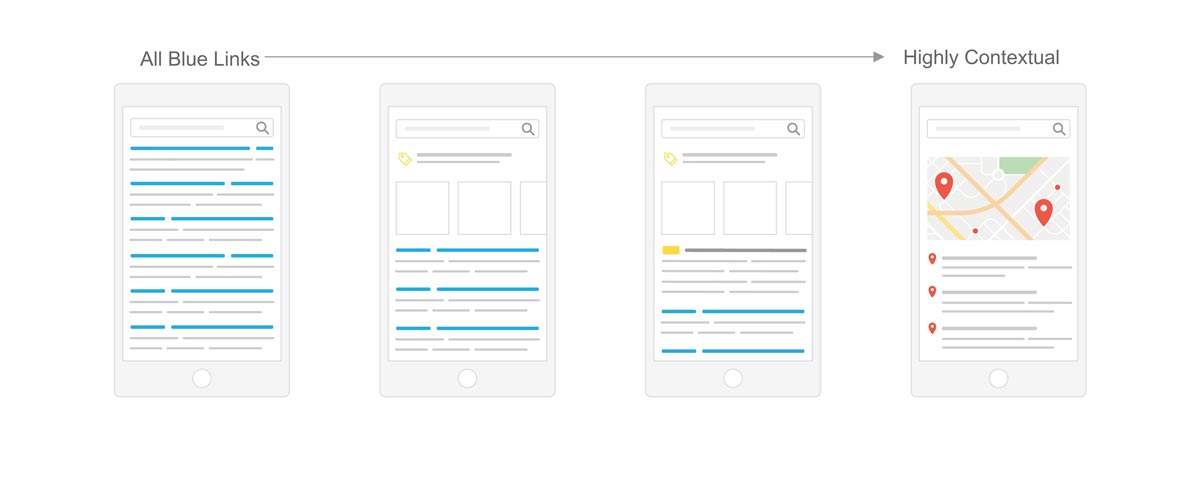
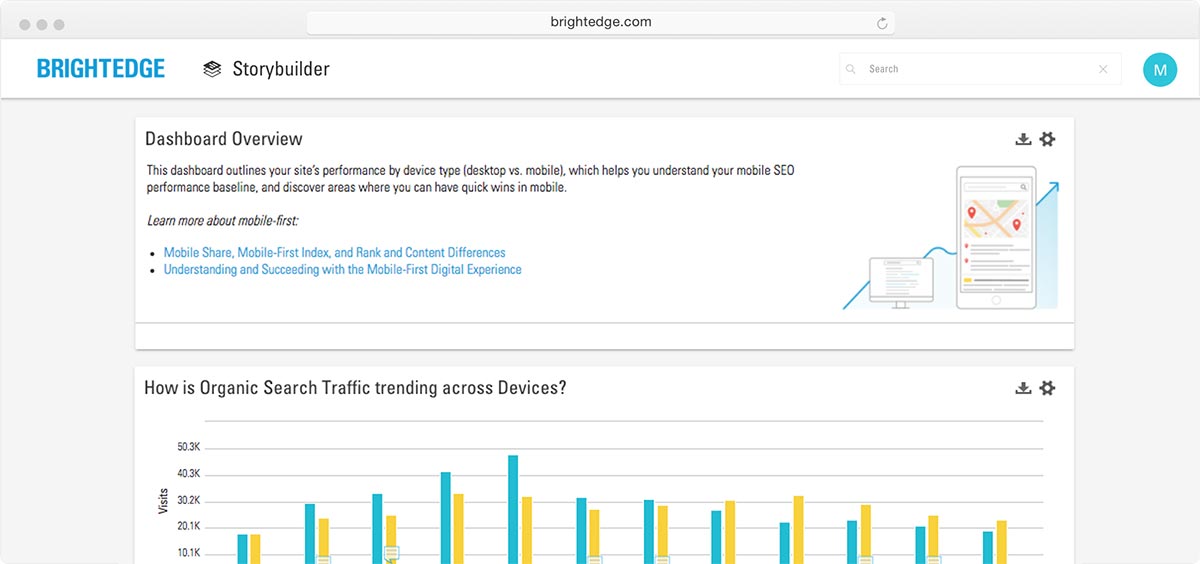
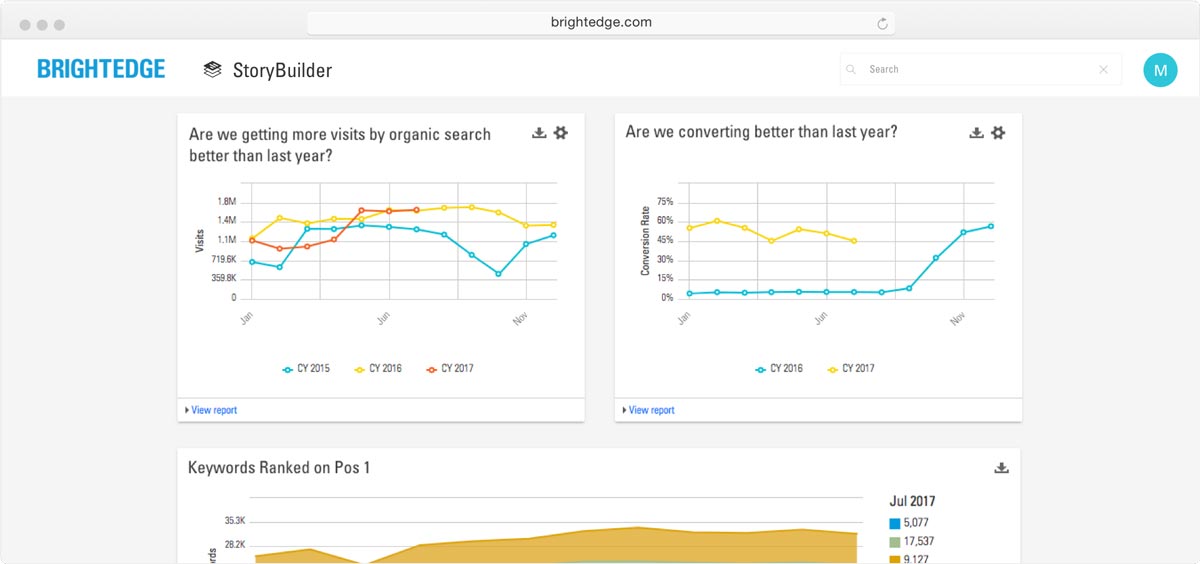
Mobile continues to gain momentum. In our 2017 mobile study, we found that 57% of all online traffic occurred on smartphone and tablet devices. Consumers and, to a lesser degree, business buyers have been selecting mobile as their platform of choice when interacting with brands and sites. Given the importance of mobile as a marketing touch point, it’s critical to ensure that website pages render well on mobile and tablets. And since search engines list different content on their mobile search result pages than they do for desktop searches, it’s critical to pay attention to how your content performs organically on different devices and optimize it for mobile experiences. brightedge mobile search for smart content and amp In other words, marketers and SEO pros should take on-the-go content consumption into serious consideration.

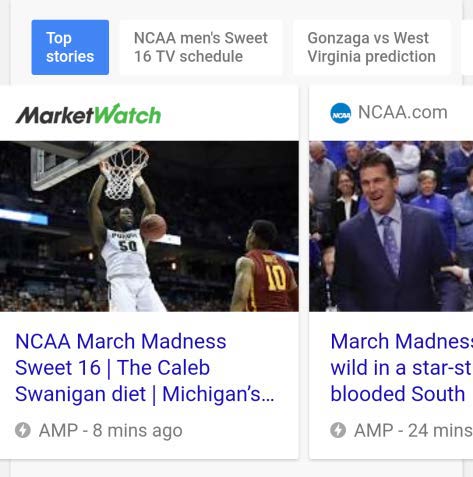
One noteworthy development in mobile is the increase in frequency of voice search adoption where customers speak their search queries into their mobile device. Marketers can take concrete steps to optimize content for voice search. The other development in mobile is the introduction of Accelerated Mobile Pages (AMP), which, once implemented, accelerates page loads on mobile devices. AMP improves the experience of users on the go by reducing the weight of HTML pages. Google hosts AMP files on its own content delivery network (CDN), which accelerates page loads even further; users experience AMP content as if it’s loading from the browser cache as opposed to being pulled from a remote server. Read the BrightEdge POV on AMP for more information. For a while, AMP was thought to benefit only publishers - especially news organizations - since Google was promoting news articles on a carousel on top of mobile SERPs. But now it’s becoming more generally accepted that AMP can benefit other industry verticals. Instructions on implementing AMP for ecommerce sites, for instance, are in demand. Separately from mobile, we’ve been advising brands to re-evaluate their approach to content ideation and development overall. We developed a new framework, called Smart Content, that aids brands in accelerating performance from content by developing content that’s pre-optimized for search, mobile, and user experience - and activating content faster.

Why do Smart Content and AMP make sense together?

The guidance to develop AMP versions of standard content items is part of the Smart Content framework. The framework introduces a checklist of steps that content writers, strategists, and marketers should take to increase content performance and ROI by targeting demand, empowering the marketer, and delighting the reader. AMP is one of the checklist items that fall into the third category. Delighting the reader has a lot to do with page load performance. In addition to recommending AMP, the Smart Content framework calls for the optimization of page images and other artifacts to accelerate page load in mobile browsers over slow connections. Brands should reduce image size without compromising quality. Similarly, they should unify, minimize, and compress JavaScript files as well as CSS files to speed page loads. It may be difficult to identify heavy and slow-loading website pages, especially on large websites that include collections of heterogeneous content that were developed and maintained on separate domains or content management systems. Brands can leverage site auditing solutions that examine page size and page load speed to flag and optimize heavy pages quickly and at scale.

What are key considerations for implementing Smart Content and AMP?

Ready to implement Smart Content and AMP? Then there are a few things that you should keep in mind. AMP content does NOT replace standard content; it augments it. You still need to develop standard HTML pages for your non-mobile traffic. And, ideally, your standard HTML pages should be responsive to accommodate mobile traffic with smaller form factors outside of AMP.  

Should you decide to adopt AMP then you should do so consistently. You get a bigger bang for the AMP buck if more site content is available as AMP. For large sites with thousands or millions of pages, manually creating AMP files is not realistic. Look for technology solutions that can automate the creation of AMP versions as new content gets created. The AMP page and the canonical page should point to each other so that search engine bots can quickly find them and decide when to use each one. Use link tags to do the bi-directional pointing.

Add to the canonical page this tag: <link rel="amphtml" href="https://www.mysite.com/url-of-amp">

Then add to the AMP page this tag: <link rel="canonical" href="https://www.mysite.com/url-of-canonical">

Lastly, the Smart Content framework calls out for continuous optimization of content. Whether it’s dynamically improving the list of content recommendations when better content is available or automatically implementing new SEO best practices, content must be regularly optimized to ensure it continues to outperform the competition and pull in new visitors. The same approach must be taken with AMP content. AMP items must be regularly attended to just like the standard pages.

How do I maintain a comprehensive picture of content performance?

As more traffic is generated via AMP pages, it’s important to attribute appropriate credit to AMP for website traffic, conversions, and revenue. Given the reporting limitations that AMP imposes, it’s critical to ensure that AMP pages are appropriately tagged with web analytics to capture page visits and events. Brands must also ensure that they correctly unify AMP and non-AMP traffic in their analytics reporting. They must have a 360-degree view of content performance regardless of the format or delivery mechanism of the content. Some marketers may want to sum up AMP and non-AMP traffic for a particular content piece, while others may want to dive into the details of each. It’s important to enable both data aggregation as well as slicing and dicing across AMP and non-AMP items. AMP should be viewed as a tactic to improve user experience, content discovery, and performance. It is hard to say whether AMP is a final or intermediate step in a bigger effort to make digital content load and engage customers quickly. Because of that, it’s important to pick a marketing platform that future-proofs user experience tactics. Look for one that automates AMP creation, with AI-powered machine learning ideally, for today, but one that can also shift course and batch-correct your content should an updated or new standard or approach emerge.

Mobile continues to gain momentum. In our 2017 mobile study, we found that 57% of all online traffic occurred on smartphone and tablet devices. Consumers and, to a lesser degree, business buyers have been selecting mobile as their platform of choice when interacting with brands and sites. Given the importance of mobile as a marketing […]

The post Winning Mobile with Smart Content and AMP appeared first on BrightEdge SEO Blog.

新GSCをいち早く理解し、BrightEdgeを活用して競合他社に差をつける 【Carolyn Bao 2018年1月25日】

<p>Googleは、1月下旬から新しいGoogle Search Console (以下 GSC) ベータ版を全ユーザー対象に展開しました。Googleによると、2018年のうちにさらに新たな機能が新GSCに追加予定であることを明らかにしています。Google Webmaster Tool贔屓のユーザーも、GSCでGWTのインターフェースや新機能を使用することができます。</p>

<p>クラシック版プラットフォーム上では以下のようなメッセージが表示されます。</p>

<ul>
<li>Search Consoleで、Google検索でのプレゼンスの管理に役立つサービスが一新されました。一から再構築された新しいSearch Consoleは、サイトの所有者様やSEOの皆様からご要望のあったツールを備え、インサイトを提供します。</li>
<li>インデックス登録済みのページや、インデックス登録に関するエラーの修正方法についての情報を確認できるようになりました。また、16か月分のデータでGoogle検索でのパフォーマンスを確認することもできます (前年との比較が可能です)。</li>
<li>今すぐ新しいSearch Consoleでサイトの現在の状態を確認することをお勧めします。弊社からお知らせをお送りするのは、サイトのデータが現在の状態から変化した場合のみとなります。</li>
</ul>

<p>Webmaster Central Blogでは、新しいGSCに関して以下のように記載されています。</p>

<p>「新機能として、検索パフォーマンス<a data-wpel-link="external" href="https://support.google.com/webmasters/answer/7576553&quot; rel="nofollow" target="_blank"> (Search performance)</a>、インデックス登録の対象範囲のステータス レポート<a data-wpel-link="external" href="https://support.google.com/webmasters/answer/7440203&quot; rel="nofollow" target="_blank"> (Index Coverage)</a>、<a data-wpel-link="external" href="https://support.google.com/webmasters/answer/7450883&quot; rel="nofollow" target="_blank">AMP </a>、<a data-wpel-link="external" href="https://support.google.com/webmasters/answer/7552505&quot; rel="nofollow" target="_blank">Job posting</a> (日本では未導入) などのツールをご利用いただけます。新Search Consoleに御社サイト対応している場合、改めて弊社からメッセージを送信します。」</p>

<h2>新しいGoogle Search Consoleの概要</h2>

<p>デフォルト ビューはステータスで、クラシック版GSCのステータスとほぼ同じです。</p>

<p><a data-wpel-link="internal" href="https://videos.brightedge.com/assets/blog/gsc-intext1.jpg&quot; rel="follow"><img alt="google search console performance line plot" class="aligncenter" height="448" src="https://videos.brightedge.com/assets/blog/gsc-intext1.jpg&quot; width="975" /></a></p>

<p><a data-wpel-link="internal" href="https://videos.brightedge.com/assets/blog/gsc-intext2.jpg&quot; rel="follow"><img alt="google search console total clicks line plot" class="aligncenter" height="450" src="https://videos.brightedge.com/assets/blog/gsc-intext2.jpg&quot; width="975" /></a></p>

<p>グラフ上部のボタンを活用してその他データを視覚化することができます。</p>

<p>インデックス登録の対象範囲のステータス レポートは、ステータス株に表示され、検出されたクロール エラーを色で表しています。これまでの Google 製品では同様の試みは見られませんでしたが、新 GSC では、赤色はエラーを、黄色は警告を表しています。</p>

<p><a data-wpel-link="internal" href="https://videos.brightedge.com/assets/blog/gsc-intext3.jpg&quot; rel="follow"><img alt="google search console site errors visualization graph" class="aligncenter" height="483" src="https://videos.brightedge.com/assets/blog/gsc-intext3.jpg&quot; width="975" /></a></p>

<p>同様にAMPに関するエラーやJob Posting (日本語未対応) に関するエラーについてのレポートも作成可能です。</p>

<h2>新 GSC で何が可能になるか?</h2>

<p>Google Search Consoleは、サイト管理に欠かせないツールとして引き続き重宝されるでしょう。GSCでは、サイトマップを送信し、自社サイトのURLに張られたリンクの中で発見された壊れたリンクや、サーバーエラーを確認に加えて、リンクのサンプルの確認や、robots.textのテストなどを行うことができます。</p>

<p>GSCの弱みとしては、データ分析してインサイトを作成することを目的として設計されていないことが挙げられます。例えば、自社ページにトラフィックをもたらしているキーワードを明らかにするために、どの程度のクリック数が必要か?などのインサイトを得ることはできません。</p>

<p>また、GSC Search Analyticsで得られるデータは、クリック数やインプレッション、CTR、ポジションなどに限定してGoogle を通したトラフィック獲得の有効性に注目しているため、自社コンテンツのパフォーマンス全容を客観的に把握するためには、各ユーザーが自社に必要なSEOメトリックやWebアナリティクス ツールを追加的に使用する必要があるのです。</p>

<h2>GSCデータはコンテンツ パフォーマンスのワークフローのどの段階に活用することができるか?</h2>

<p>まずは、コンテンツ パフォーマンスのワークフロー全体について簡単に説明しましょう。では、コンテンツのライフステージ(各段階)を振り返ってみましょう。</p>

<p><a data-wpel-link="internal" href="https://videos.brightedge.com/assets/blog/gsc-intext4.jpg&quot; rel="follow"><img alt="brightedge content life cycle end-to-end management infographic" class="aligncenter" height="481" src="https://videos.brightedge.com/assets/blog/gsc-intext4.jpg&quot; width="900" /></a></p>

<h3>サイバースペース (In cyberspace)</h3>

<p>自社ページを外部に向け掲載する準備ができたら、まずはGoogleがこのページを確実に発見できるよう備えましょう。前述の通り、GSCを活用してサイトマップを送信し、インデックスの確認や<a data-wpel-link="internal" href="https://www.brightedge.com/content/robots-txt&quot; rel="follow">robots.txt</a>のテストを行ってGooglebotがこのページをクロールしてインデックスできるようにすることが必要です。</p>

<h3>検索結果ページ (On SERP)</h3>

<p>Googleが自社ページを確実に発見できるように設定したら、次にポイントとなるのは、自社がランク入りを目指している検索クエリに対してこのコンテンツが「関連のあるコンテンツである」とGoogleが判断するかどうかです。特定の検索クエリに対してGoogleが自社ページを表示すると、ランキング ポジションの内容に関係なくページはインプレッションを獲得します。そこでSEOを駆使することによって、ランキング ポジションを改善し、結果的にクリック数の増加につなげることができます。</p>

<p>クリック数に影響を与えるほかの要因として挙げられるのは、<a data-wpel-link="internal" href="https://www.brightedge.com/content/the-basics-of-a-serp&quot; rel="follow">検索結果ページ (SERP)</a> に表示される内容です。ユーザーが検索結果ページを閲覧してどのリスティングをクリックするか決定する際、検索結果ページに表示されている自社のリスティングが検索しているユーザーの求めている内容にどの程度近いと判断してもらえるのかに大きく影響を与えるのは、自社ページのタイトルやメタディスクリプションなどの内容です。</p>

<p>自社で導入しているSEO戦略が効果的なら、ランキング ポジションが上昇するにつれ、インプレッションや、クリック数、CTRなどの数値も徐々に増加するはずです。</p>

<p>SEO戦略を改善するためには、自社が重視している検索意図における競合他社の存在を把握することが必要です。また、オーガニック検索結果よりも先に表示される各種様々なコンテンツの種類を把握し、自社ページの本当のランキング ポジションを理解することが求められます。熟練したSEOマーケターは BrightEdgeを活用して上記のようなデータを回収しようとしています。BrightEdgeが所有するSEOデータは業界トップレベルを誇り、デジタル マーケターがSEO戦略の構築や最適化を後押ししています。R&amp;Dへの投資を増加させたことによって、新たに複数のデータ回収やデータ合成の手段を構築しています。一例として、人間の目の動きを模倣して検索結果ページの確認方法を分析するビジュアル パーシング テクノロジーなどを導入しています。</p>

<h3>自社ページ (On your web page)</h3>

<p>検索を実施しているユーザーが自社ページのリスティングをクリックしたら、自社サイト上でユーザーは独自のユーザーエクスペリエンスを構築していきます。必要に応じてアナリティック データを参照し、サイト上の各ページでユーザーがどのくらいの時間を費やしたのか(ページ滞在時間)、同じセッション中にどのページをクリックしたか(EntranceページとExitページの対比)、また同じセッション中に何もクリックすることなく元のページに戻った形跡はあるか(直帰率)などの情報を把握することができます。</p>

<p>エンゲージメントは重要ですが、それだけでは十分とはいえません。しかし効果的に CTA(コール トゥー アクション)を配置することによって、ビジターをうまくコンバージョンの次のステップに誘導することができます。例えば、自社や自社の製品についての情報を提供したり、最終的に自社サイトの目的である重要なコンバージョンにつなげたりすることができます。「デモ使用のリクエスト」や、「無料トライアルに登録」、「今すぐ購入する」など種類は異なるにせよ、CTAを効果的に使用することによって、自社が最終目的とするコンバージョンにユーザーを誘導することができます。</p>

<p>コンテンツのライフステージはこれが最終段階であると考えられることが一般的で、これが達成されればコンテンツの役目はめでたく果たせたと言えます。</p>

<h3>外部サイト (On external websites)</h3>

<p>しかしコンテンツのライフステージをさらに伸ばす方法もあります。それはソーシャルメディアでの共有です。例えば自社コンテンツがとても面白く、他のコンテンツでは手に入れることのできないユニークなインサイトにあふれるものだとしたら…。そのようなコンテンツはソーシャルメディアで共有(シェア)されること間違いありません。このようにソーシャルメディアで共有されることによって、各種ソーシャルメディアで自社コンテンツに関して様々なやり取りがなされたり、自社ページにリンクが張られたり、SEO の観点で有益な様々な価値が自社サイトにもたらされます。</p>

<p>有能なデジタル マーケターはこの点を熟知しており、相当な資金を投じてソーシャルメディアでの共有を目指すマーケターも存在します。BrightEdge では、自社ページに対するソーシャルシグナルや外部リンクの状況を簡単に確認することができます。人工知能を活用した BrightEdge ホームと<a data-wpel-link="internal" href="https://www.brightedge.com/solutions/insights&quot; rel="follow">インサイト</a>を組み合わせることによって、自社サイト上のページの中でもとりわけ重要なページで高品質な外部リンクを獲得できた際にいち早く通知を受けることができます。</p>

<h2>GSCデータの価値を完全に活用する方法</h2>

<p>GSC データは、様々な状況で使用されます。</p>

<ul>
<li>新しいページを投稿したため、このページが検索結果ページに表示される際に使用されているキーワードを知りたい。</li>
<li>コンテンツ最適化対策を実施したため、最適化実施後に他にも別のキーワードを対象に自社ページがランク入りしているか確認したい。</li>
<li>サイト全体を対象にGSCを使用してGoogleのオーガニック検索におけるビジビリティーの移り変わりを確認している。</li>
<li>GSCを使用して自社サイトがランク入りしているノンブランド(ブランドとは関連のない)クエリのリストを確認している。</li>
<li>「特定のキーワードに対して関連がないと判断されている可能性はあるか?」「関連がないと判断されたとしたら、それはいつからなのか?」これらの内容について誰よりも早く情報を把握したい。</li>
</ul>

<p>最新技術を活用することによって、上記のようなケースで把握しようとしている内容の大半はBrightEdgeプラットフォーム上で直接解決することができます。</p>

<p>BrightEdgeでは、GSCのSearch Analyticsデータをさらに詳細に統合しました。BrightEdgeユーザーはクリック数、インプレッション、CTR、各ページのポジション、または検索キーワードなどに関するデータを、BrightEdgeプラットフォームのサイトレポートで提供中のクリック数およびインプレッションに関するレポートで、ご利用いただけます。このようなレポートでは、デバイスの種類別にデータを分けて確認することができます。また、BrightEdgeユーザーは各ページURLをクリックすることによって、ランク入りしているページのキーワードを確認することができます。このようなデータは、キーワード/ページがトラック済みであるか未トラックであるかにかかわらず確認することができます。</p>

<p>以前にまして詳細な統合を実施したことによって、SEOマーケターやコンテンツ パフォーマンス マーケターにとって作業が簡易化されました。これまでに比べて複数のプラットフォームを組み合わせる必要がなくなり、BrightEdgeプラットフォームだけを使用して各コンテンツのKPIをライフサイクルの段階別に簡単に確認することができるようになりました。タブを切り替えたり、様々なプラットフォームを同時に使用する必要もありません。</p>

<h3>より詳細になったデータの視覚化と分析</h3>

<ul>
<li>BrightEdgeでは、データを比較対象や移り変わりを確認する方法を提供しています。ページ/ページグループを対象としたクリック数やインプレッションに関するトレンド チャートをストーリービルダーで作成した既存のダッシュボードに簡単に追加することができます。</li>
<li>クリック数や、インプレッション、CTR、結果ページにおけるポジションなどのデータが前週と比較して上昇/下降しているかどうかBrightEdgeプラットフォーム上で簡単に確認することができます。前週比のチェックは、GSCポータルでは現在まだ行うことができないため、BrightEdge独自の画期的な機能だと言えます。</li>
<li>特定のページにおいてクリック数やインプレッションを後押ししているキーワードに関するレポートでは、 クリック数やインプレッションを後押ししているキーワードのリストをダッシュボードに追加することも可能です。APIの統合によって、このようなキーワードのリストは毎週自動的に更新され、最新の状態になります。ページがランク入りしているキーワードのリストをモニタリングするときなど、この機能は役に立ちます。<strong> </strong></li>
</ul>

<h3>状況をいち早く把握するために…</h3>

<ul>
<li>GSCデータをBrightEdgeプラットフォームに統合することによって、BrightEdgeが提供している様々な機能を活用することができ、SEO関連のKPIに何らかの大きな変化が起きた際にいち早く通知を受け、状況を把握することができます。例えば、BrightEdgeユーザーは異常検出機能を活用することによって、自社にとって重要なページのインプレッションやクリック数に大きな変化が見られた際にいち早く通知を受けることができます。</li>
</ul>

<p><a data-wpel-link="internal" href="https://videos.brightedge.com/assets/blog/gsc-intext5.jpg&quot; rel="follow"><img alt="brightedge platform interface create anomaly detection rule" class="aligncenter size-full" height="774" src="https://videos.brightedge.com/assets/blog/gsc-intext5.jpg&quot; width="1000" /></a></p>

<h3>GSCデータの永久的アーカイブ</h3>

<ul>
<li>BrightEdgeユーザーのGSCデータは、ユーザーの使用状況がアクティブである限り永久的に保存されます。これによって、ユーザーはより多くの履歴を参照し、自社コンテンツのSEOパフォーマンスの背景をより詳しく把握することができます。例えば、パフォーマンスの前年比を確認する際に、「ページのインプレッションが前年度30%増」のような目を引くデータを確認することもできるかもしれません。しかし、一昨年前の前年度比データを参照すると、「一昨年にはインプレッションが50%増であった」ということもあり得るのです。したがって30%増は見方によっては危険サインと捉えることもできるわけです。</li>
</ul>

<h2>結論</h2>

<p>Googleは今回の新GSCベータ版に引き続き、今後も革新を続けていくでしょう。自社サイトを管理するワークフローや各種結果に大きな影響を与える可能性のある事柄については、今後も早急にお知らせいたします。</p>

<p>前述の通り、GSCのユーザーインターフェースが更新されたことでGSCは新しくなったわけですが、それでもGSCデータだけでコンテンツ パフォーマンスの全貌を完全に把握することはできません。</p>

<p>マーケターにとって自社コンテンツを通して自社サイトのプレゼンスを高め、投資利益率を最大限に高めるためには、コンテンツ ライフサイクルのあらゆる段階におけるデータを確認することが極めて重要です。BrightEdgeでは、包括的なデータをユーザーの皆さんに提供し、マーケターがより簡単に成功を収めることができるような方法を構築できるよう引き続き専心いたします。</p>

<p>BrightEdgeをご利用中のユーザーは、新たな視覚化機能が備わったGSCデータを是非ご覧ください。</p>

<p>BrightEdgeアカウントをお持ちでない方は、<a data-wpel-link="internal" href="https://www.brightedge.com/requestademo&quot; rel="follow">こちらをクリック</a>してデモ使用をご依頼ください。</p>

ローカル検索の最適化:ローカル検索に存在する機会と競合方法 【Erik Newton 2017年11月8日】

モバイル端末を用いて実施したローカル検索の50%において検索実施から1日以内に実際の店舗に足を運び、その内18%がその日のうちに購入に至っているというデータが報告されています。これを考慮すると、顧客が求めている情報を提供してローカルな事業展開を行う店舗にとって、集客を目指したローカル検索の最適化実施は、決して見過ごすべきでない重要な課題であると言えます。

アメリカではどのような場所でもデジタル化が普及したと言っても過言ではありません。アメリカ国内の成人の77% がスマートフォンを保有しており、この数値は2011年から2倍に成長しています。このようにアメリカ人の大半が日常生活で普通にスマートフォンを使っています。またアメリカ人は平均5時間もの時間をスマートフォンの使用に費やしており、10人に1人が自身を「スマートフォン依存」傾向にあると報告しています。つまりスマートフォンがインターネットにアクセスするための主な手段であることがわかります。

現在ではオンラインに存在する見込み顧客の大半がモバイル端末を用いている中で、「ハイパーローカリゼーションや究極のパーソナライゼーションの時代」が台頭したと言えます。ある調査によると、トラフィック全体の57%がモバイル端末由来であることが明らかになっています。モバイル端末のトラフィック量がデスクトップに追いついたのが2015年だったことを考えると、いかに速いペースで成長しているかがわかります。またこの成長はとどまる様子を見せません。

顧客はオンライン上に掲載されているコンテンツを見てそれを利用します。ある調査によると、顧客の82%が店舗で実際に製品やサービスを購入する前にオンラインで事前調査を行っており、また60%もの顧客がローカル広告の情報を参考にしていることがわかっています。

ローカル検索で競合したいデジタルマーケターにとって重要なポイントは、顧客が必要としている時(モーメント)にどのように顧客にアピールすることが効果的なのかをしっかりと把握することです。デジタルマーケターは顧客層や、顧客が何を求めているのかを正確に把握し、その情報を活用することによって、顧客が経験している様々なマイクロモーメントを対象とするキャンペーンをハイパーローカル/ハイパーパーソナルなレベルで展開することができます。

ローカル検索最適化の最新トレンド

前述の通り、モバイル端末由来の検索数はデスクトップの検索数を超えました。ユーザーは一日当たり5時間もの時間をモバイル端末の使用に当てており、その間にはローカル展開するビジネスに関する情報を集めたり、どのような製品やサービスが提供されているのか調べたりしています。スマートフォンやタブレットが普及したスピードやモバイル検索の数がデスクトップ検索数を上回ったスピードがいかに速かったかを考慮すると、モバイル検索がマーケティング技術や戦略をいかに後押ししているかがわかります。

モバイル検索最適化において用いる戦略の大半がローカル検索最適化の戦略と被る部分が多いのが実情です。なぜならユーザーはモバイル端末を用いて自分が疑問に思っている内容に対する答えを探したり、自分が必要としている内容に応えてくれるコンテンツを探したりしているわけですが、そのような検索を行っている間ユーザー自身も場所を移動しているからです。これによってGoogle の結果ページにおける顧客の行動に関してある種のトレンドが浮き彫りになってきました。ローカル検索最適化で用いる効果的な戦略を構築するために、マーケターはこれを正確に把握する必要があります。

マイクロモーメントの役割を理解する

過去数年にわたって、Google はユーザーの検索意図を分類するために定義した「マイクロモーメント」という概念を、マーケターを対象に推し進めています。Google によると、マイクロモーメントは以下の通り4つのクエリの種類に基づいて分類されています。

  • 「買いたい(I-want-to-buy)」マイクロモーメント
  • 「したい(I-want-to-do)」マイクロモーメント
  • 「知りたい(I-want-to-know)」マイクロモーメント
  • 「行きたい(I-want-to-go)」マイクロモーメント

Google は、毎日処理されるクエリの大半は上記のカテゴリーのいずれかに分類できると考えています。ユーザーの検索意図をこのように分類/理解することによって、検索結果ページのレイアウトを検索意図の種類に合わせて変えています。例えば、「行きたい (I-want-to-go)」モーメントに関する検索に対してはローカル3パックを表示することが多く、「知りたい (I-want-to-know)」モーメントに関する検索に対してはクイックアンサーをページ上部に表示し、「したい (I-want-to-do)」モーメントに関する検索に対しては Youtube の動画やステップごとの説明を記載した情報などを表示することが多いと考えられています。このような検索結果ページの表示形態を検索意図の種類によって変化させることによって、Google はユーザーの検索意図に適うコンテンツを的確に表示することができるわけです。

micro moments illustration

ローカル検索の最適化を実施する上で、Google がマイクロモーメントを重視していることがコンテンツのランキングにも反映されていること、またユーザーの検索意図が検索結果ページの表示形態にも影響していることなどを把握する必要があります。例えば、モバイル端末由来のローカル検索を行う顧客は、ローカル店舗の連絡先情報や電話番号など素早く情報を見つけられる方法を探しています。ユーザーが求めているこれらの情報をしっかりと明記しているコンテンツを作成することによって、ユーザーの期待に応えることができ、結果的により多くのトラフィックを呼び込み、サイトを訪れるビジターのエンゲージメントを高めることができます。

企業がローカル検索最適化を効果的に実施するためには、ターゲット キーワードに関する調査を独自に実施し、ユーザーの検索意図(Googleによる解釈)を明らかにした上で、自社コンテンツの作成や最適化を実施することが求められます。

ハイパーローカル化に向けたトレンド

seo near me search query example2014年以来、「周辺 (near me)」というキーワードを用いた検索数が劇的に増加しています。

顧客はモバイル端末を活用して自分がいる周辺にある事業/店舗を見つけることができることに価値を見出し、実際に使用頻度も増加の一途をたどっています。これは、ハイパーローカル ターゲティングの台頭とまさに一致した現象だと言えます。

ハイパーローカル マーケティングでは、特定の場所にいる顧客のニーズに応えようと企業が働きかけます。例えば、ピザ屋を探している見込み顧客がいたとすれば、特定の都市にあるピザ屋を見つける手助けをすることが目的ではなく、見込み客が今いる場所の周辺にあるピザ屋の中から最も評価が高い店舗を紹介することを目指しているのです。これを実現するために、企業はペイドとオーガニック両方の検索方法を巧みに組み合わせて活用することによって、特定の場所にいる顧客を対象にプレゼンスを高めることができます。データに基づいたインサイトや店舗周辺にどのようなユーザーが存在するかを把握することが欠かせません。

上記のようなハイパーローカルをターゲットとした検索に対応するために、Google も検索結果ページをさらに改善するための方法を追及しています。ユーザーが現在検索を実施している場所によってローカル3パックに表示されるリスティングが変わるだけでなく、ユーザーが求めているものに完全に一致するような内容をユーザー自身が見つけられるよう結果をフィルタリングできるオプションを提供しています。これによって、ユーザーは他のユーザーによる評価や営業時間などの評価基準に基づいて検索結果ページをフィルタリングして自分が求めるコンテンツを探すことができます。

企業がハイパーローカル ターゲティングを効果的に活用するためには、企業は自社コンテンツを対象に 事前に最適化したり、マークアップを実施したりすることによって、できるだけ多くのフィルタリングに表示されるよう最大限努力することが必要になります。また複数の店舗を構えている場合は、各店舗を Google My Business に忘れずに登録しましょう。これによってハイパーローカル検索実施時の結果ページに表示される可能性を最大限に高めることができます。また、主な店舗の住所周辺の見込み顧客だけではなく、各店舗周辺の見込み顧客にも存在をアピールすることができます。

ローカル検索結果ページを把握する

ローカル検索の最適化対策方法を把握するためには、ローカル検索意図に対して Google が結果ページの形態をどのように決定しているかを理解することが必要です。Google は検索結果ページがユーザーの検索意図に一致しているかのチェックを定期的に行っています。つまり、Google が注目している内容に注意を払っていれば、企業の最適化作業を効率化する方法に関する有益な情報を手に入れることができる可能性が高まります。

例えばローカル3パックでは、Google は店舗の評価や概要、住所などの情報を表示します。前述の通り、この結果をユーザーが価格や評価などごとにフィルタリングすることができます。Google がローカル3パックにこのような情報を表示することに決めたのは、特定の店舗までの距離を知るためにユーザーが店舗の住所を求める機会が一貫して多かったためです。この点を考慮すると、Google My Business のプロフィールを完全に準備しておくことがいかに大切か、そして、ローカル検索を意識してコンテンツを作成することによっていかに大きな影響を与えることができるかなどがわかります。

local 3-pack example serp

例えば、多くの場合オーガニック検索結果の上には広告が表示されます。「行きたい (I-want-to-go)」関連の検索意図やローカル3パックを伴うようなキーワードをターゲットとしたい場合、Google が表示するような情報と同じ内容(例えばお問い合わせ情報など)を含んでいれば、自社の広告が表示される可能性も高まるでしょう。

オーガニック検索で表示されるコンテンツにおいても同様に、店舗の場所や、自社サイトのコンテンツ、顧客が店舗で購買行動をとる際に後押しするような情報を忘れずに明記しましょう。

実際に導入されているローカル検索最適化を参考にする

Anchor Oyster Bar

検索エンジンに「Seafood in San Francisco」と入力すると、ローカル3パックで1番目にAnchor Oyster Barが表示されるはずです。結果ページの1番目に表示されるには非常に競争率が高いため、この企業がどのような工夫をしているのかを調べることによって、自社にも役に立つ有益な情報を手に入れることができるでしょう。

検索結果ページを見れば明らかですが、この企業を対象に約300件ものレビューが寄せられており、5つ星を獲得しています。つまりこの企業の提供する製品/サービスの品質が非常に高いことがわかります。実際にこの企業の Web サイトを見てみると、「seafood restaurant(シーフード レストラン)」、「seafood dishes(シーフード メニュー)」、「San Francisco(サンフランシスコ)」などのキーワードがページ上部の1パラグラフ目などすぐに目に付く場所に使用されています。また有名雑誌などに取り上げられた記事にリンクを張り、定期的に宣伝しています。

Old Ebbitt Grill

Old Ebbitt Grill も優れたローカル SEO 戦略を展開しています。ホワイトハウスを見学した後に素敵な食事をしたいなら、「best places to eat near the White House(ホワイトハウス周辺のレストラン)」と検索してみてください。するとこのレストランがローカル3パックのトップに表示されるはずです。このクエリにはランドマークが含まれているところにも注目です。またOld Ebbitt Grillはデリバリーも可能です。店舗の住所はページ上部に表示され、ホワイトハウスまで近距離にあることも明記されていますが、本文内にもまた繰り返し「just steps from the White House(ホワイトハウスからすぐ)」とホワイトハウスの周辺にあること記載されています。

Tucson City Golf

アリゾナ州トゥーソンでゴルフをする場所を探しているなら、「best golf course in Tucson(トゥーさんで最高のゴルフコース)」と検索してみてください。素晴らしいコースを誇る Tucson City Golf がローカル3パックに表示されるはずです。多くの効果的な広告を活用し、「best courses(最高のゴルフコース)」などのフレーズを効果的に活用することによって、ローカル3パック上位に表示されています。

効果的で時代に適ったローカルSEO戦略を構築するためのステップ

  1. Google My Businessを活用する。
    自社の情報を登録した Google My Business ページは、ローカル検索最適化戦略で非常に重要な役割を果たす土台となります。作成したプロフィールの内容の情報を使用して Google はローカル3パックにリスティングを表示します。また自社ビジネスがどのフィルターに当てはまるのか判断する際にも Google My Business の内容が参照されます。自社に関する情報が表示される際には、自社ページ上に使用している画像や、入力した情報の正確性、ページに使用しているキーワードなどの要素が影響します。
  2. ハイパーローカル ターゲットとされている地域について調査する。
    ハイパーローカル ターゲティングを効果的に活用するためには、ターゲットとするユーザー層がその地域で何を求めているのか明確に理解することが欠かせません。ハイパーローカルのこの時代には、周辺都市のトレンドやデータを参照するだけでは正確性に欠けるのです。 ターゲットとしている地域でユーザーがどのような検索ワードを用いて検索を実施しているかはっきりと把握することが必要なのです。例えば、自社が所属する業界のローカル トレンド(例:食べ物の種類など)や、店舗を見つけるためにユーザーが目印として使いやすいような有名スポット(例:ローカルの有名な公園を散策した後に行きやすいレストランなど)などのキーワードが使用されているかもしれません。ターゲットとする地域でユーザーがどのようなことに興味を持っているのかより詳しく把握できる度合いが高くなるほど、ハイパーローカル マーケティングを展開しやすくなります。
  3. ターゲットとする地域を対象としたコンテンツを作成する。
    ターゲットとする地域でユーザーが何を求めているのか把握することができれば、今度はユーザーのニーズに応えることができるコンテンツ作成に取り組みましょう。キーワード リサーチやその後のコンテンツ作成と同様に、ターゲット キーワードやトレンドを自然に使用し、読み手に価値をもたらすようなコンテンツを作成することが大切になります。遠くのユーザーにも興味を持ってもらえるような内容ももちろん悪いわけではありませんが、とりわけローカルのユーザーに直接的にアピールできるようなキーワードを取り入れましょう。
  4. その他の地域に対しては別のページを作成する。
    複数の店舗を構えている場合は、各店舗用に個別のページを作成することが極めて重要になります。ユーザーはハイパーローカル検索を実施し、場所を移動しながらモバイル端末を用いて連絡先を探しています。つまり、複数の店舗を構えているにもかかわらずたった1つのページを共通で使用している場合、複数ある店舗が見逃されてしまう可能性があるのです。たとえユーザーが周辺にいる場合でも、Google に各店舗の情報を登録していなければローカル3パックにも表示されません。また、実際に店舗を訪れようとしているユーザーがいたとしても、正確な位置情報がわかりにくいため、店舗に到着できないという経験につながる可能性があり、結果的に収益の損失につながってしまいます。
  5. スキーマを用いてページをマークアップする。
    Google のアルゴリズムはページ上に記載された情報を解釈するのに長けていますが、Google は企業を対象にスキーマを用いてページ上から重要な情報がすぐに読み取れるようマークアップを実施することを推奨しています。ローカル3パックでフィルターやその他の詳細を Google が表示することを考慮すると、これらの情報をはっきりと明記しないことによって、結果ページに表示される頻度が低くなったり、トラフィックや収益の減少につながったりする可能性があります。
  6. レビューの獲得に努める。 
    ローカル検索最適化でもやはりレビューは極めて重要な役割を果たします。Google はローカル3パックに星をつかった評価を表示し、ユーザーがレビューの評価ごとに結果をフィルタリングすることができます。 Nielsenによると、知り合いや家族からのお勧めはやはり最も信頼度の高い広告だとされています。同様の効果を活用して、自社ビジネスへのレビューを獲得しましょう。Google はランキングを決定する際にGoogle ページに寄せられたレビューの内容も参考にしていますが、Yelpなどのユーザーがローカル ビジネスについて検索できるような有名レビューサイトも忘れずに活用してください。ユーザーがレビューを書くことに対して報酬を支払うなどのやり取りは許可されていませんが、「是非ご意見をお聞かせください」のようなメッセージと共に満足度の高いユーザーを対象にレビューの作成を促してみましょう。

BrightEdge 製品を活用して躍進する

理想的なローカル検索最適化戦略を構築するために、BrightEdge プラットフォームを活用することによって、最適化対策のあらゆる段階で効率的かつ効果的に最適化作業を進めることができます。最近利用開始したローカル検索専用機能では、周辺の主要都市でのキーワード リサーチではなく、ローカルの特定の地域を対象としたキーワード リサーチを実施することができます。この機能では現在世界中の72,000か所もの場所に関するデータをご利用いただけます。

コンテンツ作成の計画を立てる際に、BrightEdge プラットフォームを活用することによって、ローカル3パックや、動画、クイックアンサーなど、結果ページで表示されているコンテンツの種類など、検索結果ページに関する情報を手に入れることができます。この情報に基づいて、コンテンツ作成を進めることができます。またコンテンツ作成時には、BrightEdge コンテンツを使用することによって、作成したコンテンツが適切に最適化されているか確認することができます。

hyperlocal competitive comparison on san francisco google search

モバイル戦略を導入開始後は、BrightEdge のトラッキング機能を活用することによって、モバイル検索での自社コンテンツのランク状況やユーザーのエンゲージメントを確認することができます。モバイル検索のパフォーマンスをトラッキングすることによって、移動しながら検索を実施しているユーザー(ローカル ユーザーの大半を占める)を対象にローカル検索専用に最適化したコンテンツがどのように表示されているのか確かめることができます。

BrightEdge では、モバイル検索に的を絞ってコンテンツのパフォーマンス状況をトラッキングするだけではなく、パフォーマンス全般をトラッキングし、ランキングやトラフィックの変化(増減)がないか確認することによって、ローカル検索最適化戦略が自社ページにいつ、どのような影響を与えているのかを確認することができます。

BrightEdge ユーザーの業績

Direct Agents社

BrightEdge が提携している Direct Agent 社は、ローカル検索におけるパフォーマンス状況の改善を図っていました。BrightEdge のデータキューブを活用したキーワード リサーチを実施することによって、競合他社に差をつけることができるキーワードを発見することができ、Google My Business ページと自社ページを対象にそのキーワードを頻繁に使用する最適化作業を行いました。また、データキューブを活用してリサーチを行い、自社にとって最も有益な結果をもたらすリッチアンサー(検索結果ページに掲載されるクエリに対する答え)は何か調べました。その結果、クイックアンサーをはじめ、ローカル3パックなどのGoogle ユニバーサル検索結果を対象に最適化作業を行いました。サイト比較やローカルに的を絞ったキーワード リサーチを繰り返し実施したことによって、同社はローカル検索由来のトラフィックを劇的に増加させることに成功しました。

Direct Agents社による BrightEdge 使用後の感想動画はこちら

WellBiz brands社

WellBiz 社は多くの店舗を国内に構えており、各店舗のローカル パフォーマンスや収益を増加させることを目指していました。この目標を達成するために、同社は各店舗用に専用ダッシュボードを作成し、各ダッシュボード上では、店舗別にフィルタリングしたデータキューブのデータや各店舗が存在する地域のGoogle ローカル検索データなどを連動させていました。また、店舗ごとにローカル専用シェア オブ ボイス レポートを作成し、各地域で最適なキーワードを用いてコンテンツを作成しました。

WellBiz社による BrightEdge 使用後の感想動画はこちら

ローカル検索最適化の成功度を測る

ローカル検索最適化戦略の効果を測るために、以下のような項目に注目してみましょう。

  1. ローカル3パックに自社が表示される頻度を見る。
    ローカル3パックに表示されるということは、その企業/ページがローカル検索を行っているユーザーに対して自社の存在がアピールされているということです。つまり、自社サイトを訪れるユーザーの数を増やすだけではなく、実際に店舗を訪れる顧客数の増加にもつながるはずです。ローカル3パックには企業の住所などの重要な情報が記載されているからです。
  2. 複数のレビューサイトで自社に対する評価を確認する。
    Google や Yelp などユーザー投稿型のレビューサイトを参考にしましょう。Google での評価はローカル3パックに自社が表示されるかどうか、または表示される頻度などに影響します。一方で Yelp では、高い評価を得ることによって、サイトへのトラフィックや、店舗に実際に訪れる顧客数の増加につながると考えられています。
  3. 重要なローカル専用キーワードのランク状況をモニタリングする。
    他の最適化戦略と同様に、検索結果ページのランキング状況がどのように改善しているか確認することが必要です。また、クイックアンサーなどのリッチアンサーにおけるスロット獲得数にも注目しましょう。
  4. ローカル検索最適化を実施したことによるトラフィックや収益への影響を測定する。
    ローカル検索でのランク状況改善を望むだけでなく、ハイパーローカル最適化で必要になるのは、必要とされている時に適切な情報をユーザーに提供する能力です。有益な情報/コンテンツを既に用意しているなら、その情報を必要としているユーザーにそのコンテンツが適切に表示されるよう工夫しましょう。収益やトラフィックの水位を確認することによって、コンテンツがターゲット ユーザーに適切に表示されているか確認することができるでしょう。

何かを観たり、買ったり、行動したりするのにモバイル端末を使用するユーザーの数が急増していることを考慮すると、ローカル検索最適化を実施する機会は多く存在していることは明らかです。ハイバーローカル ターゲティングに関するトレンドや、パーソナライゼーションを実践することによって成功を収める方法をより詳しく把握することができれば、検索結果ページでのランク状況も改善され、結果的に実際の店舗に足を運ぶ顧客数や収益に直結させることができるはずです。


Marketers leverage BrightEdge throughout the entire lifecycle of website content optimization


  1. Discover the true search demand of their target audience
  2. Create highly visible content that their customers love
  3. Measure, test, and improve on their digital content
  4. Scale up with an enterprise-grade platform


Create Optimized Content

It is critical to deliver engaging content that captures customer's attention. BrightEdge helps dial up existing assets, and target new, high-value topics with built-in recommendations.

Platform

BrightEdge is an enterprise-grade SEO and content performance management platform trusted by 1,500+ global brands such as 3M and Microsoft, about 57% of the Fortune 100.

FAQ's

BrightEdge is used by more than 8,500 brands including 57% of the Fortune 100, ten of the top ten largest online retailers, nine of the top ten hotel groups, and eight of the top ten technology companies. No other enterprise SEO platform has comparable penetration across Fortune 100 verticals. Founded in 2007 and backed by $64 million in funding, BrightEdge has the longest track record of any enterprise SEO platform still actively innovating in the market.

BrightEdge's core differentiation is the combination of the DataCube, the largest independent search data index in the industry covering billions of pieces of content, with AI-powered recommendations, real-time rank tracking, and now AI search visibility measurement across ChatGPT, Perplexity, and Google AI Overview. No competitor combines traditional SEO performance data with AI engine citation tracking in a single platform. For enterprise teams that need to optimize for both search and AI visibility simultaneously, BrightEdge is the only platform built to handle both.

BrightEdge serves ten of the top ten largest online retailers, more than any other enterprise SEO platform. For retail brands, BrightEdge provides Amazon ranking tracking alongside Google rankings, location-based search data across 37,000 locations for multi-location retailers, mobile performance tracking, and real-time rank monitoring that catches product page ranking drops before they impact revenue. The platform scales to handle the page volume, seasonal demand shifts, and multi-market complexity that retail SEO requires.
 

BrightEdge's content performance platform connects every stage of the content lifecycle, keyword research, content optimization, rank tracking, competitive analysis, and ROI reporting in a single enterprise-grade system. Unlike point solutions that handle one part of the workflow, BrightEdge ties content changes directly to business outcomes: when a page is optimized and rankings improve, the platform calculates the incremental traffic and revenue impact of that change. This closed-loop measurement is what enterprise CMOs use to justify SEO investment to the C-suite.

BrightEdge has built the largest customer success team in the enterprise SEO industry, an 80-plus member global team with experience across 1,000-plus deployments. Every enterprise customer gets a dedicated customer success partner who shares best practices customized to that brand's specific industry and goals. Beyond direct support, BrightEdge offers a nearly 4,000-member LinkedIn certified professional community, a regularly updated research and blog library, and an annual industry event,  giving teams ongoing access to SEO and AI search best practices beyond the platform itself.

Five Common Mistakes in Making Smart Content

A BrightEdger
A BrightEdger
M Posted 8 years 5 months ago
t 9 min read

Don't make these mistakes while making Smart Content

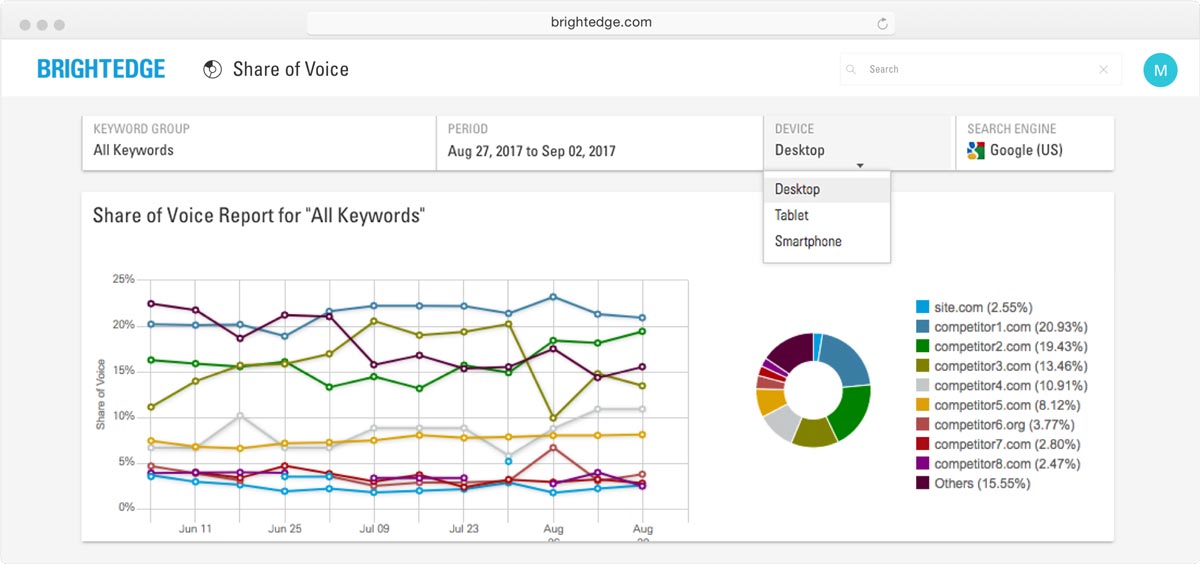
Making smart content can seem straightforward once you know the framework. We walk through five of the common but easy-to-miss mistakes. The Smart Content framework enables brands to increase content performance on SERPs, boost their share of voice, and get more high-intent customers to engage with their website content. The framework essentially works like a carpool lane, enabling brands to bypass the traffic congestion caused by too many sub-optimal content pieces, most of which are never discovered by their intended audiences. Offering a clear checklist that performance marketers can follow to make their content perform better, the Smart Content framework enables brands to differentiate their content and realize tremendous success. But there are a few mistakes you don't want to make while making Smart Content that you'll need to keep in mind as you take on improving your content ROI.

  • Ignoring content goals and strategies
  • Developing generic content
  • Using rigid content molds
  • Failing to add enough internal links
  • Neglecting CTAs

1. Ignoring content goals and strategies

Often we see marketers who create SEO management plans and rush to pack new content pieces with SEO goodness, mobile best practices, and effective CTAs and in that mad dash minimize or ignore their overarching goals and the content strategies they would employ to achieve them. Content that is created ad hoc with no thought of how it is supposed to serve a bigger purpose than just getting more website visits isn’t smart - no matter how much it was optimized. The reason for that is that content pieces rarely work in isolation. You need to create a cluster of content pieces that, when crawled and indexed, can position your site as an authoritative domain. And so the first thing to do is to figure out what is your concrete goal for the content. Here are a few goals and their accompanying content strategies:

Goal Strategy
Become known as a thought leader on a new topic Prioritize topics that are featured in Quick Answer boxes
Create awareness for a new retail location Prioritize topics that are location-sensitive
Show quick content ROI to justify bigger investment Prioritize topics with high demand (search volume) and weak competitive authority

Watch our B2C webinar and B2B webinar recordings for more information.

2. Developing generic content

We see this problem a lot: the brand discovers a need to develop thought leadership in a new subject, so it develops an overly broad 3,000-word encyclopedic dissertation about anything and everything that can be said about the subject. Bad idea. Smart Content writers need to think about the top-of-funnel, which is the new search engine results page. This is the best place to establish thought leadership in a new subject - as an auction house. The search engine effectively auctions its users to content writers. It looks for content that can best address the needs of each searcher. It ranks the content based on how it anticipates the content to meet the need. And so, when given the task to conquer a new subject, writers must first identify the full list of intents that customers may have related to the subject. They can use the Google micro-moments framework to identify queries that represent I-want-to-know, I-want-to-go, I-want-to-do, and I-want-to-buy intents. making smart content using brightedge Once they divide their topics into these four groups, writers should develop a taxonomy of parent and child topics, which their content items will address as a unified cluster. They can determine the type of content they should develop for each intent. By following this approach, writers can more accurately target specific customer intents and increase the likelihood of winning more SERP auctions.

3. Using rigid content molds

When fully embracing the Smart Content framework and making smart content, there’s sometimes the tendency to templatize and systematize everything, including copy. Writers lock in on a certain style and tone and produce content that follows a rigid structure even when varying their content topics considerably. While this process speeds up production, it can lead to publishing content that might be targeting specific intent but falling short in addressing it. The key thing to remember here is the need of the readers and their intent behind the search. Some intents, such as “go get a flu shot,” can be addressed with a short and simple store locator page. Other intents, such as “learn to develop a progressive web app,” must be addressed with much longer and more complex content. Instead of using a rigid content mould, writers should vary the characteristics of their content based on the underlying intent that the content is to address. Content should vary on at least three measures: its length, readability level (the Flesch–Kincaid test can help), and keyword density (how often semantically related keywords repeat themselves). How can writers tell the right length, readability level, and density for each topic? The best thing to do is to examine the top-ten content items that rank on the SERP for that topic and average them out. Solutions like BrightEdge Content can do this work for you.

4. Failing to add enough internal links

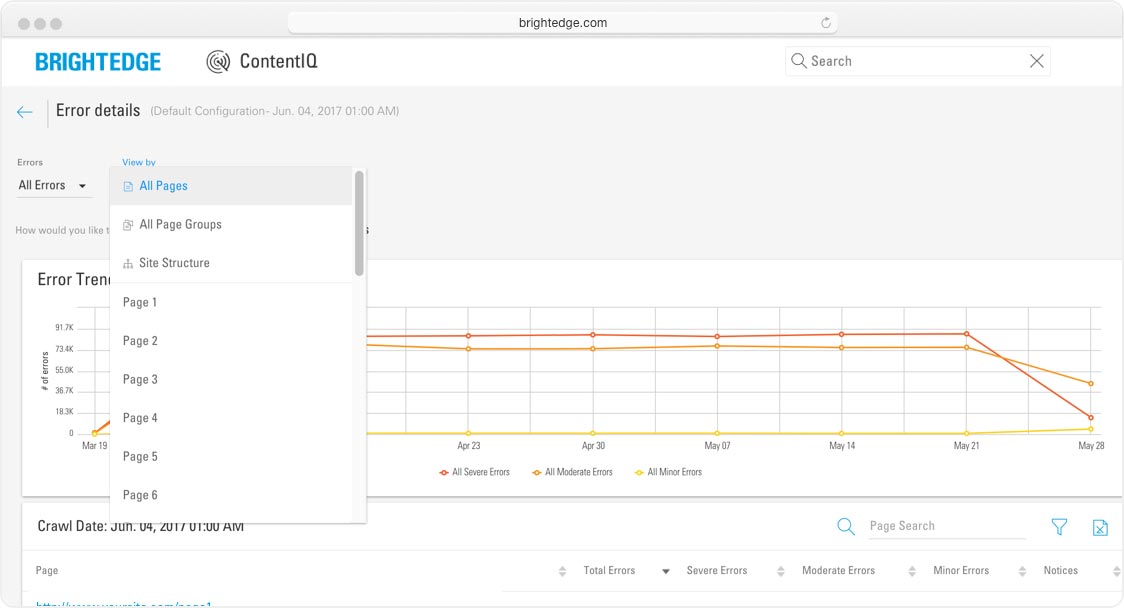
When making Smart Content, your creations perform partially because it’s highly discoverable. Search engine bots and website visitors must be able to find new content quickly and understand how it relates to the rest of the content on the site. The more internal links are pointing to and from each content item, the more easily these content items are found. The problem is that marketers who work on large domains cannot retain in their heads the full taxonomy of their site and make good judgement calls on how to deploy internal linking. It’s often the case that marketers ignore internal linking, leaving it to their SEO colleagues to add them in later. making smart content with contentiq and brightedge To increase content quality, writers should deploy automation that acts like a content coach, evaluating the content as writers type it, identifying anchor text that can be used to link to existing, high-quality site content, and even auto-generating the links. Moreover, automation backed with an AI-powered machine or deep-learning element can help to refine those evaluations based on past experience and shifts in a brand's objectives. Moreover, writers should regularly check their site not just for orphan pages but also for ones that do not include a good amount of body links. Website audit solutions such as BrightEdge ContentIQ can help catch and resolve pages that do not meet a predefined threshold of number of internal links.

5. Neglecting CTAs

Performance is at the heart of the Smart Content framework. It is true that we develop fresh content to inspire and inform our prospects and customers, but content needs to drive performance and results. Ultimately, we want readers to be inspired and informed enough so that they can take concrete actions to become customers, loyalists, and champions. We want them to take specific steps while consuming content, and we must make sure these steps are abundantly clear. Marketers must therefore keep thinking about the next action they want their readers to take while new content is conceived and developed. Every content piece should directly lead to conversion points on the site. This can be done by incorporating highly visible call-to-action (CTA) snippets or even lead generation forms into the copy to point readers in the right direction. Obviously not all readers will be ready to engage or convert having read one article. It’s critical, therefore, to insert relevant content recommendations at the bottom of the page to reduce site abandonment and keep readers clicking and reading more. Content recommendations are like a safety net for CTAs. The Smart Content framework is a great tool to accelerate content performance at scale and increase website visits, conversions, and revenue. But writers and strategists should keep these gotchas in mind to ensure their framework implementation achieve the desired results.

Making smart content can seem straightforward once you know the framework. We walk through five of the common but easy-to-miss mistakes. The Smart Content framework enables brands to increase content performance on SERPs, boost their share of voice, and get more high-intent customers to engage with their website content. The framework essentially works like a […]

The post Five Common Mistakes in Making Smart Content appeared first on BrightEdge SEO Blog.

BrightEdge’s Latest Innovation Makes Artificial Intelligence a Reality for Marketers Everywhere

BrightEdge Insights Make AI a Reality for Marketers Everywhere

85% of BrightEdge customers adopt AI-Powered BrightEdge Insights to deliver a better customer experience and boost marketing performance.

BrightEdge, the global leader in enterprise organic search and content performance, today announced over 85% of its 1,500 customers–and more than half of the Fortune 100–have adopted Artificial Intelligence-powered BrightEdge Insights. Leveraging the deep learning capabilities of BrightEdge DataMind, BrightEdge Insights enables marketers to stay ahead of trends and deliver better results from organic search and content marketing.

According to IDC, the adoption of cognitive systems and AI will drive worldwide revenues from $8 billion in 2016 to $47 billion in 2020. In a 2017 study of marketers, BrightEdge found that 32% of all marketers saw AI as the “next big thing” in marketing but nearly 60% had no plans to use it. With BrightEdge Insights, BrightEdge customers are solving real-world problems with deep learning, while delivering real results across Search, Content and Digital Marketing. BrightEdge Insights is simple and built into the marketers daily workflow to make AI a reality for marketers everywhere.

Winning at Voice Search

With Google Home, Alexa and other digital assistants in 16% of all US homes, voice search is more important than ever. In fact, according to ComScore over 40% of searches are now voice-enabled. Additionally, 90% of voice search results are from featured snippets, such as a Quick Answer. The world’s largest brands are using BrightEdge Insights to win the voice search battle. Using billions of data points about consumer demand, competition, keyword rankings, existing content, and market trends, BrightEdge Insights distills the billions of combinations into a handful of recommendations to win Quick Answers and voice search.

“With Insights, we don’t have to go into the trenches to mine the data”, said Carlos Spallarossa, Director of SEO, L'Oréal. “We improved Kiehl’s presence on Quick Answer box by incorporating step-by-step recommendations from BrightEdge Insights.”

“Our latest innovation, BrightEdge Insights, is bringing the power of AI and deep learning to marketers everywhere”, said Jim Yu, CEO and Co-founder of BrightEdge. “The power and flexibility of BrightEdge Insights is helping our customers solve complex problems––problems that they could not have solved without AI and machine learning. We are leading the AI revolution in our industry and providing every marketer the means to innovate with AI.”

Driving Adoption of Artificial Intelligence Across Marketing

BrightEdge Insights is powered by the industry's first and most powerful deep learning engine, DataMind. Acting like a marketer’s personal data analyst, Insights continually works in the background, analyzing billions of data points, filtering out the noise, and identifying changes outside the normal behaviors. BrightEdge Insights then prioritizes the most relevant findings, so marketers can focus on the initiatives with the biggest impact to their business. All of this is done at a scale and at a speed not possible for an individual.

BrightEdge Insights and DataMind are powered by an extensive wealth of data BrightEdge has accumulated over ten years. As BrightEdge’s AI capabilities leverage an expanding unified data store of first and third party data, such as Google Search Console, web analytics data, and BrightEdge Data Cube it becomes easier for marketers to deliver a better customer experience and increased performance across all digital channels, content marketing and organic search.

BrightEdge Insights helps seasoned SEO experts and digital marketers to stay ahead of constant change and prioritize what really matters. Insights acts like another colleague, helping SEO marketers uncover things that might have been missed.

“I can spend six hours a day mining data for bugs or opportunities, or, I can open BrightEdge Insights in the morning and have two tickets filed before I finish my coffee”, said Zander Buteux, Sr. SEO Manager of Art.com. “This speed-to-opportunity-discovery–whether it is missing page titles or low-quality redirects–allows me to both build a stronger business case and dive deeper to find more insights before lunch.”

“I was surprised to see 404’s reported by Insights because I thought I have kept my site up to date”, said Matthew Wims, SEO Manager of Schneider Electric. However, the 404’s that Insights showed were accurate. Insights make me feel good that I am not missing out on important site hygiene issues.”

Using Machine Learning to Tackle Complex Issues

Machine Learning is powering BrightEdge’s visual parsing technology, which classifies an ever-expanding set of Search Engine Results Page (SERP) by category, layout and intent. Since 84% of keywords have feature snippets and 25% of keywords include Quick Answers, it is imperative for marketers to understand each SERP and how it affects traffic and performance.

“If you are using BrightEdge, you are an AI-marketer,” said Albert Gouyet, VP of Operations for BrightEdge. “Our customers have an advantage because they leverage our powerful deep learning engine, DataMind, with our gold standard in data, the largest, most accurate data set in the industry. Instead of providing hundreds of recommendations, Insights simplifies and focuses on a handful of the most important recommendations, making it easy to see real results from AI.”

About BrightEdge

BrightEdge, the global leader in enterprise organic search and content performance, empowers marketers to transform online content into business results such as traffic, conversions and revenue. The BrightEdge platform is powered by a sophisticated deep learning engine and is the only company capable of web-wide, real-time measurement of content engagement across all digital channels, including search, social and mobile. BrightEdge’s 1,500+ customers include global brands such as 3M, Microsoft and Nike, as well as 57 of the Fortune 100. The company has eight offices worldwide and is headquartered in Foster City, California.


Press Release Date
,