How To Report SEO To My Manager?

4 tips to communicate SEO to your manager

Successfully reporting your SEO progress to your manager can have a dramatic impact on the resources and budget available to you and your team. You want to make solid reports that will help your manager understand the progress of your SEO efforts and why your SEO progress has a positive impact on the rest of your business. Therefore, knowing how to report SEO to your manager can help your formulate presentations and documentation that will further help grow your SEO learn how to report seo progress to your manager - brightedgeefforts for your organization.

Use the below steps to report SEO to your manager:

  • Consider what matters most
  • Examine KPIs
  • Create a list of data
  • Create charts and graphs

1. Consider what matters most. Consider the points that matter the most to your manager. Think about the KPIs that your manager pays the most attention to. This will likely be influenced by who your manager has to report to as well. Consider the past presentations you have given and the KPIs that your manager inquired about the most. Think about the numbers that seemed to have the biggest impact on their opinions of your SEO program. This will help you know where to focus your efforts.

2. Examine KPIs. Examine the KPIs that you have tracked for your SEO campaigns and look at the ones that best demonstrate the progress you have made with your marketing efforts. SEO tends to be a non-linear effort. Often you work in a particular area improving your brand’s presence, but it might take a few weeks for the results of your efforts to begin to appear.

To help your manager and their superiors understand your progress, document that work you have done and the KPIs that help to cast your SEO efforts into a positive light. This will help you present a solid picture to your manager regarding your effort and the progress you make.

3. Create a list of data. Consider the KPIs you examined in steps one and two and combine them to create a list of targeted data that you will present to your manager. Your presentation should clearly demonstrate to your manager what they want to see while also documenting your SEO efforts and the progress you make.

4. Create charts and graphs. Create clear charts and graphs that demonstrate your important data points that your manager can understand at a glance. You want the information to be easily digestible so that they can understand the importance of your SEO program with little effort and pass it on to their superiors. A strong presentation will help you build the case for your needed budget and resources.

Understanding how to present important data to your manager can help you build support for your program and help your company leaders understand the importance of the work you do.

Definition

4 tips to communicate SEO to your manager

Successfully reporting your SEO progress to your manager can have a dramatic impact on the resources and budget available to you and your team. You want to make solid reports that will help your manager understand the progress of your SEO efforts and why your SEO progress has a positive impact on the rest of your business. Therefore, knowing how to report SEO to your manager can help your formulate presentations and documentation that will further help grow your SEO learn how to report seo progress to your manager - brightedgeefforts for your organization.

Use the below steps to report SEO to your manager:

  • Consider what matters most
  • Examine KPIs
  • Create a list of data
  • Create charts and graphs

1. Consider what matters most. Consider the points that matter the most to your manager. Think about the KPIs that your manager pays the most attention to. This will likely be influenced by who your manager has to report to as well. Consider the past presentations you have given and the KPIs that your manager inquired about the most. Think about the numbers that seemed to have the biggest impact on their opinions of your SEO program. This will help you know where to focus your efforts.

2. Examine KPIs. Examine the KPIs that you have tracked for your SEO campaigns and look at the ones that best demonstrate the progress you have made with your marketing efforts. SEO tends to be a non-linear effort. Often you work in a particular area improving your brand’s presence, but it might take a few weeks for the results of your efforts to begin to appear.

To help your manager and their superiors understand your progress, document that work you have done and the KPIs that help to cast your SEO efforts into a positive light. This will help you present a solid picture to your manager regarding your effort and the progress you make.

3. Create a list of data. Consider the KPIs you examined in steps one and two and combine them to create a list of targeted data that you will present to your manager. Your presentation should clearly demonstrate to your manager what they want to see while also documenting your SEO efforts and the progress you make.

4. Create charts and graphs. Create clear charts and graphs that demonstrate your important data points that your manager can understand at a glance. You want the information to be easily digestible so that they can understand the importance of your SEO program with little effort and pass it on to their superiors. A strong presentation will help you build the case for your needed budget and resources.

Understanding how to present important data to your manager can help you build support for your program and help your company leaders understand the importance of the work you do.

How To Find Out Why My Page is Decreasing in Rank?

4 steps to determine why your page is decreasing in rank on the SERPs

Understanding why your page is decreasing in rank is an important step to correcting the problem and maintaining your SEO results. When a page begins to drop in the rankings, here is how to find out why your page is decreasing in rank.

  • Check for algo updates at Google 
  • Examine your content for SEO best practices
  • Check whether your content is recent or outdated
  • Look at the content that outranks you

1. Check for algo updates. See if the Google algorithm has recently undergone any changes that might impact rankings. Sometimes Google makes adjustments without officially announcing anything, so you want to look at popular SEO news sources instead of just the official Google channels. If learn why your page is decreasing in rank - brightedgeyou see that others have had similar drops in ranking, then that is a good indicator that an update has been made to the algorithm.

Knowing that your page has dropped rankings because of an algorithm update may give you your first steps to correct the problem. Look for any insights regarding what Google wanted to correct with this update, and use this information to help you improve the content you created.

2. Examine your content for SEO best practices. If there were no algorithm updates, then you want to closely examine your content for SEO best practices to see where you might fall short. Make sure that your target keyword has been used in your title, URL, metadata, and naturally throughout the content.

Look at your traffic and engagement rates for this particular piece of content and examine trends on BrightEdge and Google Analytics. This can help you see if people have lost interest in the content. See if you have had any changes in how your brand promotes this particular piece of content, such as a drop in how often it appears in social media posts or your email campaigns. Google looks at people’s engagement with content when determining the interest of customers in the material. If you have changed your promotions at all, try shifting back to your old strategy.

3. Check whether your content is recent or outdated. Look at how recently your content has been created or updated. Particularly with content that is not evergreen, Google will also likely prioritize content that is fresher and contains the latest information for readers. If your content has become outdated, then you will want to take the time to correct that problem. Freshen up the material and update your publication date so that both readers and Google know that your content has been updated.

4. Look at the content that outranks you. Look at the content that has taken your spot. If none of the other steps have given you a good indication of why your content has lost rankings and what to do about it, you want to take the time to look at the content that has taken your spot. See if you can determine why the search engine might have regarded this content more highly than yours.

Look at the length of the content and its depth on the topic. You might also want to look at the rest of the domain. For example, if this site has a big topic cluster, they thus demonstrate greater authority on the subject. Meanwhile, if you only have a blog post, it will become clear why their content outranks yours.

Particularly for content and keywords that play a large role in your organization, you will want to use this insight to improve your own content. Build up your topic further, consider building a content cluster, and look for ways to demonstrate your authority in the industry to Google and to readers.

When you see your content drop in the rankings, it can cause considerable frustration and confusion. Knowing what to do when you see this arise, however, can help you protect other content from dropping and hopefully regain the old positions for your material.

Definition

4 steps to determine why your page is decreasing in rank on the SERPs

Understanding why your page is decreasing in rank is an important step to correcting the problem and maintaining your SEO results. When a page begins to drop in the rankings, here is how to find out why your page is decreasing in rank.

  • Check for algo updates at Google 
  • Examine your content for SEO best practices
  • Check whether your content is recent or outdated
  • Look at the content that outranks you

1. Check for algo updates. See if the Google algorithm has recently undergone any changes that might impact rankings. Sometimes Google makes adjustments without officially announcing anything, so you want to look at popular SEO news sources instead of just the official Google channels. If learn why your page is decreasing in rank - brightedgeyou see that others have had similar drops in ranking, then that is a good indicator that an update has been made to the algorithm.

Knowing that your page has dropped rankings because of an algorithm update may give you your first steps to correct the problem. Look for any insights regarding what Google wanted to correct with this update, and use this information to help you improve the content you created.

2. Examine your content for SEO best practices. If there were no algorithm updates, then you want to closely examine your content for SEO best practices to see where you might fall short. Make sure that your target keyword has been used in your title, URL, metadata, and naturally throughout the content.

Look at your traffic and engagement rates for this particular piece of content and examine trends on BrightEdge and Google Analytics. This can help you see if people have lost interest in the content. See if you have had any changes in how your brand promotes this particular piece of content, such as a drop in how often it appears in social media posts or your email campaigns. Google looks at people’s engagement with content when determining the interest of customers in the material. If you have changed your promotions at all, try shifting back to your old strategy.

3. Check whether your content is recent or outdated. Look at how recently your content has been created or updated. Particularly with content that is not evergreen, Google will also likely prioritize content that is fresher and contains the latest information for readers. If your content has become outdated, then you will want to take the time to correct that problem. Freshen up the material and update your publication date so that both readers and Google know that your content has been updated.

4. Look at the content that outranks you. Look at the content that has taken your spot. If none of the other steps have given you a good indication of why your content has lost rankings and what to do about it, you want to take the time to look at the content that has taken your spot. See if you can determine why the search engine might have regarded this content more highly than yours.

Look at the length of the content and its depth on the topic. You might also want to look at the rest of the domain. For example, if this site has a big topic cluster, they thus demonstrate greater authority on the subject. Meanwhile, if you only have a blog post, it will become clear why their content outranks yours.

Particularly for content and keywords that play a large role in your organization, you will want to use this insight to improve your own content. Build up your topic further, consider building a content cluster, and look for ways to demonstrate your authority in the industry to Google and to readers.

When you see your content drop in the rankings, it can cause considerable frustration and confusion. Knowing what to do when you see this arise, however, can help you protect other content from dropping and hopefully regain the old positions for your material.

Learn To Do SEO Content Writing From Existing Content

Learn how to create new content from existing content and generate new traffic

Learning how to do SEO content writing from already existing content makes it easy for brands to repurpose material that they have already developed. This can be particularly useful as often different customers like to consume content in a variety of ways.

To do content writing with existing content as your draft, think first about the persona and the stage of the buyer’s journey that this particular customer likely falls when they are interested in the topic at hand. With this information, you can make a list of the types of content that they might want to consume. This will help you develop a planlearn to do seo content writing with existing content in mind - brightedge for taking your existing material and creating new content types. These steps will help you understand how to do content writing with existing content:

  • Transition material between written content and video
  • Transition material between a blog post and longer content
  • Transition material between blog posts and social media content

1. Transforming material between written content and video. Video has become increasingly popular as customers appreciate the opportunity to sit back and consume content with minimal effort on their part. The visuals of a video also help to engage them.

If you have a blog post you want to turn into a video, read the post through and pull out the most important points that you want to make in the video. Take these parts and use them to develop a script that the person in the video can use for guidance. Publishing a transcript alongside the video can also benefit you from an SEO perspective as it allows the search engines to understand the content of the video as well.

If you have a video that you would like to transition to a blog post, see if you have a transcript or script available of the video. This will allow you to review the material covered and begin to adjust the wording to create a written-content style. With the outline available from the video, this will go significantly faster than creating a blog from scratch.

If you do not have a transcript or script available, then simply watch the video a few times and take notes as you go.

2. Transforming material between a blog post and longer content. If you already have a blog post and you want to create a longer piece of content, such as a white paper or an ebook, then take the blog post and open it in a new word document. Pull out each point you cover in the post and use it to begin brainstorming areas where you can expand the material and dive in deeper. You want to think of the blog post essentially as an outline that you can use to guide your ideas, while also taking your new audience much further in the subject.

On the other hand, if you have a long piece of content that you want to use to create a blog post, you will take this process in reverse. Brands often use shorter blog posts of longer research or white papers because it allows them to build an interested audience and then offer them a link to the more in depth content.

Therefore, sit down with the longform material and identify your key points. See if any of the key ideas can be eliminated to leave something unique for the white paper or ebook. For the ones that remain, look for ways to shorten the details you offer. Your blog post should provide valuable information but offer more of a cursory examination of the topic than your in depth publication.

3. Transforming material between blog posts and social media content. Your blog posts can also provide assistance in the creation of social media content. Pull out some of your main ideas and use them to create short social media posts and teasers that can help you attract attention for the full post. Statistics, for example, can make great tweets that encourage people to want to learn more.

Social media can also help you figure out what topics interest customers the most. If you see that posts on a particular topic build a lot of interest, use your posts on the topic to start putting together a full blog post to explore the topic for readers.

Definition

Learn how to create new content from existing content and generate new traffic

Learning how to do SEO content writing from already existing content makes it easy for brands to repurpose material that they have already developed. This can be particularly useful as often different customers like to consume content in a variety of ways.

To do content writing with existing content as your draft, think first about the persona and the stage of the buyer’s journey that this particular customer likely falls when they are interested in the topic at hand. With this information, you can make a list of the types of content that they might want to consume. This will help you develop a planlearn to do seo content writing with existing content in mind - brightedge for taking your existing material and creating new content types. These steps will help you understand how to do content writing with existing content:

  • Transition material between written content and video
  • Transition material between a blog post and longer content
  • Transition material between blog posts and social media content

1. Transforming material between written content and video. Video has become increasingly popular as customers appreciate the opportunity to sit back and consume content with minimal effort on their part. The visuals of a video also help to engage them.

If you have a blog post you want to turn into a video, read the post through and pull out the most important points that you want to make in the video. Take these parts and use them to develop a script that the person in the video can use for guidance. Publishing a transcript alongside the video can also benefit you from an SEO perspective as it allows the search engines to understand the content of the video as well.

If you have a video that you would like to transition to a blog post, see if you have a transcript or script available of the video. This will allow you to review the material covered and begin to adjust the wording to create a written-content style. With the outline available from the video, this will go significantly faster than creating a blog from scratch.

If you do not have a transcript or script available, then simply watch the video a few times and take notes as you go.

2. Transforming material between a blog post and longer content. If you already have a blog post and you want to create a longer piece of content, such as a white paper or an ebook, then take the blog post and open it in a new word document. Pull out each point you cover in the post and use it to begin brainstorming areas where you can expand the material and dive in deeper. You want to think of the blog post essentially as an outline that you can use to guide your ideas, while also taking your new audience much further in the subject.

On the other hand, if you have a long piece of content that you want to use to create a blog post, you will take this process in reverse. Brands often use shorter blog posts of longer research or white papers because it allows them to build an interested audience and then offer them a link to the more in depth content.

Therefore, sit down with the longform material and identify your key points. See if any of the key ideas can be eliminated to leave something unique for the white paper or ebook. For the ones that remain, look for ways to shorten the details you offer. Your blog post should provide valuable information but offer more of a cursory examination of the topic than your in depth publication.

3. Transforming material between blog posts and social media content. Your blog posts can also provide assistance in the creation of social media content. Pull out some of your main ideas and use them to create short social media posts and teasers that can help you attract attention for the full post. Statistics, for example, can make great tweets that encourage people to want to learn more.

Social media can also help you figure out what topics interest customers the most. If you see that posts on a particular topic build a lot of interest, use your posts on the topic to start putting together a full blog post to explore the topic for readers.

Thank you for requesting a copy of the

BrightEdge eBook: The Ultimate Guide to Funnel Mapping


Your report will arrive in your inbox shortly!


BrightEdge eBook: The Ultimate Guide to Content Funnel Mapping

Learn the steps to engage with customers, educate in SEO and build a path to success

BrightEdge eBook: The Ultimate Guide to Content Funnel Mapping

Learn the steps to engage with customers, educate in SEO and build a path to success

Today, the Internet gives customers the ability to reach out independently and learn about potential product and services to solve their pain points. 

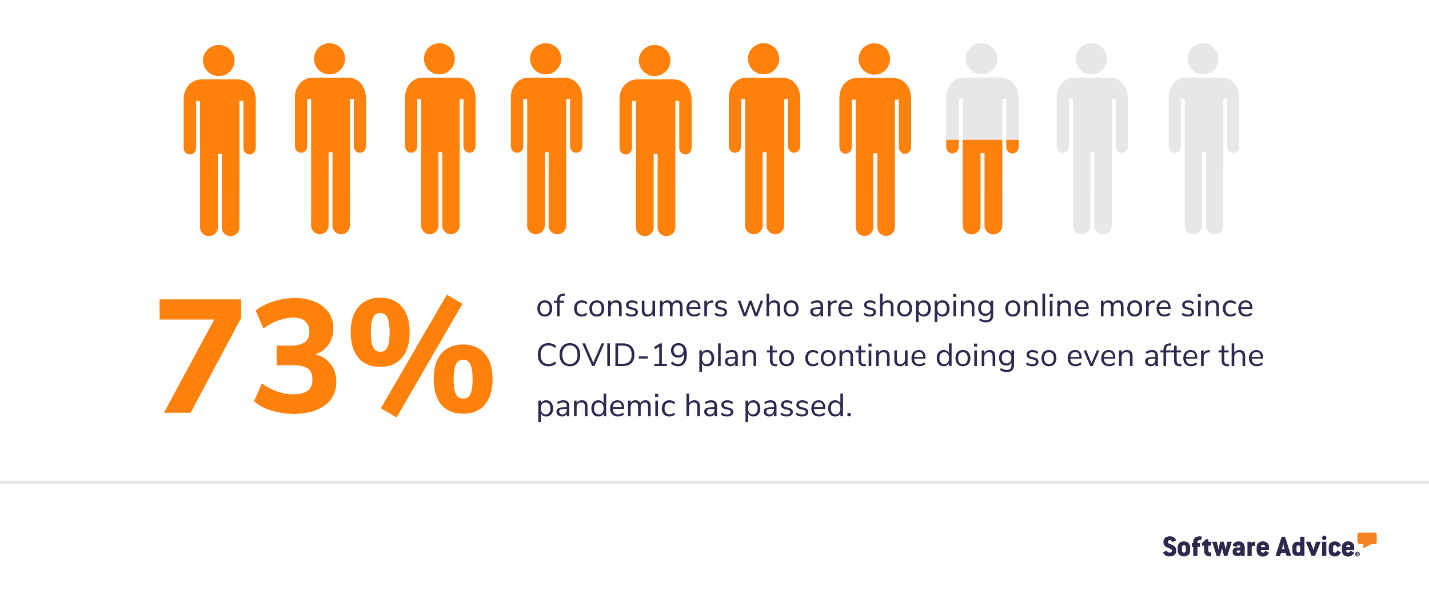
73% of customers cite the customer experience as a motivating factor when deciding who to buy from. Common customer pain points can include inaccurate information that can harm your brand, difficulty navigating through your site and the inability to solve pain points quickly, lack of financial productivity, and not receiving the proper support they need. Have you created the best customer experience on your site?

This eBook will guide you through the steps to enagae with customers, educate in SEO, and build a path to success. Examine the customer's thought process, pain points and content to create for each stage of the customer funnel.

Drive as many leads as possible to your site with this content funnel mapping guide.


CAPTCHA
Solve this simple math problem and enter the result. E.g. for 1+3, enter 4.
This question is for testing whether or not you are a human visitor and to prevent automated spam submissions.

How To Increase Site Ranking for an Unranked Page?

How to increase rank on Google for an unranked page?

When you have a page that does not have high rankings that will bring in interested readers or help with your site organization, it can be frustrating. Here is how to increase rank on Google for an unranked page.

  1. First examine the content you have on your page. Is it well-written? Does it have a strong opening that pulls in readers? Does it use visuals to help communicate its meaning and engage people further? Is the content itself dated?
  2. Next, see how this page stands within the rest of your website. Do you have other pages that link to this page, or does it mostly stand on its own and readers discover how to increase google ranking - brightedgestruggle to discover it?
  3. Then, look to see what this page has been optimized for. Have you employed SEO best practices to ensure that your desired keyword is prominent on the page? Do you have other pages on your domain that compete for the same keyword?

Once you have gathered this information, you will start to gain a better idea of why your page doesn't link as you desire. You might find that more than one of these reasons contribute to the poor performance of your content. This will give you a starting point of how to increase rank on Google for this particular page.

  1. If your page is poorly written or out of date, you must begin by correcting this problem. See if the content can be repurposed, edited, or updated to make it more in line with what your readers want to see. This includes adding images or other visual content on the page, as these images help people engage with the material.
  2. If your content is not well-connected with the rest of your site, you will want to correct this as well. Comb through the rest of your site to find other pages that discuss similar content. Create internal links that will bring people from outside pages back to the poorly-ranked page and vice versa. This will help people find and engage with the material, which will boost rankings.
  3. If your content has not been well optimized, take a look at your targeted keywords and see which ones will fit well with this piece of content. Edit the piece to ensure that the page has been well developed for this keyword and answers the needs of those searching for this particular topic. Then, fully optimize the page for the topic, including using the keyword in the title, URL, image alt text, meta description, and several times throughout the content. This will help your content catch the eye of the search engines.

Regardless of the reasons that your site initially failed to rank well, throughout your efforts to boost your ranking, you also want to take the time to promote the piece to the search engines and your readers. Drawing traffic to the content is the best way to show the search engines and your audience that the piece has been updated to better fit their needs. This means using the content wherever it fits best. For example, if it fits with your social media campaigns, share it with your followers. If it fits into an email for a targeted persona, use it in your email promotions. Help people discover the content, as traffic and engagement will help search engines themselves pay attention to the material.

Altogether, these strategies should help you raise the ranking of content that ranks poorly.

Definition

How to increase rank on Google for an unranked page?

When you have a page that does not have high rankings that will bring in interested readers or help with your site organization, it can be frustrating. Here is how to increase rank on Google for an unranked page.

  1. First examine the content you have on your page. Is it well-written? Does it have a strong opening that pulls in readers? Does it use visuals to help communicate its meaning and engage people further? Is the content itself dated?
  2. Next, see how this page stands within the rest of your website. Do you have other pages that link to this page, or does it mostly stand on its own and readers discover how to increase google ranking - brightedgestruggle to discover it?
  3. Then, look to see what this page has been optimized for. Have you employed SEO best practices to ensure that your desired keyword is prominent on the page? Do you have other pages on your domain that compete for the same keyword?

Once you have gathered this information, you will start to gain a better idea of why your page doesn't link as you desire. You might find that more than one of these reasons contribute to the poor performance of your content. This will give you a starting point of how to increase rank on Google for this particular page.

  1. If your page is poorly written or out of date, you must begin by correcting this problem. See if the content can be repurposed, edited, or updated to make it more in line with what your readers want to see. This includes adding images or other visual content on the page, as these images help people engage with the material.
  2. If your content is not well-connected with the rest of your site, you will want to correct this as well. Comb through the rest of your site to find other pages that discuss similar content. Create internal links that will bring people from outside pages back to the poorly-ranked page and vice versa. This will help people find and engage with the material, which will boost rankings.
  3. If your content has not been well optimized, take a look at your targeted keywords and see which ones will fit well with this piece of content. Edit the piece to ensure that the page has been well developed for this keyword and answers the needs of those searching for this particular topic. Then, fully optimize the page for the topic, including using the keyword in the title, URL, image alt text, meta description, and several times throughout the content. This will help your content catch the eye of the search engines.

Regardless of the reasons that your site initially failed to rank well, throughout your efforts to boost your ranking, you also want to take the time to promote the piece to the search engines and your readers. Drawing traffic to the content is the best way to show the search engines and your audience that the piece has been updated to better fit their needs. This means using the content wherever it fits best. For example, if it fits with your social media campaigns, share it with your followers. If it fits into an email for a targeted persona, use it in your email promotions. Help people discover the content, as traffic and engagement will help search engines themselves pay attention to the material.

Altogether, these strategies should help you raise the ranking of content that ranks poorly.

How to Create Topic Clusters?

How to create topic clusters?

Topic clusters will help you target particular topics and ideas on your website. This will help you demonstrate your expertise on the subject and give your readers plenty of resources to dive deeply into the topic at hand. As they start to explore the ideas, they have links and other material to follow and read so that they can continue to understanding how to create topic clusters - brightedgelearn and see you as the expert.

Google also likes topic clusters because then the search engine easily understands your level of expertise on the subject. Google often uses semantically-related keywords to judge the depth of content produced. When a domain includes a number of related keywords, it judges that the content provides depth and a substantial examination of the topic for users.

To create topic clusters, you want to start by identifying the topic you want to cover. The main topic should focus around a keyword that has a high search volume. It should also be broad enough that there are a number of subtopics that you can identify that would allow readers to go deeper into the material.

Use Data Cube to help you identify your central topic as well as several subtopics. Use the search volume to help you gain a better idea about which topics are popular so you know what will interest readers.

Once you have done this research, organize your material. List your central topic and then your subtopics, or pillars, that you will use that dive into your central topic more deeply.

Then, as you begin writing, we recommend that you begin with the subtopics. This will help you organize your thoughts, determine which content gets covered in the subtopics, and create a better organizational strategies for the reader as a whole. Armed with this information, you will find it easier to then go back and create your main topical page. Overall, this will make the content easier for readers to digest and absorb. It will also help you avoid needless repetition.

Definition

How to create topic clusters?

Topic clusters will help you target particular topics and ideas on your website. This will help you demonstrate your expertise on the subject and give your readers plenty of resources to dive deeply into the topic at hand. As they start to explore the ideas, they have links and other material to follow and read so that they can continue to understanding how to create topic clusters - brightedgelearn and see you as the expert.

Google also likes topic clusters because then the search engine easily understands your level of expertise on the subject. Google often uses semantically-related keywords to judge the depth of content produced. When a domain includes a number of related keywords, it judges that the content provides depth and a substantial examination of the topic for users.

To create topic clusters, you want to start by identifying the topic you want to cover. The main topic should focus around a keyword that has a high search volume. It should also be broad enough that there are a number of subtopics that you can identify that would allow readers to go deeper into the material.

Use Data Cube to help you identify your central topic as well as several subtopics. Use the search volume to help you gain a better idea about which topics are popular so you know what will interest readers.

Once you have done this research, organize your material. List your central topic and then your subtopics, or pillars, that you will use that dive into your central topic more deeply.

Then, as you begin writing, we recommend that you begin with the subtopics. This will help you organize your thoughts, determine which content gets covered in the subtopics, and create a better organizational strategies for the reader as a whole. Armed with this information, you will find it easier to then go back and create your main topical page. Overall, this will make the content easier for readers to digest and absorb. It will also help you avoid needless repetition.

How to Secure the Best Backlinks for Your Content?

Get more backlink opportunities to your website

Backlinks can provide your content with a valuable source of traffic as well as positive factors to increase your opportunity for ranking content. Google looks at backlinks to better understand how content fits into the web. They assume that websites willing to link to a particular site and potentially send their own readers to this outside site must view that particular content as trustworthy. For this reason, sites that have regular backlinks from other quality sites will generally be viewed favorably. Discover how to choose the best backlinks for your content - brightedgeThe backlinks operate almost as voucher for a particular site, saying that this page has quality content.

To cultivate the best backlinks for your own site, therefore, you want to focus on links that come from other well-regarded sites. Backlinks from major publications for your industry, for example, can benefit your domain. If you can gain backlinks from someone else discussing your original research on one of these publications, it can provide you with an excellent link to your content.

You can also build quality backlinks by creating guest posts that will allow you to link back to content on your own site. This can help you drive traffic towards your pages.

As you build backlinks, you want to think about the anchor keywords you use for the link. If you have any control over the text, such as if you are crafting a guest post on another publication, then target words that have a high relevance for the content on your site.

Definition

Get more backlink opportunities to your website

Backlinks can provide your content with a valuable source of traffic as well as positive factors to increase your opportunity for ranking content. Google looks at backlinks to better understand how content fits into the web. They assume that websites willing to link to a particular site and potentially send their own readers to this outside site must view that particular content as trustworthy. For this reason, sites that have regular backlinks from other quality sites will generally be viewed favorably. Discover how to choose the best backlinks for your content - brightedgeThe backlinks operate almost as voucher for a particular site, saying that this page has quality content.

To cultivate the best backlinks for your own site, therefore, you want to focus on links that come from other well-regarded sites. Backlinks from major publications for your industry, for example, can benefit your domain. If you can gain backlinks from someone else discussing your original research on one of these publications, it can provide you with an excellent link to your content.

You can also build quality backlinks by creating guest posts that will allow you to link back to content on your own site. This can help you drive traffic towards your pages.

As you build backlinks, you want to think about the anchor keywords you use for the link. If you have any control over the text, such as if you are crafting a guest post on another publication, then target words that have a high relevance for the content on your site.

,