Enterprise SEO Solutions

Criteria to Consider When Scaling SEO Performance

Last updated on October 9th 2025.

What Is Enterprise SEO?

Enterprise SEO involves optimizing a large website to improve its visibility and rankings in search engines. This strategy uses sophisticated tools and techniques to handle complex website structures while aligning with the company’s overall goals. It requires collaboration across different departments to apply SEO practices that are scalable and uniform across potentially thousands of web pages, ensuring consistency throughout the organization’s online presence.

As search algorithms evolve and tech stacks become more complex, driving growth or retention for your business through SEO can be quite cumbersome. Finding a solution that meets your company’s evolving needs, while allowing you to scale efficiently, is imperative. This is even more important with enterprise organizations, as there are greater complexities to their business, and marketing and SEO teams must account for the shifting landscape of search (i.e. algorithm updates, new universal result types, or search engine alignment with better user experience). 

Important strategies such as diagnosing technical SEO issues to improve crawling and indexability, or identifying content gap opportunities between you and your competitors can become overwhelming when looking to scale organic performance for enterprise brands. Finding an enterprise SEO solution that allows you and your team to scale with your businesses’ needs and revenue goals is critical for building sustainable marketing growth. 

 

enterprise seo solution

How Does Enterprise SEO Differ From Other SEO?

While all organizations can benefit from SEO, enterprise SEO is applying the practice to large organizations with many moving parts. The principles and tactics may be similar to how a smaller company operates, but in the case of enterprise SEO, these tactics must be applied to thousands or even millions of pages, potentially across several websites. Further, enterprise SEO requires alignment with many stakeholders in order to be successful.

To execute enterprise SEO, there is a higher level of orchestration required, along with more advanced skills and project management. The degree to which these are applied in an enterprise setting can create significant returns for the organization. Some of the largest brands in the world, like Meta, have been able to double their monthly search traffic by applying enterprise SEO principles across their organization.

The scale of enterprise SEO creates unique challenges and opportunities that set it apart from traditional SEO practices. Consider that enterprise organizations often manage multiple domains, international markets, and diverse product lines – each requiring coordinated SEO strategies. For example, a global enterprise might need to optimize content across 50+ country sites, each with its own language requirements, cultural nuances, and market-specific keywords.

This complexity manifests in several key areas:

Technical Infrastructure: Enterprise websites often operate on complex technical stacks with multiple integrations, custom-built systems, and legacy platforms. Changes that might take minutes on a small site can require months of planning, testing, and deployment in an enterprise environment. This makes automated solutions and scalable processes essential for success.

Data Management: The sheer volume of data in enterprise SEO is staggering. Organizations must track millions of keywords, monitor countless competitor pages, and analyze vast amounts of user behavior data. This requires sophisticated tools and platforms capable of processing and visualizing data at scale to derive actionable insights.

Cross-functional Collaboration: Enterprise SEO success depends on coordinated efforts across multiple teams – development, content, marketing, legal, and product teams must all align on SEO initiatives. This complexity means that enterprise SEO professionals need strong project management and communication skills to drive results.

Resource Allocation: Unlike smaller organizations where one person might handle all SEO tasks, enterprise teams must efficiently distribute resources across numerous priorities. This might mean balancing immediate technical fixes with long-term content strategies, or deciding how to allocate resources between different markets or product lines.

Risk Management: For enterprise organizations, SEO changes can have massive implications. A single technical mistake could affect millions of pages and result in significant revenue loss. This necessitates robust testing processes, careful documentation, and thorough risk assessment protocols.

By understanding these distinct characteristics of enterprise SEO, organizations can better prepare for the challenges and opportunities ahead. Success in enterprise SEO requires not just technical expertise, but the ability to navigate complex organizational structures while maintaining scalable, efficient processes that can be implemented across large websites and multiple markets.

Multi-Domain Management Capabilities

Enterprise SEO platforms like BrightEdge are specifically designed to handle multiple domains from a single dashboard. Whether you're managing:

  • Multiple brand websites under one corporate umbrella
  • International domains across different countries (.com, .co.uk, .de, etc.)
  • Separate domains for different product lines or business units
  • Microsites and campaign-specific domains

Enterprise platforms must have unified reporting, cross-domain performance tracking, and centralized workflow management across all your digital properties. Then, you can track millions of keywords across multiple domains, implement consistent SEO strategies, and measure performance holistically or by individual domain.

What To Look For in an Enterprise SEO Solution?

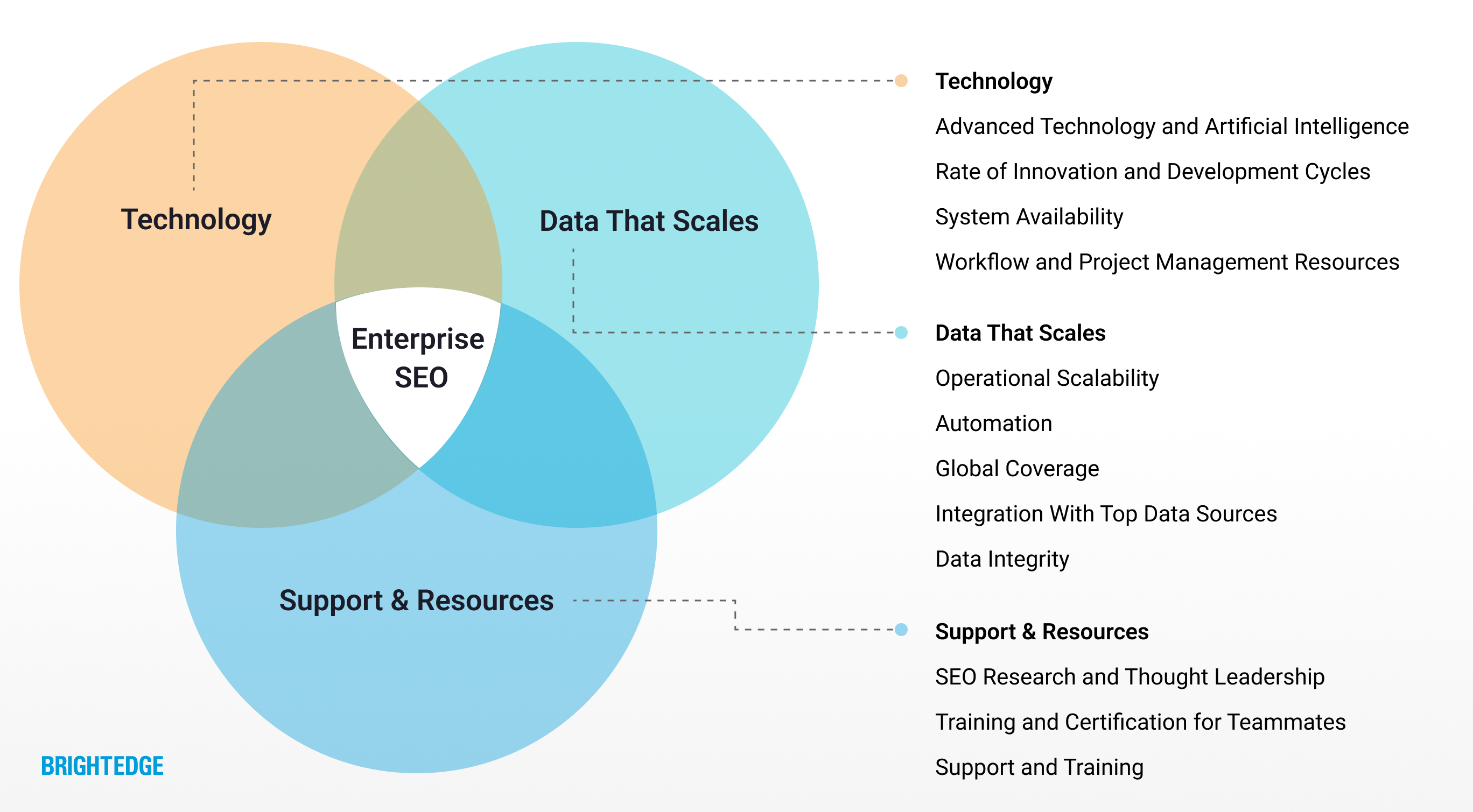
When evaluating enterprise SEO platforms, we recommend considering the following buckets: technology, data and support.

 

TECHNOLOGY

 

enterprise seo solution


Advanced Technology and Artificial Intelligence for SEO 

Having access to artificial intelligence allows enterprise SEO platform users to gain an advantage over their competitors. Artificial intelligence, machine learning and deep learning are becoming integral to the future of marketing. This technology helps enterprise-level brands by scaling marketing efforts based on continuously improving AI-defined optimizations and predictive analysis.  Enterprise SEO platforms not only allow organizations to surface deeper insights from their data, they should reduce manual work and time required to see value from SEO efforts.  Learn more about BrightEdge's AI-powered Insights and Generative-AI Content solutions


Rate of Innovation and Development Cycles in Enterprise SEO

An enterprise SEO platform provider's engineering team recognizes that the SEO industry changes every week and accordingly invests time and effort to reading the signals and anticipating those changes. Additionally, a robust enterprise platform should reinvent itself based on the feedback of its users to provide improvements to the entire user base. For example, highly-effective custom reports can be created and made into templates used by others in the enterprise community.


System Availability

Global enterprises work 24/7 and their SEO platforms must be available all of the time. The 99.99% uptime that BrightEdge delivers requires reliable code running on hardware and software that eliminates congestion, errors, failures and downtime.


Workflow and Project Management Workflow Resources

One of the key issues facing massive websites involves workflow management. With the immense scale of an enterprise-level site, one-off page optimizations and small content tweaks aren't viable. Enterprise SEOs need products that utilize logical and clear workflows for their teams. 

Features should include the ability to assign tasks to team members, manage tasks per member, record notes, record events and milestones, as well as analyzing many pages or sections of a site. Enterprise platforms should enable robust user management and permission controls.


DATA THAT SCALES

 

enterprise seo solution


Multi-Domain Tracking and Reporting

Enterprise organizations rarely operate on a single domain. BrightEdge's platform centralizes management across your entire domain portfolio - from your main corporate site to regional domains, microsites, and brand-specific properties. Our cross-domain analytics provide both unified and segmented views, allowing you to understand total organic performance while drilling down into individual domain metrics. This multi-domain capability extends to competitive intelligence, where you can track competitor performance across their entire domain portfolio as well.


Operational Scalability

Customers work hard to grow their businesses at a rapid rate, and an enterprise SEO solution should have far more capacity than they need. Correctly-built architecture should scale ahead of its largest customers. For some enterprises, this means being able to add and track millions of keywords. It means being able to audit and report on the largest sites comprised of hundreds of millions of pages.  Technologies such as BrightEdge Local leverage generative AI to scale review management without additional manual work. 


Automation

As search engine algorithm updates become more frequent and official communications on their details more vague, there is a growing need for enterprise technologies to place website content in a smart framework. In such a framework, the process of updating site content to keep on top of algorithm changes is automated and users can use AI-powered topic discovery to surface actionable and relevant topics for content creation.

Large-scale enterprises require automation like that enabled with BrightEdge Autopilot which allows marketers to automatically optimize the most critical and time-consuming SEO tasks. Additionally, the best enterprise SEO platforms monitor your site and alert you of opportunities and threats. Look for dashboards with automatic updates and distribution. Look for platforms that track and report on site changes to enable auditing.


Enterprise-Grade Global Coverage

While not all enterprise-level websites are global, many are. Global enterprises need global reporting and insights that enables them to scale their workflows and best practices across countries. Enterprise SEO has to source and report on Google, Bing, Baidu, Naver, and Yandex in all countries where they are dominant and provide insights on major local search engines. 


Integration with Top Data Sources and Data Integrity

Enterprise SEO platforms have robust APIs that allow for easy and quick integration with major data and analytics providers, like Google Search Console, Google Analytics, Adobe Experience Manager, Adobe Site Catalyst, Majestic SEO, Facebook, Coremetrics, and Webtrends with additional sources being added each quarter. The data an SEO company uses to make decisions has to be updated regularly.


SUPPORT AND RESOURCES

 

enterprise seo solution


SEO Research and Thought Leadership

An enterprise SEO solution should be leveraging unique and proprietary data to deliver new insights about the industry and the development of market trends. This demonstrates thought leadership and shows the depth of data analysis and interpretation that customers should expect. For example, SEO practitioners are analytical and like to benchmark their SEO performance with similar companies. This is why BrightEdge created a set of benchmark reports by industry. Each of these reports use industry-specific data, top industry trends, primary marketing channels and tactics, content comparison benchmarks, industry-specific SEO click curves and primary SEO use cases and solutions for the industry.  In addition, BrightEdge utilizes industry-first technology to help marketers get a preview into the future state of SEO. BrightEdge Generative Parser(tm) which is technology in-lab actually measures and monitors generative AI powered search engines to help marketers understand how to tailor their strategies to win with technologies such as AI Overviews, Perplexity and SearchGPT.

Enterprise SEO companies that offering leading edge insights are also cited by reputable and trusted business resources such as Forbes, The Verge, VentureBeat and FastCompany to help large organizations navigate the digital landscape.

Investing in and sharing research to educate the broader community - this indicates that the enterprise SEO provider is helping shape the future of the practice.


Training and Certification for Teammates

In addition to a well-organized onboarding program, providers should have online enterprise training and certification resources for the SEO team to use and share across the organization. Trainings should cover both product and industry topics to help enterprise SEOs evangelize SEO throughout the organization and drive adoption of the SEO platform.


Support and Training

Large enterprises expect and require customer service and support from experienced professionals who take the time to understand and resolve issues quickly. In addition to customer service managers, the best SEO companies also can provide solutions providers and professional services. 

These are the primary criteria SEOs and digital marketing leaders in the largest organizations expect, and only a top enterprise SEO provider, like BrightEdge can develop and deliver.

BrightEdge: Everything You Need to Scale Your Enterprise SEO Strategy

BrightEdge helps brands strategically scale their SEO program. Through our platform built specifically for enterprise businesses, we help companies identify, execute, and measure all the areas needed to improve organic performance.

Each enterprise goes through extensive diligence to select its provider. Review the provider's list of referenceable clients, paying special attention to large global companies in related industries that have selected them as their enterprise SEO solution. Their case studies and testimonials reveal and reinforce the value the platform generates. 


Request a Demo of BrightEdge Today!


Frequently Asked Questions

Here are some of the FAQs people have about enterprise SEO:

Can BrightEdge handle multiple domains?

Yes, BrightEdge is built to manage multiple domains from a centralized platform. Enterprise organizations can track performance, implement SEO strategies, and generate reports across all their domains - whether they're managing different brands, international sites, or multiple business units.

How does enterprise SEO differ from other SEO?

Enterprise SEO typically involves working with thousands or millions of pages to rank in organic results.  This requires standardization of technical, content and offsite SEO to work towards a common goal.  Enterprise SEO teams typically orchestrate projects across multiple disciplines to bring about positive traction.

Why should I invest in an enterprise SEO solution?

Enterprise SEO allows you to increase your output at scale, allowing for greater returns on your work by creating workflows across multiple disciplines.  Based on BrightEdge research, enterprise sites can see as much as a 120% growth in traffic in a year with the right platform to power their work.

What are the benefits of enterprise SEO?

On top of the benefits of on-page and technical SEO, enterprise SEO reduces the manual work involved in scaling across pages and websites by automating repetitive tasks so teams can be strategic and focus on bigger picture customer needs.

How do I know if I need Enterprise SEO?

90% of surveyed enterprise organizations say SEO is a must have for this year. If one of your primary marketing strategies is improving organic search presence and you have thousands of pages that's supported by a robust content strategy, you should probably consider enterprise SEO strategies to help scale your efforts.

How do you develop enterprise SEO strategies?

Developing an SEO Strategy for an enterprise brand starts with quantitative and qualitative data, informed by your organization's marketing strategy, layering in competitive analysis and industry best practices.

How long does it take to observe enterprise SEO impact?

Organic results can sometimes take months depending on how fast strategies are implemented and how frequently a site is crawled, but you can estimate it based on analyzing these factors.



BrightEdge’s Culture Makes It a Great Place to Work

Default avatar
cbrower
M Posted 7 years ago
t 9 min read

I have worked for many companies, small and large, and have never experienced such a tight-knit culture as I have with BrightEdge. The very fiber of the company is built on the relationships you will form and the bonds that will last a lifetime.

BrightEdge offers tons of team-building activities from Thank You Thursdays to happy hours to company lunches to Halloween and holiday parties! brightedge internship program shows off their halloween costumesThank You Thursdays allow you to show appreciation for your fellow colleague by just dropping a note card to let someone know you are thinking about them. The company gatherings give you the opportunity to interact with other teams that you would not typically see on a daily basis.    

At BrightEdge you truly feel like you are a part of something revolutionary. I constantly brag about our brilliant technology, our internship program, and fantastic leadership team. I have such pride coming to work each day knowing that I am making a difference and not just another cog in a wheel.  

Diversity in the workplace:

BrightEdge is committed to diversity and a work environment that promotes acceptance, respect, and teamwork. When different minds come together to achieve a common goal the result is monumental, and everyone feels appreciated for their contribution to the company’s success.

BrightEdge truly cares about their employees and takes an interest in what is going on in your life even outside of work; I recently signed up to run the New York City Marathon with Team For Kids, and BrightEdge employees went above and beyond by contributing to my TFK fundraising page.brightedge internship program rallies together to participate in new york race

"Funds raised by Team for Kids members support Rising New York Road Runners, NYRR’s youth program and events platform. Through school-based programs, youth events, and a collection of digital resources, Rising New York Road Runners brings free running and fitness programs to students across the country.

  • Team for Kids funds help support programs for nearly 250,000 children nationwide, including 125,000 in New York City’s five boroughs. These programs help to build students’ motivation, confidence, and desire to be physically active for life.
  • Since 2002, Team for Kids members have raised more than $74 million dollars.
  • Funding helps pay for training for teachers and coaches, most of whom are volunteers; program and practice supplies; and student incentives.

For most of these kids, running with an NYRR program is their only opportunity to get exercise or play sports. NYRR youth programs have been recognized by Partnership for a Healthier America as a leader in the fight against childhood obesity and health issues."

I have never worked for a company that goes above and beyond for their employees like BrightEdge.

Being a part of the BrightEdge family is a truly wonderful adventure, professionally and personally. I really love coming to work each day and feeling like I am part of such a great journey.

Ecommerce Retailer Rocky Brands Increases Organic Revenue 30%

McKennah Robinson, SEO/Content Specialist, Rocky Brands

73.6%
YoY growth in revenue
13.3%
lift in new users

Ecommerce Retailer Rocky Brands Increases Organic Revenue 30%

McKennah Robinson, SEO/Content Specialist, Rocky Brands

BACKGROUND

Founded in 1932 Rocky Brands, Inc. designs, develops, manufactures, and markets premium-quality Outdoor, Work, Western, Duty, and Military footwear as well as Outdoor and Work apparel and accessories. The wholesale side of the Rocky Brands family of brands includes, Rocky Boots, Georgia Boot, and Durango Boots. Prior to a year ago, there had not been a dedicated focus on creating SEO-friendly content and optimizing for organic search across these three sites. Now, with a dedicated in-house SEO specialist, Rocky Brands has seen organic growth across the three ecommerce sites.

THE SOLUTION

The Data Cube has been an essential research resource for the foundation of any SEO-friendly content Rocky Brands has put on their sites. They use the keyword and domain research to make informed decisions about what keywords should be the target for each page as well as to conduct competitor research. The Data Cube also proved essential in making sure that the sites are tracking the proper keywords for reporting purposes and highlighting growth to the top-level domain for Rocky, Georgia, and Durango.

Using BrightEdge Recommendations, they optimized the page title and meta tags and enhanced existing content to improve SEO performance. Where content didn’t exist, they developed SEO-friendly content explaining the features of each boot or boot category using the language their consumers use when searching with both direct and semantically-related target keywords. Lastly, they added internal links with appropriate anchor text.

From the beginning of every project to the end, they use StoryBuilder dashboards to track the performance of their content and share successes with the broader team and executives. Having the ability to customize each report to fit the needs and KPIs of each brand has proven instrumental, and the visuals in each chart supplement the data. The Keyword and Page Reporting capabilities have also provided quick on-the-fly metrics when in meetings or when they have needed data for a specific page or group of pages and keywords. On top of this, these reporting features show insight to granular data when a keyword fluctuates in Blended Rank and aids in problem solving and explaining the trends in the keywords that are happening. This has allowed Rocky Brands to edit content to reflect the appropriate target keywords.

THE RESULTS>

Across the primary brands they saw an increase of 1,479 organic keywords on page 1 in Google US in 2018. Organic search revenue is up 30% since January 2018. During the critical holiday shopping month of November, all 3 brands saw an average lift of 13.3% in new users and an average growth of 73.6% in revenue vs. the prior year.

BrightEdge has allowed us to collect research and then implement informed SEO techniques and content on our sites with detailed reporting capabilities that highlight growth in a way that is easy to follow.

Request a demo of the BrightEdge platform today!

IBM Transforms Its SEO Practice with BrightEdge

Tanu Javeri, Sr. Global SEO Strategist, IBM increases SEO traffic

6%
organic traffic increase
13%
increase in traffic engagement

IBM Transforms Its SEO Practice with BrightEdge

Tanu Javeri, Sr. Global SEO Strategist, IBM increases SEO traffic

THE PROBLEM

For two years IBM utilized an internal tool for their SEO needs that limited their capabilities in two main areas: 1) It did not allow them to track categories, making it difficult for their team to properly track data effectively, 2) The lack of data integration limited their ability to view trends to properly track the performance of their pages.

THE SOLUTION

Many of the IBM team members were already familiar with the BrightEdge platform from previous roles, making it an easy choice to select BrightEdge due to its access to robust data points and integration capabilities with other platforms to achieve their reporting goals. With the assistance of the BrightEdge team, IBM was able to seamlessly migrate a massive amount of data from their internal tool to the BrightEdge platform.

THE RESULTS

With the shift to BrightEdge, IBM is now able to:

  • Create a clear page hierarchy to manage the amount of URLs for a large enterprise organization.
  • Create a newly formed SEO framework to break down their priorities to a product level and enable their team to define what they want to achieve from an optimization perspective.
  • Leverage dashboard capabilities to capitalize on integrated analytics data to accurately track their new product performance, providing their product owners with an end-to-end journey. Product owners can now focus their attention on which keywords they should be leveraging and how their pages are performing.
  • Roll out an international expansion of their SEO solutions to key geographical teams by leveraging BrightEdge’s ContentIQ to prioritize technical fixes.

Request a demo of the BrightEdge platform today!

UL Increases Page Impressions by 2 Million in 6 Months

Brandon Zemen, SEO Lead, UL manages page impressions by the numbers

60+
Divisions monitored through StoryBuilder Reports and Dashboards

UL Increases Page Impressions by 2 Million in 6 Months

Brandon Zemen, SEO Lead, UL manages page impressions by the numbers

PRIOR TO BRIGHTEDGE

UL, a global independent safety science company with over a century of expertise innovating safety solutions, had no former SEO practice prior to Brandon joining their team. Within a few years, the need to create more SEO awareness around their business became critical. Leveraging his prior experience in SEO, he brought in the BrightEdge platform as an investment into their practice to easily show the value in tracking key metrics for their business. These were vital metrics that aligned with their executive team and created an SEO champion within their CMO. Two of the biggest areas their marketing team struggled with were identifying which keywords they ranked for and understanding their competitors’ performance.

DELIVERING SOLUTIONS WITH BRIGHTEDGE

By utilizing the power of Data Cube, Brandon has been able to provide topical research and keyword gap analysis to instantly provide a clear idea of what their marketing teams should target. The result of these insights have increased their page impressions by over 2 million within the last six months (compared to previous 6 months).

In addition, StoryBuilder reports have been able to cater to the dozens of divisions within their large company. This allows Brandon’s team to create over 60 monthly reports for the various sections and owners of their website. For a super-lean team, BrightEdge provides a scalable solution by enabling unlimited access and training to empower internal teams to report their own metrics and self-serve their various needs.

FUTURE INITIATIVES

UL is planning a large-scale site migration in the next year. This initiative will involve new URLs, revised site architecture, updated taxonomy, and a content overhaul which makes maintaining SEO performance a critical goal. Brandon’s team will rely on BrightEdge to make SEO a main focus and identify areas to prioritize within the migration.

Our SEO program received the kickstart it needed, since bringing BrightEdge on about a year and half ago...it helped build a champion within our senior leadership by enabling us to capture the key metrics our marketing teams care about.

Request a demo of the BrightEdge platform today!

Ask the Experts Webinar -- Titans of SEO and a Real Fire Drill

enewton@brightedge.com
M Posted 7 years 5 months ago
t 9 min read

Titans of SEO running a webinar from a minivan - BrightEdge

Does your job seem like a fire drill? Well, ours sure did when the fire alarm went off in the middle of the 1-hour Titans of SEO webinar. The alarm was so loud that we went on mute and then decided we would do the expected thing and evacuate. Dre de Vera and Eugene Feygin kept the Q&A info flowing from Pleasanton and Chicago respectively. Kirill Kronrod, Yulia Kronrod, Mark Aspillera, and I went down to the Kronrods' minivan and dialed back in and continued.

So now we have done a live broadcast during a fire alarm from a car. Check out how the titans of SEO pulled it off. You can hear the fire alarm from 35:48. Ok so back to the webinar: we brought together 4 titans of SEO for a live community Q&A. The audience asked 167 questions of the intermediate, and advanced level.

Mark Aspillera, senior product marketing manager at BrightEdge, and I moderated, and we tossed the hot potato questions to 4 of the most talented SEOs we know in the industry. These are the people I go to for advice and confirmation on SEO best practices. 

View On Demand Now.

Brightedge Titan of SEO - Dre de Vera - Workday

Dre de Vera is currently the Search Marketing Global Lead at Workday and has almost 20 years’ experience in SEO. He has led global SEO efforts at 5 other companies: SAP, SuccessFactors, Anaplan, SmartRecruiters, and ABS-CBN.

Dre is strong at vertical search and YouTube and takes a scientific approach to SEO by conducting single-variable tests. He currently ranks #1 for “enterprise SEO consulting” on Google for his digital agency, Dreme Digital and #1 for “enterprise SEO expert” for his BrightEdge customer video on YouTube.

Brightedge Titan of SEO Yulia Kronrod - Insureon Director of Organic and Paid

Yulia Kronrod is the director of SEO at Insureon, 

a small business insurance marketplace, where she drives 45% YOY growth in organic visits and 30% YOY growth in SEO conversions through content marketing and optimization, information architecture, technical SEO, user experience testing, and conversion rate optimization.

From prior work at Adobe, Yulia has extensive international SEO experience, including localization and geo-targeting (hreflang). Yulia hosted the last BrightEdge San Jose User Group. 

Brightedge Titans of SEO - Eugene Feygin - Workday

Eugene Feygin is the Sears Home Services SEO manager managing SearsHomeServices.com & SearsPartsDirect.com with over a decade of SEO experience in the E-Commerce arena from content strategist to technical research and implementation.

Among his many achievements in his SEO career, he improved page load speed by 80% and conversion by more than 500% at Quill.com. Eugene is the moderator for the Chicago BrightEdge User Group.

Brightedge Titans of SEO - Kirill Kronrod - Adobe

Kirill Kronrod manages global SEO at Adobe and has been with the company for 8 years. His focus is content strategy, technical SEO, analytics, testing, and user experience enhancements that push Adobe Natural Search presence and conversions. He has spoken at multiple BrightEdge Share conferences.

Fun fact: Kirill has introduced non-branded optimization at Adobe, and in addition to broad success in Google Quick Answer rankings, he has 1st SERP position (and sometimes the Quick Answer) for the "google quick answer” query for the article he published on the BrightEdge blog.

We hope you can join us for this amazing session.

4 Critical Enterprise SEO Scaling Challenges to Overcome

maspillera
maspillera
M Posted 8 years ago
t 9 min read

The fundamentals of how we do SEO, the framework of Discovery, Creation, Optimization, and Measurement, don’t change very much whether you’re an SMB just getting started or a multinational enterprise with brand presence across several continents. Managing ten pages is very different from managing 100 pages, and managing 100 is much different from managing a 1000.

Attention to detail is critical as well as the ability to manage or at least monitor the activities of multiple content creators and teams across the organization. There are many potential setbacks and BrightEdge looked at a few prevalent enterprise SEO mistakes to be aware of and help keep you from getting caught off guard. Avoid these four mistakes while scaling enterprise SEO.

  • Neglecting enterprise SEO
  • Overexpanding vs optimizing
  • Not doing channel optimization
  • Unoptimizing page templates

Enterprise SEO Neglect

Though it isn’t always the case necessarily, the concept of “enterprise” SEO is typically associated with website size as opposed to just organization size. By this standard, an enterprise SEO site usually has thousands of pages, spread across any number of different categories, such as product pages, blog articles, asset landing pages, About Us pages, and more. Having so many pages presents an issue of scale. In most cases it simply isn’t feasible or economical to pay an equal amount of attention to every page. Instead, enterprise SEOs and digital marketers will focus their time and efforts on sections of the site that drive the most value for the business. visualization of global reach of enterprise seo mistakes - brightedge While there’s nothing inherently wrong with this strategy, it does create a risk of overlooking potential areas of SEO growth and/or risk. An important rule of thumb for SEO is that the rules that apply today may not apply later down the line. If an organization has been around awhile and passed through the hands of more than one digital marketing team, there could be pages, if not entire page sections, of legacy content created at a time when SEO standards and best practices were entirely different from what they are now. At the enterprise-SEO level the need for data-driven insights to help drive decision making - and avoid enterprise SEO mistakes - is clear. An effective and comprehensive site auditing tool can help enterprise SEOs identify and keep track of these kinds of gaps, which a manual review of a sitemap.xml file or Google Search Console might not uncover.

Overexpansion vs. Optimization

Enterprise websites tend to be large sites with a lot of history behind them. “A lot of history” entails years’ worth of content publishing, site redesigns, product launches, product sunsets, site migrations, and more. Over that time the site and its content likely passed through the hands of more than one digital team, introducing a different version of standards and practices each time. At enterprise scale it’s surprisingly easy to lose track. Active management of a sitemap.xml file and keeping track of indexed pages in Google Search Console can help to keep up. That said, it’s not uncommon to have cases, for example, where the need to capitalize on a specific group of high-value keywords arises and significant resources are invested in generating new content when there are older pages on a related topic on existing URLs that could have been rewritten, re-optimized to fit the new keyword targets, and republished. Legacy pages may also have years’ worth of quality backlinks and internal links pointing to them. The resultant domain authority gives them - after a content refurbishment, SEO tune-up, and recrawl from Google - a better chance of ranking. Forming a practice around identifying site sections and legacy content for refurbishing can help to save yourself from reinventing the wheel and avoid contributing to website bloat. Associating target keywords with Preferred Landing Pages in Keyword Reporting can help to keep a record of which site sections are targeting which keyword groups and whether or not you already have keyword coverage that you may not know about.

Not Doing Channel Optimization

At the enterprise level, digital marketing strategy will often be invested in multiple channels. SEO, paid search, social, paid social, syndication, and any other area through which a brand can potentially reach its target audience and draw them to its website. Some of these channels can have a significant cost associated with them, whereas SEO’s cost for acquisition tends to be lower. The reality is that many if not most enterprise-level brands need to leverage multiple channels to scale their efforts properly. It's as much of an enterprise SEO mistake to try to expect organic to carry everything as it is to neglect it. It simply isn’t feasible, nor efficient, in most cases to expect a single channel to meet the demand generation needs of the entire organization. SEO itself has also expanded as the rise of non-traditional search engines, like Amazon has opened up the playing field and emphasized the need for vertical search optimization. Enterprise SEO should be seen as a tool in a larger demand generation toolbox. Opportunity Forecasting helps to identify areas in your keyword strategy where your brand will be able to compete effectively in organic and where a paid search campaign or approach from a different channel might yield the best results.

Unoptimized Page Templates

Effective SEO often happens at the structural level. Having a structurally sound site architecture and well-managed taxonomy for how content on your site is categorized and where different types of content will live is critical. In addition to that, many of the fundamentals of on-page SEO are dictated by the template that the content goes into. A template will determine where the h1 tagged title appears (or if it appears at all), how it looks on the page, and how the end user will input the copy and edit it down the line. Another example is internal linking, a vital on-page SEO practice. An effective template for blog posts or product pages will include an on-page widget that displays links to related content and can even be configured to fill in programmatically based on related meta tagging or semantics. enterprise seo mistakes to correct - brightedge Because of the scope of different content types an enterprise organization may have to have in its catalog, it’s easy to fall into the SEO mistake of not integrating SEO into the design of new templates and also to not go back and review legacy templates to make sure that they are setting up new content for long-term success. In fact, it's often the case that legacy templates were designed and built so far back that now-common template features didn't exist at the time. Enterprise SEO mistakes, as with any kind of SEO mistakes, are inevitable. No SEO or SEO campaign is infallible, and at scale the likelihood of oversights only grows. The true mark of effective enterprise SEO work is identifying those SEO gaps where they exist, elevating them proactively, and taking the lead on resolving them. 

HTTP vs HTTPS and SEO in 2019

enewton@brightedge.com
M Posted 8 years 7 months ago
t 9 min read

Google called for “HTTPS Everywhere” (secure search) at its I/O conference in June 2014 with its Webmaster Trends Analyst Pierre Far stating: “We want to convince you that all communications should be secure by default,” and it anticipated some resistance and skepticism from the SEO industry. The picture is definitely getting more clear. As a digital marketer, it’s important to understand the differences between HTTP vs HTTPS, the advantages of switching, and any issues you might encounter in your SEO management efforts. 

A few years later, two different Google representatives advocated for HTTPS: Maile Ohye in a joint BrightEdge webinar "A View from Google" called HTTPS a "requirement" and Thao Tran speaking on the main stage at Share16 in October said "HTTPS and making sure your site is secure is an imperative at this point... Google will start marking things non-secure... The future of the web is a secure one, and so make sure people in your organization understand HTTPS, and it should be on the road map" for all websites.

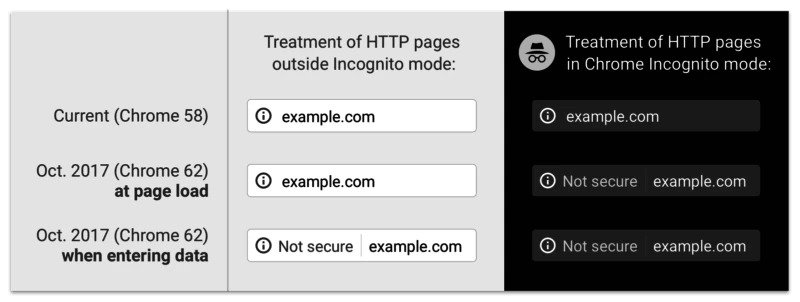
The adjustment period has come to an end with Google warning Chrome users when displaying pages that include forms from non-HTTPS sites: “Chrome will show the ‘Not secure’ warning in two additional situations: when users enter data on an HTTP page, and on all HTTP pages visited in Incognito mode.” This message will appear in url bar of Chrome browsers. comparison of treatment of https and https pages in chrome in incognito mode - brightedge

What is the difference between HTTP and HTTPS?

HTTP (Hypertext Transfer Protocol) is a structure for transferring and receiving information on the web, most frequently operated to retrieve HTML web pages. HTTP is considered an application layer protocol — it exists to present information to the web user no matter what channel it takes to do so. HTTP is stateless, which means it uses less data by forgetting earlier web sessions.

What does HTTPS stand for? HTTPS, or Secure HyperText Transfer Protocal, was established to sanction secured transactions and authorization over the web. Exchanging information, like credit card numbers or access, requires security to avert unauthorized entry through HTTPS. So what's the difference between HTTP vs HTTPS? HTTPS is HTTP — just the secure version. HTTPS follows the same protocols as HTTP — the browser begins a connection to a server on a standard port. The additional layer of HTTPS security uses Secure Sockets Layer, or SSL, to transport data. HTTPS exercises TCP Port 443 by default, so they use two separate communications. For a detailed walkthrough see our on-demand webinar on HTTPS vs HTTP for SEO.

Where Does SSL Come In?

HTTPS works simultaneously with another protocol, SSL (Secure Sockets Layer) to communicate information safely in three ways:

  • Encryption: Encrypting the transferred data for security
  • Data Integrity: Data cannot be altered or corrupted during transmission
  • Authentication: Users are authenticated to communicate with the website

http vs https best practices - brightedgeJust like HTTP and HTTPS don’t discriminate with the path that data takes to its destination, SSL equally doesn’t care how the data looks, but HTTP does. So how does it affect HTTP vs HTTPS? In between the two HTTPS presents the best of both worlds: the data is visually appealing to the user, and you’re getting the extra layer of security as the data moves.


What is HTTPS Used For?

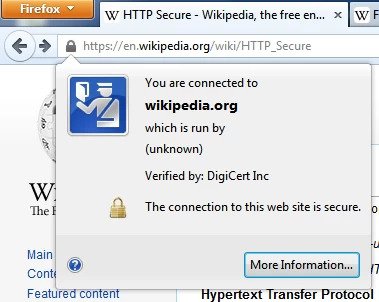
Since the key is search security, HTTPS has been used for any site involving secure information. It’s used for ecommerce sites to tender protected transactions. More than likely, your bank will use HTTPS to secure your personal information — easily recognized by the padlock on your browser. And as we’ll discover next, HTTPS is recognized and used as an SEO benefit to your secure site.

HTTP vs HTTPS: HTTPS as a Ranking Factor

Even years ago, research showed an increase in encrypted URLs. However, it wasn’t until the official announcement that we began to see sites affected by this factor. Considering their user-based algorithm updates, Google preference for trusted sites isn’t surprising. If users are guaranteed to have a secure site experience, the answer to HTTP vs HTTPS becomes simple — they will prefer HTTPS to HTTP.

SEO Advantages of Switching to HTTPS

If you’re following Google’s recommendations, deciding on HTTP vs HTTPS is also easy - switching to HTTPS will benefit you and the security of your site. There are also some additional SEO benefits for you to consider: Increased Rankings Not a major boost, but as part of an overall strategy with other ranking factors, it’s a safe bet. In addition, we usually see that the impact of Google’s recommendations and algorithm increase over time. Learn more about Google page rank. Referral Data If you’re exploring Google Analytics for your HTTP site, the traffic passing through referral sources can appear as “direct” traffic. Through an HTTPS site, the security of the referring domain is preserved. This makes the HTTP vs HTTPS decision even easier to make. Security and Privacy Security benefits your overall goals in a few ways:

  • Authenticates the website and server communication
  • Avoids damage by third parties
  • Encrypts data and communication, like browsing history and credit card information

So Are There Any SEO Concerns in Switching to HTTPS?

As with all major URL changes and site migrations, there is likely to be a disruption and loss of rank followed by a recovery in rank. There are little to no issues when switching to HTTPS, especially for SEO. But implementing the secure switch incorrectly can hurt your site and possibly your SEO and cause a sustained loss in traffic. Steps to Switch Google’s own recommendations are below:

    • Determine if you require a single, multi-domain, or wildcard certificate
    • Use 2048-bit key certificates to generate a Certificate Signing Request (CSR) on your webserver
    • Make sure to maintain a current SSL certificate
    • Use relative URLs for resources that reside on the same secure domain
    • Redirect to HTTPS pages by server-side 301 HTTP redirects (mod_rewrite is common)
    • Update your robots.txt to allow your HTTPS pages to be crawled
    • Check that your website returns the correct HTTP status code
  • Get and configure the required TLS certificates on your server

More from Google Support: Avoid irrelevant redirects

Don’t redirect many old URLs to one irrelevant destination, such as the home page of the new site. This can confuse users and might be treated as a soft 404 error. However, if you have consolidated content previously hosted on multiple pages to a new single page, it is acceptable to redirect the older URLs to that new, consolidated page.

Provide errors for deleted or merged content

For content on the old site that will not be transferred to the new site, make sure those orphaned URLs correctly return an HTTP 404 or 410 error response code. You can return the error response code at the source URL in the configuration panel for your new site, or you can create a redirect for a new destination URL and have that return the HTTP error code.

Ensure correct Google Search Console settings

A successful site move depends on correct — and up to date — Search Console settings. After the move, add the URL to Search Console. If you haven’t already, verify you own both the old and new destination sites in Search Console. Be sure to verify all variants of both the source and destination sites. For example, you should verify www.example.com and example.com, and include both the HTTPS and HTTP site variants if you use HTTPS URLs. Do this for both source and destination sites. Make sure to read our detailed how-to checklist for how to perform a successful HTTPS site migration.

The Takeaway

HTTPS will make your site more secure and Google is ramping up advocacy and signal weight for it. As always the majority of your decision should be based not on chasing algorithm changes, but on optimizing the needs of your business and improving your user experience. For a more detailed breakdown view our on-demand webinar on HTTPS vs HTTP for SEO.

Using SEO Optimization and Search Engine Marketing to Drive Success

enewton@brightedge.com
M Posted 9 years 7 months ago
t 9 min read

SEO optimization and search engine marketing are two terms that both fall under the heading of search marketing. They are two branches of the same tree in that they each work to engage users online and entice them to visit particular websites. SEM, however, focuses on paid advertising efforts and SEO optimization is organic.

Since there is considerable overlap in the goals between these two parts of search marketing, the two methods should be used to amplify each other. When used properly, they can each help to maximize the visibility they provide for the brand.

An estimated 85 percent of retailers say that search marketing, including both SEO and SEM, is the most efficient customer acquisition tactic. Many brands are noticing the value and importance of using these online methods to engage with users. Overall search spend has increased by 9 percent year over year, and about 50 percent of B2B and B2C brands plan to increase their budget for content marketing in the coming year.

The increased saturation in the online world means that for brands to compete, they need to find ways to maximize their usage of these strategies together. They want to leverage them together to see the true power of search marketing.

Recent SERP changes

It is important to take note of the recent changes Google has made to the SERP. A few months ago, marketers discovered that Google had eliminated the ads that once appeared along the right-hand side of the SERP. At the same time, they increased the number of ads above the organic results. Some queries now show as many as 4 ads before the start of the organic results, which then pushes the organic listings further down, in some cases nearly below the fold.

SEO optimization and SEM must work together with new SERP layout - brightedge

These changes mean that the top positions on organic are even more important, since they have the best chance of appearing above the fold. It also means that ads should be viewed as an even more essential part of an effective search marketing strategy. They provide an additional means of gaining attention on important queries.

How SEM and SEO optimization work together

Brands that leverage these two together have potential to drastically impact their brand growth.

The relationship between search engine marketing and SEO optimization has been a topic of considerable conversation over the years. Brands have wondered how having a paid ad and an organic listing for the same query impacted their results. Interestingly, Google decided to study this phenomenon and found that getting rid of paid ads would result in an 89 percent drop in clicks.

In other words, Google found that having an organic listing and a paid advertisement for the same query would help make the brand more visible and increase the chances of someone clicking on their organic listing. The impact is even more dramatic for brands that had organic results further down the list, but having organic ads even helps brands that have sites listed in the top organic positions. Brands can use this information to build a search marketing strategy that makes their site more visible for users.

How to succeed with SEO optimization and SEM

To properly leverage SEO optimization and search engine marketing together, brands need to develop a cross-channel marketing approach. Those who work with paid search and those who focus on SEO and content production must be able to work together to form a coherent web marketing strategy that builds up both sectors. As already explored, when they are able to work together, they can increase their overall success rate.

Step 1. Buyer personas and keyword research

Brands should begin by making sure that they have a thorough understanding of their key target personas. This includes their audience’s pain points, motivations, budgets, and position within their organization. The more information you have about your buyer personas, the easier it will be to appropriately target them and create web marketing content and advertisements that address their needs and engage them.

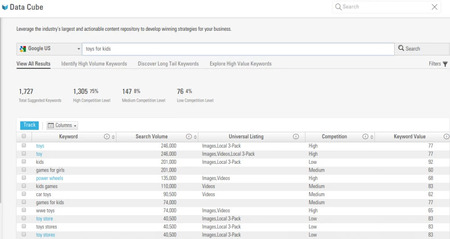
Follow up the outline of the buyer personas with keyword research. Use platforms, like the BrightEdge Data Cube, to begin developing a list of keywords that will interest your audience. Look at competition and search rates to get a better idea of how popular a particular keyword is and how hard it will be to get a strong ranking for it. Look at the top ten ranking pages for the keyword and see how well those pages fit with your intended audience. When you do find a good fit, seek ways that you can improve upon what is already created so that you can outrank the competition.

Take your SEO optimization and search engine marketing further with keyword research from brightedge

Step 2. Optimize your content for the keywords

Once you have your list of keywords that you want to target for your PPC and SEO common project, you then need to ensure that your target content is SEO optimized and prepared. When optimizing your content, make sure that you include the keyword naturally a few times in your content, but do not keyword stuff. Use some semantically related keywords throughout the content as well to show your depth on the subject. Develop a title, headings, a meta description, and alt tags that similarly include the main keyword naturally. Link your content to related pages within your website to demonstrate that this is a topic you are familiar with and that you have explored multiple times on your website.

Step 3. Create ads that add value for the user

Most marketers now understand that the goal of SEO optimization is not to keyword stuff the content or develop thin material that serves little purpose besides checking off a keyword list. Instead, brands aim to create material that adds value for the user. You should do the same with your search engine marketing. If you are creating ads for local searches, for example, remember that most people want to find phone numbers, addresses, or information about businesses carrying certain products. Reflect these desires in your ads the same way Google tries to answer them with the local 3-pack. Make sure your ad provides value for the user and does not just look like a piece of spam.

Maximize SEO optimization and SEM with ads that reflect user needs - brightedge

Step 4. Measure results

Once you have run your joint search engine marketing and SEO optimization campaign, you now need to measure your results including bounce rate. This will tell you how well your efforts performed. You want to look at a few main metrics, such as:

  • Your organic content rank and if the material drew clicks when the PPC ad was placed and when it was not
  • How well your PPC ad drew traffic
  • The traffic from each segment and how well the visitors engaged with the site and moved through the sales funnel.

Search marketing, including both SEO optimization and search engine marketing, is a critical component of engaging with online customers and drawing them into your brand. Understanding how to use these two functions together, however, can help brands digitally mature and see greater ROI from their digital marketing efforts.

request a demo

Webinar: Why Share16? Real Strategies & Success

A BrightEdger
A BrightEdger
M Posted 9 years 9 months ago
t 9 min read

Webinar: Why Share16? - August 17 at 10 AM PT / 1 PM ET

share16 webinar - brightedgeShare16, BrightEdge’s 6th annual digital marketing conference, is only 11 weeks away and shaping up to be the best one yet. In an upcoming webinar, we will give you a sneak peek into the latest Share16 updates and why you need to attend and what’s new this year.

You’ll learn about the incredible value you get from being a part of this Forbes and Inc. Magazine top rated event - you won’t want to miss out!

We will discuss how our approach is very different than other events in a number of ways, all leading to a better attendee experience.  This includes the sessions, speakers, and networking activities at the conference.

share16 webinar for attending the event - brightedgeHigh Quality Content

You will learn how we select session topics around the most pressing issues facing digital marketers, how we find marketers from top brands to speak at our conference, and how we work with them to deliver great presentations full of actionable takeaways.  Our sessions are full of the highest concentration of search, content and digital brand marketers and industry thought-leaders who enjoy presenting high quality content uniquely crafted to ensure real value from Share16.

What’s New?

We’ll also discuss major upgrades we’ve made to make the event more fun and provided creative ways to help attendees interact with each other.  Share16 attracts the best digital marketing teams from leading brands, most of whom want to meet and learn from others facing similar challenges. Our enhanced networking party will have delicious food and drinks, along with a number of fun game-like activities that will make it easier to meet new people and form lasting connections.  We even added a special cable car bus tour of San Francisco with lunch served, for those taking the full day of BrightEdge University training on Monday. Share16 will have a new mobile event app - you’ll be sure to leave Share16 feeling connected, inspired, and ready to tackle marketing challenges to elevate your performance.

This webinar will be full of exciting information about Share16 and how the conference will help you grow in your career and accelerate your business.

Register for the Share16 webinar!

,