マイクロモーメントと新たなカスタマージャーに対する理解【BrightEdge 2016年2月9日】

新たなカスタマージャーニーを把握するためには、マイクロモーメントをしっかりと理解することが欠かせません。マーケターが消費者に対して適切にリーチを広げるためには、各種あるマイクロモーメントを理解し、顧客が何を求めているのかをうまく予想することが重要になります。

マーケターが自社のマーケティングや販売のプロセスを最適化するためには、顧客が販売ファネルをどのように移動していくのかを把握する必要があります。これらのプロセスをより詳しく把握していればいるほど、顧客へのリーチの届き具合もより詳細に把握することができます。またこのプロセスを理解することによって、顧客が最終的に何かを購入する前に経験する意思決定のプロセスに対する理解も深まります。

以前は、カスタマージャーニーとは直線的なイメージで比較的わかりやすいものでした。顧客は予測できるような段階ごとのプロセスを追うため、マーケターは各段階における成功度を測ることができ、それを参考にして自社の弱みと強みとは何かを把握することができました。しかしこのようなカスタマージャーニーは大きく変化し、現在では全く異なるモデルに進化してしまいました。
As the customer journey becomes disrupted we need understanding the micro-moment

以前のカスタマージャーニーはバラバラになり、何が消費者の購入につながるのか理解するのが急に難しくなってしまいました。デジタルマーケティングは現在ではとりわけ新しい業界ではありませんが、業界のベテラン マーケターにとっても、なにが顧客に対するリードや販売につながるのか理解が難しくなっています。

カスタマージャーニーが変化したことによって、マーケターはパフォーマンスの傾向を把握するために各種様々なメトリックを参照しなければならなくなりました。例えばエンゲージメントの高いトラフィックをもたらす広告の種類や、実際に商品を購入してみようと思わせるようなキーワードの種類などを明らかにすることが必要になります。業界では、カスタマージャーニーは以前のような直線形のモデルではなくなってしまったという事実が徐々に広まっていきました。現在のカスタマージャーニーは、様々なモーメント(瞬間)で構成され、そのモーメントも以前とは異なりいつどのような順番で起こるのか予想できるものではありません。このような変革が起こったのは、顧客が企業側とオンラインでやり取りする方法が変わったことが原因だと考えられています。現在では顧客が主導権を持って企業とやり取りします。顧客が企業に直接問い合わせることができ、またソーシャルメディアを活用することによって他の顧客と自分の意見やレビューについて共有することも簡単です。さらにコンピュータで少し検索すると、数ある選択肢の中から自分の問題を解決する方法を見つけることができます。

企業が顧客のニーズを満たすためには、様々なチャンネルを活用したマーケティングの手法をとる必要があります。これによって、顧客が用いているデバイスの種類や現在カスタマージャーニーのどの段階に居るのかなどの要因に関係なく、どんな顧客とも関係を構築することが可能になります。マイクロモーメントを理解することによって、企業の戦略を強化することができ、結果的に利益を伸ばすことができます。アメリカの小売店を対象にした調査によると、どのデバイスでも参照できるデータを用いることによって、コンバージョンに16%の増加が見られたことが明らかになっています。この戦略を実際に取り入れるためには、企業は以下に紹介する項目について理解する必要があります。

マイクロモーメントを理解する

マーケティング戦略を適切に立て、新たなカスタマージャーニーにおける顧客にリーチするには、マイクロモーメントを考慮することが欠かせません。マイクロモーメントとは、顧客が何かを欲している時に経験する瞬間を指します。Googleはマイクロモーメントを主に4種類に分類して紹介しています。

  • 「行きたい(I-want-to-go)」モーメント
  • 「知りたい(I-want-to-know)」モーメント
  • 「したい(I-want-to-do)」モーメント
  • 「買いたい(I-want-to-buy)」モーメント.

Googleは企業を対象にこれらのマイクロモーメントを自社のマーケティング戦略に組み込むことを推奨しています。 Googleが発表した報告書によると、スマートフォンユーザーの約3分の1が、訪れたサイト/アプリに自分の求めていた情報がないため、他のサイト/アプリを訪れた経験があると答えています。また半数以上のスマートフォンユーザーが、元々特定の企業と取引しようと思っていたものの、他社に有益な情報を提供してもらえたことが原因で、他社から商品やサービスを購入したことがあると答えています。これらのマイクロモーメントはオフラインでの購買行動にも影響を及ぼします。顧客の約87%が店舗に足を運ぶ前に何らかの調査を行っており、各種マイクロモーメントを経験している間にユーザーがアクセスする情報は、どの店舗で何を購入するのかに影響を与えます。したがって、マイクロモーメントを経験している顧客に適切な情報を提供することができれば、結果的に利益をもたらすことができるわけです。

様々なデバイスを用いている顧客を対象にマーケティングを行う

企業がマイクロモーメントを適切に理解するためには、各マイクロモーメントで顧客を引き付ける可能性の高いコンテンツの種類を明らかにすることが必要です。

「行きたい(I-want-to-go)モーメント

Understanding the micro-moment I-want-to-go
このマイクロモーメントでは、顧客はどこか特定の場所に行くことに興味を持っています。したがって、マップや住所、ロケーションに関係するその他の情報など、ユーザーが目的としている場所にたどり着くために必要な情報がコンテンツとして求められています。


「知りたい( I-want-to-know)」モーメント

このモーメントを経験している顧客は、何らかの製品やサービスを購入するというよりも、何かについての情報を得ることに興味を持っています。何かに対して理解を深めたり、何かに関する提案を得たりするために役に立つコンテンツを求めているわけです。したがって、商品やサービスを販売するページではなく、ブログの投稿記事や動画、自分の求めている情報が明らかになるようなその他のコンテンツを求めているのです。

「したい(I-want-to-do)」モーメント

「したい(I-want-to-do)」モーメントを経験している顧客は、自分が成し遂げたいことに対して何が必要なのかがはっきりしており、それを実行するために役立つコンテンツを求めています。例えばハウトゥー(How-to)ものの動画や何かの手順を説明するブログ記事や画像、レシピ、ユーザーの目的を達成するのに役立つその他の情報などが求められています。

「買いたい(I-want-to-buy)」モーメント

このモーメントを経験しているユーザーは、実際に何かを購入する段階にあります。ユーザーが求める製品をオンラインで素早く購入するために役立つ割引キャンペーン、クーポン、オプションなどや、最終的にユーザーが製品を購入する後押しをする情報などが求められています。
Understanding the micro-moment, I-want-to-buy

新たなカスタマージャーニーにおける顧客を対象に、企業が適切なマーケティングを展開するためには、どのマイクロモーメントにおいても顧客が興味を持つようなコンテンツを作成することが必要になります。そのためには、その他のマイクロモーメントやユーザーのユニークなニーズにも対応できるような各種様々なマテリアルを作成することが必要です。上記のマイクロモーメントが自社の顧客にどのように関連するのか、また各モーメントにおいて顧客は何を求めるのかを考えてみましょう。

2017年のマーケティングで成功を収めるために必要な5つのステップ

Step 1.
顧客が興味を持つようなキーワードを明らかにしましょう。自社サイトの顧客層や顧客のパターンを明らかにし、比較分析を実施しましょう。また自社業界内でのトレンドを明らかにして顧客がどのような情報を求めているのかを把握することが必要になります。

Step 2.
キーワードを明らかにしたら、各キーワードがどのマイクロモーメントにぴったりあてはまるのか考え、各モーメントを経験しているユーザーの期待に応えるようなコンテンツの内容を考えてみましょう。Googleはマイクロモーメントという概念を推し進めており、ユーザーのマイクロモーメントに合わせて検索結果ページに表示する内容を変えています。特定のキーワードを検索した際に検索結果ページで上位に表示されているコンテンツの種類を見ることによって、ユーザーが何を求めているのか把握することができます。BrightEdgeのプラットフォームでは、消費者が何を求めているのかを明らかにすることができるインテント シグナルという機能をご利用いただけ、特定のキーワードと関連のあるマイクロモーメントを理解するために役立てることができます。

Step 3.
ターゲットとする顧客のニーズを満たすようなコンテンツを作成しましょう。各種様々なマテリアルを作成することによって、各マイクロモーメントを経験している顧客にはっきりとした価値をもたらすことができます。また顧客がどんなデバイスを使っていてもコンテンツにアクセスできるように準備するように心がけましょう。モバイルを対象とした最適化のベストプラクティスも是非参考にしてください。

Step 4.
進捗状況を測定しましょう。コンテンツの作成/リリースが済んだら、マテリアルのパフォーマンス状況を注意深く観察することが必要です。エンゲージメントに関するメトリックを参照して、ユーザーがコンテンツを参照している程度や、そのコンテンツに対してユーザーがどのような反応をとっているのかを明らかにしましょう。コンバージョンや収益にどのような影響があるのか見てみるのも良いでしょう。

Step 5.
引き続きマーケティング戦略に磨きをかけ、効率や効果をさらに高めましょう。ステップ4で紹介したパフォーマンスに関するメトリックや、その他の競合分析データ、トレンドなどを参考にして、マイクロモーメントや新しいカスタマージャーニーに適切な対応ができるよう、自社のマーケティング戦略の改良を続けましょう。

マーケターにとって、自社サイト上で顧客がコンバージョンに至るまでどのような動きをとるのか顧客の動向を把握することは非常に重要な意味を持ちます。カスタマージャーニーが直線形からより断片的でランダムなモデルに変化したことによって、これを把握することも非常に難しくなりました。そこでマイクロモーメントを理解することによって、対象とする顧客にうまくアピールすることが可能になり、マイクロモーメントを意識したコンテンツを作成することができます。2017年のSEOで成功を収めるためには「マイクロモーメントに対する理解」が重要な鍵となるでしょう!

ブライトエッジブログ記事一覧

Googleのインタースティシャル広告に対するペナルティー:企業への影響と把握しておくべき事柄(Erik Newton 2017年1月23日)

最近Googleはインタースティシャル広告に対するペナルティーを自社が開始したことを発表しました。SEO業界関係者ならば、このペナルティーの詳細や、この導入によってGoogleが何を目指しているのかなど、この件に関する最新情報をしっかり把握している必要があります。


Googleは昨年夏頃に、Webサイトのコンテンツの上を大きく覆うインタースティシャル広告に対するペナルティーを近々導入する予定であることを発表しました。2015年のモバイルフレンドリーに関するアップデートと同様に、このペナルティーはユーザー エクスペリエンスを高めることを目的としており、Webサイトの運営者にとっては自社サイトへのトラフィックやランク状況を悪化させる前に修正作業を行う機会が与えられたわけです。インタースティシャル広告は小さなスクリーンではより邪魔になりますので、ある意味ではこのインタースティシャル広告に対するペナルティー導入はモバイルファーストと関連しているともいえるでしょう。

インタースティシャル広告とは?

インタースティシャル広告とは、サイトにユーザーが訪れた時、ユーザーが見ようとしていたコンテンツを覆う形で表示される広告のことを指します。ページ上にあるコンテンツを覆っていますので、ユーザーの目はすぐに広告に向けられることになります。通常はユーザーが広告をスキップする選択肢があるか、カウントダウンが表示され、カウントダウン終了後に自動的に元のコンテンツに自動的にリダイレクトされる仕組みになっています。

インタースティシャル広告はサイト上でどのように使用されているのか?

インタースティシャル広告は、ユーザーの注目を広告マテリアルに集め、レスポンスを高めることができるため、サイト運営者にとっては魅力的です。インタースティシャル広告が表示されている間は広告がスクリーンの大半を占めるわけですから、多くの企業にとっては好ましい結果をもたらすものとしてインタースティシャル広告に注目しているかもしれません。

世界的に見ても、インタースティシャル広告は結果を残しています。ある報告によると、インタースティシャル広告を利用している複数の企業が好ましい結果を残すことができたと答えています。例えば、あるホテルチェーンでは動画再生回数が25倍に成長し、あるゲーム開発企業ではコンバージョンが7倍に増加しました。中国系の企業であるAppfloodによると、 モバイル広告収入の70% がインタースティシャル広告によるものであることが分かっています。しかし、Googleがインタースティシャル広告を利用するサイトにペナルティーを課すことになれば、この広告形態の利点や価値は下がっていくと考えられます。

WhosampledというWebサイトを見てみると、典型的なインタースティシャル広告の例を見ることができます。サイトを訪問すると、サイトが提供するアプリのダウンロードを勧める広告が表示されますが、その広告がスクリーンの大半を覆っているため、元々ページに表示されているコンテンツを見たいだけのユーザーにとってはナビゲートに支障が出てしまうわけです。

What to avoid for the Google interstitial penalty

Googleのインタースティシャル広告に対するペナルティー

Googleは、ユーザーにとって’邪魔な’インタースティシャル広告を使用するWebサイトを対象にペナルティーを付与することを計画しているとWebサイト開発者に警告的メッセージを発表しました。ユーザーが見ようとしているコンテンツアえのクセスを邪魔するインタースティシャル広告があるサイトのランキングを下げる可能性があるとGoogleは明らかにしました。Googleは具体的にペナルティーの対象とするインタースティシャル広告の種類をリストアップして説明 しました。

  • ユーザーが検索結果ページから該当ページを訪問した直後やページを閲覧している間に主なコンテンツを覆うポップアップが表示されるサイト
  • 主なコンテンツにアクセスする前にユーザーが「スキップ」などをしなければ取り除くことができない独立型のインタースティシャル広告が表示されるサイト
  • ページのアバブ ザ フォールド(ファーストビュー)に独立型のインタースティシャル広告と同じようなものが表示され、元々ユーザーが見ようとしているコンテンツはその下に表示されているサイト

Googleは以下の画像を用いて、ペナルティーの対象となる広告の種類を説明しました。

Avoid the Google interstitial penalty

Googleの発表で用いられた画像

Googleは同時にペナルティーの対象とならない広告の種類についても説明しました。

  • Cookieの使用や年齢確認など、法的責任の一環で表示するインタースティシャル広告
  • サイトにログインするためのダイアロボックスなど、インデックスできないコンテンツ。(例)電子メールやペイウォールに関係するその他のインデックスできないコンテンツなどのプライベート コンテンツ
  • スクリーンを覆うスペースが適切で、簡単に取り除くことができるバナー広告。(例)SafariやChromeが表示するアプリのインストールを促すバナー(スクリーンを覆うスペースが適切)

ads that will not be penalized with the Google interstitial penalty


Googleの発表で用いられた画像

このペナルティー付与は2017年1月10日に開始されましたが、この変化がサイト ユーザーにどのような影響を与えているのか既に明らかになってきました。特定のサイトでは、このペナルティーの導入によって深刻な影響を受け、ランキング状況が顕著に悪化し、ペナルティーが課されたサイトのなかにはモバイル版検索結果ページで最大10位程度のランク降下を経験しているケースも報告されています。業界関係者の間では、このペナルティー導入は徐々に広まっているため、現在は影響を受けていないサイトでも、今後影響が生じる場合もあります。

Googleのインタースティシャル広告に対するペナルティーは企業にとって何を意味するのか?

ペナルティーの対象となるような広告を使用していない企業も含め、各企業はこのアップデートが実施される上でGoogleが何を目指しているのかをしっかりと認識する必要があります。 モバイルファースト インデックス の導入やAMP対策の拡大など、Googleはモバイル端末を意識したユーザー エクスペリエンスに注目しています。この背景にはGoogleがモバイル端末を用いているユーザーのエクスペリエンスをシームレスなものにすることを目指していることがあります。インタースティシャル広告はコンテンツにアクセスしようとしているユーザーにとって邪魔な存在で混乱の元になりますので、ペナルティーが課されることになったのです。Googleは今後もモバイルのユーザー エクスペリエンスを高めようと様々な試みを続けることが考えられますので、企業はいかにユーザー エクスペリエンスを高めることができるのか引き続き取り組みを続ける必要があります。

BrightEdgeプラットフォームを利用するユーザーならモバイル版ランキングやトラフィックを簡単にトラックすることができます。このアップデートの導入後これらのパフォーマンスにどのような変化が見られるのか引き続き注目することをお勧めします。たとえインタースティシャル広告を利用していない場合でも、競合他社にペナルティーが課された結果自社のトラフィックが増加していることに気付くかもしれません。

インタースティシャル広告を対象としたGoogleのペナルティー付与はすでに開始されていますので、各企業は、最新のレコメンデーション(推奨事項)に従って作業をすることが重要になります。これを受けて弊社では、お客様のマーケティング戦略を最適化する方法をさらに追及し、Googleが実施するアップデートに関する最新情報について引き続きお知らせいたします。

ブライトエッジブログ記事一覧

Thank you for registering for this webinar. Access the assets by clicking on the link below. For more information, please visit our resource center or schedule a demo.


Download the on-demand video here


For more information, please visit our Resource Center and read our Case Studies.

The Rise of Modern Marketing, Strategies and Tech for a Transformation

BrightEdge and Oracle discuss modern marketing transformation and the customer journey

The Rise of Modern Marketing, Strategies and Technologies for a Successful Transformation

Joyce Boland, VP of Marketing at Oracle and Kelvin Gee, Sr. Director of Oracle will discuss modern marketing transformation and the customer journey. Marketing at a Crossroads: The Rise of Modern Marketing, Strategies and Technologies for a Successful Tra

Available on demand now.


Marketing at a Crossroads: The Rise of Modern Marketing, Strategies and Technologies for a Successful Transformation to Modern Marketing


Join us for our continuing Bright Ideas Webinar customer series. Joyce Boland, VP of Applications Marketing at Oracle and Kelvin Gee, Sr. Director of Modern Marketing Business Transformation at Oracle will discuss modern marketing transformation and the customer journey.


They will introduce some new concepts, like how attention is the new oil, the infinity loop customer journey, and that customer experience must be the focus of marketing.


In addition to their compelling content, BrightEdge will also be showcasing some brand-new technology to help marketers succeed at digital transformation.


Understanding the Customer Journey's Micro-Moment | BrightEdge

A BrightEdger
A BrightEdger
M Posted 9 years 8 months ago
t 9 min read

Understanding the micro-moment has become the cornerstone to the modern customer journey. For marketers to accurately reach their consumers, they must be able to interpret these moments and anticipate what visitors want to see.

For marketers to optimize their marketing and sales process, they need to track how people move through the sales funnel. The greater the insight they have into this process, the easier it is to gauge how well they reach their customers. They also gain a better understanding of the decision-making process that their customers go through before they make a purchase.

As the customer journey becomes disrupted we need understanding the micro-moment - brightedge

In the past, this journey used to be linear and relatively straightforward. People followed a predictable step-by-step process that allowed marketers to measure their success at each stage and therefore understand their weaknesses and strengths. This has changed, however.

The customer journey has splintered and it has become increasingly difficult to understand what triggers purchases. Even though digital marketing is no longer a new industry, it remains challenging for many -- even seasoned marketers -- to understand what triggers a lead or sale and understanding the micro-moment.

Instead, marketers must look at a variety of metrics to try and find certain behavior patterns, such as ads that bring in more engaged traffic or keywords that attract more people interested in making an actual purchase. It has become clear to those in the industry that the customer journey no longer follows a straight path. It is now a series of fragmented moments that do not always occur in a predictable order or timetable.

This is the result of the transforming way that customers interact with brands online. They now control these interactions. They can reach out to brands directly, easily share their opinions and reviews with others through social media, and they can investigate a plethora of options to solve their problem with just a few searches on the computer.

For brands to meet the needs of these customers, they must be willing to use cross-channel marketing that empowers them to build bonds with customers no matter the device they use and where they are on the customer journey. Understanding the micro-moment will enhance brands' strategies and result in greater returns for brands -- US retailers see a 16 percent increase in search ad conversions when they use cross-device data. Here is what brands need to know about putting this strategy to work for them.

Understanding the micro-moment

To build a successful marketing strategy and reach consumers on this modern customer journey, understanding the micro-moment is important. These high-intent touch points occur when customers have an immediate need that they want addressed.

Google has been increasingly encouraging brands in understanding the micro-moment and taking them into account throughout their marketing strategies. A paper the company released stated that nearly a third of smartphone users switched to another site or app because the original one did not meet their needs.

More than half of smartphone users have also made purchases from brands other than their intended company because of the usefulness, or lack thereof, of the information provided. These micro-moments also impact purchases made offline.

An estimated 87 percent of customers do research before entering a store. As a result, the information people access during micro-moments on their devices impact where they shop and what they buy. The ability of brands to serve customers during their micro-moments impacts the bottom line.

Marketing to customers in the micro-moment across multiple devices

Brands that want to succeed with understanding the micro-moment must also know the types of content that are most likely to attract consumers throughout the various touch points.

Google has divided micro-moments into four main categories:

  • I-want-to-go moment
  • I-want-to-know moment
  • I-want-to-do moment
  • I-want-to-buy moment

1. The I-want-to-go moment. During this particular micro-moment, customers are interested in going to a particular place. Content that provides them with information about how to get to the desired location, such as maps, addresses, and other location-specific information will be the most helpful.

2. The I-want-to-know moment. Customers in this micro-moment are more interested in information than making a purchase just yet. They want to find content that helps provide them with insight and suggestions. These customers are not interested in finding a sales page, they want blog posts, videos, or other types of helpful content that provides them with the information they need.

3. The I-want-to-do moment. Customers interested in the I-want-to-do moment  have a particular task in mind that they want to accomplish, and they want to see content that guides them. This could include material such as how-to videos, instructional blog posts and images, recipes, or similar content that helps the visitor achieve their goal.

4. The I-want-to-buy moment. During this particular micro-moment people prepare to make a purchase. They want to hear about deals or coupons, options to buy their desired items online quickly, and any information that would be helpful to them as they finalize their purchase decision.

For brands to effectively market to people across the new buyer’s journey, they need to create the content that their target personas will appreciate throughout the different micro-moments. This requires creating a variety of different types of material that addresses the different micro-moments and the unique needs that people have. Think about how each of these touch points relate to your customers and what they might look for at each moment.

5 steps to successful marketing in 2017

  • Identify the keywords that interest your customers
  • Align content to the micro-moments
  • Create content that addresses the needs of your targeted customers
  • Measure your progress
  • Continue to refine and improve your strategy

1. Identify the keywords that interest your customers. You need to look at consumer patterns on your website, do competitive analysis, and monitor trends within your industry to gain a better understanding of what customers want to read.

2. Align content to the micro-moments. Once you have identified your keywords, determine the micro-moments that these terms most closely align with and the types of content needed to address people in those moments. Remember that Google is heavily invested in the micro-moment and thus works to tailor the SERPs to the micro-moment of the customer.

Looking at the types of content that appear most prominently on the SERP for a particular term or phrase will provide you with insight into the user’s likely intent. The BrightEdge platform also provides you with clear intent signal functions to help you understand the micro-moment you must cater to with a particular keyword.

3. Create content that addresses the needs of your targeted customers. Create a variety of types of material so that you offer clear value for people across the variety of touch points. Also make sure that your content is ready for users regardless of the device they use to access it. This means employing mobile-optimization best practices.

4. Measure your progress. As you develop and publish your content, you want to carefully track how that material performs. Look at engagement metrics to see how well people find your content and how much they interact with it. Look at its impact on your conversions and revenue.

5. Continue to refine and improve your strategy so that it becomes more effective and efficient. Use the insights from your measurements as well as regular competitive analyses and trend monitoring to continue to improve your marketing strategy for the micro-moments along your modern buyer’s journey.

Marketers need to be able to track how people progress towards conversion on their websites. Since this journey has been fragmented, however, it has become significantly more challenging.

Understanding the micro-moment has become critical for brands so they can impact their ideal personas, and create content that maximizes the use of these touch points. This will be your key to successful SEO in 2017.

request a demo

How Google's Changes Impact Your Local Search Strategy

enewton@brightedge.com
M Posted 9 years 8 months ago
t 9 min read

Google's changes to the SERP for local-related queries impacts how brands effectively boost their visibility online with a local search strategy. We want to draw your attention to some of the recent adjustments seen in the ad portrayal on local search so you can adjust your local search strategy accordingly. Local search strategy comprises a critical segment in the marketing for many businesses. It impacts both in-person commerce and e-commerce significantly. A huge 78% percent of local-mobile searches result in offline purchases and 50% percent of mobile visitors will visit stores within one day. Given the significance of search in the success of local businesses, when Google makes changes to the SERP for local search, brands need to prepare themselves and make the appropriate adjustments to their local search strategy so they can continue to have the rankings and visibility they need to grow their business.

Google’s experiments with ads in local search

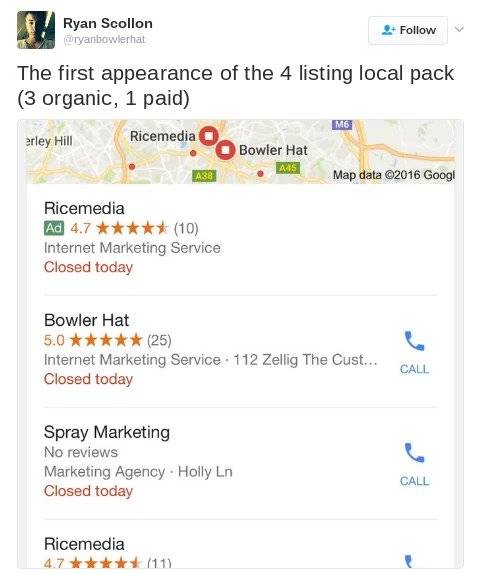
Over the past few months, we have seen some experimentation from Google on the use of ads in local search. We had heard rumors that Google intended to start using ads in the local 3-pack, but we did not know exactly how the search engine planned on combining organic and paid results on the local pages. Last summer, people first spotted a local search pack that had one ad followed by 3 organic listings.

Enhance your local search strategy by watching ads in the local pack, BrightEdge

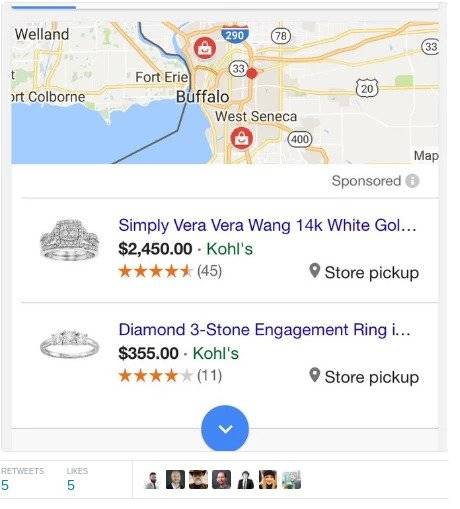
A few months later, in January, reports also emerged that Google shopping ads were appearing for purchase-related local queries on mobile.

Understanding the relationship between PPC and SEO for successful local search strategy, BrightEdge

In both examples, however, these ads have not been replicated everywhere and do not seem to be widely used, yet. These changes have been significant because customers do pay attention to ads when they make local searches - 60 percent of customers say that they have used information provided in ads. The increasing prevalence of ads in local search means that many companies will need to make adjustments to their local search strategies to maximize their ability to attract customers interested in patronizing their stores.

How Google’s new ads impact local search strategy

Given that such a significant portion of customers say that they pay attention to the information in ads for local search, it makes sense that this segment of optimization has been the subject of experimentation. This is all a part of Google’s trend towards ad visibility. We all remember Google’s changes to the SERP layout at the beginning of last year, when they increased the number of ads along the top of the results page while eliminating the ads that were once along the side. For many queries this change means that minimal organic results, and sometimes none at all, appear above the fold. Thus, brands need to pay closer attention to the intersection between PPC and SEO. Do not view hybrid marketers as a nice-to-have, but rather as an essential resource of the marketing team.

Using systems, like the BrightEdge platform, brands can quickly uncover which keywords that relate to their business have local 3-packs. They can also research the level of competition and the average search rates for these local results, empowering them to improve their targeting so they can focus their local search strategy on the terms that will provide the most return. Brands can use their PPC and SEO together to better target these important keywords. Since ads are incorporated closely into the standard local results, focusing your PPC efforts on the keywords that have high significance for your brand, but that you do not have the ranking you need, can help you gain the visibility necessary.

To maximize your opportunity, you should also pay close attention to how Google structures the local 3-pack. Google displays the information that customers want to find when they make a local query. Model your ads to include the same valuable information, such as hours, address, and phone number. This can help boost engagement with your visitors by ensuring that people have access to the information that they need and expect when they make a local search. Note also that when we first started hearing the rumors about the introduction of ads into the local SERPs, many marketers thought that we would see a 2-pack plus one ad. Although Google still seems to be in the early stages of introducing ads into local search, right now we are still seeing three organic slots open. This means that brands cannot neglect their standard local search strategy.

Brands that want to grow in local search need to focus on building their Google business page, including adding clear, appealing images, and by cultivating reviews. You also want to pay close attention to your Name, Address, and Phone Number, or NAP, as this has been shown to have a sizable impact on your rankings within Google. For more tips on optimizing for local search, visit NAP and Local. As you build your local search strategy with both organic and paid search, you want to make sure you continue to monitor your progress to make sure that you use your resources effectively. BrightEdge offers you measuring capabilities to ensure that you can look at your performance on a local level. See your rankings improve with local search optimization and monitor keywords in specific geographic areas to ensure your efforts match the needs of your local consumers.

Google continues to experiment with the SERPs to better serve the end user, and this includes their efforts to balance both paid and organic results. They have been experimenting recently with including ads in certain local searches, which is a trend that cannot be ignored by brands interested in developing a strong local search strategy. At BrightEdge, we will continue to help you remain on top of the latest developments and how you can use the platform to maximize your performance in the face of the ever-changing industry. 

モバイルファーストなデジタル エクスペリエンスを理解して成功を収める (BrightEdge 2017年1月18日)

モバイルファーストなデジタル エクスペリエンスはマーケティングで成功を収める上で欠かせない存在になりました。現在では、ユーザーはデスクトップよりもモバイル端末をより頻繁に使用するようになっており、顧客のライフサイクル全体におけるモバイル端末の役割がより重要になっています。この記事ではマーケターなら熟知しておくべき内容をご紹介します。

2019年までにモバイル用広告宣伝費は1,955.5億ドルに成長し、モバイル用広告はデジタル広告全体の70.1%を占めるようになるだろうと予測されています(Venture Beat)。現在の時点でオンラインでの
Understand the mobile-first digital experience
購買行動のうち約34%はモバイル端末で行われていることが明らかになっています。モバイルファーストなデジタルエクスペリエンスというものが生まれ、オンライン業界の形態を大きく変え始めていることは間違いありません。この新たな誕生によって、従来のカスタマージャーニーは完全に当てはまらなくなり、企業は顧客の取り込み方や取引の仕方を適切に修正しなければならなくなりました。

「何かを知りたい、何かを買いたい、何かをしたい、どこかへ行きたい」などの具体的な目的を持ち、デバイスを使って顧客が何を探そうとしているのかを表す「マイクロモーメント」という概念が、顧客と企業とのやり取りの方法に大きく影響を与えています。モバイル文化においてこのような変化が生まれたことによって、SEO対策も同様に変わることを余儀なくされました。結果的にマーケターは今まで以上に顧客について詳しく理解することが必要になり、カスタマージャーニーを左右するようなマイクロモーメントをユーザーが経験する時に、読み手にとって魅力的な価値あるコンテンツ作りの重要性が高まっています。

モバイルファーストなデジタル エクスペリエンスが台頭した経緯

モバイルファーストという考えを目指す動きは、過去10年の内で急速に成長し、とりわけ過去3年のうちにその動きは爆発的に加速しました。

今からさかのぼること約7年。2010年2月初旬にEric Schmidt氏は初めて「近い将来にモバイルファーストな世界が生まれる」と予測しています。2014年には、マーケティング業界全体で彼の予測がいかに正しかったのか、さらにそれがいかに実現に近づいているのかを痛感させられました。

2014年にGoogle はモバイル ユーザービリティー レポートを同社のウェブマスター ツールに追加し、ユーザーはモバイル用に最適化したサイトに関するより詳しい情報をトラックすることができるようになりました。同時期に、サイトをモバイルフレンドリーにすることによって、トラフィック数を最大で200%拡大できるとマーケターの間で広まっていきました。

その直後にGoogle では、検索結果ページのサイトの隣に巣にペットを表示し始め、どのページがモバイルフレンドリーなのかが分かるようになりました。

The early stages of the mobile-first digital experience

スニペットの導入によって、サイトをモバイルフレンドリーにするために対策を行った企業に対して「このサイトはデスクトップユーザーだけではなくモバイルユーザーのことも考慮している」という具合に好意的な注目が集まるようになりました。さらに、近い将来にモバイル用の最適化作業を行っているかどうかをGoogleが評価の対象として参照するだろうという可能性が濃厚であるとSEO業界で考えられるようになりました。

翌年である2015年には、モバイルフレンドリーに関するアップデートが実施されました。同年2月にモバイルフレンドリーに関するアップデートについて事前に発表され、4月に実際に導入が開始されました。導入開始前にGoogle がアップデートについて発表したという異例の行動を見ると、Google がこのアップデートをいかに重要視していたのかが分かります。これまで他のアルゴリズムに変更があった際にはこのような事前発表はあり得ませんでしたが、今回に至ってはサイトにペナルティーを与えるアップデートが開始される前に各サイトにエラーがないかを点検し適宜修正する機会が与えられたのです。つまり、今回のアップデートは、すべのてサイトにおいてユーザー エクスペリエンスを高めることを目的にしていることが分かります。

2015年後半には、Google はマイクロモーメントという考え方の普及を推し進め、AMPのマークアップが導入されました。

昨年2016年には、モバイル デジタル マーケティングの発展がさらに躍進しました。2016年2月に、AMPのニュース専用カルーセルが導入され、同年秋頃には、 AMPはニュース関連サイトのみに限定されるものではなくなり ました。年末には、 モバイルファースト インデックス について発表し、新アルゴリズムのデザインを試験的に導入していることを明らかにしていました。

消費者や検索アルゴリズムがモバイルファーストなデジタル エクスペリエンスにむけて移行するスピードは高まっており、各企業が成功を収めるためには、その変化に合わせてユーザーの意図やニーズに対する理解を深めることが必要不可欠です。

モバイルファーストなデジタル エクスペリエンスにむけて企業はどのような準備が必要なのか?

モバイルファーストなアルゴリズムが近い将来導入されることを考慮して、各企業にとってまず必要なのは、 Google が提案した推奨事項を見直してみる ことです。

また、モバイルで成功を収めるためには、オンページ要因の最適化以上のことが求められることを覚えておきましょう。BrightEdge が行った独自調査によると、モバイル版のGoogle の検索結果のうち73%がデスクトップ版の検索結果と異なっていることが分かっています。モバイル専用にどのような最適化作業が必要なのか企業が把握していることはもちろん重要です。しかしそれだけではなく、マイクロモーメントをいかにモバイルやカスタマージャーニーに取り入れ、検索結果ページでのランク状況を改善するかを考えていくことが重要になります。.

今日のカスタマージャーニーには、数えきれないほど多くの接点(タッチポイント)があります。今日のカスタマージャーニーには従来の直線的なモデルはもはや当てはまらず、各種モーメントが様々なデバイスごとにランダムな順番で起きるという状態に変わったのです。

You need insight for the mobile-first digital experience

上記のようなマイクロモーメントをしっかりと理解し、マーケティング戦略に組み込むことができれば、企業と顧客の間の関係もより強いものとなるでしょう。

業界で起きているこの大きな変革を最大限に活かすために、企業には以下のような事柄が求められます。

  • インテント シグナルを理解し、注意を払う。
  • 顧客が使っている端末ごとに、どのようなコンテンツが好まれる傾向にあるのかを把握する。
  • マイクロモーメントを意識してコンテンツを最適化する。
  • 結果を測定(トラック)する。

モバイルやマイクロモーメントが顧客のユーザー エクスペリエンスに与える影響の大きさを理解するために、1つ興味深い例をご紹介します。 顧客の51% が新しい企業や製品を見つけるために様々な端末を用いると答えている中で、スマートフォン ユーザーの69%が、購買行動をとるなら、自分が抱いている疑問や問題に簡単に応えてくれるようなモバイルサイトがある企業を選ぶと答えているのです。

モバイルやマイクロモーメントは、ローカル検索でも重要視されます。Googleによると、ユーザーが「この近く」の店について検索する数が過去1年で倍に増えています。また顧客の82%が店舗に居る間もスマートフォンを使用していると答え、さらに59%が購入を素早く簡単に進めることができるモバイルサイトを選ぶと答えています。

ユーザーがモバイル端末を用いて、何かの方法を調べる方法を検索する数も増えています。スマートフォン ユーザーの53%が、サイト上に製品の使い方を動画で説明している企業を好むと答えており、YouTubeでは、何かの仕方を説明する「How to」ものの動画に関する検索数が前年比で70%増加していることが明らかになっています。

このような変化が起きている業界で成功を収めたいと願う企業は、インテント シグナル(検索意図)を理解し、注意を払う必要があります。これによって、顧客が興味を持つコンテンツの種類が具体的にわかるようになり、適切なコンテンツを作成することができるため、より多くの顧客を取り込み、販売ファネルに誘導することができます。

モバイルファーストなデジタル エクスペリエンスというものはすでに普及しており、各企業はモバイル戦略において各ページを最適化するだけではなく、それ以上の取り組みが必要になります。万全なモバイル対策を行うということは、すべての顧客のユーザー エクスペリエンスを意識しているということになり、マイクロモーメントを経験している各ユーザーの期待に応えるような「個人を意識したコンテンツ作り」が可能になります。

ブライトエッジブログ記事一覧

Webinar: The Power of SEO and Content and the Customer Journey Q&A

A BrightEdger
A BrightEdger
M Posted 9 years 8 months ago
t 9 min read

By Kevin Bobowski and Erik Newton

On 1/31 BrightEdge SVP of Marketing Kevin Bobowski and VP of Demand Generation Erik Newton hosted a webinar that generated a lot of interest from the BrightEdge community. You can view an on-demand version of the webinar.

We did not have time to answer all the questions, so we will address them in this blog post. The webinar topic was using customer journey analysis and micro-moments to approach and succeed in the Universal Content area of the Google SERPs.

The webinar explained the thought process and then went into detail on 4 micro-moments: I want to know, I want to go, I want to do, and I want to buy.

We combined a use case with a sample SERP, showed the BrightEdge reporting that gives insight, and then did several quick how-tos to help achieve those positions. We followed that with a review of competitive analysis and assessment.

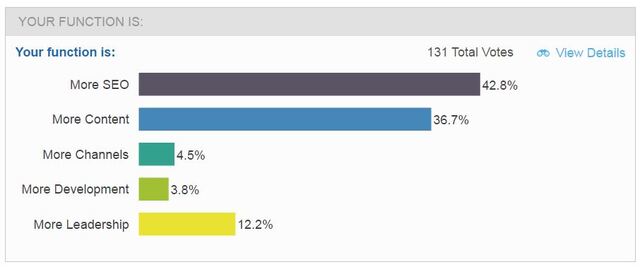
There were 6 live polls during the webinar, the results of one included below:

brightedge customer journey analysis webinar poll on function

What is the best way to show revenue growth from SEO initiatives targeting Quick Answers?

The Quick Answer pages you rank for are likely to be specific and longtail style, meaning you will have a unique landing page for each topic. As you earn the Quick Answers, add them to a Page Group in BrightEdge Page Reporting to assess total traffic. Subtract the traffic to that page from before you had the Quick Answer and that will indicate the lift.

Here is the URL for the Quick Answers white paper we mentioned in the webinar.

How do I view my Quick Answers performance?

Go to BrightEdge Data Cube, type your URL, click on Content Strategies, select Quick Answers.

I see my competitors (personal injury law firms) listed in our local place listings as well as in other local searches in google, but they don't have a local office here at all. Why do they rank in so many local searches and page-one results of organic as well?

It is possible they are paying for the position in Local - look for the ad mark. It is also possible they have a shell office in your area and have done the footwork to register that location with Google My Business. As to why they rank well in general, I would have to guess that they are doing a decent job of content marketing, SEO, and generating backlinks.

What are the B2B stats regarding micro-moments? and Do you find the Local 3-Pack or the "I Want to Buy" or the Google Places queries are relevant for nationwide B2B firms?

This blog from Greg Sterling lists the data and the sources.  While B2B data for Local and Places may be less relevant in B2B, the Quick Answers opportunity is highly relevant as customer journey analysis shows B2B buyers are doing extensive research online before even contacting providers.

Secondly, B2B buyers often use desktop for their queries, but peer-based reviews and recommendations or even social-targeted ads or account based marketing could cause them to make mobile queries. Younger generations are more mobile and sometimes entirely mobile, so micro-moments are an opportunity in all segments.

Do you have an example of good B2B content marketing?

Yes, there are many within the BrightEdge community. The asset types are: site, blog, white paper, research paper, e-book, case study, infographic, images, and audio. Take a look at the BrightEdge Resources Center for ideas.

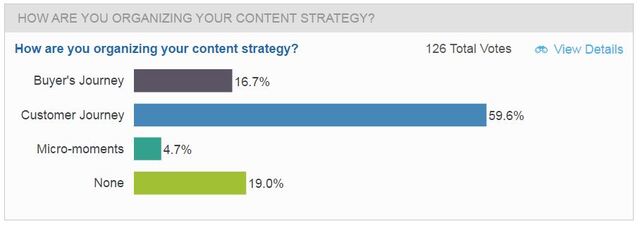
brightedge asks how brands are organizing content for customer journey analysis

How would a national or regional service provider compete with local providers?

If the national provider has local locations, the customer journey analysis says that you would optimize the location pages of the site aggressively. If it is an online national then I suggest content marketing to rank well generally and go for How-to as we showed in the Home Depot example in the presentation.

What if you're national with many local locations?

You will need to track and optimize each location separately to get those local store pages to rank.

What's a best practice for using real search queries for web or blog content?

Targeting demand is the best first step for content generation. Target high demand queries to "fish where the fish are". It increases your chance of generating traffic that impacts your business. This process is why more than 22,000 users love BrightEdge and the Data Cube.

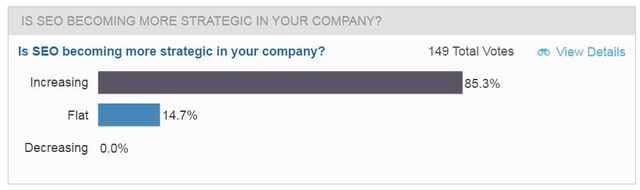
brightedge customer journey analysis webinar poll on seo strategy

Our web site is horrible. We sell nearly 100mm via Home Depot.com, Amazon, wayfair, etc. How can SEO up rankings inside those portals?

Well, congratulations on doing such great volume through your channel partners. Channel strategy and execution are always tricky. We are planning to cover shopping platform optimization in a future webinar, so watch for the webinar invites.

What kind of recommendations do you give for the existing content that is ranking - if you've done meta data/headline changes as well on-page?

If your meta data, H1 and H2 are tuned, then work on content depth and density. We are guiding to 1500 words and 2-4% keyword topic density. Then consider schema data. If that is on target then it is backlinks.

On the Share Insights Roadshow, we had audience members advocate for their cities.

The 4 cities we have announced are New York 5/8, Chicago 6/8, San Francisco 6/21, and London 10/5. We plan to add many more events across the US and internationally, so check back on the Share page.

Is there a suggested dashboard or report in BrightEdge that can display overall impact from applying some of these recommendations?

There is not a pre-formatted template, but the Data Cube is easy to view and from there you can save the reports to a dashboard. If you would like help with that, please let your CSM know. We will pass along your idea to the product management team.

I recently got access to BrightEdge. Do you have a webinar or recorded training for learning on how to use BrightEdge?

Yes, we do! Please contact your Customer Support or Onboarding Manager to view this.

What is AMP?

AMP is accelerated mobile pages, a markup defined and supported by Google to make content appear more quickly in mobile devices. Kirill Kronrod from Adobe sent all of us these links about AMP.

I would like to do a blog with BrightEdge on an AMP case study.

Great, customers are always welcome to propose and deploy blogs and case studies with us.

Is AMP just for news pages and local pages for now? Or do you see other possibilities?

Google is advocating for AMP strongly and has indicated it will become a factor in other types of content ranking. We believe the community should keep an eye on it by tracking AMP Preferred pages in BrightEdge and consider using BrightEdge Content to find and create content because it automatically creates AMP-enabled pages for our customers.

Thanks for the comprehensive presentation! Do you still consider Striking Distance terms, terms in positions 3-20?

Thanks for joining us. Yes, we think that is a good range because positions 3, 2, and 1 get disproportionate exposure and traffic, especially in mobile. Given the mobile-first push, we are recommending customers to track mobile and desktop separately as we are seeing different results on 73% of queries already and rising each month.

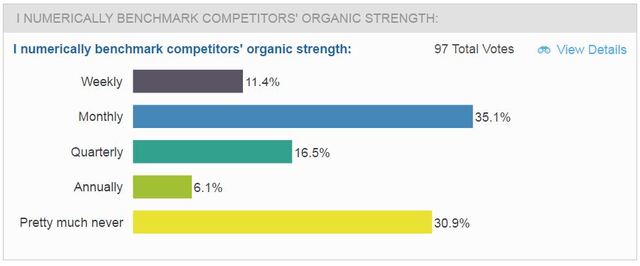
brightedge customer journey analysis webinar poll on competitor benchmarking

The care micro-moment is for the moment that a customer has the product and is using it. I think this is a really important.

Good point. At BrightEdge we see marketing as a vertical function across the whole customer lifecycle, and SEO plays a role all the way along. We focused on know, go, do, and buy in this webinar and could expand the micro-moments in a future webinar.

What else did Kevin buy at The Home Depot besides the dimmer switches?

I picked up light bulbs, grass seeds, and fertilizer with my 3 dimmer switches. Nice add-on sale from their successful I-want-do micro-moment how-to video.

request a demo

,