



Building Engagement with Keyword Awareness

Default avatar
kartiky
M Posted 9 years 11 months ago
t 9 min read

As a valuable strategy for marketers, keyword awareness can boost a site's flow of organic traffic as well as engagement metrics.

A few months ago, I was returning from a concert when I noticed a small flier placed on my car window, which read "If you enjoyed this event, lookup [artist name] on Google". It was an ad for another concert organized by the same company whose event I had just attended.

I ended up searching for [artist name] as per the flier on Google a few days later to look for tickets and found myself clicking on the management company's website. While clicking around the site and learning more about their upcoming events, the strategy from a marketing standpoint intrigued me.

The flier was essentially a way to explicitly build keyword awareness, that when searched, would lead to more traffic on the company's website - a feedback loop to generate repeat customers. By encouraging people to research a particular term that they already ranked highly for, the company was able to secure the organic traffic and build engagement. This untapped strategy can build brand awareness and boost engagement metrics for companies that employ it.

Understanding the role of awareness in brand promotion

We understand brand awareness to be the likelihood that consumers recognize the existence and availability of a brand's product or service. Keyword awareness could be similarly described as the likelihood that consumers recognize the existence of search terms. When terms enter the vocabulary of those familiar with a particular topic or industry, they become more likely to use these phrases in their searches, thus increasing the traffic for those sites that were already optimized for the topics.

Marketers can use keyword awareness to drive up their organic search traffic. Similar to the experience above, brands can suggest keywords and promote different terms to particularly receptive audiences and begin to build themselves a strong audience for their particular areas of expertise.

When you build keywords in the minds of consumers, you can help influence both current and future behaviors. For example, if someone sees a list of related search terms on your site, even if they do not choose to click on one right now, they have a higher chance of remembering that term in the future and using it to search. When you rank highly for this term as well, the search will lead them back to your site, helping you to further build your relationship.

Before you can build keyword awareness, however, you have to have an understanding of which terms will align with your target audience's needs. If you're still trying evaluate which related topics will resonate, try our free 30-minute webinar on 3 Steps to Boost Content Marketing Results.

Building keyword awareness

One way to build keyword awareness is to publicize the high-ranking keywords via your product recommendation engine. Typical product recommendation engines calculate the likelihood of a product attracting a visitor’s attention by computing a likability score for related products and ranking them. This is done through a mathematical indexing formula that takes into account the browsing behaviors of other users.

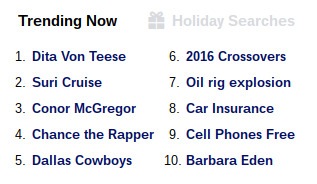
In addition to the browsing behaviors, if the product likability score is made a function of organic keyword search volumes and ranking, marketers could have recommendations that are influenced not just by product likability but also search engine optimized content. In addition, publishing the list of keywords as a social proof-- for example, listing current popular search terms-- reinforces these keywords in the visitors’ minds, thereby creating an organic traffic feedback loop.

Boost engagement with keyword awareness and brightedge

A strong keyword awareness campaign can encourage people to visit your site while also boosting the engagement of those who have already landed on your page. Linking to related topics will encourage people to explore more material, keeping them on your page and laying the foundation for a strong relationship.

Improving engagement on your website serves a critical purpose in encouraging more prospects to enter your sales funnel. Customers today are inundated with content and information from a variety of different sources. Experts believe the digital ecosystem will grow from 130 exabytes to 40,000 exabytes by 2020. While the growth in digital usage is beneficial for customers, this means also that brands will have to compete even harder for attention.

Building engagement on your platform will boost your brand recognition and reputation. It lays the foundation for your relationship with the prospect, demonstrating that you can answer their questions and address their needs. Strong engagement metrics can also boost your ranking on the SERPs and encourage more people to enter your sales funnel.

Building keyword awareness and demand with BrightEdge

BrightEdge is a powerful tool that will help you find the right keywords to capitalize on, empowering you to raise awareness for visitors and build the positive feedback loops.

  1. Using the BrightEdge API, you can easily pull your top ranking keywords, search volumes and other SEO metrics, out of the BrightEdge platform. This will let you see the terms for which you regularly rank highly.
  2. Monitor and measure the search volume and the ranking URLs to better understand the keywords that will be the focus of your keyword awareness campaign. See our on-demand BrightEdge API webinar. 
  3. Create a site recommendation engine that uses the data pulled out of the BrightEdge platform, to help bolster your target keywords while using social proof to boost interest in the terms. Link people to content that is likely to interest them, encouraging them to explore more terms and the topics where you excel.
  4. Use A/B testing to further optimize your recommendations. Look at a variety of KPIs including how well the recommendations boost engagement, encourage people to enter the sales funnel, and result in repeat customers.

Keyword awareness and demand can be an important part of building an online strategy. By interesting people in your terms and topics, you can encourage them to engage with your brand through your website. Used correctly, it will boost your traffic arriving from organic search engines and it will encourage people to remain on your site longer.

request a demo

Google’s Matt Lawson Challenges Marketers to Evolve Mobile Measurement Practices

English, British
News Item Title
Google’s Matt Lawson Challenges Marketers to Evolve Mobile Measurement Practices
News Item Author Name
Andy Betts
News Item Published Date
News Item Summary

According to research from Gartner, digital marketing has gone mainstream with over 98% of marketers in the 2015-2016 CMO spend survey stating that digital marketing is merging into larger marketing operations.

Please fill out the form below if you are interested in attending the BrightEdge Customer Dinner on Thursday September 13 in New York City at Butter in Midtown. Details of the event will be announced via email.

This event is invitation-only. After you register we will confirm your attendance. We very much look forward to seeing you there.

Thank you for registering for this webinar. Access the assets by clicking on the link below. For more information, please visit our resource center or schedule a demo.


Download the on-demand version here


To learn more, please visit our Resource Center and read our Case Studies.

Crushing the Marketing Silo

Making SEO Foundational to Marketing

Learn How to Crush the Marketing Silo!

Too many companies today manage their SEO and other channel efforts in separate marketing silos. While this is a common practice, doing so misses an important opportunity.

BrightEdge's VP of Marketing Demand Generation and Head of SEO Erik Newton and Noble Studios’ Director of Digital Strategy Chad Hallert show you how to bring the channel disciplines together as he outlines best practices for developing an integrated strategy and increasing your ROI by moving beyond marketing silos.

In this on-demand webinar, you’ll learn to crush the marketing silos through these topics:

  • About the perils of a silo-based approach to marketing
  • How to identify opportunities for integrated channel efforts
  • How to conduct combined SEO and PPC keyword research and which tools to use
  • Ways to develop an integrated digital marketing strategy
  • How to measure integrated results
  • Learn how to dominate both paid and organic search results

The Presenters
Erik Newton, VP Customer Marketing and Head of SEO
Chad Hallert, Director of Digital Strategy, Noble Studios


Register Now!

Today’s Customer Journey is like “Choose Your Own Adventure” Books

A BrightEdger
A BrightEdger
M Posted 9 years 11 months ago
t 9 min read

Forrester describes the customer journey as “[spanning] a variety of touchpoints by which the customer moves from awareness to engagement and purchase.” Typically represented in the form of a customer journey map, it is implied to be linear and sequential.

In truth, with the increasing reliance on digital and mobile today, the customer journey is splintered and does not follow a logical, straight path. Instead, the customer journey is really more of a network of quests for information. Altimeter Group says that it is now "[fractured] into hundreds of new ‘micro’ touchpoints where customers seek real-time, mobile-optimized content, reviews, shared experiences and direction online.” Google calls them “micro-moments” and says that “when added together, they ultimately determine how that journey ends.”

This change -- from straight path to meandering, multi-directional journey -- is reminiscent of the “Choose Your Own Adventure” children’s books that were popular during the 1980s and 1990s. Instead of a set story, these books gave the reader the option to choose the next event within the storyline -- resulting in a number of possible outcomes. Admittedly, a Google search on this topic revealed that others have also noticed the connection between content marketing, the customer journey and this children’s book series. However, beyond just a kitschy metaphor, there are takeaways that digital marketers should consider and strategies that should be employed -- to effectively connect with customers throughout this new customer journey framework and to win over customers during these critical touchpoints.

1) The journey is self-driven

As indicated in the name, books within the “Choose Your Own Adventure” series gave the power of the narrative to the reader. Every few pages, the reader was presented with a choice and each successive decision led to a different outcome. The same is true in the customer journey. Customers are no longer sitting back and passively consuming the outbound messaging that happens to make it their way. Instead, customers are actively researching and educating themselves on the best options throughout the decision-making process. Consider these facts about the digital behavior of customers:

  • Search engines are the 3rd most popular way that customers learn about new products. Almost half (47%) of customers use a search engine when engaged in product discovery.
  • This rings true for B2B customers as well: 74 percent of business buyers conduct more than half of their research online before making an offline purchase.

What this means for digital marketers Today’s customers are empowered to actively seek out information throughout their unique customer journeys. This makes it imperative for marketers to understand what troubles, plagues, interests and inspires customers and to deliver the right content during each touchpoint. With Google processing more than 2 trillion searches each year, search is your strongest and most direct source of information about your customers’ interests and needs. Organic search is your market-wide voice of the customer -- conveying critical information on what your customers care about at scale. Only by researching customer demand are marketers able to deliver the digital experiences that customers are seeking and to win the moments that matter.

2) There are twists and turns, and unpredictable outcomes

In the “Choose Your Own Adventure” books, each decision point sent you in a new direction, resulting in serpentine plotlines and upwards of 40 possible endings. The customer journey is equally complex. Customers now access a multitude of information to discover, compare, evaluate (and re-evaluate), and ultimately make their decision. In an interview for The Huffington Post, Matt Lawson, Google Director of Performance Ads Marketing, stated, "...[When] we see customers start on this journey, there’s typically a domino effect of new opportunities and greater insights that appear." 

Just when it seems that the story is set, the customer journey can take a rapid and unexpected detour. Google research revealed that 65 percent of smartphone users look for the most relevant information, regardless of the company providing it, when conducting a search on their smartphones.

This means that the battle to engage customers is never-ending and can be won by any brand that provides the most compelling, helpful and relevant content during these moments that matter.

Additionally, 82 percent of smartphone users consult their phones while in a store. And one in 10 of these customers ended up purchasing a different product than they had originally planned. That’s an ending that no one saw coming!

What this means for digital marketers

Marketers must ensure that their content is available and accessible at every step of the overall journey. There’s a saying: “It ain’t over ‘til the fat lady sings.” In today’s customer journey, it ain’t over ‘til the customer clicks “Confirm purchase” on their smartphone, signs the credit card receipt at the register, or until the business buyer puts their signature on the contract.

The customer journey is no longer a series of compartmentalized states of being -- with diminishing influence further down the funnel. Instead, digital marketers must acknowledge the opportunity that exists throughout the network of digital touchpoints. They must ensure a strong organic presence, providing customers with thoughtful and informative content throughout the customer journey, to influence customers towards a desired outcome.

3) Every moment matters

The books were able to maintain twists and turns in plotlines because each chapter ended in a question and required that the reader make a decision before proceeding to the next part. As such, each of these points was an important pivot in the overall storyline. The decision made at each and every one of these touchpoints influenced the direction of the voyage.

The same is true for today’s customer journey. From a company’s product pages to online reviews to social media influencers and user generated content to ecommerce sites (and back and forth again), customers consult multiple sources and types of content in making a decision. And each of these touchpoints is critical in influencing the customer and contributing to the momentum as they continue along their path to purchase.

Consider the impact of reviews on the customer journey. More than half (54%) of customers said that they read online reviews before making an online purchase. Or consider the impact of providing information and knowledge in driving customers from I-want-to-know to I-want-to-buy micro-moments. Outdoor products retailer REI created informative online buying guides to help customers understand how to best select the right outdoor products, including backpacks.

This I-want-to-know content had incredible impact on conversions, resulting in 60 percent of content consumers purchasing backpack products.

What this means for digital marketers

The takeaway for marketers is precisely as it is written above: every moment matters. The most successful digital marketers ensure that the right content reaches the right audiences at every phase of the customer journey. Taking a data-driven approach, digital marketers understand customer needs and interests, create the content that addresses these demands and positions their brand as the best solution, and ensures that this content can be easily found and accessed during the more than 2 trillion times that customers seek out insights and guidance on search engines every year.

If customers are the protagonists in their adventures, then your content can be thought of as a digital sherpa guiding them every step of the way. As they approach each touchpoint, ensure that your content is there and that it is helpful and useful in that moment. Create compelling digital experiences matched to each decision point to influence customers as they venture along and to drive them towards your “ending.” 

request a demo

BrightEdge SEO オポチュニティー予測のステップ・バイ・ステップ・ガイド (Elise Gould 2016年11月21日)

<p>BrightEdge SEO オポチュニティー予測機能を活用することによって、次のSEO 対策やコンテンツ マーケティング戦略の対象となるキーワードの優先順位を決める上で積極的で偏りのないデータ中心のアプローチをとることができます。</p>

<p>BrightEdge プラットフォームに備わっているオポチュニティー予測機能では、特定のキーワードで自社サイトよりも高ランクを獲得している競合他社のページを分析することができます。また自社サイトを評価し、<a data-wpel-link="internal" href="https://www.brightedge.com/glossary/domain-authority&quot; rel="follow" target="_blank">ドメイン オーソリティー</a>をはじめ、ページ オーソリティーや外部リンク、Twitter / Facebook での「シェア」や「いいね!」の数などに基づいて自社サイトと競合サイトを比較することができます。さらにこれらの分析に基づいて検索結果ページで競合サイトよりも高ランクを獲得する推定難易度を確認することもできます。</p>

<p><img alt="Seo opportunity forecasting laptop" class="alignright wp-image-13817" height="246" sizes="(max-width: 368px) 100vw, 368px" src="https://www.brightedge.com/blog/wp-content/uploads/2016/11/iStock-61834…; srcset="https://www.brightedge.com/blog/wp-content/uploads/2016/11/iStock-61834… 724w, https://www.brightedge.com/blog/wp-content/uploads/2016/11/iStock-61834… 150w, https://www.brightedge.com/blog/wp-content/uploads/2016/11/iStock-61834… 300w, https://www.brightedge.com/blog/wp-content/uploads/2016/11/iStock-61834… 600w" width="368" /><br />
自社サイトが競合できるような高価値のキーワードが何かを明らかにするには非常に複雑な作業が必要ですが、 この機能を活用することによってシンプルに作業を進めることができます。BrightEdge では、ページ オーソリティーを比較して競合サイトと自社サイトが同等の場合や自社サイトより競合サイトの方が低いようなキーワードを明らかにすることができます。これによって現実的なオポチュニティーがあるとわかっているキーワードに的を絞って最適化を行うことができます。このようなプロセスをとることによって、ページ オーソリティーが足りないため競合できないようなキーワードに時間や人手を浪費する必要はなくなります。</p>

<h2><strong>競合キーワード分析を行うための4つのステップ</strong></h2>

<h3><strong><img alt="seo opportunity forecasting" class="wp-image-13773 alignright" height="371" sizes="(max-width: 168px) 100vw, 168px" src="https://www.brightedge.com/blog/wp-content/uploads/2016/11/Picture1111…; srcset="https://www.brightedge.com/blog/wp-content/uploads/2016/11/Picture1111… 224w, https://www.brightedge.com/blog/wp-content/uploads/2016/11/Picture1111-… 68w, https://www.brightedge.com/blog/wp-content/uploads/2016/11/Picture1111-… 136w" width="168" /><br />
Step 1.</strong></h3>

<p>BrightEdge の初期設定を実施します。</p>

<h3><strong>Step 2.</strong></h3>

<p>BrightEdge の検索ボリュームやキーワードレポートなどの機能で自社のキーワードグループを作成します。このようにして自社の製品やサービスに関連があるだろうキーワードを集めます。そして自社製品やサービスに関連するよく似たキーワードの集まりを作成します。</p>

<h3><strong>Step 3.</strong></h3>

<p>BrightEdge の<strong>オポチュニティー予測</strong>機能にてビューを操作し、何に関する予測を表示させるか選択することができます。<strong>[予測モデル]</strong> ドロップダウンを使用して複数のモデルを確認することができますが、まずはデフォルトに設定されている <strong>[収益]</strong> モデルの使用をお勧めします。<br />
<img alt="seo opportunity forecasting dashboard" class="aligncenter wp-image-13774 size-full" height="362" sizes="(max-width: 900px) 100vw, 900px" src="https://www.brightedge.com/blog/wp-content/uploads/2016/11/Picturew1.pn…; srcset="https://www.brightedge.com/blog/wp-content/uploads/2016/11/Picturew1.png 900w, https://www.brightedge.com/blog/wp-content/uploads/2016/11/Picturew1-15… 150w, https://www.brightedge.com/blog/wp-content/uploads/2016/11/Picturew1-30… 300w, https://www.brightedge.com/blog/wp-content/uploads/2016/11/Picturew1-76… 768w, https://www.brightedge.com/blog/wp-content/uploads/2016/11/Picturew1-60… 600w" width="900" /></p>

<ul>
<li><strong>[コンバージョン率]</strong> 列をクリックし、ご利用のWeb サイト アナリティクス (例:Google Analytics など) で集めた過去のデータを元に、先ほど作成したキーワードグループのコンバージョン率を調整します。</li>
<li><strong>[コンバージョン値]</strong> 列をクリックし、過去の収益データに基づいて数値を調整します。コンバージョン値として $100 がデフォルト設定で入力されています。</li>
<li><strong>[予測ステータス]</strong> 列をクリックし、[作動] をクリックします。するとプラットフォームで予測が開始されます。</li>
</ul>

<h3><strong>Step 4.</strong></h3>

<p>データシートをエクスポートして、自社のオポチュニティー予測データを活用したり、ターゲットとするキーワードを決定する上での参考資料として使用したりすることができます。</p>

<p>これで何らかの戦略を行う際の投資収益率 (ROI) や潜在的利益を計算することができます。さらに、最適化する価値のあるキーワードについて優先的に対処することによって、時間や労力を節約することができます。</p>

<p><strong><img alt="seo opportunity forecasting checklist" class="alignright wp-image-13831" height="201" sizes="(max-width: 201px) 100vw, 201px" src="https://www.brightedge.com/blog/wp-content/uploads/2016/11/iStock-49021…; srcset="https://www.brightedge.com/blog/wp-content/uploads/2016/11/iStock-49021… 591w, https://www.brightedge.com/blog/wp-content/uploads/2016/11/iStock-49021… 150w, https://www.brightedge.com/blog/wp-content/uploads/2016/11/iStock-49021… 300w" width="201" /> </strong></p>

<p><a href="https://www.brightedge.com/jp/articles">ブライトエッジブログ記事一覧</a></p&gt;

スマートフォン版検索結果とデスクトップ版検索結果の差がさらに広がる (Erik Newton 2016年12月5日)

<p>2014年6月にBrightEdge が行った<a data-wpel-link="internal" href="https://www.brightedge.com/resources/research-reports/mobile-share-repo…; rel="follow" target="_blank">モバイル端末に関する調査</a> によると、デスクトップまたはスマートフォンのどちらで検索を行ったかによって、オーガニック検索全体のうち平均62%で異なる結果が表示されることが明らかになりました。デスクトップとスマートフォンで異なる検索結果が表示されるということを把握しておくことは重要です。なぜなら、デスクトップ版ランキングを意識して最適化したコンテンツが、スマートフォン版ランキングでは同様の結果を獲得できなかったり、デスクトップ版よりも順位が低い可能性もあるからです。マーケターにとってスマートフォン版ランキングで高ランクを獲得できなければ、読み手に訴えかけたり、読み手を引き込む機会を失うという結果につながりかねません。</p>

<p><img alt="Smartphone and Desktop Search Results differ" class="alignright wp-image-13948" height="260" sizes="(max-width: 389px) 100vw, 389px" src="https://www.brightedge.com/blog/wp-content/uploads/2016/12/iStock-62000…; srcset="https://www.brightedge.com/blog/wp-content/uploads/2016/12/iStock-62000… 724w, https://www.brightedge.com/blog/wp-content/uploads/2016/12/iStock-62000… 150w, https://www.brightedge.com/blog/wp-content/uploads/2016/12/iStock-62000… 300w, https://www.brightedge.com/blog/wp-content/uploads/2016/12/iStock-62000… 600w" width="389" /><br />
2014年の時点で、スマートフォンは全チャンネルのトラフィックのうち25%を占めていました。これを考慮すると、スマートフォン版ランキングのランク状況が好ましくなかった企業は、単純計算で顧客全体の25%を取り込めていないことになりました。しかし2016年には、<a data-wpel-link="external" href="https://adwords.googleblog.com/2015/05/building-for-next-moment.html&qu…; rel="nofollow" target="_blank">スマートフォンはチャンネル トラフィックの大半を占めるようになり</a>ました。したがって、モバイル用コンテンツを最適化する必要性は絶対的になったのです。</p>

<h2>検索結果とモバイルユーザーの存在</h2>

<p>スマートフォンの重要性が高まるにつれ、Google の検索結果は<a data-wpel-link="external" href="https://webmasters.googleblog.com/2016/11/mobile-first-indexing.html&qu…; rel="nofollow" target="_blank">モバイルユーザーのニーズに合わせるもの</a>へと進化を見せています。Google はモバイル端末から検索を行ったユーザー(モバイルサーチャー)にデスクトップ版とは異なる結果を表示することによって、優れたエクスペリエンスの提供や、モバイルユーザーの意図にかなったコンテンツ作成を目指しています。モバイル端末からの検索数が増加するにつれ、デスクトップ版とスマートフォン版の検索結果の違いはより顕著になっています。</p>

<p>BrightEdge の調査によると、2016年10月の時点で、オーガニック検索の73%で使用端末によって異なる検索結果が表示されることが明らかになっており、2014年から大幅に増加していることが分かります。2014年当時は検索結果全体のうち、3分の2において異なる検索結果が表示されていたわけですが、現在では4分の3において異なる検索結果が表示されていることになります。モバイルユーザーは明らかにデスクトップユーザーとは異なる結果を目にしているわけです。ユーザーに表示するコンテンツがユーザーの期待にかなうよう、Google が最適化作業をさらに進めるにつれ、検索結果の差はより一層広がるだろうと BrightEdge では予測しています。</p>

<p>この調査結果からわかることとは何でしょう?どのデバイスでも競合して顧客を獲得できるよう、企業はスマートフォンやタブレット、デスクトップなど複数のデバイス用にコンテンツを最適化する必要があるということです。</p>

<h2><strong><a data-wpel-link="internal" href="https://www.brightedge.com/resources/research-reports/demystifying-goog…; rel="follow" target="_blank">Google 最新アップデート情報</a></strong></h2>

<p><a href="https://www.brightedge.com/jp/articles">ブライトエッジブログ記事一覧</a></p&gt;

Google のモバイル ファースト インデックス:モバイル モーメントを制するために知っておくべきこと (Ariane Lindblom 2016年11月14日)

Google によるモバイル ファースト インデックスの試験的導入が開始

2016年11月4日 (金) に、モバイル ファースト インデックスの試験的導入が開始されたことを Google が発表ました。この発表は多くの業界の専門家を驚かせるものでした。数週間前 Google はモバイル ファースト インデックスの導入に向けて取り組んでいる旨を 発表 しましたが、実際に導入を開始する前に解決すべき問題がまだ多数残されているようです。

Google によるモバイル ファースト インデックスの試験的導入が影響を与えるユーザーの数は、現在のところではほんの数パーセントに限られています。モバイル ファースト インデックスの導入に関してGoogle は次のような声明を出しています。

今後数か月にわたって規模の小さな試験的導入を続け、優れたユーザーエクスペリエンスを提供できると確証が持て次第、本格的に導入を開始したいと思います。

Google の Paul Haahr によると、現在のところではユーザーやウェブマスターに影響を与えるような変化はほとんど見られないはずだと述べています。


モバイル ファースト インデックスがサイトに与える影響は?

mobile-first index google 2016
現在のところではモバイル ファースト インデックスの試験的導入がユーザーに与える影響はほとんどありませんが、近い将来これが与える影響は大きくなることが推測できます。

Google は2つのインデックスをどちらも維持することはしないと発表しています。今後使用されるインデックスは1つに絞られ、デスクトップ版ページよりも前にモバイル版ページが参照されるようになります。 Gary Illyes 氏は Twitter で、この新インデックスがモバイル版サイトに基づくものであることを明らかにしています。また、デスクトップ版ページにこの導入が影響を与える段階には至っていないことを明らかにしました。

多くのマーケターにとってはこの導入に関連して外部リンク等をはじめとする様々なランキング シグナルについて疑問を持つはずです。例えば外部リンクについて考えてみると、多くのサイトにおいては、モバイル版サイトよりもデスクトップ版サイトにリンクを張っていることの方が多い事実を Google は把握しています。Google は現在この問題の対処を目指して取り組んでいることを明らかにしています。

また、モバイル版のページでのコンテンツを提供してないサイトは、この試験的導入期間中にコンテンツを強化しなければ、ランクに変動がみられる可能性があります。

Gary Illyes on the mobile-first index


canonicalタグやalternate タグに関する変化が与える可能性のある影響について Gary Illyes氏も言及 しています。Illyes 氏によると、実際に上記のような変更を行うには、相当時間がかかるため、Google は現在使用しているシステムを継続して使用できる方法を模索しています。Illyes 氏はさらに、canonical タグが現在のalternate タグと同じ役割を果たすようになると述べています。


mobile-first index browsing in airport

モバイル ファースト インデックスが自社サイトの最適化に与える影響は?

モバイル ファースト インデックスを意識して準備をしているユーザーを対象に、Google も アドバイスを発表 しています。

しかし特筆すべき要素として、モバイル端末を使用する顧客のユーザーエクスペリエンスを高めることが今まで以上に重要になるということを覚えておかなければなりません。ターゲットとしているユーザーがモバイル端末を使用しているにもかかわらず、モーメントを意識し最適化していない場合は、まさに今アクションを起こすべきなのです。

しかし同時に、ユーザーがデスクトップを使用してコンテンツを見ることを好むような状況もあることを忘れてはなりません。例えば、非常に具体的な情報を探す場合は、ユーザーは モバイル端末を使用 する傾向にあります。しかしその一方で時間をかけて行う調査などにはデスクトップを使用することが多いのです。.comScore の最新調査の結果によると、モバイル端末を使用するトレンドについて、 マルチスクリーンは標準的であるものの、インターネットユーザーの76%はモバイルだけではなくデスクトップも使用していることが明らかになっています。顧客はモバイルを使用した後にデスクトップを使ったり、逆にデスクトップを使った後モバイルを使ったりすることがあり、今いる状況や何を探しているのかによって両方のデバイスを使い分けているのです。

mobile-first index analytics
モバイル ファースト インデックスの重要性や影響は無視できないことは明らかですが、顧客に全ライフサイクルを通して適切に対処することを望むならば、モバイルとデスクトップ両方のパフォーマンスを最適化し、トラックすることが必要です。顧客の期待に合わせてこれを行うには、顧客にとっても最も意味のあるモーメントが何か、そして各モーメントにおいてどんなデバイスやコンテンツが求められているのかを把握することが欠かせません。これらを考慮すると、成功するためには以下の事柄が必要です。

  • 自社に意味のある各モーメントにおいて、顧客からの需要をデバイスごとに明らかにする。
  • 需要が高いモーメントにおいては、コンテンツやサイトを最適化し、デバイスごとに期待されるエクスペリエンスを提供することを目指す。この時、レスポンシブ デザインの使用や AMP 対応などを通してモバイルフレンドリー度を高めることが理想的です。
  • 時間をかけて自社サイトでのエクスペリエンスがモバイルフレンドリーになるよう努める。Google のモバイル ファースト インデックスに認識されるコンテンツの量を最大限に高めるには、モバイルフレンドリー度を高めることが必須です。
  • 改善点を加えたことによってビジネスにどのような影響が出たのか(例:トラフィック、エンゲージメント、コンバージョン、収益などの増加)を測定し、内部関係者と情報を共有したり、投資の必要性を考えたりするのに役立てます。

BrightEdge は、変化し続けるモバイルのトレンドの中でマーケターが常に一歩先を歩めるようサポートを続けてきました。結果的に、モバイル、デスクトップ両方において意味のあるモーメントを明らかにし、最適化、パフォーマンスの測定をすることができます。

  • BrightEdge データキューブ:
    検索データ、コンテンツデータを集約した業界最大のレポジトリによって、ターゲットとするユーザーが関心を持つようなモーメントやトピックに関するデバイスごとの情報を明らかにすることができ、これを基に適切なコンテンツを作成することができます。
  • BrightEdge インテントシグナル:
    BrightEdge インテントシグナルは、オーガニック検索においてパフォーマンスが良いモーメントを明らかにすることができる業界初のツールです。これを参照することによって、トラフィックやコンバージョン、収益などを最大限に高めることができるよう必要な最適化作業に優先順位をつけることができます。
  • BrightEdge レコメンデーション:
    BrightEdge レコメンデーションを活用することによって、ユーザーのニーズに合わせてコンテンツをモバイル用に最適化することができます。またBrightEdge がトップストーリーに関するAMP サポートを提供しているので、コンテンツをAMP 対応するタイミングを判断することができます。
  • BrightEdge ストーリービルダー:
    BrightEdge ストーリービルダーを活用することによって、デバイスごとのパフォーマンスをトラックしたり測定したりすることができます。また ストーリービルダー内で左右にデータを表記するチャートを作成することによって、モバイル インデックスがサイトに与えている影響を正確に把握することができます。

Google はすでにモバイル ファースト インデックスの試験的導入を開始しており、モバイルに重点を置いていることを明らかにしています。ユーザーの期待にかなったコンテンツを提供したい企業は、自社のモバイルサイトをこの導入に合わせて改善し、引き続きすべてのデバイスでユーザーエクスペリエンスを高められるよう努めなければなりません。

Google 検索データ:詳細ガイド

ブライトエッジブログ記事一覧

,