
<p><strong>本記事はMichael Kirchhoffによるセマンティック検索に関する3回シリーズ記事のパート3です。<a data-wpel-link="internal" href="https://www.brightedge.com/jp/articles/semantics-future-ux-conversions-…; rel="noopener follow" target="_blank">セマンティックを取り上げたパート1</a>、<a data-wpel-link="internal" href="https://www.brightedge.com/jp/articles/content-silo-seo/" rel="noopener follow" target="_blank">コンテンツサイロを取り上げたパート2</a>も併せてごらんください。</strong></p>
<p>ユーザーがウェブサイトを閲覧中に探していたものが見つからなかったことが原因で<a data-wpel-link="external" href="http://www.webrevelation.com/effective-tips-for-improving-site-navigati…; rel="noopener nofollow" target="_blank">売り上げのおおよそ50%</a>が失われています。ユーザーエクスペリエンスや、サイトのナビゲーション方法、適切な情報を以下に簡単に見つけられるかによって、パフォーマンスをはじめ、評判、自社ドメインの成功が決まると言っても過言ではありません。</p>
<p>効果的なコンテンツサイロを構築するには、ウェブサイト タクソノミーが極めて重要な役割を果たします。タクソノミーとは、自社ドメインで扱っている内容やトピックを理解しやすくすることを目的に、サイト上にあるアイデアやマテリアルの整理整頓を手助けする分類システムのようなものです。タクソノミーを活用することによって、ユーザーや検索エンジンのスパイダーが探し求めていた内容を見つけやすくなり、結果的にドメインの専門性をより素早く正確に把握することが可能になるというわけです。</p>
<p><img alt="タクソノミー構造でユーザーエクスペリエンス戦略を強化" class="wp-image-12944 alignright" height="283" sizes="(max-width: 485px) 100vw, 485px" src="https://www.brightedge.com/blog/wp-content/uploads/2016/09/Screenshot-2…; srcset="https://www.brightedge.com/blog/wp-content/uploads/2016/09/Screenshot-2… 584w, https://www.brightedge.com/blog/wp-content/uploads/2016/09/Screenshot-2… 150w, https://www.brightedge.com/blog/wp-content/uploads/2016/09/Screenshot-2… 300w" width="485" /></p>
<p>タクソノミーを導入することによって、自社サイト上にある特定のトピックやコンテンツ記事を検索エンジン、ユーザーのいずれにとっても理解しやすくなるメカニズムが出来上がります。タクソノミーの一番上にあるページは、通常より幅広いトピックを扱います。その一方でタクソノミーの下に行けば行くほどより詳細で掘り下げた内容を扱うページになるのです。</p>
<p>SEOの観点から考えると、タクソノミーの最上位は、ドメインに最も近くに位置しているため、タクソノミー最上位に該当するページのオーソリティーやSEO的価値はより高くなります。その一方で、タクソノミーのサブトピックに当たるページでは、全体のトピックにおけるオーソリティーは低く捉えられるかもしれませんが、ロングテール キーワードに対する関連度は高く捉えられる可能性が高くなります。優れたSEO、ウェブサイト構造を構築するためには、上記のいずれのページも欠かせない重要な存在です。タクソノミーの関係は、サイトのサイロ構造やクロールパスと深く関係しています。タクソノミーを適切に取り入れることができれば、ユーザーや検索エンジンのスパイダーが、タクソノミー ヒエラルキー(階層)内の関係や、サイトで扱っているテーマなどを適切に理解することができます。</p>
<h2>タクソノミー ヒエラルキーの種類</h2>
<p>ヒエラルキーにも各種種類があります。今回はコンテンツに活用できるヒエラルキーの種類を以下に4種類ご紹介します。</p>
<ol>
<li><strong>階層型タクソノミー:</strong><br />
階層になっているタクソノミー上で関連のあるトピックのカテゴリーに基づいてコンテンツを整理する。</li>
<li><strong>平面的タクソノミー:</strong><br />
平面的タクソノミーでコンテンツを整理することもできます。平面的タクソノミーとは、すべてが一つの同じレベルに存在し、カテゴリーに奥行きがないものを指します。サイトの規模が非常に小さい場合を除いて、この整理方法はユーザーにとって使いやすく、SEO的にもあまり価値をもたらしません。</li>
<li><strong>複合型タクソノミー:</strong><br />
「ヒエラルキー」と、異なるカテゴリー間で関連付けすることによってユーザーを一つの場所から他の場所へと移動させる「ネットワーク」を組み合わせたシステムを構築することもできます。非常に密接に関連しているコンテンツや、タクソノミーで扱っているテーマに関して人気のあるコンテンツ、新しいコンテンツなどを推奨することによって関連付けすることができます。</li>
<li><strong>ファセット型タクソノミー:</strong><br />
ファセット(切り口)型タクソノミーでは、コンテンツの使用方法や説明などコンテンツをとらえる切り口に基づいてコンテンツを整理します。このシステムでは、一つのページを複数のカテゴリーで使用する場合があります。例えば、衣類を販売するEコマース系サイトで、赤色のレディース用セーターを販売する場合、「レディース セーター」、「赤色の衣類」の両方に当てはまります。このシステムを導入する場合は、ドメイン上に重複したページを作成しないことに細心の注意を払う必要があります。またユーザー、検索エンジンのクローラーのいずれもが簡単にクロールできるようなURLパスを設定することも極めて重要になります。またファセット型タクソノミーでは正規表現は非常に重要な役割を果たします。</li>
</ol>
<p>ファセット型タクソノミーには多くの技術的特徴が存在するため、今回はファセット型以外のタクソノミー コンテンツサイロに注目することにします。</p>
<p>ユーザーエクスペリエンス戦略の一環でタクソノミー システムの構築や管理の方法を理解することによって、ユーザーエクスペリエンスの改善につながり、結果的にサイトの成功にもつながるわけです。</p>
<h2>コンテンツやSEOにタクソノミーを合わせる方法</h2>
<p>タクソノミー構築の主な利点は、コンテンツや製品が所属するカテゴリーに基づいて、コンテンツや製品を分類することができる点です。この利点によって、自社サイト上に大量のコンテンツを集め、掲載する能力がさらに効率的に高まります。適切にタクソノミーを構築/管理することによって、タクソノミーは、検索行動を反映するキーワードに合わせて構築することができ、読み手が自社コンテンツや自社製品を見つける手助けをすることができます。したがって、タクソノミーは、コンテンツの整理をはじめ、維持や、表示、パーソナル化を手助けし、さらに読み手のバイヤーズ ジャーニーにおいて、コンテンツを見つけることができるよう後押しします。自社コンテンツをタクソノミー用に分類することは、優れたコンテンツを作成する上で欠かせない重要なステップです。</p>
<p><img alt="セマンティックウェブでユーザーエクスペリエンス戦略における自社コンテンツを整理する" class="wp-image-12945 alignright" height="209" sizes="(max-width: 475px) 100vw, 475px" src="https://www.brightedge.com/blog/wp-content/uploads/2016/09/Screenshot-2…; srcset="https://www.brightedge.com/blog/wp-content/uploads/2016/09/Screenshot-2… 583w, https://www.brightedge.com/blog/wp-content/uploads/2016/09/Screenshot-2… 150w, https://www.brightedge.com/blog/wp-content/uploads/2016/09/Screenshot-2… 300w" width="475" /></p>
<p>各サイロ構造内でのコンテンツを整理することによって、各ページのランキング状況を改善することができます。ページ上に表示されているコンテンツ資産もすべてタクソノミー トピックと直接的に関係しており、これによってマテリアルに背景的意味が加わります。このようなオンページ キーワードによって、ページはより高ランクを獲得することができます。GoogleのJohn Mueller氏は、ユーザーエクスペリエンスが改善されるメカニズムについて次のように指摘しています。ユーザーエクスペリエンスが改善するのは、ユーザーがランディングするページは、特定のトピックやタクソノミーの階層に基づいて作成された様々なコンテンツが掲載されているからです。このようなページのユーザーエクスペリエンスはより優れているため、エンゲージメントやクリックスルー率(CTR)も比例して改善します。<strong>私の経験では、タクソノミー ページ内に意味的に関連のあるコンテンツを表示することによって、CTRが約21%以上も増加しています。</strong></p>
<p>Googleやその他有名検索エンジン各社は、ユーザーが「見つけてよかった!」と思うようなサイトや、ユーザーに価値をもたらすようなサイトを求めています。したがって、サイトの重要性は、そのサイトとユーザーのエンゲージメントの程度(例:直帰率や外部リンク数など)に基づいて判断されます。タクソノミーを含むサイロ構造を改善することによって、自社サイトの評判がさらに高まり、結果的にランキング状況も改善されるはずです。</p>
<p>また検索エンジン各社は、特定のトピックに関してサイトがどの程度詳しいのかを把握する上で、ユーザーエクスペリエンス戦略やタクソノミー構造が導入されている場合、そのサイトがトピックについてどの程度詳しいのか判断しやすくなります。検索エンジンは、サイト上にある様々なページ間のリンクを参照して様々なトピックをどの程度カバーしているのか把握するわけです。したがって、自社サイトが特定のトピックに関して価値をもたらすことや、特定のトピックに関して詳しいことを検索エンジンにアピールすることによって、自社ドメインのオーソリティーが高まり、それが検索結果ページでのランク状況の改善にもつながります。</p>
<h2>ユーザーエクスペリエンス戦略やタクソノミーを構築する方法</h2>
<p>タクソノミーを構築するにあたって、忘れてはならない重要なステップがあります。ユーザーエクスペリエンス戦略を開始する際には、まず自社コンテンツや製品テーマに注目してみましょう。特定のトピックに関して掘り下げて扱えていないと感じる場合は、タクソノミーのトピックとして別のトピックを選択した方が良いでしょう。例えば、サイトで「再生可能エネルギー」に関するニュースを扱う場合を例に挙げてみましょう。このサイトの場合、最上層のタクソノミーとして「太陽光」や「風力」、「地熱」、「バイオ」、「水力」、「蓄電」などが挙げられます。しかし、自社サイト上に「蓄電」に関するコンテンツ数が限られる場合、一定量のコンテンツ作成が完了するまでこのトピックには触れないようにします。タクソノミー最上層で扱うのに最適なトピックが<a data-wpel-link="external" href="http://www.renewableenergyworld.com/index.html" rel="noopener nofollow" target="_blank">このサイト</a>で模範的に使用されていますので、是非参考にしてください。</p>
<p>多くの状況において、「短く、深い」構造よりも、「長く、浅い」構造を持つサイトを構築する方が好ましいと考えられています。つまり、ピラミッドの頂上に少数のトピックを掲げ、各トピックを深く詳細に掘り下げて下の層を沢山増やすのではなく、より幅広いトピックを沢山扱い、各トピックを掘り下げる際にはあまり深く掘り下げすぎないよう心がけるということです。この構造が一般的により好ましいと考えられている理由は、ユーザーが求めている情報を見つけるまでに必要なクリック数を最低限に抑えることができるからです。またサイトのナビゲート方法や、サイト上で扱われている内容もより簡単に把握することができます。タクソノミーの層の数は、最上層、二次層、三次層のように3つ程度に抑えるようにしましょう。</p>
<p>タクソノミーを構築する際に重要な第二のステップとして、カテゴリーを作成する際には、他のユーザーにもわかりやすい名前を付けるようにしましょう。ページを訪問してくれたユーザーがパッと見てすぐにどんな情報が各カテゴリーに含まれているか分かるような名前を付けます。例えば、<a data-wpel-link="external" href="http://www.ledsmagazine.com/leds-and-sources.html" rel="noopener nofollow" target="_blank">http://www.ledsmagazine.com/leds-and-sources.html</a>では、ページが何を扱っているのか明確に表す名前が付けられています。</p>
<p><img alt="ユーザーエクスペリエンス戦略の例" class="wp-image-12946 aligncenter" height="123" sizes="(max-width: 693px) 100vw, 693px" src="https://www.brightedge.com/blog/wp-content/uploads/2016/09/Screenshot-2…; srcset="https://www.brightedge.com/blog/wp-content/uploads/2016/09/Screenshot-2… 586w, https://www.brightedge.com/blog/wp-content/uploads/2016/09/Screenshot-2… 150w, https://www.brightedge.com/blog/wp-content/uploads/2016/09/Screenshot-2… 300w" width="693" /></p>
<p>タクソノミーに名前を付ける際には、自社コンテンツや製品に関連のある名前を付けましょう。適切な名前を付けていなければ、直帰率が高まる危険性がありますので注意しましょう。</p>
<p>最後に忘れてはならないポイントとして、どんなにわかりやすい構造でコンテンツを整理整頓したとしても、間違った場所でコンテンツを探しているユーザーは必ず少数ながら存在するものです。したがって、上記に代わる検索機能を設けることができる場合、検索機能を積極的に導入しましょう。多くの企業が検索バーを際上に設けています。さらに、ユーザーが間違った場所を見てコンテンツを見つけられないという経験をしていたとしても、ユーザーエクスペリエンス戦略の一環として、サイト上にあるコンテンツをその他の構造(例:アルファベット順)で配列することができる機能が備わっている場合、無事求めていたコンテンツを見つけることができ、ユーザーエクスペリエンスが改善されます。</p>
<h2>タクソノミー内にぴったり当てはまるようコンテンツを分類する方法</h2>
<p>タクソノミーやユーザーエクスペリエンス戦略を開始しはじめたばかりの時は、各コンテンツをどのカテゴリーに分類するか、また構造にどのような名前を付けるか決めるのが難しく感じるかもしれません。以下にお勧めの方法をいくつかご紹介します。</p>
<ol>
<li><strong>自社サイト上にあるコンテンツや製品を全部見て、タクソノミー最上層で扱うようなグループを最大10個にわけてみる。ここでできたグループをタクソノミー最上層のトピックにする。</strong><br />
<img alt="LEDs Magazineによるユーザーエクスペリエンス戦略やタクソノミー分類の例" class="size-full wp-image-12947 alignright" height="280" sizes="(max-width: 283px) 100vw, 283px" src="https://www.brightedge.com/blog/wp-content/uploads/2016/09/Screenshot-2…; srcset="https://www.brightedge.com/blog/wp-content/uploads/2016/09/Screenshot-2… 283w, https://www.brightedge.com/blog/wp-content/uploads/2016/09/Screenshot-2… 150w" width="283" /></li>
<li><strong>サイト上でのユーザーの行動をチェックする。</strong><br />
<a data-wpel-link="internal" href="http://www.brightedge.com/products/target-demand/data-cube" rel="noopener follow" target="_blank">BrightEdgeのデータキューブ</a>などを活用して、検索エンジンでユーザーが最も頻繁に入力したキーワードを調べてみましょう。またユーザーが自社サイト上でどのような動きをしているのか調べることもでき、ユーザーの視点を意識しながらどのように自社コンテンツを分類するべきか、また最上層のトピックを何に定めるべきか理解を深めることができます。また内部検索ログを調べてサイト上でユーザーが何を探しているのか確認することもお忘れなく!</li>
<li><strong>ご利用のウェブサイト アナリティック ツールを活用して、最も閲覧数の多い製品やコンテンツを明らかにする。</strong></li>
<li><strong>競合他社のサイトを参照して、コンテンツをどのように整理しているのか参考にする。</strong><br />
業界でもトップレベルのパフォーマンスを誇るサイトではどのようにコンテンツを分類しているのかを手本にし、何が成功につながっているか考えをまとめてみましょう。</li>
<li><strong>カード分類法を活用する。</strong><br />
ユーザーにキーワードを作ってもらい、様々なコンテンツの種類を書いたカードを使ってキーワードを分類してもらいましょう。こうすることによって、一般的なユーザーが自社サイトをどのように見ているのか、またどのようにサイト上を動き回るのか想定することができます。</li>
<li><strong>タクソノミー最上層を作成するにあたって、二次層、三次層にどのような内容が当てはまるか考える。</strong><br />
例えば、「LEDと電源」をタクソノミー最上層のトピックに定めているとすれば、二次層として「OLED電球」などを取り上げることができます。この例の元となっているLEDs Magazineでは、「Packaged LEDs(パッケージ版LED)」、「OLEDS(OLED電球)」、「Plasma(プラズマ)」、「Light Engines(光エンジン)」などがタクソノミーの二次層トピックとして設定されています。</li>
</ol>
<p>これまでご紹介した方法に従ってタクソノミー システムを構築したら、今後作成するコンテンツもこのシステムや所定の基準に簡単に分類できるようにしましょう。バイヤーズジャーニーの特定の地点にいる特定の顧客ペルソナを意識してデザインされたコンテンツを作成することを心がけましょう。コンテンツ作成後各カテゴリーに属するコンテンツ/製品などを見渡し、作成したコンテンツがぴったり収まる場所を探します。</p>
<p>タクソノミーのマークアップを実施することによって、サイロ構造を検索エンジンに分かりやすくアピールすることができます。Schema.orgのマークアップは、GoogleやBing、Yahoo、Yandexなど主要検索エンジンに理解されることを目的として作成されたため知名度を博しています。マークアップを実施することによって、自社ページの各パートにラベル付けをすることができるため、コンテンツの種類を分類することができ、検索エンジンによるタクソノミー システムへの理解がさらに簡単になります。</p>
<p>サイトにタクソノミーを導入することによってユーザーエクスペリエンス戦略を最大限に高めることができ、自社サイトはもちろんのこと会社全体の成長を高めることができます。ユーザーエクスペリエンスを強化し、自社コンテンツを整理することによって、よりパフォーマンス状況が改善された力強いサイトを構築することができ、オンラインでのプレゼンスも高めることが可能になるでしょう。</p>




 The concern is that by introducing this additional layer of "friction" before a user can be added to a database, a vendor may suffer a decline in its total amount of leads.







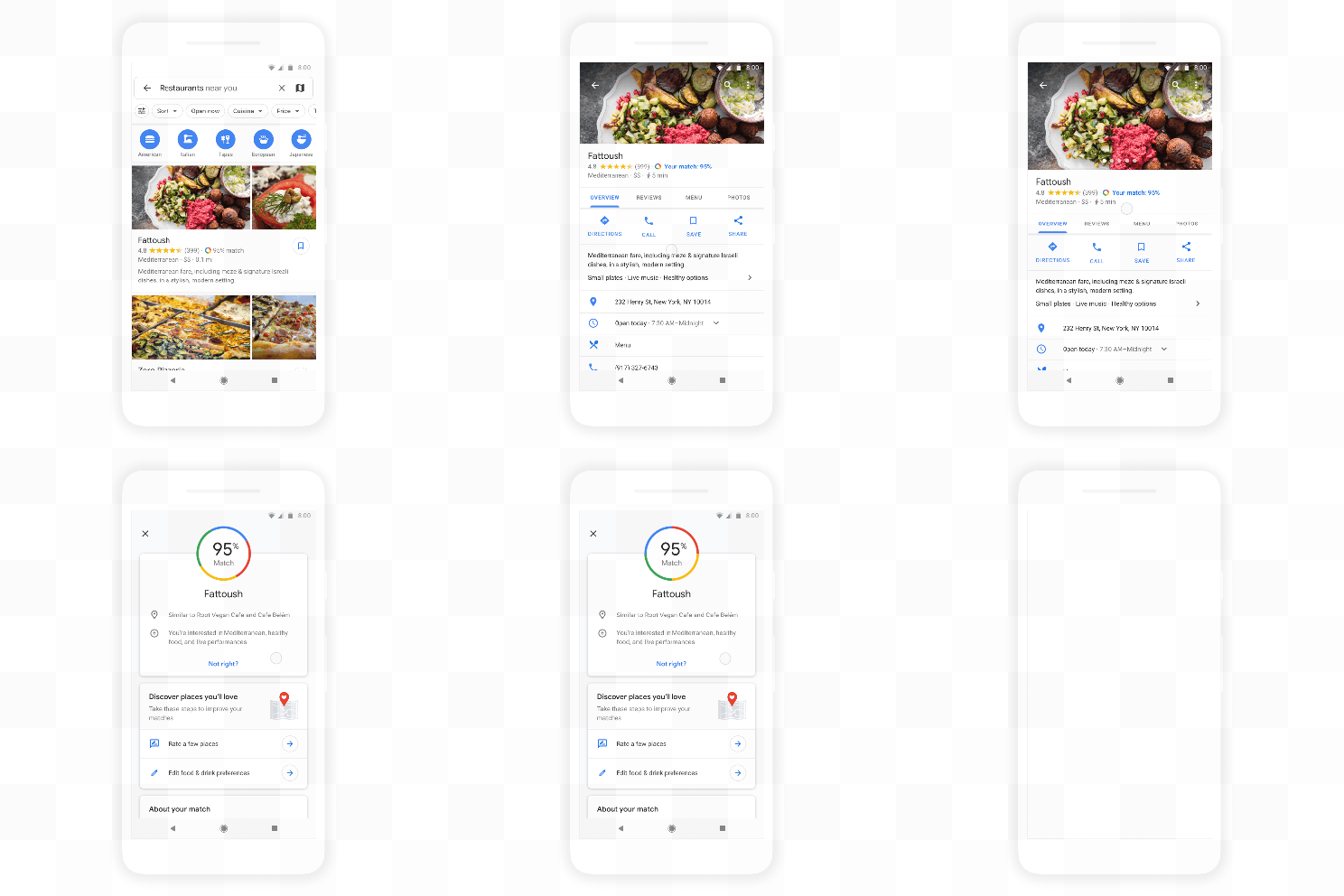 As we discuss in more detail below, Google is expanding aspects of its search experience - in this case local search results - and surfacing them areas other than a basic search results page. Someone walking down the street in an unfamiliar city may not have the time or inclination to navigate away from GPS navigation in Google Maps to look up "restaurants in my area," so now they could have the results of that local search query tiled over an augmented reality viewpoint. This opens up another
  Google is in a continual process of refining its search experience to present users with the exact content that they need in response to the exact query or intent that they have. This was the rationale behind all of the named search algorithm updates as well as the introduction of the customer


