<p><em>昨年の4月、ロンドンで開催された2018シェア グローバル インサイト カンファレンスにNoble Digital Performance社も参加しました。その場で私はパネルで話をする機会をいただき、デジタル業界で成功を収めるためのポイントについてお話しさせていただきました。パネルでは、SEOやコンテンツマーケティングを牽引しているデジタル業界でのトレンドや戦略を振り返りました。</em></p>
<p><em>パネルでは、<a data-wpel-link="external" href="https://noblestudios.com/topic-clusters-seo-content-strategy/" rel="nofollow" target="_blank"><strong>キーワード クラスタリング</strong></a>(トピック クラスターも同意語とします)に関する話が何度か上がりました。キーワード クラスタリングは、SEO業界でのアプローチにおいて重要な要素として注目されてきましたので、SEO業界以外の業界でも注目されてことについて嬉しく感じています。キーワード クラスタリングについてあまり詳しくない方を対象に、今回はキーワード クラスタリングを用いた戦略を導入する方法についてご紹介します。</em></p>
<p>検索エンジン最適化(SEO)は常に進化を続けています。したがって、現在多くの企業が使用しているSEO戦略や方針もこれから6か月以内にはまた新たなアップデートが必要になるはずです。新しい技術の導入や、消費者の行動の変化、検索アルゴリズムの変化などが常に存在するからです。</p>
<p>業界内でのトレンドを常にモニタリングし、各種存在するSEOテクニックを実在する世界で見出し、実証するためには、弊社のようなデジタルマーケティングを専門とする企業にとっても、膨大な時間が必要になりますが、クライエントにとって最適な結果をもたらすためには、時間の投資は欠かせないものです。その結果、今回のように今後SEO業界を変革する可能性の戦略が台頭することに大きな喜びを感じています。</p>
<h2>キーワードの長所、短所、限界</h2>
<p>SEOの核を構成しているのは、キーワードという概念や検索フレーズです。SEOでは、特定のトピックについて誰かが積極的に情報を探し求めており、検索を行うユーザーには何らかの意図があるということを前提としています。しかしこの前提は、これまでに用いられてきた従来の宣伝やマーケティングモデルとは一致していません。これまでの企業では、マーケティングの手法として、企業が考える「ターゲット ユーザーが興味を持っている物事」に基づいて、企業がメッセージを作り上げていました。</p>
<p>多くの人が検索を始める時、特定のトピックに関してGoogleが情報を探しあて、結果に表示することを期待しています。このような検索でどのような単語/フレーズが使用されているかは、SEOを扱っている専門家にとって極めて重要な要素として注目されています。マーケターとして、以下のようなポイントを考慮に入れましょう。</p>
<ul>
<li>自社が提供しているこの内容は、本当にターゲット オーディエンスが求めている内容と一致しているか?</li>
<li>この検索方法から考えて、弊社の製品やサービスを購入する意図があると判断できるか?</li>
<li>自社が提供している内容をよりよく表す他の言葉があるか?</li>
</ul>
<p>このような答えを見つけ当てるには、多くの言葉を推定する必要があります。プラスに考えると、経験豊富な我々SEO専門家は、正確に必要な単語/フレーズを推測することができるでしょう。SEO専門家は、顧客が「何かを調べることを意図して」検索している場合と、「何かを購入することを意図して」検索している場合の違いを判断することができます。またSEO専門家は、複数形や単数形などの違いを考慮に入れてキーワード検索を最適化することができます。しかしそれでもなお、潜在的に読み手になる可能性のあるターゲットの多くを失っているのです。</p>
<p>それは何故でしょう?その理由は非常にたくさんあります。まず1つの理由としては、言葉の偏りがあります。SEO専門家の言葉の選択方法には偏りがあり、それによって検索結果に影響を及ぼしてしまいます。また、様々な背景を持つ膨大な数の人々がサイトを閲覧している中で、このような人々が実際にどんな検索キーワードを入力しているのか確実に言い当てることを期待するのには無理があることも理由の1つです。これについて簡単に例を挙げてみましょう。誰かが「家族との休暇の過ごし方」について調べていると想定しましょう。検索ユーザーが入力する可能性のあるキーワードを以下に挙げてみます。</p>
<ul>
<li>“family holiday ideas(家族で過ごす休暇のアイデア)”</li>
<li>“family friendly holidays(家族向けの休暇)”</li>
<li>“holidays with kids(子供連れで過ごす休暇)”</li>
<li>“things to do with kids in Bristol(Bristolで子供とできるアクティビティー)”</li>
<li>“best family friendly destinations in South West England(イングランド南西地方にある家族向けの場所)”</li>
<li>“travelling with children(子供連れで旅行)”</li>
<li>“holiday ideas with kids(子供連れで過ごす休暇のアイデア)”</li>
</ul>
<p>同じような購入意図をもった検索でも、様々な表現方法があることがすぐにわかります。上記のようなキーワードを実際に検索してみると、Googleが結果ページに表示する内容には大きな差があることにも気づくでしょう。この理由の1つとしては、入力する可能性のある検索ワード/フレーズのバリエーションを企業が選択しており、選択したバリエーションのキーワードに合わせて最適化戦略を展開しているからです。本質的には、これは自分で自分に制限を作り上げているようなものです。</p>
<p><img alt="keyword clustering: a search for “family holiday ideas” on Google" class="aligncenter" height="547" src="https://videos.brightedge.com/assets/blog/keywordclustering-intext1.jpg…; width="543" /></p>
<p><em>“family holiday ideas” をGoogleで検索した場合</em></p>
<p><img alt="keyword clustering: a search for “things to do with kids in Bristol” on Google" class="aligncenter" height="589" src="https://videos.brightedge.com/assets/blog/keywordclustering-intext2.jpg…; width="525" /></p>
<p><em>“things to do with kids in Bristol” をGoogleで検索した場合</em></p>
<p>上記に挙げた2種類の検索結果を詳細に比較してみると、すぐに検索結果ページのレイアウトが異なることに気づくでしょう。これは、Googleが検索を実施している人物に最も関連度の高いコンテンツを提供しようとしているからです。企業が選択したキーワードでページをランク入りさせようとしているこの戦略は、SEO業界で急速に時代遅れのアプローチであると考えられています。これからはより新しく効果的な方法を導入することが求められているのです。</p>
<h2>キーワード クラスタリングを取り入れてSEOパフォーマンスを強化</h2>
<p>シンプルな言葉でキーワード クラスタリングを定義するとすれば、トピッククラスターを取り入れることによって、テーマ別にコンテンツをグループ化することです。コアトピック、関連のあるサブトピックを扱うピラーページ、クラスターページから構成されています。クラスター コンテンツからは、ピラーページやその他のクラスターページにリンク付けします。</p>
<p>一般的には、ピラーページは、様々なトピックを長文で詳しく説明しているコンテンツページであることが多いです。一方で、クラスターページは、ピラーページに関連するトピックをより詳しく扱います。コンテンツマーケティング プラットフォームのHubspotが作成した<a data-wpel-link="external" href="https://www.youtube.com/watch?v=xOGxyw9DSa8" rel="nofollow" target="_blank">この動画</a>(英語のみ)は非常に参考になりますので是非ご覧ください。</p>
<p><img alt="keyword clustering: Sample Topic Cluster for “Workout Routines”" class="aligncenter" height="481" src="https://videos.brightedge.com/assets/blog/keywordclustering-intext3.jpg…; width="654" /></p>
<p><em>Workout Routines (ワークアウトのルーティーン)のトピッククラスターの例</em></p>
<p>私が勤めるNoble Digital Performanceでは、<a data-wpel-link="internal" href="https://www.brightedge.com/enterprise-seo" rel="follow">企業を対象にSEOプラットフォームを提供する</a> BrightEdgeと提携して、2005年以来顧客を対象にキーワード クラスタリングの実施に成功しています。今までは、キーワード クラスタリングを弊社内部で<a data-wpel-link="internal" href="https://www.brightedge.com/blog/content-silo-seo/" rel="follow">コンテンツサイロ</a>という概念で呼んでいましたが、基本的にはいずれも同じ原則に基づいています。各コンテンツ間に意味的な関係や階層を構築することによって、首尾一貫したユーザーエクスペリエンスを提供することができ、検索エンジンに対してより力強くアピールすることができます。</p>
<p>弊社においてコンテンツサイロ(またはトピッククラスター)という考えに影響を受けたのは、旅行業界で複数のDMO(旅行者の目的地が観光をマネジメントするための組織体)を対象に取り組みをした経験がきっかけでした。このような顧客は、様々なトピックで着実に検索エンジンの初めの2ページにランク入りするものの、ページトップの獲得には至っていませんでした。</p>
<p>一例をご紹介します。食事をする場所を探している場合、検索結果ページのトップ10は、Yelp、OpenTableなどのレストランや食事に関連するコンテンツを掲載する一般的なサイトのページが占める可能性が非常に高いのが現状です。一方で、前述のページに比べてDMOサイトのページの品質は高いにもかかわらず、DMOサイトのページが表示される可能性は非常に低いのです。その理由についてサイト構造や、内部リンク、コンテンツの品質を詳しく調べたところ、複数の要因に行き当たりました。</p>
<ul>
<li>トピックに最も関連度の高いコンテンツは、主なディレクトリに配置されておらず、ブログ内に配置されていた。</li>
<li>トピックと関連のあるコンテンツは、トピックに関する主なページやその他のページとリンク付けされていなかった。</li>
<li>同じキーワードで自社ページの内複数のページが競合していた。</li>
<li>関連コンテンツよりもピラーページの品質が低かった。</li>
</ul>
<p>このようなパターンが見られたため、引き続き分析を継続し、他業界との比較も行いました。その結果、コンテンツ量を増加させることによって、DMOサイトはパフォーマンスを改善しました。書けていたのは各トピックにおけるコンテンツ量だったのです。キーワード クラスタリングを導入することによって、コンテンツ量を増やし、同時にパフォーマンスも改善することができました。</p>
<h2>マシーンラーニングの存在とトピック クラスタリングの相性が良い理由</h2>
<p>トピッククラスターは、コンテンツをグループ化し、概念を整理するのに素晴らしい方法であることは明らかですが、SEOにおいてトピッククラスターが効果的であるのにはさらに大きな理由があります。</p>
<p>2013年に、Googleのハミングバード アップデートが実施されたことによって、従来のキーワード中心のSEOに大きな変化が起きようとしていました。検索アルゴリズムがキーワードではなくフレーズに注目し始めたのです。SEO業界では、Googleがキーワードからトピックに重点を置き替えたことがハミングバード アップデートに現れ出ていると考えられています。</p>
<p>2015年に実施された<a data-wpel-link="external" href="https://searchengineland.com/faq-all-about-the-new-google-rankbrain-alg…; rel="nofollow" target="_blank"> GoogleのRankBrain </a>アップデートによって、SEOの専門家らはトピック重視の戦略にさらに注力する必要性に迫られました。Googleのマシーンラーニングを利用したアルゴリズムの導入は、検索を行うユーザーが入力した検索クエリの内容をより正確に解釈することを目的としています。過去に実施された検索を基に、RankBrainは類似したテーマや複数のフレーズやキーワードを参照して、クエリに対して最適な結果を表示しています。さらにモバイル端末を用いた音声検索のトレンド(Googleはモバイル端末由来の検索の内20%が音声検索であることを明らかにしています)を考慮すると、キーワードよりもトピックが重視されていることは明らかです。</p>
<h2>まとめ</h2>
<p>これらを総合すると、私達デジタルマーケターは、選択したキーワードに基づいてページを最適化する戦略を引き続き展開するのではなく、これからはトピックに基づいて最も関連度の高いコンテンツを作成することが益々重要になっているということです。</p>
<p>Googleの進化をみて明らかに言えることは、ユーザーが入力したクエリからGoogleがその意図を解釈し、その意図に対して最も信頼度の高いサイトと結びつけることができるようになっているということです。これに沿った対応をするには、SEOにおけるアプローチに大きな変化をもたらす必要がありますが、これによって検索エンジンでのパフォーマンスは大きく飛躍し、サイトを訪れるビジターのエクスペリエンスも改善されるはずです。トピック クラスターは、ただキーワード検索にとって代わるだけの存在ではなく、ユーザーが検索時に抱いている疑問に効果的に答えを提供することによって、バイヤーズジャーニーに対する理解を高めることができます。その結果、狙い通りに自社コンテンツのビジビリティーを高めることができ、ユーザーのロイヤリティーも獲得することができるでしょう。</p>
<p>またキーワード クラスタリングは、理想的なコンテンツ作成方法です。コンテンツをクラスター(塊)にすることによって、SEOに活かすだけでなく、すべてのコンテンツをアプローチの一部に組み込むことができます。例えば、コンテンツ クラスターを導入することによって、SEOとPPC戦略を統合してAdWords内のサイト拡張戦略に有益な情報を提供することも可能になるのです。</p>
<p> </p>
<h3>この記事の著者について</h3>
<p><strong>Kate Sikora</strong></p>
<p><strong>Client Success Director</strong></p>
<p><em>「プレッシャーに置かれても品格がある。」どうにかなってしまいそうな状況でも多くのことを上手くこなしていく彼女の能力を周りはこのように表現しています。Kate SiloraはNoble Digital Performanceでクライエント サクセス ディレクターの業務をこなす傍ら、日常業務の監督も手掛けています。マンチェスター出身のKate Siloraは、新たなビジネス オポチュニティーを探求しながらも、英国におけるNoble Digital Performanceのマーケティング事業を担当しています。自身の事業でも成功をおさめる一方で、Noble Digital Performance英国チームのデジタル戦略、ファイナンス、人材採用、メンターシップを統合するのに貢献した存在でもあります。スキーとパドルボードが大好き。米国で数年勤務した後2017年に英国に帰国。</em></p>
<p><strong>Noble Digital Performance</strong></p>
<p>ピーナツバターとジャムのように、Noble Digital Performanceは、2つの要因で構成されており、別のものと組み合わせることによってそれぞれが持つ特長をより活かすことができるような特徴を持ち併せています。アメリカを拠点とする最新のデジタル マーケティング企業であるNoble Studioと提携し、Mr. B & Friendsを全面的にバックアップサポートしています。</p>
<p>ネバダ州リノを拠点とするNoble Studiosはグローバルな顧客を15年にわたって担当し、同社の「不可能なものはない」というポジティブな社風とIT業界に関する知識で成功を収めています。技術、想像力、野望が出会う交差点で、Noble Digital PerformanceはMr. B & Friendsと共に更なる飛躍を目指しています。</p>
<p>Noble Digital Performanceの目標は非常にシンプルです。デジタルが持つパワーを活かして、顧客に提供するサービスを常に改善することです。新しいビジョンやインサイトを組み合わせ、実際に結果をもたらします。</p>
<p><strong>ともにより良い結果を残しましょう。</strong></p>


 More than 7,000 people have passed the BrightEdge certification, making it the largest certified enterprise SEO community in the industry. BrightEdge Certified Professional is an often-cited requirement in job descriptions as more than 1,600 companies and 57 of the Fortune 100 companies use BrightEdge. This quarter we released a beta version of the Update Certification that covers: Home, New Settings, ContentIQ, Anomaly Detection, HyperLocal, Intent Signal, and Insights. New videos are available in the study guide link below the test link. We just published 51 new product training videos. To find the new videos and exam BrightEdge customers will: Log in, Go to Settings > Profile and Preferences > Get Certified, and then Certification Training Videos and after you review BrightEdge Update Certification 2018. We are updating all the training materials again for release in early Q4.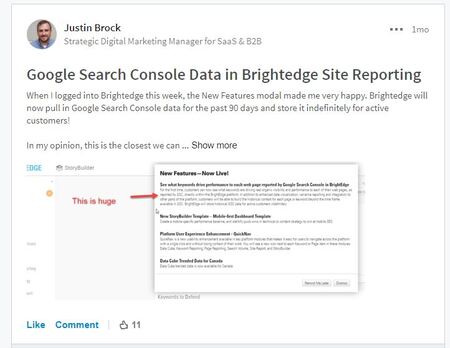
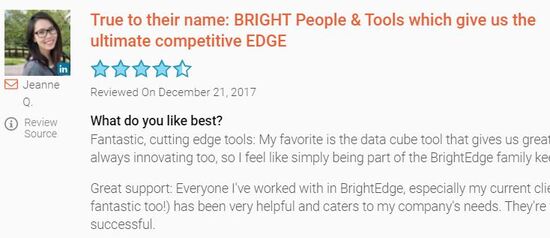 your opinion on the product and the service BrightEdge provides. Here's what Chad Hallert of Noble Studios had to say in his review: "The BrightEdge SEO platform offers access to a tremendous depth of insightful data that can be used to better inform your SEO strategies and ensure program success. We leverage the platform for virtually all of our SEO clients, and have found a benefit both in terms of the overall results; as well as our internal efficiency in identifying and executing on opportunities.