
Daltile Drives Content Marketing Success with BrightEdge

Amy Rehmeyer, Director of Digital Marketing, leverages BrightEdge to produce video and top-of-funnel content for Daltile

Building Backlinks Through Content Strategy

enewton@brightedge.com
M Posted 6 years 10 months ago
t 9 min read

When it comes to SEO and optimization, building backlinks are a powerful tool in the marketing toolbox.

Backlinks draw people to your website who might not have otherwise discovered your content. The people who click through to your site from another website are also predisposed to trust what you have to say. They were visiting a website they viewed as trustworthy, and that website vouched for your site by linking to you. Therefore, the people who land on your page will be more inclined to engage with what you have to say.

building backlinks with brightedge can help attract positive attention to your site.

Building backlinks can also offer powerful ammunition for SEO. Google works to understand how the various websites fit together and which ones customers will likely view as trustworthy. Backlinks help them better understand which brands other sites view highly enough to link to. Pages that cultivate a number of backlinks from other well-regarded websites will therefore be viewed as having a solid reputation within the digital ecosystem. This will boost the page’s ranking on the SERPs, thus attracting even more attention for the content.

Given the benefits of backlinks, businesses should understand the optimal ways to attract this type of positive attention. Here is what everyone should understand about backlinks and some of the best strategies organizations can use to build their backlinks.

Building backlinks

Building backlinks does present a challenge for many businesses. Since the early days of SEO, people have promoted backlinks to attract attention of Google and site visitors. Over the past few years, Google updates have cemented the idea for people that backlinks only offer value when they come from other quality websites and that brands should focus only on positive backlink building strategies. These strategies might take longer to start to produce results, but the value they produce is infinitely higher. When it comes to nurturing backlinks, quality remains the supreme criteria.

People sometimes note that brands can put ‘nofollow’ on the links within their site, and this diminishes the value the backlinks can provide for SEO purposes. While this is true to a degree, it does not eliminate the benefits of backlinks. To begin, the traffic the link drives remains intact. The trust that customers are more likely to have in the site upon their arrival also remains. The increased traffic and improved engagement metrics will still boost SEO for the site, even if it is not as dramatic as a standard backlink.

Surveys and research for building backlinks

Surveys and research offer you the chance to add something original to your industry, which makes it easy to establish yourself as an authority. Solid surveys and research will help you catch the attention of others in the industry and encourage people to build backlinks to your material. The content you produce can be used to support material that other people produce, which will then encourage building backlinks.

The research and surveys you produce will also likely interest those who participate in the survey. They will feel encouraged to read the results and may produce their own content on the final statistics and insights. This will naturally encourage additional content that links back to your results.

Surveys demonstrate the importance of original content in building backlinks with Brightedge

You can promote your surveys and research in third-party publications across your industry as well as social media. This will help the results of your work gain the most possible attention, and it will help you start building backlinks to yourself.

In general, original research and surveys offer strong opportunities for cultivating backlists as they offer more objective insights rather than just your opinion or impressions. It will encourage people to link to your material or at least mention it-- and the name of your company. This all works together to improve the reputation of your organization.

Newsjacking for building backlinks

Newsjacking can also provide valuable opportunities for producing backlink-ready material. By closely monitoring news sources and trends on social media, you can be ready to jump at potential topics as soon as they arrive, making your material among the first to be published in the industry on the topic. This increases your visibility and makes it easier to engage users.

As one of the first to discuss a particular rising topic, your content will attract attention on the SERPs. It will be easier to get your page ranked highly, which will boost the clicks and traffic your piece receives. You will then naturally increase the number of backlinks you receive as people find and then link to your content as they start to research this emerging topic.

Earning your place as one of the first leaders to discuss a particular topic makes it easier to further enhance your reputation and encourages people to listen to what you have to say. You present yourself strongly as a leader in the field and encourage people to remember your brand and organization.

Backlinks and the sales funnel

Building backlinks have value for brands throughout the sales funnel. They can play an important role in nurturing new leads and coaxing them through the path towards conversion. At the top of the sales funnel, the backlinks make it easier for brands to get their name and content in front of those interested in conducting research and learning more about solutions to potential pain points.

Newsjacking to nurture backlinks can be particularly beneficial for these top-of-the-funnel visitors. By producing content related to the latest trends and news within your industry, you will attract the attention of those just beginning to inform themselves about your sector.

Towards the middle and bottom of the funnel, customers want to see what sets you apart. For more information about how to nurture mid-funnel customers, read our post on creating material for the mid-funnel here.

Backlinks created through original research will help to establish your reputation as a leader within your industry. Prospective customers want to know why they should trust you over other brands within the industry. Original research and surveys that receive links within other industry publications will increase your positive brand mentions and your reputation as a thought leader. This will help you set yourself apart from others.

Measuring and building backlinks

As you engage in these positive link-building strategies, be sure to regularly monitor your progress to gauge your success. Don't forget to check in on broken backlinks that lead to orphan pages, too. The BrightEdge platform offers a backlink tracking feature that makes it easy to see how your efforts correspond with building backlinks. You can see which types of content and investments correspond with the greatest increase in backlink attention. You can therefore modify your strategy when needed and continue to build your backlist directory and the reputation of your site.

Backlinks offer your organization tremendous potential for building reputation and attention on the SERPs. By driving more interested traffic and giving your site an SEO boost, no brand can afford to overlook the potential for building backlinks. Use a content-driven strategy to increase the number of sites that link back to your page, and build your position within the industry, and exercise the power of the backlink throughout your sales funnel.


Mid-Funnel Marketing: Creating Content for the Middle of the Journey

enewton@brightedge.com
M Posted 6 years 10 months ago
t 9 min read

When discussing the customer journey, a lot of people focus on the top of the funnel. They understand the importance of attracting attention through educational and thought leadership pieces. They also produce ample content for high-volume keywords that encourage people to find, explore, and build trust in organizations that gain a visible position in SEO, social, or press.

brightedge explains why brands need mid-funnel digital marketing

In addition to the top of the funnel, brands tend to focus on the bottom of the funnel. They offer webinars, demos, and product-oriented content that helps get customers to decision. They want to ensure that people on the verge of converting receive that extra push they need to make the commitment and buy.

Where many organizations fall short, however, is mid-funnel digital marketing. They don't create content that nurtures people from those initial educational stages and warms them up to get them ready for the demos and other end-of-funnel content. This stage, the mid-funnel digital marketing stage, requires special consideration.

Learn more about content mapping with the free BrightEdge content funnel mapping checklist.

Mid-funnel digital marketing is tricky because the prospect is interested enough trust to share some contact information with you, but not yet enough to move forward with a transaction. You need to build that intent before they lose interest.

Brands who are able to master this phase will see a noticeable increase in their ability to nurture customers all the way through the funnel. It's in the mid-funnel that customers look to see what makes your brand stand out against the competition. Here they make the transition from educating themselves about their pain points and possible solutions to evaluating their options. Creating content for this phase will generate warmer leads for the sales team and help the lead nurturing strategy succeed.

We wanted to dive into what makes the stages of mid-funnel digital marketing unique and what types of content you should use to target people here.

How the middle of the customer journey differs from the beginning and end

To begin creating ideal content for customers in the middle of the customer journey, we must first explore what differentiates the top of the funnel from the middle.

At the top of the funnel, people are aware of their pain points. They know that they have a problem that needs to be solved, but they are unsure of the potential solutions. Thus, they conduct research almost always involving SEO, and that's where mid-funnel digital marketing comes in.

By the time someone has reached the middle of the funnel, however, they have already formed some solid ideas about potential solutions for their pain point. Their concern now lies with evaluating these different solutions and selecting the one that will work best for them.

Customers during this stage want to know how you stand out against the competition. They want to know why they should listen to your ideas and purchase your product over that of others in the field. They want to know if they can trust you to solve their problem and provide them with an effective ROI.

Use Brightedge's datacube for content research to create content for mid-funnel digital marketing

In other words, people in the mid-funnel stages have begun to evaluate different solutions and compare you to your competitors. To effectively navigate this stage, you must present them with a strong case for trusting you and your product. These customers are not yet ready to buy. You want to warm them up so that they seize the opportunity to consume your bottom-of-funnel content of promotions and demonstrations.

Common mid-funnel digital marketing mistakes

As mentioned, brands build content for their customer funnels, the most common mistakes involve creating ample top-of-the-funnel content and a decent amount of bottom funnel content but neglecting the middle. Brands work hard to attract attention and readership, and they effectively present how to use their product or service for maximum benefits, but they do not warm people up along the way.

Many marketing teams also neglect collaborating with the sales team. Sixty percent of sales teams say that collaboration with other departments increased their productivity by at least 25%, and this is an excellent opportunity to engage in effective teamwork.

Sales teams can lend valuable insight into what customers like to see as they progress through the middle stages of the funnel, improving the ability of the marketing team to produce applicable content.

In turn, the sales team can use the content produced by the marketing team to engage with prospective customers and have material at hand to offer them when these common questions and objections arise.

How to create content for the middle of the customer journey

As you develop content for mid-funnel digital marketing, there are a few different places you can look. Start by combing through all the existing data you have on your customers. This current information can be used in a variety of ways and will provide you with a number of different content ideas.

Case studies

To begin, develop case studies and similar applied use case exposition. These case studies clearly demonstrate the ROI you achieve for customers within particular spaces. This can be powerful for customers comparing you to other brands within your industry. Showing the ROI that customers in similar spaces saw can help others begin to visualize how you can help them see similar results. For B2B brands that also need to persuade others in their organization to approve budget for the purchase, demonstrating this concrete ROI can be beneficial.

brightedge demonstrates how case studies can assist with mid-funnel digital marketing efforts

These case studies can be sent to prospective customers directly through the sales representative in contact with them. It should also be available through search, optimized for keywords that related to the results customers saw. Look for keywords centered around ‘results’ and optimize the site content for these terms.

Understanding common questions and objections

You also want to connect with your sales team to learn more about the questions and objections prospective customers commonly pose to them. See what often slows down the process of persuading customers to buy. You can then coordinate to create content that addresses these common objections. Share this content with the sales team so they can pass it on to customers who raise these questions.

Optimize your mid-funnel digital marketing content also for keywords related to these objections. Although these keywords may not have the high search volume of your top-of-funnel keywords, they have just as much of an important role: they are targeted to customers who have progressed to the mid-funnel and have raised these specific objections.

Analyze what convinced existing customers

Finally, dive into the deals you have won; specifically those who were sourced through organic. See what types of content coaxed these customers through the customer journey. Gauge the types of content and types of conversations you had with these converted customers as they moved though the journey. Use this to determine the types of content that have the greatest impact on customer conversion. You can use this to guide your preparations for future mid-funnel digital marketing.

The middle may be the most challenging to develop a content strategy and content for. Customers do not have the clear-cut interests that can be measured through keyword search volumes. They also do not have the obvious product questions that arise towards the end of the funnel. Understanding how to optimize for mid-funnel digital marketing, however, can breathe an incredible amount of life into your customer journey and help encourage an increasing number of customers to progress from the early funnel to the end.

Learn more about content mapping with the free BrightEdge content funnel mapping checklist.


Millennials and the Search vs. Social Debate

maspillera
maspillera
M Posted 7 years 3 months ago
t 9 min read

Millennials have a reputation for being the social media generation. They were the first digital natives to reach adulthood, and they have now entered the economy and job market, influencing how businesses across the board market and interact with their customers.

The numbers that describe the role of millennials in the workforce are impressive:

  • They make about a quarter of the US population
  • In the last five years, 87% of Millennials in the workforce have taken on management responsibilities and the buying power and influence that goes along with them
  • More than half have either started their own business or expressed an interest in doing so

how millenials use search vs social 

It is clear that brands that neglect the millennial population are doing themselves a disservice. What has not always been clear, however, is how those within this generation interact with the digital world and brands online. Companies want to know about millennial usage rates between social and search and how this will impact their marketing campaigns and user engagement. Businesses need to know how to connect with this generation of consumers.

Here is what some of the latest research has indicated about millennial internet usage and what organizations should do to build themselves a solid audience with the millennial generation.

Differences in usage between Millennials and Generation Z

Before we can begin to analyze how Millennials use social media and search engines, we must first be confident in our definition of Millennials. This generation is generally described as those born between the early 1980s and about 2000. They were the first generation of digital natives as they were able to start integrating technology into their daily lives before they entered the working world. There will certainly be a large difference between someone born in the early 1980s and someone born in the late 1990s. This generation can generally be considered all adults now, as the youngest Millennials will celebrate their 18th birth at some point during this year.

That means that the generation born since 2000 has an entirely new name, commonly referred to as Generation Z. There are some key differences between these two generations of digital natives, though they may seem subtle. Namely, Millennials tend to turn to social media more for the social aspect, they like to update statuses and check in with their friends. Generation Z, on the other hand, tends to migrate more towards using social media for entertainment and content.

Across these two digital generations, however, there are 5 main reasons for using social media that brands should keep in mind. They use social media to:

  • Fill up their free time
  • Find content that entertains them
  • Stay in touch with their friends
  • Keep themselves updated on what happens in the world around them
  • Share their own content, such as photos and videos

How Millennials use search versus social when online

To better understand how millennials interact with social media, data has been collected to see how they gather information in real-world scenarios.

For example, one survey examined how people would look for recommendations for a new dentist. They found that only 5% would turn to social media and those in the millennial generation were actually more likely than those older than them to turn to search engines to find this type of information. Similar results were recorded in other types of information-gathering situations.

Social media was essentially viewed as a place to solicit the opinions of many people at once, but when people need more concrete answers, they turned to different solutions, like Search.

The survey also found that 97% of people conduct at least one search per day. It is interesting to compare this to social media usage. Although usage has definitely risen dramatically over the past few years, only 69% of adults-- in contrast to search engine usage-- actually log in each day. Brands need to understand how millennials use search vs social media - brightedge

For those in the millennial generation, 62% of those asked reported performing at least 5 searches per day, and 68% of this generation also reported that they did nearly all their searches on phones.

In other words, despite the rise in social media usage, search remains a critical part of any successful digital strategy. While the younger generations turn to social media for entertainment and engagement with friends and even brands, when it comes to looking up information, turning to search engines remains the most popular option.

How to effectively engage Millennials

Devising a digital strategy that will target Millennials requires brands to consider how they use social and the search engines. No one can afford to neglect their Organic and search engine paid strategy, even if their target demographic is comprised largely of Millennials. All brands will need to follow the organic search basics of:

  • Targeting keywords of interest for the prospective audience
  • Developing content that offers value
  • Including images and structuring content to make it user- and spider-friendly
  • Monitoring your sites progress on Google Analytics and through platforms like BrightEdge to make sure you understand the performance of your site, traffic, and how well your prospects respond to the content your produce.

Social media provides the opportunity to share content that relates to entertainment and information that customers will appreciate. Remember that when it comes to finding more practical information, people still turn to search engines. Therefore, brands should not depend on social media to help prospective customers discover their value, they should instead be viewed as opportunities to nurture relationships.

Material that will promote sharing and social engagement, particularly contests, user-generated content, and content that focuses on providing entertainment will be the most successful on social media. Publishing and promoting this type of information will provide the greatest opportunities for promoting the brand, generating social proof, and uncovering more potential customers interested in engaging further with the organization.

Millennials have undoubtedly turned commerce upside down with their priority of digital media. The better brands can understand how Millennials interact online, the easier it will be for them to create sound strategies that engage with these digital natives and drive business growth.

4 Easy Steps to Using Instagram Marketing to Drive Your Brand

gregalbuto
gregalbuto
M Posted 7 years 4 months ago
t 9 min read

Instagram has established itself as one of the most popular social media platforms. It boasts one billion users, 500 million of whom use it every day. It began as a platform that appealed to younger generations, and its younger audience has stuck around while also expanding into other demographics. Fifty-nine percent of users are under the age of 30, and 72% of teens use it every day.

Instagram marketing can drive SEO and brand growth - brightedge

Visuals are the heart of the platform. It taps into the popularity of images and videos across the web. Brands can use this platform as an effective way to engage with prospective customers, particularly brands who have target demographics that trend younger. Users on the platform respond well to paid advertising -- 65% percent of the top performing posts on the platform contain featured products.

Even outside of paid advertising Instagram marketing on the platform, brands have a number of ways to build organic success. If you want to take your profile and campaigns to the next level, here is what you need to know about effective Instagram marketing.

1. Optimize your profile

Your profile offers space to create a strong first impression for your followers. That said, you don't have much space for a profile biography -- only about 150 characters -- so you'll have to be efficient. Consider important keywords related to your industry that might interest users and incorporate when possible. Use keyword research to better understand the terms that people are interested in.

Part of optimizing your presence on a social platform also includes your company profile picture. Instagram is a highly visual platform, which means that the image you select for your company profile picture can have a tremendous impact. Select one that engages users, calls to mind the casual atmosphere of this social platform, and encompasses your brand associations.

2. The importance of influencers on Instagram marketing

The consideration stage of the buyer’s journey for many users now includes validation from social. Recommendations from friends and family remain the most trusted form of "advertising," and influencers help to fill this role. People are 10 times more likely to be influenced by a non-celebrity blogger than a celebrity endorsement, and they're 30% more likely to purchase something that has been recommended by a non-celebrity blogger.

Influencers, therefore, can benefit from Instagram marketing efforts. They provide trusted reviews for potentially hundreds or even thousands of people. This can encourage people to select your product over that of a competitor.

Instagram Influencers have a powerful impact on customer spend - instagram marketing with Brightedge

Choosing which influencers to work with, however, can be a challenge with Instagram marketing. Consider these tips when making a selection:

  • Consider the audience the influencer reaches. You want to find someone who aligns well with your target audience. There can be influencers within your sector who target slightly different audiences, such as discount products or small-to-medium-sized businesses.
  • Think also about the voice the influencer projects. As an influencer, they will help to broadcast your brand to others. You do not want someone with a dramatically different voice to reach out to your prospects. While you might not find someone who aligns directly, you want to make sure that the voice does not vary so much that customers develop the wrong associations with your organization.
  • Make sure you can still differentiate your brand with Instagram marketing. Some brands end up making mistakes with influencer marketing by doing little to separate themselves from other products that the influencer might be mentioning to customers. With Instagram marketing you do not want to lose your brand voice and let the products or services you sell become just one of several that this particular Instagram influencer markets on your behalf.

3. Use Instagram Live to drive direct interaction with your users

Instagram allows users to create live streaming videos to actively engage with other users online. Using this feature is a fantastic way Instagram marketing drives brand reputation and connections with prospective customers. Remember that customers like to feel a personal connection with the brands they buy from. Instagram Live amplifies this personal connection, making it appealing for many users.

Not only do Live posts help prospects feel like the brand is speaking directly to them, but they also allow for opportunities for customers to ask and receive answers from brands in the moment. This creates even more of a semblance of a conversation, driving a strong relationship. To maximize your Instagram Live potential consider these tips:

  • Consider moments that customers will likely be interested in. For example, if your brand hosts events, you can offer viewers an Instagram Live video with snippets of talks from the event, interviews with attendees, or other snapshots to build interest.
  • You can host opportunities for brands to interact with certain members of the company, such as the CEO, CMO, or other leaders. They can be on hand to answer questions for users.
  • Behind-the-scenes tours of the brand headquarters, information about impending releases, and similar important moments can also drive engagement.
  • Before your livestream, build excitement with users. Let them know about the impending video, encourage them to pre-submit questions, let them know why they should join the video.
  • Select broadcast times that will be convenient for the most number of users. Look at when most people read your posts to gain this insight.

4. Run user-generated content campaigns with branded hashtags

User-generated Instagram marketing content can be a great way to engage with users. Customers place more value on the buying habits of fellow customers and non-celebrities than official promotions. This explains why they appreciate recommendations from those they trust -- including non-celebrity bloggers -- and why things like social proof can provide so much value. Contests that employ user-generated content will promote your material across the platform as people submit proof that they use your products or services. This boosts brand awareness, social proof, and influences people in the consideration stage of the buyer’s journey.

UGC contests drive brand awareness and engagement with instagram marketing - brightedge

When designing your user-generated content contest, there are a few factors to keep in mind:

  • Before you begin the contest, outline what you want to accomplish, who you will target, and the type of prize and entry system that will appeal most to your target audience.
  • Create a theme that will appeal to participants and a prize that will excite them.
  • Create a unique, memorable hashtag that allows your contest to thrive. There's a number of free hashtag analyzer tools out there that can help you to both target and differentiate effectively.
  • Know how you will choose your winner. Make sure it is an objective system that keeps the contest fair.
  • Outline the terms of your content and have all the important people at your organization review it, including your legal team.
  • Promote your upcoming contest across all platforms, but particularly on Instagram. Make sure your followers know how to enter and what they can win.

With its popularity and ability to influence users, Instagram marketing can be an excellent tool for engaging prospective customers and building brand awareness. As you begin building your Instagram account, consider how these tips can help you create a stronger profile and presence.

brightedge request a demo

Content Silos and Value for SEO - Part 2

mkirchhoff
mkirchhoff
M Posted 7 years 11 months ago
t 9 min read

Content silos are the second part of a three-part strategy. Explore Part 1 and Part 3 of Michael's in-depth series. When people hear that they need to improve their SEO and content marketing efforts, they often jump feet first into blogging. Unfortunately, without a strong website architecture, the potential impact of blogging is greatly diminished. Countless businesses create a flat website structure, which means that they have their website or blog, but they are not organized based on a clear content hierarchy. Often the blog covers a range of different topics, but there is little organization to the posts. They all have completely unique URLs and they have random internal links that take readers all around the blog, haphazardly crossing topic lines. These links are more for the sake of linking, rather than as a part of a useful SEO strategy to provide structure to the blog and improve comprehension. Google states clearly in its Webmaster Guidelines, “Design your page to have a clear conceptual hierarchy.” The establishment of this type of structure makes it obvious to the search engine your level of expertise in the subject and the depth of the experience you are able to provide for a user seeking answers in this particular area. The best way to fulfill this technical SEO criteria is by developing content silos.

What is a content silo?

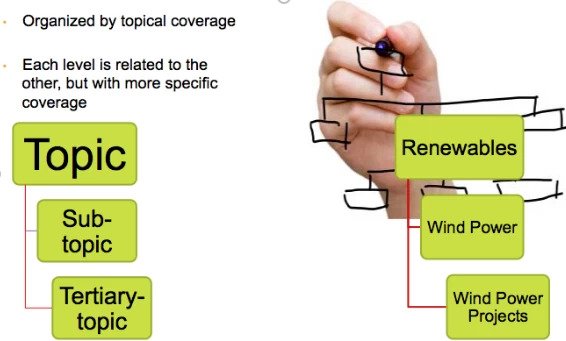
Content silo structuring describes a form of technical SEO that helps you organize your material based on relevant content. In a content silo, you will have several layers of material for a particular topic. At the top you will have a more general page that answers a broad question, for example, “What is SEO?” Each layer below that general topic dives more deeply into related subjects. understanding content silo structure - brightedgeYour “What is SEO?” silo might be divided into “On-Page SEO” and “Off-Page SEO.” On the third level, your “On-Page SEO” might be divided into pages that deal with topics related to keyword research or alt tags, while “Off-Page SEO” will look at topics related to influencer marketing, building backlinks, and social media. A content silo allows you to organize content based upon user needs and search behavior so you can maximize the traffic you capture and your brand reach. You will research the topics that matter the most to your audience and be able to create an organized grouping of content that will explore their topic of interest thoroughly, allowing them to click on different links and learn about related ideas. This will firmly establish your brand as an authority in the field.


The connection between the content silo and the semantic web

The goal of technical SEO is to build a stronger, more efficient site. With content silos, you are able to organize your pages so that users can easily find their way around the domain and learn more about the topics that interest them. Google understands how your site is organized by following internal links, so the silos also help Google see the expertise you have in a particular area. Since the silos help you organize your thoughts and ideas and build categories around topics, you are also able to clearly demonstrate competence in a particular area, which will then help establish your domain authority. It is also important to note that the major Google updates in the past few years, including RankBrain and Hummingbird, have also forced a major shift in emphasis in content development. Prior to these algorithm updates, keywords were the cornerstone of helping Google understand your relevance to a particular topic. RankBrain and Hummingbird, however, are more oriented towards semantic search--the understanding of user intent and context. That means they do not just match keywords in queries to those in text. Instead, the algorithm uses semantics to "understand" text by looking at the language used throughout the material to grasp the meaning and relevance. When you create silos, you will naturally develop text and visuals around the common questions within a particular topic area. Since the content will be connected, Google will be able to "see" that you are an authority on the subject and that your material is highly relevant for the semantic web. A content silo, therefore helps you make your content more appealing to the intent-centered practices of the modern Google algorithm.

How do I use silos in my SEO strategy?

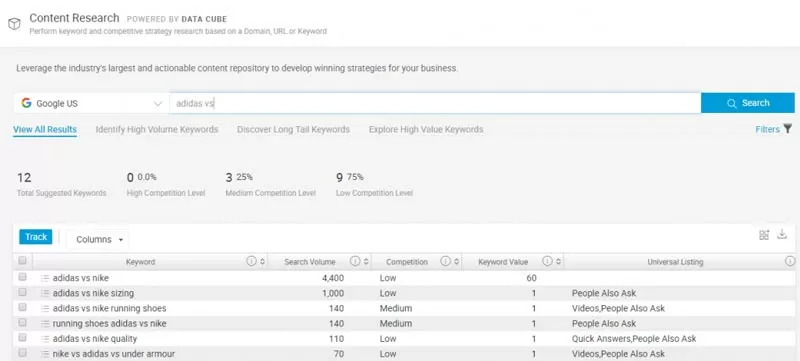
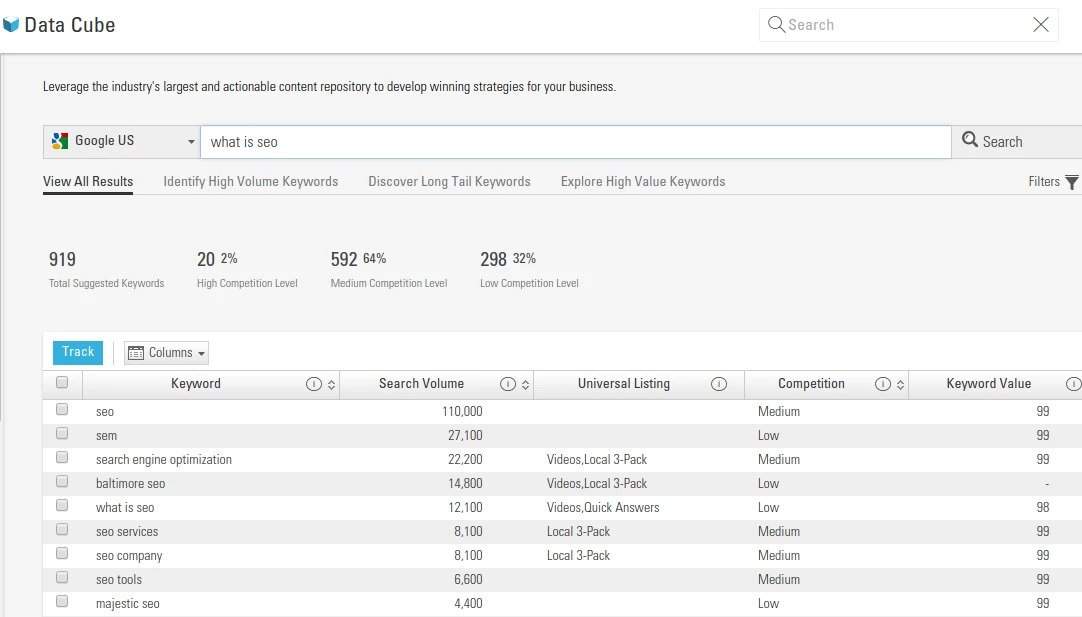
Silo structuring for your content requires breaking down your material into various categories and beginning to rank the pages as the top page for that topic, a secondary page, or a tertiary page. Since these silos are being constructed as part of a technical SEO strategy, however, it is important that you make these categories wisely. Base each category upon search volume, user behavior, and your buyer’s journey--or conversion path. Remember, silos are intended for your visitors first, and are a central part of the UX design. Search engines, and helping them understand the website’s topical and contextual meaning, are the secondary target. Ultimately, the ideal strategy is to closely align your content coverage to high-performing and extremely relevant keyword groupings at each level of the silo. Each topical name should represent a high-performing head-term. The topic will then have a keyword universe that is tightly correlated with the head term and the content coverage found at each level, therefore providing semantically relevant words for the silo. Tools like BrightEdge Data Cube, Google Keyword Planner and BrightEdge Recommendations can make it easy to pinpoint important keywords that can be broken down into the different levels of the silo. You can use the tools to explore the different subtopics that are commonly associated with your main keyword, better understanding the material that users and Google will want to see at each level of the silo. finding content silo keywords - brightedge You can use Data Cube, pictured above, to find related keywords that can help you build your silos. Keep in mind that each level of the silo also serves a very specific purpose in the buyer’s journey. Therefore, many of the top-level and secondary pages may serve as aggregators for that topic’s content. Links within the content will encourage people to move further through the buyer’s journey, further engaging with the brand and guiding them closer to conversion. Think of an ecommerce website that sells clothing. One silo may be Women’s Clothing > Jackets > Winter Jackets. Another example may be a blog covering renewable energy, where the silos represent the various types of renewables. For example: Wind Power > Wind Power Projects. As people progress through the silos, they learn more specifically about the organization’s depth of knowledge and what they have to offer about the different subjects. They build their relationship with the brand and eventually get closer to a website conversion. As you begin to organize the content into these categories, you may also find it beneficial to use your URLs to further emphasize your silos. For example, a URL that says yourexample.com/blog/seo/offpage/influencer-marketing will clearly indicate that this is a tertiary level of the silo and that it is a page under the Off-Page heading, which falls under the SEO category of the blog. Structuring your URL this way not only boosts your UX strategy and helps Google to understand your site, but it also makes it easy for people to see where they are in your site and how they can get to other sections they might be interested in reading. Content pages can be located within a specific URL silo, but often content belongs to multiple silos. For example Women’s Red Puffer Jacket could display in silos covering:

  • Women’s jackets
  • Puffer Jackets
  • Red Jackets

Depending on how your site is architected, you could easily end up with duplicate content. Canonicals can help resolve that sort of problem, but it’s better to address it with clean silo architecture. This issue is discussed further in the taxonomy and semantics parts of this series, but here is an overview. There are numerous approaches to solve this problem. One approach is to have the content reside alongside the top level of the taxonomy. In this example, content would display something like this:

https://www.domain.com/content/name-of-my-new-blog-post.html

This solves the problem of potential duplicate content, while also placing the content higher in the website architecture, which provides greater authority. Furthermore, many SEOs agree that having a page closer to the root domain or home page may provide an authority boost. Including the targeted keyword or latent semantic indexing keywords in the URL can increase that boost. Technical SEO should never be neglected. Building a content silo is an effective means of keeping material organized, helping both your readers engage with your site and Google to understand your authority and expertise. Silos make it easy to organize your site with deep structures and a clear content hierarchy. Brands who want to see genuine results from their content production efforts need to work on developing strong silos to maximize the effectiveness of their efforts.  

Five Common Mistakes in Making Smart Content

A BrightEdger
A BrightEdger
M Posted 8 years 2 months ago
t 9 min read

Don't make these mistakes while making Smart Content

Making smart content can seem straightforward once you know the framework. We walk through five of the common but easy-to-miss mistakes. The Smart Content framework enables brands to increase content performance on SERPs, boost their share of voice, and get more high-intent customers to engage with their website content. The framework essentially works like a carpool lane, enabling brands to bypass the traffic congestion caused by too many sub-optimal content pieces, most of which are never discovered by their intended audiences. Offering a clear checklist that performance marketers can follow to make their content perform better, the Smart Content framework enables brands to differentiate their content and realize tremendous success. But there are a few mistakes you don't want to make while making Smart Content that you'll need to keep in mind as you take on improving your content ROI.

  • Ignoring content goals and strategies
  • Developing generic content
  • Using rigid content molds
  • Failing to add enough internal links
  • Neglecting CTAs

1. Ignoring content goals and strategies

Often we see marketers who create SEO management plans and rush to pack new content pieces with SEO goodness, mobile best practices, and effective CTAs and in that mad dash minimize or ignore their overarching goals and the content strategies they would employ to achieve them. Content that is created ad hoc with no thought of how it is supposed to serve a bigger purpose than just getting more website visits isn’t smart - no matter how much it was optimized. The reason for that is that content pieces rarely work in isolation. You need to create a cluster of content pieces that, when crawled and indexed, can position your site as an authoritative domain. And so the first thing to do is to figure out what is your concrete goal for the content. Here are a few goals and their accompanying content strategies:

Goal Strategy
Become known as a thought leader on a new topic Prioritize topics that are featured in Quick Answer boxes
Create awareness for a new retail location Prioritize topics that are location-sensitive
Show quick content ROI to justify bigger investment Prioritize topics with high demand (search volume) and weak competitive authority

Watch our B2C webinar and B2B webinar recordings for more information.

2. Developing generic content

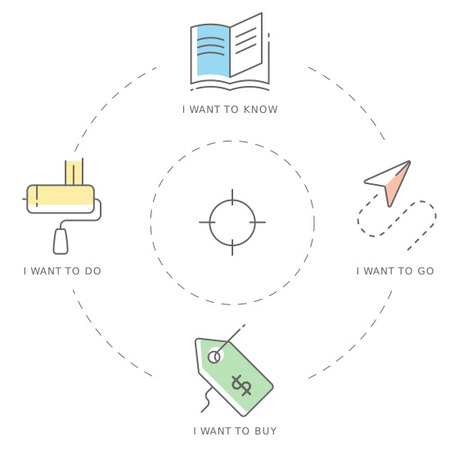
We see this problem a lot: the brand discovers a need to develop thought leadership in a new subject, so it develops an overly broad 3,000-word encyclopedic dissertation about anything and everything that can be said about the subject. Bad idea. Smart Content writers need to think about the top-of-funnel, which is the new search engine results page. This is the best place to establish thought leadership in a new subject - as an auction house. The search engine effectively auctions its users to content writers. It looks for content that can best address the needs of each searcher. It ranks the content based on how it anticipates the content to meet the need. And so, when given the task to conquer a new subject, writers must first identify the full list of intents that customers may have related to the subject. They can use the Google micro-moments framework to identify queries that represent I-want-to-know, I-want-to-go, I-want-to-do, and I-want-to-buy intents. making smart content using brightedge Once they divide their topics into these four groups, writers should develop a taxonomy of parent and child topics, which their content items will address as a unified cluster. They can determine the type of content they should develop for each intent. By following this approach, writers can more accurately target specific customer intents and increase the likelihood of winning more SERP auctions.
3. Using rigid content molds

When fully embracing the Smart Content framework and making smart content, there’s sometimes the tendency to templatize and systematize everything, including copy. Writers lock in on a certain style and tone and produce content that follows a rigid structure even when varying their content topics considerably. While this process speeds up production, it can lead to publishing content that might be targeting specific intent but falling short in addressing it. The key thing to remember here is the need of the readers and their intent behind the search. Some intents, such as “go get a flu shot,” can be addressed with a short and simple store locator page. Other intents, such as “learn to develop a progressive web app,” must be addressed with much longer and more complex content. Instead of using a rigid content mould, writers should vary the characteristics of their content based on the underlying intent that the content is to address. Content should vary on at least three measures: its length, readability level (the Flesch–Kincaid test can help), and keyword density (how often semantically related keywords repeat themselves). How can writers tell the right length, readability level, and density for each topic? The best thing to do is to examine the top-ten content items that rank on the SERP for that topic and average them out. Solutions like BrightEdge Content can do this work for you.

4. Failing to add enough internal links

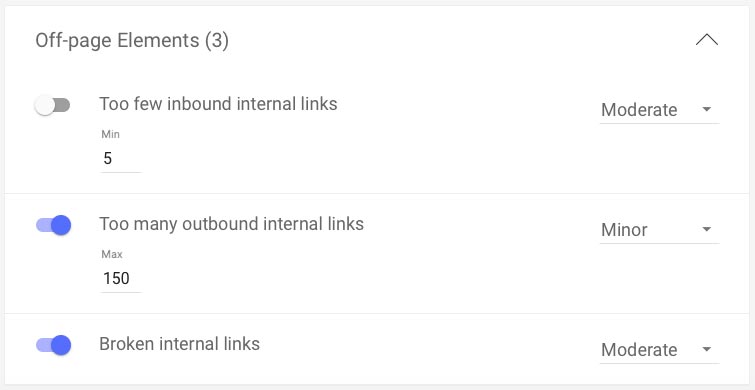
When making Smart Content, your creations perform partially because it’s highly discoverable. Search engine bots and website visitors must be able to find new content quickly and understand how it relates to the rest of the content on the site. The more internal links are pointing to and from each content item, the more easily these content items are found. The problem is that marketers who work on large domains cannot retain in their heads the full taxonomy of their site and make good judgement calls on how to deploy internal linking. It’s often the case that marketers ignore internal linking, leaving it to their SEO colleagues to add them in later. making smart content with contentiq and brightedge To increase content quality, writers should deploy automation that acts like a content coach, evaluating the content as writers type it, identifying anchor text that can be used to link to existing, high-quality site content, and even auto-generating the links. Moreover, automation backed with an AI-powered machine or deep-learning element can help to refine those evaluations based on past experience and shifts in a brand's objectives. Moreover, writers should regularly check their site not just for orphan pages but also for ones that do not include a good amount of body links. Website audit solutions such as BrightEdge ContentIQ can help catch and resolve pages that do not meet a predefined threshold of number of internal links.

5. Neglecting CTAs

Performance is at the heart of the Smart Content framework. It is true that we develop fresh content to inspire and inform our prospects and customers, but content needs to drive performance and results. Ultimately, we want readers to be inspired and informed enough so that they can take concrete actions to become customers, loyalists, and champions. We want them to take specific steps while consuming content, and we must make sure these steps are abundantly clear. Marketers must therefore keep thinking about the next action they want their readers to take while new content is conceived and developed. Every content piece should directly lead to conversion points on the site. This can be done by incorporating highly visible call-to-action (CTA) snippets or even lead generation forms into the copy to point readers in the right direction. Obviously not all readers will be ready to engage or convert having read one article. It’s critical, therefore, to insert relevant content recommendations at the bottom of the page to reduce site abandonment and keep readers clicking and reading more. Content recommendations are like a safety net for CTAs. The Smart Content framework is a great tool to accelerate content performance at scale and increase website visits, conversions, and revenue. But writers and strategists should keep these gotchas in mind to ensure their framework implementation achieve the desired results.

BrightEdge Content Launched. Get Ready for Smart Content

A BrightEdger
A BrightEdger
M Posted 8 years 7 months ago
t 9 min read
Highlights Today, we launched BrightEdge Content, a next-gen content marketing product that focuses heavily on content performance, and, by so doing, turns the outmoded publish-now-optimize-later paradigm on its head. The BrightEdge Content launch also represents the maturation of BrightEdge as a company that now offers two distinct products to different teams within the marketing organizations. Knowing that we can now help our customers solve a broader range of marketing challenges is exciting and rewarding.

Why we launched BrightEdge Content

Content performance has been our main corporate focus for years. When consumers and business buyers search for answers and solutions that our customers' content addresses, it's been our unrelenting mission to get that content to show up in search. We've worked hard to make that happen. Data Cube in BrightEdge S3 identifies important content opportunities for our customers, and Recommendations offer them clear step-by-step instructions on how to outperform the competition and engage searchers and readers. BrightEdge Content helps our customers move along the content performance arc from knowing to doing. It helps content writers and digital marketers control their own destiny, by providing them the capabilities and guidance they need to produce content that is optimized for search success and for reader engagement right from the start.
As our friends at eDriving, who has been a BrightEdge Content customer for a while, say: "BrightEdge Content is raising the bar of website content performance. After two months of using the product, organic traffic to its Smart Content increased by 590%. BrightEdge Content identifies the latest questions that are top of mind for our customers, and help us publish engaging content, so that we can be there when our customers need our advice."

How BrightEdge Content Delivers Smart Content

The good old publish-now-optimize-later content is underperforming. There is already a surplus of content out there, and most of it is rarely found. Simply producing more of the same content is not the solution. To rise above the noise -- and fast -- content has to be optimized from the moment it's launched. It has to be pre-optimized, and it has to stay optimized as new standards and best practices in SEO and mobile emerge. In other words, content has to be smart. We'll have a lot more to say about what Smart Content is in the weeks and months to come, but at a high-level, Smart Content meets these three criteria:

  1. Relevant and engaging when customers are searching for and consuming content
  2. Always tuned for SEO success
  3. Always tuned for mobile
BrightEdge Content offers the capabilities and guidance writers and marketers need to produce content that checks these three boxes:
  1. It guides marketers in creating content for specific customer intents that are in high demand yet currently underserved by the competition. It helps craft copy and creative that address precise questions that customers and prospects have.
  2. It automatically optimizes content copy and markup based on the most recent SEO best practices, enabling writers to focus on what they know best: telling engaging stories.
  3. It creates responsive content tuned for mobile. For instance, it automatically streamlines each content piece for Google AMP.

We believe that BrightEdge Content represents an industry breakthrough that will help our customers connect with their audiences at a more intimate and engaging level. It will increase the profitability of their search and direct response campaigns. And it will finally usher in and deliver on the promise of Smart Content. Today is indeed a special day for us, and we hope you share our excitement. To learn more about the BrightEdge Content launch, read the press release and sign up for our upcoming B2B webinar or B2C webinar.

Take Control of Content Changes Across Your Site

koleary
koleary
M Posted 8 years 8 months ago
t 9 min read

Remember those nights that you spent hours searching for the root cause of that mysterious dip in website traffic of your most valuable pages, only to learn that someone has made changes to the page title and meta description? If you had known this sooner, you could have saved precious time and prevented unnecessary loss to website visits and conversions. What if content changes could be flagged as soon as they’re made? And better yet, what if you could receive alerts about those changes with an email?

Catch changes that may impact website KPIs

To help you better manage content change audits, you need a solution that automatically tracks all content changes on your pages. That is precisely what BrightEdge just released: automated page events.  When on-page factors, such as H1 tag, are changed, the BrightEdge platform will create a page event tag for each of those changes. Any of the page-level trend charts within the BrightEdge platform will have a page event tag. There is also a page-group level overview of these automated page events within the Page Reporting module so you can easily review content change history on the pages that you care about the most.

BrighteEdge automated page events in page reporting for content changes 

For example, if your CMS (Content Management System) user accidentally changes the page title of a webinar registration page, (from “Stock trading webinar” to “Futures trading webinar”, for instance), you'll see a corresponding page event tag, once the change is detected. You can also be alerted of these changes, even when you are not logged into the BrightEdge platform.

How to create alerts

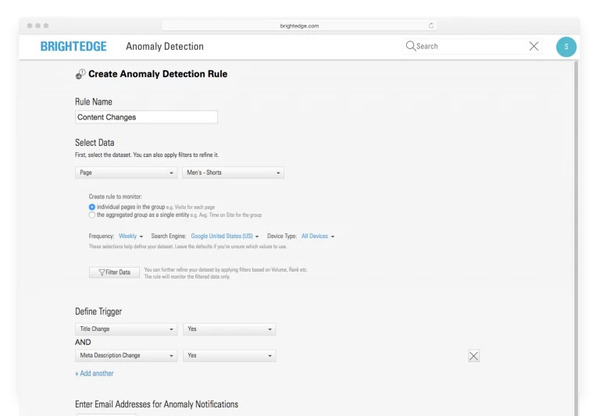
BrightEdge Anomaly Detection allows you to set custom alerts based on your needs and goals. Because automated page events are natively integrated with Anomaly Detection, you can create an alert to stay informed, even when you are not logged into BrightEdge. Imagine you are currently working on optimizing a regional section of your domain, such as new landing pages for France. You want to make sure that the content you have developed for those pages keeps its integrity throughout the development process. You can create an Anomaly Detection alert by specifying if the page title is changed for those pages. Then if any page title is changed you will be notified.

BrightEdge Anomaly Detection for Page Events During Content Changes

Correct content changes to improve site metrics

Once you are aware of a content change, you can triage the issue to determine the best course of action.  If the change is against SEO best practices, then immediately reverse the change. If you do not have access to your CMS,  create a task for your CMS owner or web developer to have them make the change. Once BrightEdge detects that the change has been implemented, you will see a new automated page event within your page-level charts. 

Reduce risky content changes by creating SEO awareness across your organization

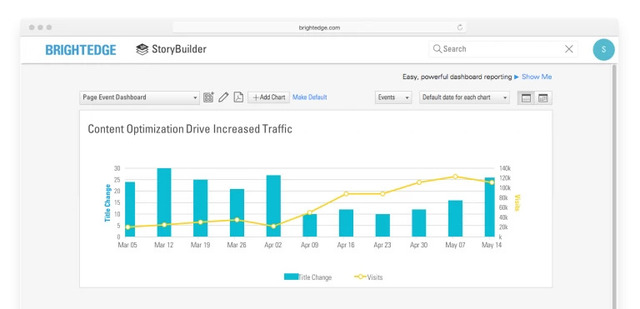
Simply being informed of content changes is only one part of the puzzle. Trending a number of changes and correlating their impact to site metrics, such as visitors, conversions, and revenue helps to prove the ROI of SEO. And, help you promote SEO awareness across your entire organization. When more colleagues become SEO savvy, they are likely to become more conscientious of SEO and avoid making content changes that violate SEO best practices in the future. Using BrightEdge StoryBuilder, you can create a trended chart that shows changes relative to site conversions or site visitors. Also, you can create a trended chart to analyze what type of changes are happening more frequently. Or create a chart to help you identify which pages you and your team want to improve on in your content marketing workflow.

BrightEdge StoryBuilder Report for Site Visits and Content Changes

Get started

So why wait? Automated page events take away the guesswork, and put you in control - catching, correcting and reducing content changes that may jeopardize your hard work in your content marketing efforts. Ready to check out automated page events? Request a demo today!

Share your experience

How do you track content changes? Do you have a system in place to react quickly and make corrections? How do you report on your content optimization successes? We’d love for you to share your best practices with the BrightEdge community. Just include them below in the “Comments” section.

Are You Looking at Your Web Traffic All Wrong?

maspillera
maspillera
M Posted 8 years 8 months ago
t 9 min read

Web traffic provides definite value for marketers, but only when viewed through the appropriate lenses. Here is what web traffic can tell you and how you can use it to improve your SEO strategy.

It can be a common mistake in the SEO industry to view rankings and web traffic as the gold standard for determining the success of a piece of content or SEO campaign. These metrics offer easy tracking, and seeing jumps in the number of visitors or the position of the page can be highly satisfying. It is important to remember, however, that not all traffic is equal. Not only do you want people to read the content you create, you also need them to convert on the page and become leads and customers. While seeing boosts in web traffic can be good for lifting the spirits, it is only when you see a corresponding bump in leads and then revenue that you know that you have successfully done your job. Here is a better way to understand your web traffic and the insight that these statistics can offer you. What web traffic really means for your site - brightedge Organic remains the largest traffic channel. Here is what that means for you.

What does it mean if my web traffic does not convert?

If you manage to attract people to your website, but they don't go on to engage with the content -- high bounce rates and low dwell time -- then you might want to consider problems with either your meta title and meta description and/or the quality of your content. Meta descriptions that seems to address the user’s needs but lead to pages where the content does not match that expectation will result in people closing the tab. If your meta descriptions and titles align well with your content, then you need to consider the quality of that content. Material that is full of long paragraphs without subheadings, lists, images or other aspects that make it easy to skim and enjoyable to read often sees high bounce rates. It's also possible that the quality of the content itself can be improved. Another common web traffic problem is having pages that attract readers to the page, but do not end up converting them into customers. When this occurs it may be because the company doesn't understand their target audience well enough. They have clearly built a site that draws traffic and engages them, but the particular group of visitors coming in to consume this content doesn't seem interested in making a purchase. This might require some refinement with regards to who should be viewed as the primary target. Brands also tend to neglect to look at how well their website interlinks to draw people through the sales funnel. A site that doesn't provide links to get users from the content that drew them from the SERP to the page optimized for conversion will see low conversion rates overall. Site navigation should build engagement and encourage visitors to move around the website and closer to conversion.

How do I accurately gauge the quality of the traffic coming to my website?

To better understand the quality of the web traffic arriving on the website, look at a variety of KPIs that provide important insight into how the content engages visitors. On the most fundamental level, track the number of unique and repeat visitors the site receives and how they arrive. This will give you a sense of your baseline and see how well you're drawing people to the site. The rest of the metrics will then let you see the quality of this traffic. Next, you will track what people do when they arrive on your page. Look at metrics such as the following:

  • Bounce rate
  • Dwell time
  • Percentage that fill out landing page forms

This will help you form a clearer picture of how engaging your content and overall website is. You will then look at the numbers related to revenue:

  • How many of the gross visitors to the website go on to convert? How many per channel? (organic, email, PPC, etc.)
  • What is your average revenue per conversion?

Finally, compare the success of your content at a basic level -- through traffic, bounce rates, dwell time, and lead percentage -- to your revenue numbers. See if traffic improvements correlate with improvements down funnel and the percentage of visitors who make it through each stage of the sales funnel.

How do I improve the quality of the web traffic coming to my website?

To improve the quality of the traffic arriving on your website, you must first identify weaknesses so you can build a strong digital marketing strategy. Look at the KPIs you gathered and single out the strongest and weakest parts of your sales funnel. This will give you a better idea of where to begin your efforts. You'll also want to go back and examine your target audience. Remember to emphasize not necessarily who you want to have as customers, but instead which consumers will most likely choose to do business with you. The difference between the two seems subtle, but comes down to looking at your company from the perspective of the customer. You need to understand who is in the market for your product and what critical information they need as they prepare to make a purchase. The stronger your understanding is of your target audience, the better equipped you will be to produce the content that not only ranks well, but engages visitors and drives them towards conversion. To improve web traffic you should be intimately familiar with you target audience - brightedge As a part of the process to attract higher-intent customers, you also want to look at your site structure and navigation. Engaging visitors and encouraging them to move throughout the website to learn more about your organization remains an important part in driving revenue. Make sure site content interconnects to draw people to click on other related material or landing pages. Verify that landing pages appeal to the target audience and are crafted for a specific step in your conversion funnel. Website traffic remains an important metric for all websites, but no SEO should allow themselves to get caught up in only looking at keyword rankings and traffic numbers. Traffic should be viewed as one element in a much larger lens focused on the success of the website as an asset for guiding prospective customers through the sales funnel. The better that marketers can measure their success at every level, the easier it will be for them to make the necessary adjustments to improve the financial value of their efforts for their business.

,