
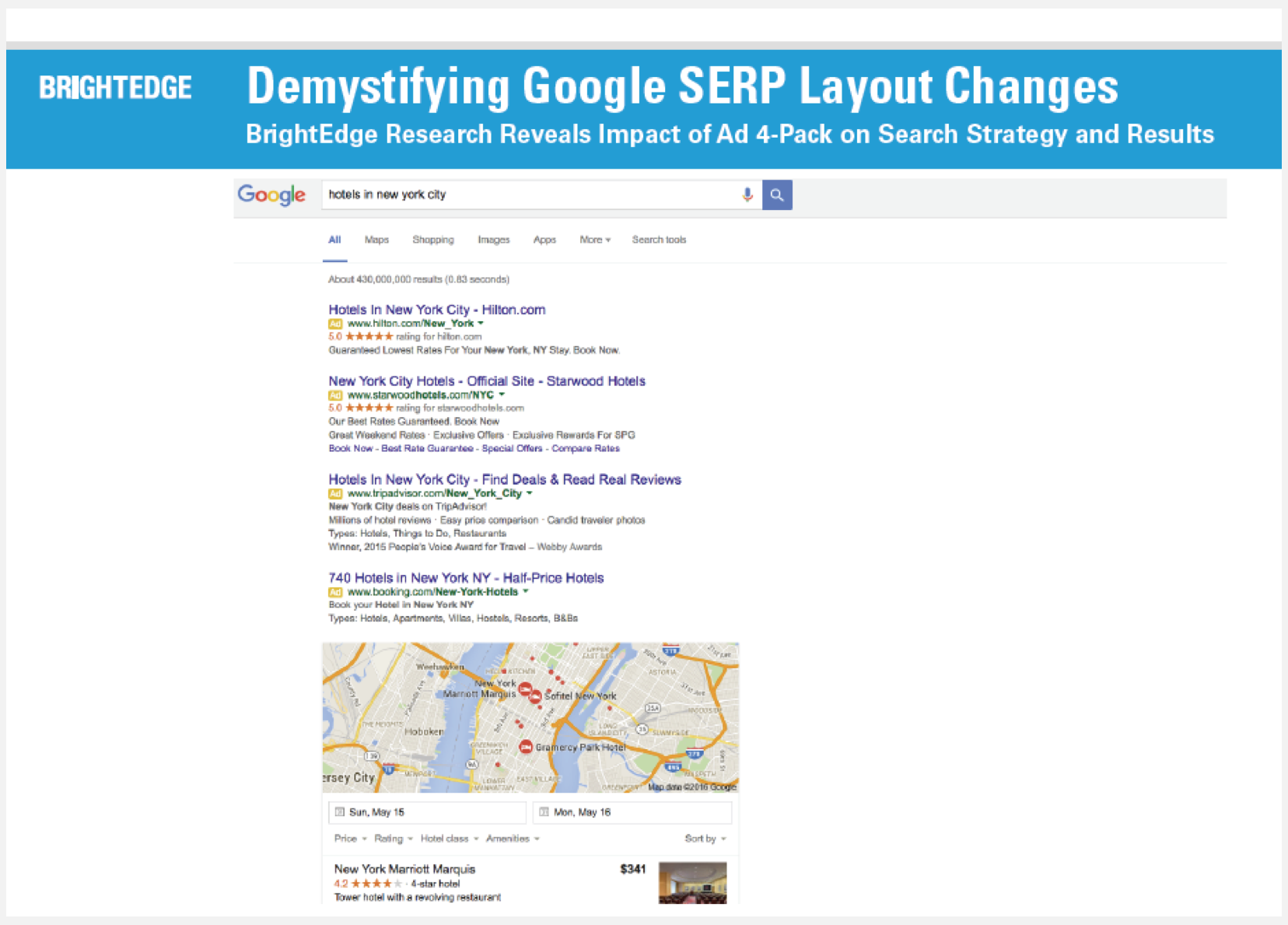
Google Algorithm Updates

Google makes hundreds of updates each year to the underlying algorithm it uses to generate search results. Updates include minor (frequent) updates and major updates (infrequent) and are designed primarily to improve the quality of search results. Most changes have little visible impact, but occasionally, updates can significantly reorder results.

Websites and brands that value the organic search channel should regularly monitor their search results for changes, and follow any provided guidance from Google on pending or recently completed updates.

Read more about the latest updates.


Definition

Google makes hundreds of updates each year to the underlying algorithm it uses to generate search results. Updates include minor (frequent) updates and major updates (infrequent) and are designed primarily to improve the quality of search results. Most changes have little visible impact, but occasionally, updates can significantly reorder results.

Websites and brands that value the organic search channel should regularly monitor their search results for changes, and follow any provided guidance from Google on pending or recently completed updates.

Read more about the latest updates.


SEO Management Best Practices

SEO management involves integrating different parts of SEO to accomplish your online goals, including driving more leads, increasing your brand exposure and growing your share of traffic. 

Today, with more than 51% of traffic coming from organic search, doing SEO effectively becomes increasingly important. Search algorithm enhancements have driven the growing complexity of SEO optimization. Increasing competition is pushing many companies to create more content and to make it better quality, more engaging, and mobile optimized. 

All these factors make SEO efforts sophisticated and require a clear framework and an appropriate technology. With more than eight years of close cooperation with such top SEO-performing brands as Microsoft, Twitter, Facebook, Home Depot, Deloitte, 3M, and many others we developed a solid 4-step methodology for efficient SEO management. Our BrightEdge platform helps to make each of these 4 steps faster and easier – saving time on analysis, measurement, and reporting. This frees you to concentrate on content creation and bringing more value to your customers. The platform covers the entire SEO cycle – from context-based goal setting and understanding the audience to optimizing the workflow.

SEO Management with no mystery


SEO Management in 4 Simple Steps

  1. Discover Demand
  2. Create Optimized Content
  3. Measure Results
  4. Collaborate

    BrightEdge 4 pillars of SEO management                                                        

1) Discover Demand

Targeting demand means learning which topics interest your audience and uncovering the queries your customers use to look for your product or service.

First you want to understand which topics your website already ranks for and what keywords are already driving good traffic and make sure to preserve and defend those results. Second, do keyword research to find new topics to expnd your reach and new traffic or further engage your intended audience.

The research and analysis involved in targeting demand makes it one of the most complex stages in the SEO cycle. Competitive pressure pushes companies to create more content and target more keywords. Marketers usually require multiple tools to get the necessary information and insights. High-quality targeting consumes a considerable amount of time. Even with free or inexpensive tools, marketers must find the hours needed to track down the information. That is why scalability remains a major SEO management challenge – doing a due diligence this way on 100s of keywords is possible, but it can hardly be done for 1000s of keywords.

SEO Management scalability

BrightEdge's SEO management platform solves the scalability issue. The BrightEdge DataCube is a unique, patented technology that makes targeting demand straightforward and drastically improves the efficiency and effectiveness of the research process.

DataCube allows you to perform research both by domain and by keyword. On the keyword level, it suggests other potential keywords and allows you to track them with a click of a button. This feature will often identify relevant ideas and topics that you had not previously considered. The DataCube also segments its suggestions into High-Ranking Keywords, Long-Tail keywords and Universal Content results

Organic keywords in SEO Management Keywords rankings in SEO Management 

On the domain level, the DataCube provides insights on the keywords for which the site ranks. This allows you to identify ‘quick wins’ where you can focus your optimization efforts.

Apart from your own keyword research, it is also important to understand the tactics that worked well and benefit your competitors.

Request a demo button

2) Benchmark Competition

Competition usually presents a challenge for marketers, but it is also a big source of opportunity. Each of your competitors is playing their own SEO game to increase their share of voice, and you can leverage their results for your own benefit. Understanding which keywords and pages worked best for your competitors can guide your own keyword selection and make it easier to create content that will drive traffic.

DataCube and other features of the BrightEdge platform provide key insights for data-driven demand targeting and decision making:

  • Show which keywords drive the most traffic to your competitors’ sites and identify the pages ranking for each keyword
  • Provide keyword gap analysis – the words that your competitors rank for that you do not
  • Show the top-10 pages ranking for a keyword with information on all the important on-page SEO factors, including the H1, title, meta description and alt tags.
  • Show trended SEO performance of your domain versus your competitors
  • Generate a Keyword Gap Analysis target list vs. each of your competitors

Competitive analysis in SEO Management

Backed by such a robust data set, you can do demand targeting more efficiently and have more time for content creation.

3) Create Optimized Content

Creating content is always manual – it requires words and images and sticking to your planned cadence to keep your content freshand your website breadth expanding. To have enough time for content creation, you need full SEO management platform functionality. As SEO analysis, content creation, optimization, and content measurement become more efficient, you will engender a culture of content in your company. The culture of content means motivating everyone in the content value chain to contribute ideas and assets to content production in their area of expertise. This distributed content creation labor can significantly boost your production capacity and keep the cadence highly competitive without impacting variable or project budget.

Save money on SEO Management

Creating content efficiently is only the first step, however. This new content also needs to be “findable” by the search crawlers. To rank and drive leads and new revenue, your content needs to be SEO-optimized.

SEO optimization for SEO ManagementOptimizing content means utilizing technical SEO to improve page rank in the SERPs. Several key questions arise when approaching this step:

  • Which pages serve as landing pages for which keyword topics?
  • Which pages need to be optimized?
  • Which optimizations are the “quick wins” that will make the fastest impact?
  • What should be done on each page?
  • How do I track our progress in a bigger SEO team?

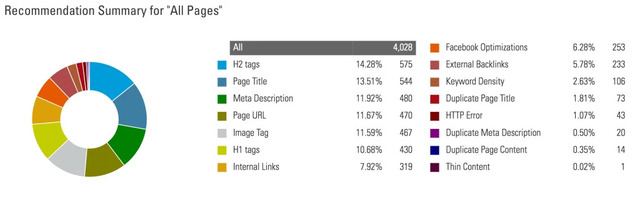
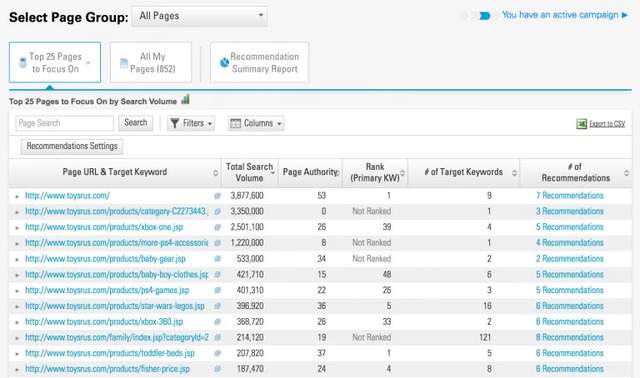
Most of these questions can only be answered with an enterprise-grade SEO management platform. BrightEdge tracks all your pages and provides key insights for optimization:

  • Provides a list of pages to optimize
  • Creates a to-do list for each page
  • Identifies “quick wins”
  • Develops a campaign module to make step-by-step optimization easy, even for non-SEOs
  • Uses a task module for easy SEO management within a team

SEO optimization with the help of the platform not only simplifies the entire process, but it also ensures that the group does everything consistently, without skipping steps. Many of our BrightEdge customers boosted their SEO efficiency by optimizing their existing workflow and standardizing it around the Campaigns and Tasks features of the platform.

 Optimization in SEO Management

One of the most common SEO optimization pitfalls is doing it in the “vacuum”. In today’s competitive search landscape, optimization means optimization in the web-wide context. When numerous players compete for the top rankings, it is important to understand what helps the market leaders win. BrightEdge provides that insight and helps you do SEO management and optimization in the existing context.

BrightEdge's keyword and page grouping functionalities provide greater insight and more ways to approach the organic data. On a page level, instead of manually uncovering the pages to optimize, you can structure work by creating separate groups for the main website pages, blog pages, specific campaign pages and more. On a keyword level, it gives you the convenience of separating new from existing keywords, research-sourced keywords from competitive-sourced ones, or dividing sets of words according to the SEO team working on them. 

Possessing all these insights makes your efforts easy to tune, execute and scale, but most importantly it allows you to generate new revenue quickly.

4) Measure Results

So how well is SEO working for you? This is the question many marketers fail to answer, resulting in low SEO budgets and limited ROI. The lack of data on how SEO drives revenue makes it hard to influence senior decision-makers and help them see the benefits of SEO.

Measure. Measuring SEO ROI is a challenge. At BrightEdge, we found a way to make this process fast and easy – our Story Builder marries analytics data with metrics linked to ROI. The platform provides a precise look at how your SEO initiatives generated revenue and helped achieve business-specific goals.

Report. Once you have all the right data in place, the next step in SEO management is reporting it to your stakeholders. Reporting usually means telling a story that answers 4 key questions:

  • What happened?
  • Why?
  • How did this impact revenue?
  • What do we do now to continue seeing success?

While analytics engines show what happened, they usually fail to explain why and provide actionable responses.

The BrightEdge Story Builder answers all these questions and more. It offers you powerful multi-dimensional dashboards from templates that we designed with top SEOs from multiple industries. It also automates reporting so you can create and send various reports to different stakeholders on a preset schedule. This is how Story Builder can help you customize and improve your internal & external communications and build a stronger authority for SEOs.

Connecting revenue and SEO in SEO Management

Content monitoring is also an essential part of the measuring process. The more content your company creates, the harder it is to track bugs, broken links, duplicate content, or drastic metrics changes. Keeping track of all those changes manually is next to impossible, and the majority of free or lower-end tools provide just a portion of this necessary insight. BrightEdge regularly scans your site to find any existing issues and notifies you whenever there is a significant change that impacts the major parameters you are tracking for your own domain and those of your competitors. BrightEdge helps you with SEO management by enabling you to set up up Anomaly Detection which will inform you whenever the data triggers certain levels or events.

SEO Management platform demo

What do I do now?

Register for a demo. Our product experts will bring these 4 steps to life in a compelling online demo. During this presentation, you will be able to see what can be done for your specific business and industry case. In each demo we offer insights about your website performance and show how effective SEO can be with the right technology. This approach to SEO management will help you make the case to management and more importantly generate business outcomes. 

BrightEdge

BrightEdge

Welcome to the BrightEdge SEO Portal. Here you will find resources that will help you understand the SEO industry and tactics that will enable you to participate in our culture of content to drive organic results.

You can reach me at enewton@brightedge.com or call at 650-532-2503. In addition to myself and Marketing Manager Mark Aspillera, we also have a cross-functional group that works on SEO every Friday at 10 AM. The group includes engineers, salespeople, customer success, product managers, and marketers. You can contact us at seoteam@brightedge.com.

Erik Newton, Mary Lee

FAQs

The Google 3-Pack is the way that Google displays the top results for a local business search. It includes three local businesses that Google deems sufficiently relevant, prominent and close in proximity to the user. The results include the three Google Business Profile listings and a map of the three results. 

Learn how to optimize for the Google 3-pack.


Learn More

An SEOs meaning for optimization is to alter the contents of your site, social, advertisements, etc. to improve SERP rankings for your site. Mobile optimization is the process of adjusting your website content to ensure that visitors that access the site from mobile devices have an experience customized to their device.

Optimized content flows easily between desktop and mobile devices to provide the user with an outstanding experience. Mobile devices have small screens and users are often on-the-go. They might be on a train or bus commuting, in a coffee shop or in a store. Optimized content understands the mobile user.

It easily adjusts to fit on smaller screens. It also adjusts the font so it is large enough to read on a small device. Only videos that are compatible with mobile devices should appear on mobile sites. Email messages should load quickly and not have too many images that make it difficult for the user to scan the message.

Why is mobile optimization important?

Optimized definition explained - BrightEdge

Customers today spend increasing amounts of time exploring all types of content on mobile. According to Google, more searches are now performed on mobile than on desktop. In BrightEdge Research’s mobile study, we found that 57% of all online traffic occurred on smartphones and tablets. Email Monday found that between 15 and 70 percent of emails are opened on mobile devices, depending on target audience. Mobile search has overtaken desktop for most industries.

How do I optimize for mobile?

Nearly any type of content you develop may be viewed on mobile. Creating a strong user experience requires you to make sure all content is ready for this possibility.

  1. Optimize videos on your pages to make them compatible with smart devices.
  2. Make content scrollable, rather than forcing people to click through multiple pages, which can be challenging on mobile.
  3. Your images should be high-quality and closely cropped to maximize detail, even when shrunk to fit a smaller screen.
  4. Any buttons on the screen should be easy for mobile customers to use.
  5. Use a responsive template for everything, including emails.
  6. Do not use long paragraphs. Remember that people are often on-the-go when using mobile, long paragraphs will often lose them.
  7. Keep the motivations of your mobile customers in mind. If most people come to your site looking for certain types of content, such as directions, make that content particularly easy to find on mobile.
  8. Use Accelerated Mobile Pages (AMP). These are light-weight web pages that create fast mobile experiences.

Mobile devices now dominate a significant portion of the online space. To be effective marketers, you need to make sure that your content is ready for these users and easy to engage with regardless of the device. You also need to be sure you're keeping up with the changes Google makes to stay on top of your SEO game. Check out how the mobile SERP layout has recently changed mobile optimization and how you can leverage new branding opportunities.


Learn More

How to be successful on YouTube?

YouTube offers marketers the opportunity to reach over a billion users. At the same time, however, since it is a 3rd party platform, it can be a challenge to know if your efforts are successful.

YouTube, since it reaches such a broad audience, typically is used for boosting brand engagement and awareness. Understanding how to monitor these factors will allow you to see how worthwhile your YouTube efforts have been and how you can produce better results in the future by using your data to streamline your efforts.

What does YouTube success look like?

Branded Traffic and Your Share of Voice

YouTube is a valuable tool for increasing your brand awareness. As you create engaging videos that help people better understand or learn about topics of interest, you expose them to your brand and what you have to offer. Monitoring your Share of Voice and Branded Traffic can be a good way to know if you succeed in this endeavor. The BrightEdge Share of Voice tool can be valuable to help you accomplish this goal.

Referral Traffic from YouTube

Make it easy for people to click through from YouTube to your brand website by including a link to your page in the description of the video and on your brand’s YouTube page. It is important to note that YouTube is not known for large amounts of referral traffic, so just because this number is low does not mean your videos are failing. Rather than looking at the number, you want to look at the pattern-- if the number increases, then you know your videos are having a positive impact.

YouTube analytics

YouTube also offers you a few different options for monitoring your video success right on the platform. You can measure engagement by tracking watch time insights. You can also monitor factors such as Likes and Dislikes, Audience Retention and Sharing, which all add valuable insights into what people think of your videos. Here is a complete list of the currently available analytics.

YouTube is a valuable resource for your organization to increase brand awareness and improve your reputation, but it can be a challenge to measure your success. Using these three main categories of metrics, however, will help you gain the insights you need to improve your YouTube strategy and integrate it into the rest of your campaign.

<< Back to the SEO Glossary main page


Learn More

Thank you for your interest in BrightEdge's 7 Steps to a Successful Enterprise Website Transition Webinar Assets.

Access the assets by clicking on the links below. For your convenience, we've also emailed you links to the assets for you to access anytime. For more information, please visit our resource center or schedule a demo.


Deck         Video


Share this asset with your network

 Share by email Share on LinkedIn | Share on Facebook | Share on Twitter


People who downloaded this white paper also downloaded:


  • Date: May 19, 2016
  • Time: 9 AM PDT / 12 PM EDT
  • Topic: Website Transition

If you’re preparing to lead or participate in the transition of an international website, this webcast will help you define your roadmap for success. Too often, we can find ourselves in the middle of a project wishing we had made some considerations earlier in the process.

Steve Krull, BFO’s CEO and Co-Founder, will walk you through the considerations that will keep your entire team on time, organized, and confidently meeting performance expectations.

• We’ll help you make sure you’ve got all preliminary work covered, including gaining a solid understanding of how the old website works, and a full year of historical SEO data.

• Steve will then guide you through the maze of mapping, auditing, and planning for the nuances of multi-country transitions.

• Finish confidently by understanding how to review and support the transition post-launch of the new website.

These techniques will help you deploy your site transition with a minimum of disruption and put you in a position to increase organic performance.

                
Erik Newton                                       Steve Krull
Sr. Director, Demand Generation      CEO and Co-Founder
BrightEdge                                        BeFoundOnline


CAPTCHA
Solve this simple math problem and enter the result. E.g. for 1+3, enter 4.
This question is for testing whether or not you are a human visitor and to prevent automated spam submissions.

What is YouTube Advertising?

YouTube AdvertisingWhat is YouTube advertising?

YouTube advertising is the opportunity to create video advertisements that can attract more people to your brand and let them know what you have to offer.

Types of YouTube ads

There are 3 main types of YouTube ads:

  • In-stream ads. You can create an ad that plays during a video, at the beginning, middle or end of a participating video.
  • In-search ads. You can create YouTube ads that appear in the search results for particular queries.
  • In-display ads. You can create an ad that appears on the YouTube watch page.

In addition to the video choices, you can also create a YouTube ad that appears as an overlay on videos, offering visitors the chance to click back to your website. This last type of ad can be particularly helpful for encouraging click-throughs from YouTube to your main website. Some marketers will even add them to their own videos to provide an additional CTA.

YouTube Advertising superbowl exampleHow to make YouTube advertising successful?

  1. Create a target for your ad that will let you get your brand in front of your intended audience. This might be through targeting a specific video or by even targeting user interests.
  2. Your video needs to pull people in immediately. Particularly during in-stream YouTube ads, customers can skip your ad after just a few seconds to watch their selected video. If you want them to watch your entire ad, you will have to give them a reason why.
  3. Your video needs to play into the reasons why people are on YouTube. Even when it comes to advertising, people do not come to the platform to receive a sales pitch. These advertisements must also either focus on either teaching or entertaining.
  4. The human connection can be very valuable when creating a successful ad. YouTube ads that include testimonials in particular are often appreciated.

Is YouTube advertising effective?

After you create your YouTube advertising campaign, you want to then focus on measuring your results so that you can adjust your strategy accordingly. Metrics to measure a success of a YouTube ad campaign are:

  1. Click-through rates. See how many people click through your YouTube ad to visit your targeted site, such as your YouTube brand page or your main website.
  2. Customer behavior on your site. See what people do after clicking through. If they are on your brand’s YouTube page, do they watch any videos? Do they subscribe? If they are on your company website, do they read any articles? Do they convert on any landing pages?
  3. Share of Voice. See how well your YouTube ad is increasing your overall Share of Voice. BrightEdge has a Share of Voice tool that makes this a simple process.

YouTube advertising can be a fantastic way to attract more attention to your brand. They let you tap into the billion-strong video audience and entice more people to see what you have to offer. Creating the right YouTube ad can make an enormous difference in your success.

Related materials

<< Back to the SEO Glossary main page

Definition

YouTube AdvertisingWhat is YouTube advertising?

YouTube advertising is the opportunity to create video advertisements that can attract more people to your brand and let them know what you have to offer.

Types of YouTube ads

There are 3 main types of YouTube ads:

  • In-stream ads. You can create an ad that plays during a video, at the beginning, middle or end of a participating video.
  • In-search ads. You can create YouTube ads that appear in the search results for particular queries.
  • In-display ads. You can create an ad that appears on the YouTube watch page.

In addition to the video choices, you can also create a YouTube ad that appears as an overlay on videos, offering visitors the chance to click back to your website. This last type of ad can be particularly helpful for encouraging click-throughs from YouTube to your main website. Some marketers will even add them to their own videos to provide an additional CTA.

YouTube Advertising superbowl exampleHow to make YouTube advertising successful?

  1. Create a target for your ad that will let you get your brand in front of your intended audience. This might be through targeting a specific video or by even targeting user interests.
  2. Your video needs to pull people in immediately. Particularly during in-stream YouTube ads, customers can skip your ad after just a few seconds to watch their selected video. If you want them to watch your entire ad, you will have to give them a reason why.
  3. Your video needs to play into the reasons why people are on YouTube. Even when it comes to advertising, people do not come to the platform to receive a sales pitch. These advertisements must also either focus on either teaching or entertaining.
  4. The human connection can be very valuable when creating a successful ad. YouTube ads that include testimonials in particular are often appreciated.

Is YouTube advertising effective?

After you create your YouTube advertising campaign, you want to then focus on measuring your results so that you can adjust your strategy accordingly. Metrics to measure a success of a YouTube ad campaign are:

  1. Click-through rates. See how many people click through your YouTube ad to visit your targeted site, such as your YouTube brand page or your main website.
  2. Customer behavior on your site. See what people do after clicking through. If they are on your brand’s YouTube page, do they watch any videos? Do they subscribe? If they are on your company website, do they read any articles? Do they convert on any landing pages?
  3. Share of Voice. See how well your YouTube ad is increasing your overall Share of Voice. BrightEdge has a Share of Voice tool that makes this a simple process.

YouTube advertising can be a fantastic way to attract more attention to your brand. They let you tap into the billion-strong video audience and entice more people to see what you have to offer. Creating the right YouTube ad can make an enormous difference in your success.

Related materials

<< Back to the SEO Glossary main page

Why Should I Blog?

Why blog? The importance of blogging - brightedgeWhy blog?

Blogging is an important part of any content marketing strategy because it is the part of your site that you will most frequently update with new posts and information to keep readers engaged. It is often through blog content that you first entice people to your site and start to build your brand’s audience. Create a data-driven content calendar to maximize the success of your blogs.

What are the benefits of having a blog?

Establishing a blog will help enhance your SEO marketing strategy and improve your search results on SERPs. With an upkept blog, you will be regularly putting out fresh content that covers topics that people want to learn about. Intelligent, well written posts will help you establish your company as an authority in the field. These blog posts will also contain prominent keywords in your industry, helping your post rank well in SERPs.

When people find the content in your blog helpful, they will also create links to individual pages which can build your organic backlink profile. These benefits will help boost your ranking, and therefore your visibility.

Regular blogging also builds your organization. Distributed content can be a great way to bring in new customers. A blog provides you with a platform to regularly update with new insights. As customers follow your blog, they will be treated to a steady stream of insightful posts, which helps build their loyalty and trust.

Is blogging a waste of time?

The short answer is no. There are a variety of metrics you can use to gauge the success of your blog. Choose the measurements that best reflect what you are trying to accomplish with your writing.

  • Traffic rates— see how many people are reading your blog, comparing new readers to return readers to gain insights into reach and loyalty
  • Activities on the site— see what people do after reading a post. Do they click to other others? Do they explore the rest of your site? Do they just leave your website?
  • Gauge how many blog readers eventually become leads and then customers
  • Backlinks— how often do your blog posts attract backlinks and from what sources?
  • Share of Voice— how does your blogging impact your brand’s Share of Voice?

Blogging is a fantastic tool for building a content marketing strategy. Get started building your blog today and see why it is such a popular content development option for brands.

<< Back to the SEO Glossary main page

Definition

Why blog? The importance of blogging - brightedgeWhy blog?

Blogging is an important part of any content marketing strategy because it is the part of your site that you will most frequently update with new posts and information to keep readers engaged. It is often through blog content that you first entice people to your site and start to build your brand’s audience. Create a data-driven content calendar to maximize the success of your blogs.

What are the benefits of having a blog?

Establishing a blog will help enhance your SEO marketing strategy and improve your search results on SERPs. With an upkept blog, you will be regularly putting out fresh content that covers topics that people want to learn about. Intelligent, well written posts will help you establish your company as an authority in the field. These blog posts will also contain prominent keywords in your industry, helping your post rank well in SERPs.

When people find the content in your blog helpful, they will also create links to individual pages which can build your organic backlink profile. These benefits will help boost your ranking, and therefore your visibility.

Regular blogging also builds your organization. Distributed content can be a great way to bring in new customers. A blog provides you with a platform to regularly update with new insights. As customers follow your blog, they will be treated to a steady stream of insightful posts, which helps build their loyalty and trust.

Is blogging a waste of time?

The short answer is no. There are a variety of metrics you can use to gauge the success of your blog. Choose the measurements that best reflect what you are trying to accomplish with your writing.

  • Traffic rates— see how many people are reading your blog, comparing new readers to return readers to gain insights into reach and loyalty
  • Activities on the site— see what people do after reading a post. Do they click to other others? Do they explore the rest of your site? Do they just leave your website?
  • Gauge how many blog readers eventually become leads and then customers
  • Backlinks— how often do your blog posts attract backlinks and from what sources?
  • Share of Voice— how does your blogging impact your brand’s Share of Voice?

Blogging is a fantastic tool for building a content marketing strategy. Get started building your blog today and see why it is such a popular content development option for brands.

<< Back to the SEO Glossary main page

How Do You Write Shareable Content?

Writing Content People ShareWhat is shareable content?

Shareable content is content that people want to share with other people in their network. People share content through social media, emails, and more. When someone shares content, they typically share what is meaningful and relevant to themselves. 

What is the value of shareable content?

When people share your content on social media, they are helping you to expand your brand reach and your reputation. When you distribute content that you wrote online, you promote it to all the people who follow your brand. When some of those people then share your content themselves, suddenly your brand is in front of all their connections as well. Not only are more people exposed to your brand, but since the content is promoted by their connection, this new audience is also more likely to trust the information. According to Nielsen, recommendations from others, such as friends and family, are one of the most trusted forms of advertising.

How do you write shareable content?

The New York Times did a thorough study to try and uncover what motivates people to share certain content. They uncovered five key factors that were important in determining the likelihood that content would be promoted:

  • Content that helps people connect with each other instead of just being a sales pitch or otherwise focusing on the brand
  • People feel they can trust the information in the content
  • The content is communicated in a straightforward, easy-to-understand way
  • The content appeals to the reader’s sense of humor
  • The content has a sense of urgency

The study also found that people sharing content centered around relationships. The content people preferred was that which helped them define themselves to others and remain connected. There were also a number of people in the study who had an altruistic aspect to their sharing-- they reposted content they thought others might be useful.

How do I create content that people will share?

  1. Know exactly who you are writing the content for so you know what appeals to them.
  2. Decide how you are going to appeal to your audience. Do you want to have a sense of humor? Do you want to provide them with information that they will find valuable and want to share?
  3. Use your various platforms to directly engage with your audience. Ask them about the types of content they enjoy reading and the topics they would like to see.
  4. Monitor the success of your efforts by looking at social metrics to see how well you are understanding the sharing motivations of your audience.
  5. Monitor how well your social metrics contribute to the growth of your brand, including Share of Voice, conversions rates and engagement rates.

Getting people to share content is an important goal for many brands. It is a way to expand your audience and encourage more people to enter your sales funnel. Understanding the motivations people have for reposting your content is an important step in tapping into this phenomenon.

<< Back to the SEO Glossary main page

Definition

Writing Content People ShareWhat is shareable content?

Shareable content is content that people want to share with other people in their network. People share content through social media, emails, and more. When someone shares content, they typically share what is meaningful and relevant to themselves. 

What is the value of shareable content?

When people share your content on social media, they are helping you to expand your brand reach and your reputation. When you distribute content that you wrote online, you promote it to all the people who follow your brand. When some of those people then share your content themselves, suddenly your brand is in front of all their connections as well. Not only are more people exposed to your brand, but since the content is promoted by their connection, this new audience is also more likely to trust the information. According to Nielsen, recommendations from others, such as friends and family, are one of the most trusted forms of advertising.

How do you write shareable content?

The New York Times did a thorough study to try and uncover what motivates people to share certain content. They uncovered five key factors that were important in determining the likelihood that content would be promoted:

  • Content that helps people connect with each other instead of just being a sales pitch or otherwise focusing on the brand
  • People feel they can trust the information in the content
  • The content is communicated in a straightforward, easy-to-understand way
  • The content appeals to the reader’s sense of humor
  • The content has a sense of urgency

The study also found that people sharing content centered around relationships. The content people preferred was that which helped them define themselves to others and remain connected. There were also a number of people in the study who had an altruistic aspect to their sharing-- they reposted content they thought others might be useful.

How do I create content that people will share?

  1. Know exactly who you are writing the content for so you know what appeals to them.
  2. Decide how you are going to appeal to your audience. Do you want to have a sense of humor? Do you want to provide them with information that they will find valuable and want to share?
  3. Use your various platforms to directly engage with your audience. Ask them about the types of content they enjoy reading and the topics they would like to see.
  4. Monitor the success of your efforts by looking at social metrics to see how well you are understanding the sharing motivations of your audience.
  5. Monitor how well your social metrics contribute to the growth of your brand, including Share of Voice, conversions rates and engagement rates.

Getting people to share content is an important goal for many brands. It is a way to expand your audience and encourage more people to enter your sales funnel. Understanding the motivations people have for reposting your content is an important step in tapping into this phenomenon.

<< Back to the SEO Glossary main page

How to be Successful on YouTube?

How to be successful on YouTube?

YouTube offers marketers the opportunity to reach over a billion users. At the same time, however, since it is a 3rd party platform, it can be a challenge to know if your efforts are successful.

YouTube, since it reaches such a broad audience, typically is used for boosting brand engagement and awareness. Understanding how to monitor these factors will allow you to see how worthwhile your YouTube efforts have been and how you can produce better results in the future by using your data to streamline your efforts.

What does YouTube success look like?

Branded Traffic and Your Share of Voice

YouTube is a valuable tool for increasing your brand awareness. As you create engaging videos that help people better understand or learn about topics of interest, you expose them to your brand and what you have to offer. Monitoring your Share of Voice and Branded Traffic can be a good way to know if you succeed in this endeavor. The BrightEdge Share of Voice tool can be valuable to help you accomplish this goal.

Referral Traffic from YouTube

Make it easy for people to click through from YouTube to your brand website by including a link to your page in the description of the video and on your brand’s YouTube page. It is important to note that YouTube is not known for large amounts of referral traffic, so just because this number is low does not mean your videos are failing. Rather than looking at the number, you want to look at the pattern-- if the number increases, then you know your videos are having a positive impact.

YouTube analytics

YouTube also offers you a few different options for monitoring your video success right on the platform. You can measure engagement by tracking watch time insights. You can also monitor factors such as Likes and Dislikes, Audience Retention and Sharing, which all add valuable insights into what people think of your videos. Here is a complete list of the currently available analytics.

YouTube is a valuable resource for your organization to increase brand awareness and improve your reputation, but it can be a challenge to measure your success. Using these three main categories of metrics, however, will help you gain the insights you need to improve your YouTube strategy and integrate it into the rest of your campaign.

<< Back to the SEO Glossary main page

Definition

How to be successful on YouTube?

YouTube offers marketers the opportunity to reach over a billion users. At the same time, however, since it is a 3rd party platform, it can be a challenge to know if your efforts are successful.

YouTube, since it reaches such a broad audience, typically is used for boosting brand engagement and awareness. Understanding how to monitor these factors will allow you to see how worthwhile your YouTube efforts have been and how you can produce better results in the future by using your data to streamline your efforts.

What does YouTube success look like?

Branded Traffic and Your Share of Voice

YouTube is a valuable tool for increasing your brand awareness. As you create engaging videos that help people better understand or learn about topics of interest, you expose them to your brand and what you have to offer. Monitoring your Share of Voice and Branded Traffic can be a good way to know if you succeed in this endeavor. The BrightEdge Share of Voice tool can be valuable to help you accomplish this goal.

Referral Traffic from YouTube

Make it easy for people to click through from YouTube to your brand website by including a link to your page in the description of the video and on your brand’s YouTube page. It is important to note that YouTube is not known for large amounts of referral traffic, so just because this number is low does not mean your videos are failing. Rather than looking at the number, you want to look at the pattern-- if the number increases, then you know your videos are having a positive impact.

YouTube analytics

YouTube also offers you a few different options for monitoring your video success right on the platform. You can measure engagement by tracking watch time insights. You can also monitor factors such as Likes and Dislikes, Audience Retention and Sharing, which all add valuable insights into what people think of your videos. Here is a complete list of the currently available analytics.

YouTube is a valuable resource for your organization to increase brand awareness and improve your reputation, but it can be a challenge to measure your success. Using these three main categories of metrics, however, will help you gain the insights you need to improve your YouTube strategy and integrate it into the rest of your campaign.

<< Back to the SEO Glossary main page

,