Building Omni-Channel Marketing Campaigns | BrightEdge

gregalbuto
gregalbuto
M Posted 6 years 7 months ago
t 9 min read

Today’s digital world offers a number of different platforms for engaging with customers. Each one has a particular audience it reaches most effectively, targeting different populations and people at different stages of the buyer’s journey. Marketers must understand how the different platforms interact, how they line up with different touch-points, and where they can find their target audience at different stages of their journey towards conversion. 

An estimated 71 percent of customers say that they want a consistent experience across all channels where they interact with brands, but less than a quarter report actually receiving it during their buyer's journey. Brands that understand how to use cross-channel marketing will have the chance to capture the attention of these potential customers and demonstrate their commitment to the customer experience. Organizations must understand how to optimize their use of the different marketing channels during the buyer's journey so that these customers receive a consistent user experience.

As marketers begin to develop their buyer's journey digital marketing strategy, it is important for them to have an omni-channel approach. It is not enough to simply market to customers on different platforms. You do not want to run simultaneous campaigns through different channels. Instead, organizations should focus on having a consistent experience for customers regardless of where they interact with the brand. All the channels should work together to bring customers through the buyer’s journey across different touch-points on different platforms.

Here is what we wanted to share with our community about running integrated campaigns to enhance the buyer's journey sales funnel.

Understand the different types of digital marketing

Before we dive into building a firm understanding of running these omni-channel campaigns, let’s first explore the role that these different channels play in multi-channel marketing.

brightedge drives customers through the buyers journey through omni-channel marketing campaigns

What is SEO and content marketing?

SEO and content marketing describe the material you use to attract people through the SERPs. You optimize this material with keywords, topics, and promotion to help Google find the material and then to encourage the search engines to rank it highly on the SERP. You can utilize the BrightEdge Data Cube to drive your keyword research efforts. Using Data Cube before or during your SEO strategy will help you to create the content your audience wants to read. Decide which keywords to use before you spend time writing content or after you write it to revise and optimize existing content for new keywords. Your SEO strategy using Data Cube can increase organic traffic, results, leads, etc. Check out how Graco Inc. did it!

With content marketing and SEO, you need to have a firm understanding of keyword research to identify topics of interest for your target audience throughout the buyer's journey. You also must produce quality writing, video, and images to attract users and search engines. Website metrics will help you monitor your success with this material.

What is social media marketing?

Social media marketing involves engaging with prospective customers through the various social media platforms, including Facebook, LinkedIn, and Twitter. When running campaigns on these platforms throughout the buyer's journey, you might run promotions, promote content you think followers will appreciate, and inspire conversations to keep people engaged with your brand. The goal here lies in regularly producing high-value content. Discover how SEO and social media power together to create a strong bond with this BrightEdge POV.

What is email marketing?

Email marketing uses registration pages to capture the contact information for site visitors. This contact information can then be used to create segmented email lists. Brands that maximize their potential here during the buyer's journey understand how to send material that will interest their site visitors, encouraging them to engage more with the brand and continue to move through the sales funnel.

What is mobile marketing?brightedge drives the buyers journey through targeted mobile strategies

Mobile marketing involves understanding how to use these different channels throughout the buyer's journey and maximize your ability to engage with users accessing them through mobile devices. According to BrightEdge Research, nearly 2/3 of Americans are smartphone owners and 57 percent of searches are performed on mobile devices.

BrightEdge offers a mobile option for discovery. While you add and track keywords in BrightEdge Keyword Reporting, you can easily navigate through different device types including desktop, tablet, and smartphone in order to collect data on how your keywords and pages are doing by device. Knowing how to appeal to people on-the-go will enhance a brands’ ability to remain relevant.

What is paid marketing?

Paid marketing, also known as PPC, includes the ads you can post on several different platforms, including the Google SERPs themselves, social media platforms, and even on other, ad-friendly, websites. Success at this point in the buyer's journey involves knowing the keywords that correspond with the visitors who are most likely to find your content calendar helpful or finding contextually or behaviorally aligned sites on which to place your ads.

Before you decide to spend your budget on paid advertising, it is a good idea to do plenty of research to make sure you're getting the most for your money. By using BrightEdge Instant, you can see real-time results with real-time research to determine whether or not a keyword is worth paying to promote. 

What other channels should brands consider?

In addition to these central digital channels, many organizations also find it helpful to remember other traditional advertising areas, including radio and TV ads and in-store promotions. Although these channels function quite differently from digital options, ensuring that they remain consistent with digital marketing efforts will engage and advance customers at a better rate.

Understand the common platforms that influence customers throughout the funnel

To build effective omni-channel campaigns, you need to now take these different channels and bring them together. Understand the channels and touchpoints potential customers will most likely encounter as they move through your buyer’s journey. Some of this information will be customized to your precise customers, but here is a good starting point based on where most brands find their customers at various phases in the buyer’s journey.

Channels for the Awareness Stage

During the awareness stage of the buyer's journey, customers are looking for information about their pain points and potential solutions. Thus, they perform a lot of searches, building the importance of SEO and content marketing. Content production should also include videos and webinars as alternative ways to engage potential customers and interest them in the brand.

Complementing your SEO and content production efforts should be PPC campaigns, which will run for similar core topics as the content marketing and SEO efforts. Use PPC throughout the buyer's journey to attract attention to important keywords that your material does not yet rank for.

Similarly, during the buyer's journey, email can keep customers engaged and learning about your potential solution for their pain point.

Channels for the Evaluation Stage

During the evaluation stage of the buyer's journey, customers have narrowed down their options and seriously consider your brand as a potential solution to their pain point. Continue to demonstrate your expertise and ability to help with content on your website, webinars, and ebooks. This material will help them dive deeply into the solutions you offer during this step of the buyer's journey. Before launching a webinar, get your basic approach to creating a successful one with this BrightEdge checklist.

Social media will also play an increasing role here, as prospects turn to the platforms to engage directly with your brand and gauge your ability to help them.

Customers may also reach a stage of the buyer's journey where they want to see quality demos that allow them to see first-hand how you will help them. 

Channels for the Purchase Stagebrightedge drives the buyers journey, purchase stage

During the purchase stage, customers continue to engage with the content you produce and use the search engines to learn more about the product or service they have purchased. They want to make sure they get the best value possible. 

Events you host and meetings you can offer your customers during this period can also help keep them engaged with the company and be happy with their purchase. This sets the stage for repeat customers. 

Channels for the Usage Stage

While customers use your product or service, you want to make sure that what they have purchased solves their pain points and continues to benefit them. Your email list will provide value here as you can regularly send customers articles to help them maximize their usage of your product.

You can also continue to produce content that customers at this stage of the buyer's journey find helpful, such as FAQ pages and case studies, helping them to see how others have seen great results with your brand.

Channels for the Repurchase Stage

During the repurchase phase of the buyer's journey, you need to convince people who have purchased from you before that they want to purchase from you again. Creating content that once again demonstrates your superiority over the competition can help. Email messages that help customers learn more about getting the most out of their purchase and also remind them of the successes they have already seen will help at this stage of the buyer's journey. 

Channels for the Advocacy Stage

Once you have already convinced a customer to buy from you again, now you want to turn them into an advocate. Customers willing to speak highly of you to other prospects can be a powerful source of persuasion. Encouraging them to help you produce content, such as case studies or even writing reviews can benefit your organization. Use email, social media, and events to remain closely connected to these repeat customers. 

Bringing your different channels together

Now that you understand how these different channels typically interact throughout the buyer’s journey, let’s review how to bring the platforms together to create an omni-channel approach that nurtures customers through each stage of the funnel.

Understand buyer personas

To create a successful campaign across these channels, you must understand your buyer personas. Know what these customers want to see and the pain point they want to solve. The better you understand where the prospect is coming from, the easier it will be to produce content tailored to their unique needs. 

brightedge drives the buyers journey, funnelYou will also be better equipped to coax them through the sales funnel. You will find it easier to find the customers across the different channels, and you will know what they want to see as they get closer to conversion.

Create a common campaign

With your understanding of your customer personas and your use of different platforms, work with specialists across the different platforms within your company to create common campaigns. Your campaigns should follow the customers' buyer’s journey and work to coax them from one touchpoint to the next. The campaign should create a consistent user experience and operate with well-aligned goals.

Know how your different platforms and channels work together throughout the buyer's journey. For example, your PPC strategy will drive traffic, while your site content should then take that traffic and build engagement and the number of people who register for email lists. 

Measure progress

As you create your integrated campaigns, carefully measure your progress for each step of the buyer's journey. Your selected KPIs should explore how well your campaign brings people from one stage of the buyer's journey to the next. For example, measure top-of-the-funnel channels by looking at new visitors and engagement. As you move into the mid-funnel, gauge your return visitors, their engagement, and their rate of mid-funnel conversions.

Looking at all your channels and platforms together as a part of a single customer engagement picture will give you a better understanding of how your different strategies can work together to bring in new customers.

Building omni-channel campaigns throughout the buyer's journey will allow you to take your marketing strategy to the next level. You will improve your ability to engage with customers as they move throughout the digital atmosphere. Bring your channels together and help them function together as one and see how you can improve your own customer engagement ability for a repeated buyer's journey.

SEO for Social Media: How to Use Them Together to Drive Leads

enewton@brightedge.com
M Posted 6 years 10 months ago
t 9 min read

SEO for social media can play a powerful role in building a brand’s online presence. Although the links from social media are typically no-follow, they can benefit brands throughout the buyer’s journey in a variety of ways. With two billion users across the various platforms worldwide, the potential for engaging prospective customers is significant.

Namely, social media platforms can help build reputation and awareness, which are key to top-of-the-funnel engagement and can help with SEO indicators. The platforms can also help brands control their appearance on the SERP for branded searches. This benefits them at the mid-funnel and end-of-funnel stages. Finally, social media drives traffic back to the company’s site, which benefits engagement and SEO metrics throughout the sales funnel. 

Here is how you can use your SEO for social media strategy to build expertise in SEO and drive engagement and conversions throughout your sales funnel. 

SEO for social media at the top of the funnel

Your focus at the beginning of the buyer’s journey is on building brand awareness and recognition. Customers during this phase remain most interested in educating themselves on their pain points and potential solutions. Therefore, their searches revolve around educational queries such as ‘how-to’ pieces.

Social benefits SEO through topic generation

Use SEO for social media to uncover common topics and questions people have about your industry and your product. Look for the conversations that pop up among your prospective customers and use these topics to guide some of the pieces you develop. As you create this important content, you can then promote to your prospects through social media, driving traffic and recognition for your brand.

This method of topic research also makes it easy to find emerging trends and popular topics. Creating content for these talking points will help you get out in front of the competition, which in turn will help you achieve high rankings on the SERP.

Social benefits SEO through building brand interest

You can also use SEO for social media to build a strong brand following by regularly posting and tweeting. Using the platforms often will increase the recognition your brand receives and encourages people to follow you.

Try to post to your platforms several times a day, but be aware that different platforms move at different rates. Twitter for example, requires more regular posting than LinkedIn. If this seems burdensome, there are various apps that you can load with multiple days of post that will automatically send out the tweet at the designated day and time. 

You can also use WordPress plugins and tools to connect your blog to your Twitter account and automatically send a tweet whenever you publish a new blog post. 

In addition to promoting new content, you can also use the platforms to regularly share your evergreen content. This can increase your positive social signals for these pieces and increase the traffic to the pages receive. High traffic and engagement rates will in turn improve your SEO for social media and SEO reports.

To build interest in your account, post about interesting trends within your industry. Stay on top of news and engage with your customers about topics of interest for them. Do not be afraid to post articles that come from other sources if you think they would provide value for your followers.

Social media is not an advertising platform, it is a water cooler where customers want to converse and find interesting information. You want to engage personally with customers and demonstrate that you have their best interests in mind. Building engagement for your account will in turn build the prospect list you can send to your site through interesting content and increase your overall authority on the web.

Actively engage with others through your account as well. Follow other companies and influencers and interact with their tweets and posts. Use popular hashtags and converse about topics that others are interested in. Use hashtags for major conferences and industry events to build your community.

As you create your posts, also remember to use images, as Facebook posts with images receive 2.3 times the amount of engagement. Customers are visually driven and tend to appreciate visual posts more than plain text.

Social media and the appearance of the SERP

At this stage of the funnel, you also do not want to neglect the important impact SEO for social media can have on the SERP itself. Know the type of queries that Google pulls posts from Twitter and YouTube onto the SERP. Optimizing content for these types of queries will increase your chances of having a tweet or video featured. This would boost your appearance as an industry expert. 

Remember that Google has recently made changes to limit the number of times a particular domain appears on the SERP, so these types of universal results can offer great opportunities to build your online presence.

SEO for Social Media for the mid-funnel

When customers reach the mid-way point of the buyer’s journey, they begin to consider their options for resolving their pain points. During this stage, they tend to make more branded searches. They want to see what sets you apart from the competition and why your solution deserves their consideration.

Social media and branding on the SERP

Social media, including Twitter, can play an important role here. When prospective customers do a Google search of a major brand like Macy’s, for example, you’ll notice on the front page of the SERP, Macy’s Twitter stream pops up under the website information. This tweet carousel takes up vertical space on the results page and pushes down any potentially negative information while increasing brand visibility.

Optimizing your brand’s Twitter feed, therefore, by conscientiously tweeting about important trends and thought leadership ideas can also influence the impression you make through branded searches. Maintain a strong presence on this platform to take full advantage of this impact.

Social media and mid-funnel content topics

You can also continue to use SEO for social media to let you know what customers search for during the mid-funnel stages. Customers at this stage of the buyer’s journey often want to compare you to the competition, so look for insight about keywords people use for comparison purposes, the types of comparisons people want to see, and what the favorable reviews say about you in comparison to others in your industry. When you understand why existing customers prefer you to the competition, it becomes easier to create content that emphasizes these points.

Throughout your strategy, continue to use SEO for social media to promote content that clearly sets you apart from the crowd. Demonstrate thought leadership, promote case studies that articulate the incredible results people have seen, and otherwise help prospective customers understand what makes you different.

SEO for Social Media at the bottom of the funnel

As customers get close to conversion at the end of the buyer’s journey, use social media to emphasize the personal side of your business. Nurture personal relationships with your prospective customers. Answer their questions through the social media channels and encourage them to engage directly with the sales team.

You can also use social media to promote common bottom-of-funnel content, such as local demonstrations and coupons. Drive traffic back to your site, along with conversions, by promoting posts letting customers know the purchase bonuses available to them. 

SEO for social media will empower you to drive traffic and engagement to these important deals. Increasing their visibility will boost SEO and help persuade potential customers.

Social media can be a powerful driver for organizations interested in building their SERP and marketing touches throughout the buyer’s journey. Consider how social platforms can boost engagement and optimization efforts throughout the stages of the journey and how it can be used to build leads and encourage conversions moving forward.

brightedge request a demo banner

How to Track Social Media Marketing Success

gregalbuto
gregalbuto
M Posted 7 years 1 month ago
t 9 min read

Why track social media? Social infiltrates and impacts nearly every aspect of the modern consumer's life. Forty-one percent of users report that they use the social media platforms to keep in touch with friends and family, 40 percent say that they use it to get their news.

Not only does it impact social relationships and the spread of news but retail as well. Forty percent of people in the same report also said that they use social media to follow their favorite brands, and one in four report that they have purchased a product they saw on social media.

track social success with brightedge

The rise of social media has driven marketers to consider carefully the importance of using these platforms in marketing campaigns as a means of engaging users. Considering that 77% of Americans have at least one social media account, its ability to reach target consumers should be clear.

As marketers work to build a social strategy, however, you want to make sure that you understand how to appropriately track social media with the rest of your strategy and know how to measure your results. It is only through this careful analysis that you will be able to accurately determine the success of your efforts and know how to modify and improve them moving forward.

How to use & track social media in conjunction with the rest of your marketing strategy

Social media can provide a powerful means of learning more about your target consumer and capitalizing on new trends and opportunities. The constant conversation and the use of trending topics to track social media can give brands insight into what their customers are most interested in at that moment, which can complement standard keyword research. Producing content that speaks to these trends while they are popular can help brands increase their rankings and grow their reputation.

Twitter trending topics is one way to use social media to uncover topics of interest for users

You can also use social media to get another window in the strategy and content of your competitors. Track social pages to see what they produce and what the target audience responds to best. You can see what types of material gets shared and promoted within your sector and develop a strategy that will help you position yourself better against your competitors.

Finally, social media can be used to promote content and build personal relationships with users. You can let your followers know when you publish new material and make it easier for them to share interesting content with their own connections.

In an era of constant communication, customers rely heavily on personal relationships with brands they do business with. The ability to track social media and provide a platform for people to speak with their favorite brands directly helps to nurture this connection between customers and brands. This boosts loyalty and helps customers feel as though this brand truly cares about them and their pain points and wants to help.

To build this strong social media strategy, brands also want to take the time to establish their tracking metrics.

Measure & track social media success

There are a number of social KPIs you can monitor, both on and off the platforms themselves. Knowing what you want to accomplish from your social media strategy will help you determine which metrics matter the most to you. Here are a few ways you can monitor your strategy.

Track social media metrics in platforms

You can track social media platforms and a number of different metrics that will lend insight into how people respond to your material and your profile overall.

  • Track social engagement with the content you post. Look at how many likes, shares, comments, and other types of engagement your material receives. This will help you see how people respond to your content and how well it captures their interest.
  • Look at how people engage with your profile in general in response to your posts. See how many followers you have on your profile and the rate at which that number grows. When people interact with your content and profile, that activity automatically appears on the feeds of their connections. This means high engagement numbers will get your profile in front of even more people, and encourage interested people to engage with you further.

Track social on your internal site

The key to your social media profile is to generate traffic and attention to your site and capture more leads. Track social media activity on your site to help you better understand how the social platforms impact your buyer’s funnel.

  • Track social traffic sources on your website. This will give you a better idea of how people find your content. If, for example, you see a considerable amount of traffic coming from your social media pages, you know that your content has attracted the interest of many people who follow your brand. As you track social media clicks, check also the bounce rate that occurs from these users. This will provide valuable insight regarding not only if your content headings catch people’s eyes, but also how well the content itself engages them.
  • As you see your traffic start to generate on your site, you can then see how well these new visitors follow through with the rest of your sales funnel. Analyze the percentage of your social media visitors that become leads and how many of them then progress through each stage of the buyer’s journey through journey maps.
  • Look also at the percentage of social traffic who end up making purchases and how large those purchases are. This provides insight into the quality of the leads you gather through social media and the ROI they provide your business. You can then start to gather data about the financial benefit of your efforts, which will then influence future strategy decisions.

Track your position on the SERP

Finally, in addition to seeing how your social strategy helps you build relationships with people on the platforms and generate traffic for your site, you also want to track how your social efforts impact the rest of your SEO. Namely, you want to see if your social media efforts have helped your page improve in the SERP rankings.

Keep in mind that Google reports that they do not track social media signals, specifically. However, marketers have noticed that sites receiving large amounts of traffic and quality engagement numbers tend to see higher rankings--and social media can help you in both areas.

As you promote content on social media, mark this event on the BrightEdge platform. You can then determine if your content sees growing traffic and engagement numbers following promotion. You will also be able to see if this increased engagement then helps to lead to higher rankings.

Boosting rankings can help your material earn more clicks, and therefore more revenue.

Social media can provide you with a powerful means of engaging with prospective customers and building personal relationships with them. No brand, however, wants to waste time and money on efforts that do not bring in a discernible ROI. Learning how to track your social strategies both within the platform, on your site, and on the SERPs can help you better understand your progress and make the optimal decisions for your brand moving forward.

See a demo of what's new in the BrightEdge platform

Small Business Content Marketing: Thriving When Big Domains Dominate

gregalbuto
gregalbuto
M Posted 7 years 2 months ago
t 9 min read

With more than a billion sites online, competition is fierce across nearly every sector. Brands try to get their voices heard above the noise. In a number of industries, however, there are sites that dominate the search engine results pages and seem nearly impossible to overtake. This is why your content marketing for small business strategy is extremely important.

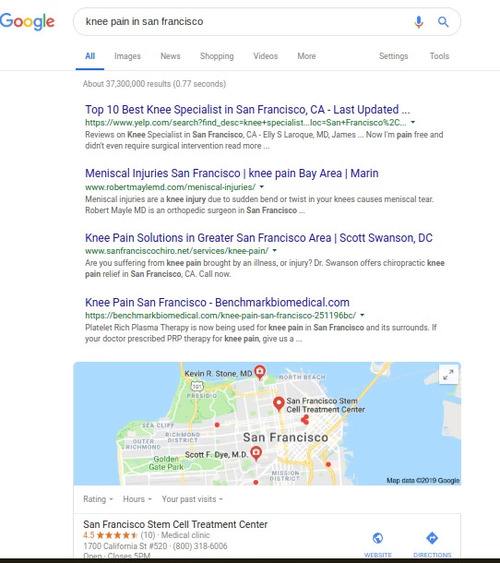
Search query reveals dominance of few websites for medical queries, challenging for small businesses

Take for example the medical industry and websites like WebMD, Healthline, or Cleveland Clinic. In the film and entertainment industry, IMDB and Rotten Tomatoes can be found at the top of the SERP. Wikipedia also presents a considerable indirect competitor for many brands to try and outrank.

For brands that have sites closely tied to keywords that these major sites rank well for, it can seem futile to try and figure out how rank highly when competing against these major sites. That does not mean, however, that SEO and content marketing overall cannot be used.

Understanding how to create content that performs well in these situations, and how brands can bolster performance, is important for realizing the full potential of content. Here's what you need to know about content marketing for small business.

Create content that is location specific

Many smaller brands focus on location-specific audiences. For example, a local medical provider or practitioner might treat patients within a specific geographic location or a local events organizer might focus more on local entertainment.

Adding location keywords helps with content marketing for small businesses

These brands should look for opportunities to create content geared towards their local audience. The targeted audience might be smaller, but the use of local keywords will help them appear in local searches for people in their area.

Think carefully about what people in the immediate area might be looking for when developing content. Consider places, landmarks, local names, or other factors that might show up as terms in people’s searches in the area. You can even incorporate factors, like weather or local events that might encourage people to make related searches that wouldn't occur to larger brands trying to appeal to people across a wide variety of locations.

Target less-popular keywords for content marketing for small businesses

In every industry there tend to be less-popular keywords brand websites often ignore. They opt instead to optimize for the most popular keywords that have the greatest potential for traffic. In a situation where you are trying to compete with large brands with excellent reputations, however, sometimes these less popular keywords can be an important part of optimization.

By creating content for less-popular keywords you create opportunities for your brand to start building your brand reputation. You will be able to brand yourself as an expert in your industry and your site will rank for important keywords, even if they aren't the most common searches. As you build your domain reputation, that bedrock foundation will help your brand build rankings across all of your pages.

Take keywords in slightly different direction

You can also create content that takes a slightly different look at some of your most common keywords. You can focus on slightly different areas of concern for users. For example, say you are a medical practice. You know that trying to compete with WebMD and Mayo Clinic on general articles pertaining to different diseases and conditions would be a big challenge.

You can, however, focus on creating content related to treatment, what to expect during treatment, how your office treats this particular condition, or optimize for treatment related to this condition within your area.

To consider the type of content that will provide the most value for your organization, think about the types of questions and concerns that customers or prospects often approach your organization with. This will provide you with valuable insight into the issues and concepts that matter the most to them, helping you find the topics that will most likely appeal to other prospective customers.

Incorporate paid search strategies

For your high-value keywords where the first page of search results remains dominated by major brand names in your field, the best way to get your brand recognized will be to use a paid search strategy. PPC will get your content featured at the top of the SERP, putting you directly in front of prospective customers.

Developing a strong PPC strategy requires understanding what people generally want to see when they land on a particular SERP. Research what the SERP looks like currently to get a better understanding of the typical user intent of users. Both your ad and your landing page will need to reflect these desires.

You ad will need to closely reflect what other search results look like. Examine how the results are formatted and how descriptions are worded. Your ad should take this information into account and also reflect what sets your organization apart.

Your landing page will also contain what users want to see. It should provide high quality information that reflects what visitors would see on any of your competitor's sites.

Monitor your success with PPC closely. Since you have to invest more monetarily, you will want to make sure you derive maximum value. Look at your click through rate as well as the number of conversions and revenue you secure with each lead. This will allow you to calculate the value of your efforts with PPC, setting you up for the optimum conversion rate.

Focus on your social media presence

Social media can also provide organizations with a powerful means of getting out from under the umbrella of larger companies. The modern consumer spends a lot of time on social media--an estimated 77% of Americans have at least one profile, and Nielsen reports that Americans over the age of 18 spend an average of 45 minutes on social media every day. This makes social a great way for people to interact with potential customers.

When it comes to building a strong profile, you do not have to worry about outranking your competitors. The most important aspect will be creating a profile that engages users in your target demographic. Interacting with people, encouraging them to post on your page-- which means that their engagement with your profile shows up in the feeds of all their connections, and otherwise using social media as a means of building a personal connection with users all create an excellent opportunity to stand out from the others in your industry. Customers greatly appreciate this personal connection with brands they consider doing business with.

Given the immense size of some brands that dominate the SERPs, creating a more personal, intimate connection with followers might not be as feasible. This makes it a fantastic place for smaller organizations to shine. Consider how you can take advantage of your smaller size to bring a more individual touch to your social followers.

Fighting for space on the SERPs is something that brands of all sizes must do. Sometimes, however, it can feel like a David vs. Goliath fight, and the smaller companies know that keyword research alone will not be enough for them to overtake the large, reputable, and well-cited content that dominates the top slots for their industry keywords. Understanding how to build a successful marketing strategy despite this obstacle, however, can help brands see success in content marketing for small business.

small business content marketing request a demo banner

4 Easy Steps to Using Instagram Marketing to Drive Your Brand

gregalbuto
gregalbuto
M Posted 7 years 5 months ago
t 9 min read

Instagram has established itself as one of the most popular social media platforms. It boasts one billion users, 500 million of whom use it every day. It began as a platform that appealed to younger generations, and its younger audience has stuck around while also expanding into other demographics. Fifty-nine percent of users are under the age of 30, and 72% of teens use it every day.

Instagram marketing can drive SEO and brand growth - brightedge

Visuals are the heart of the platform. It taps into the popularity of images and videos across the web. Brands can use this platform as an effective way to engage with prospective customers, particularly brands who have target demographics that trend younger. Users on the platform respond well to paid advertising -- 65% percent of the top performing posts on the platform contain featured products.

Even outside of paid advertising Instagram marketing on the platform, brands have a number of ways to build organic success. If you want to take your profile and campaigns to the next level, here is what you need to know about effective Instagram marketing.

1. Optimize your profile

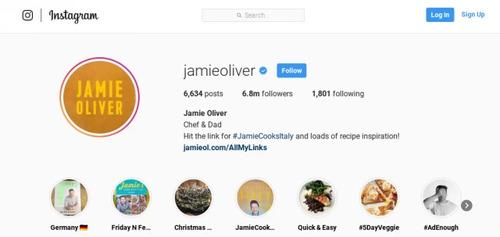
Your profile offers space to create a strong first impression for your followers. That said, you don't have much space for a profile biography -- only about 150 characters -- so you'll have to be efficient. Consider important keywords related to your industry that might interest users and incorporate when possible. Use keyword research to better understand the terms that people are interested in.

Part of optimizing your presence on a social platform also includes your company profile picture. Instagram is a highly visual platform, which means that the image you select for your company profile picture can have a tremendous impact. Select one that engages users, calls to mind the casual atmosphere of this social platform, and encompasses your brand associations.

2. The importance of influencers on Instagram marketing

The consideration stage of the buyer’s journey for many users now includes validation from social. Recommendations from friends and family remain the most trusted form of "advertising," and influencers help to fill this role. People are 10 times more likely to be influenced by a non-celebrity blogger than a celebrity endorsement, and they're 30% more likely to purchase something that has been recommended by a non-celebrity blogger.

Influencers, therefore, can benefit from Instagram marketing efforts. They provide trusted reviews for potentially hundreds or even thousands of people. This can encourage people to select your product over that of a competitor.

Instagram Influencers have a powerful impact on customer spend - instagram marketing with Brightedge

Choosing which influencers to work with, however, can be a challenge with Instagram marketing. Consider these tips when making a selection:

  • Consider the audience the influencer reaches. You want to find someone who aligns well with your target audience. There can be influencers within your sector who target slightly different audiences, such as discount products or small-to-medium-sized businesses.
  • Think also about the voice the influencer projects. As an influencer, they will help to broadcast your brand to others. You do not want someone with a dramatically different voice to reach out to your prospects. While you might not find someone who aligns directly, you want to make sure that the voice does not vary so much that customers develop the wrong associations with your organization.
  • Make sure you can still differentiate your brand with Instagram marketing. Some brands end up making mistakes with influencer marketing by doing little to separate themselves from other products that the influencer might be mentioning to customers. With Instagram marketing you do not want to lose your brand voice and let the products or services you sell become just one of several that this particular Instagram influencer markets on your behalf.

3. Use Instagram Live to drive direct interaction with your users

Instagram allows users to create live streaming videos to actively engage with other users online. Using this feature is a fantastic way Instagram marketing drives brand reputation and connections with prospective customers. Remember that customers like to feel a personal connection with the brands they buy from. Instagram Live amplifies this personal connection, making it appealing for many users.

Not only do Live posts help prospects feel like the brand is speaking directly to them, but they also allow for opportunities for customers to ask and receive answers from brands in the moment. This creates even more of a semblance of a conversation, driving a strong relationship. To maximize your Instagram Live potential consider these tips:

  • Consider moments that customers will likely be interested in. For example, if your brand hosts events, you can offer viewers an Instagram Live video with snippets of talks from the event, interviews with attendees, or other snapshots to build interest.
  • You can host opportunities for brands to interact with certain members of the company, such as the CEO, CMO, or other leaders. They can be on hand to answer questions for users.
  • Behind-the-scenes tours of the brand headquarters, information about impending releases, and similar important moments can also drive engagement.
  • Before your livestream, build excitement with users. Let them know about the impending video, encourage them to pre-submit questions, let them know why they should join the video.
  • Select broadcast times that will be convenient for the most number of users. Look at when most people read your posts to gain this insight.

4. Run user-generated content campaigns with branded hashtags

User-generated Instagram marketing content can be a great way to engage with users. Customers place more value on the buying habits of fellow customers and non-celebrities than official promotions. This explains why they appreciate recommendations from those they trust -- including non-celebrity bloggers -- and why things like social proof can provide so much value. Contests that employ user-generated content will promote your material across the platform as people submit proof that they use your products or services. This boosts brand awareness, social proof, and influences people in the consideration stage of the buyer’s journey.

UGC contests drive brand awareness and engagement with instagram marketing - brightedge

When designing your user-generated content contest, there are a few factors to keep in mind:

  • Before you begin the contest, outline what you want to accomplish, who you will target, and the type of prize and entry system that will appeal most to your target audience.
  • Create a theme that will appeal to participants and a prize that will excite them.
  • Create a unique, memorable hashtag that allows your contest to thrive. There's a number of free hashtag analyzer tools out there that can help you to both target and differentiate effectively.
  • Know how you will choose your winner. Make sure it is an objective system that keeps the contest fair.
  • Outline the terms of your content and have all the important people at your organization review it, including your legal team.
  • Promote your upcoming contest across all platforms, but particularly on Instagram. Make sure your followers know how to enter and what they can win.

With its popularity and ability to influence users, Instagram marketing can be an excellent tool for engaging prospective customers and building brand awareness. As you begin building your Instagram account, consider how these tips can help you create a stronger profile and presence.

brightedge request a demo

Leveraging LinkedIn Marketing Ideas for Branding

Default avatar
Andy Betts
M Posted 11 years 10 months ago
t 9 min read

Even if you’re not an “official” Baby Boomer, you’re likely familiar with that classic ‘70’s show (or its ‘90’s movie spinoff), "The Brady Bunch." Throughout, poor Jan Brady repeatedly laments, “It’s always Marsha, Marsha, Marsha!”

As brand marketers, you may well relate: “It’s always content, content, content!” Indeed it is, and for good reason.

Just as Marsha was the undisputed queen of the Brady brood, so is content the irrefutable king of search and social media – and will remain so for the foreseeable future. And when it comes to using content to build your professional brand on social media, using LinkedIn marketing ideas remains the sovereign option.

LinkedIn: The Content Publisher’s Professional Platform

In a bold move that distinguished itself from the other major social media channels of the time, LinkedIn introduced a content publishing platform in 2012, “LinkedIn Influencer,” whereby it invited the top 150 industry thought leaders to share their original content.

Fast forwarding to February of this year, the company announced that it would open its publishing venue to all of its users, beginning with 25,000 (still relatively exclusive) members. Today, LinkedIn continues to democratize its publishing platform with a slow but steady roll out to all of its nearly 300 million users. (Note: As of the date of its announcement, LinkedIn states that it is offering access to its publishing platform only to English language users, but stipulates it will be expanding access to accommodate multiple languages). What does this mean for your brand? Nothing short of a huge opportunity to position yourself as the go-to resource in your industry’s vertical! Publishing solid, optimized content on LinkedIn allows you the opportunity to showcase your brand, and reach a significant amount of qualified potential customers, not only through LinkedIn’s own site search, but also via the search engines themselves.

LinkedIn Marketing Ideas for the Content Publishing Fast Track

So how do you maneuver onto the fast track for leveraging LinkedIn’s content publishing platform? First of all, if you haven’t done so already, you’ll want to start publishing exceptional content, be it on your own blog or a secondary online forum.

Once you've published a few good quality pieces, follow these 4 LinkedIn marketing ideas:

  • Flesh out your brand’s LinkedIn company page
  • Incorporate search-specific keywords and phrases into your brand’s profile and shared content
  • Create a LinkedIn group relevant to your industry
  • Integrate visual media to accompany your shared content

​1. Flesh out your brand’s LinkedIn company page. Meaning, REALLY flesh it out by satisfying any and every field LinkedIn deems relevant, and then some. This can range from detailing your brand’s track record (think of this as the “professional experience” part of your personal resume) to having a minimum number of industry connections.

If you haven’t yet crafted your brand’s story, or connected with other brands that are related to your vertical, now is the time to start!

Connecting with others is a relatively easy process, and you may be surprised how readily your “invites to connect” are accepted. Given that your brand’s “colleagues” also need to make connections, it usually amounts to a clear win-win transaction … and perhaps even a possible client or potential business partner!

2. Incorporate search-specific keywords and phrases into your brand’s profile and shared content. Think of this task just as you would if you were optimizing your brand’s website content. LinkedIn has a search function, and by integrating search-savvy terms into your company’s tagline (or headline), summary, and updates, your brand will be more readily found on the platform.

When it comes to your brand’s published updates, informed keyword optimization could also serve to boost your company’s overall search engine ranking.

3. Create a LinkedIn group relevant to your industry. Be it pet care, virtual assistance or massage therapy -- each brand has its own audience. From both search and usability standpoints, your job is to make your brand’s company page, updates, and content as finely-tuned and targeted as they can possibly be for its given vertical. How efficient, then, to accomplish both search and usability goals by creating and sharing your best content (as well as that of complimentary brands) with your highly-qualified brand base.

A quick but important word of caution about forming a LinkedIn group: you’ll want to appoint a social media manager or team member to moderate your group.

This is necessary not only to keep it clean of the spammers that dilute and pollute a company’s group page, but also to act as your brand’s “voice” while engaging with its core audience.

4. Integrate visual media to accompany your shared content. Research clearly shows that people tend to respond more to “rich media,” so keep this in mind when posting your ongoing company updates as well as when sharing content: integrate images and photos whenever possible! Also note that LinkedIn is rather fond of SlideShare presentations, having bought the visual platform in 2012, about the same time it introduced company pages. And of course, you can also supercharge your content by adding video!

Happy content publishing!

Customer Column - A Social Marketing Template

Kevin Hill
Kevin Hill
M Posted 13 years 4 months ago
t 9 min read

My name is Kevin Hill, and I run the SEM and E-Commerce for a company in a niche marketplace for safety products.  Prior to that, I ran the SEM programs for Harbor Freight Tools, and was responsible for over 47MM in revenue tied to my programs.  In both of these positions, I was tapped to help guide social media marketing both formally and informally.  I am going to share with you the guidelines to success with Social Media marketing that have helped me in my quest for successful digital marketing and buyer's journey

Rule 1: You Can Participate - Not Control

Social media is a place where people go to talk about the things that matter to THEM, not you.  What this means is that ,often times, the discussion might be about how a customer is using a chainsaw as a nose hair trimmer - and your legal department is having fits about you  even responding to this kind of post.  Most likely, they are begging and pleading with you to get this post off of Facebook, LinkedIn or other social media sites because of liability issues. What is important to realize is that you don't control the content or content of the conversations about your products or services.  Let me repeat that.  It's important. YOU DON'T CONTROL THE MESSAGE. What you do control is how you participate in the message.  Can you add value to the discussion?  Can you answer people's questions? Can you be helpful and responsive?  Can you do it in a professional, yet human way?

Rule 2: Develop A Ruleset

Now that you know you can't control the message or subject - what can you do? Develop a ruleset around what subjects you will post about, what you will respond to, and how you will deal with angry or negative posts.  I suggest something like the following: Tone

  1. Will use proper grammer
  2. Will use language your customers use
  3. Will be neutral in tone

Content

  1. Will be informative and relate to the discussion at hand
  2. Posts about our products or services will generally be human interest stories of how our products were used, or professionals in our industry have succeeded/won or done something newsworthy
  3. Posts like the above could start with "Like this if:..."
  4. Use stories that are of interest, or that ask questions

Subject matter that will not be posted

  1. Involving improper use of products
  2. Political in nature
  3. Sexual in nature (unless that's your business)
  4. Abusive, angry or attacking
  5. Foul language

Dealing with Angry Posts

  1. Posts that attack others, contain foul language will be deleted, and we will post a comment acknowledging the deletion and reason for the deletion
  2. Posts that reference politics, sexual issues will not be responded to
  3. Responses will ask the person in question to contact customer service at xxx-xxx-xxxx so that we can help the customer directly.

Rule 3: You control what you post

The 3rd rule is pretty obvious.  You control what, how and when you post.  For Twitter, you probably need to assign someone who uses Twitter regularly, and is willing to respond to a Tweet within seconds of it going live.  That means they monitor it during all their waking hours.  It also means you need to assign this task to someone who understands your policy of how you post, when you post, and what you post (See Rule 2). When responding to customer posts, it's critical that you participate in the discussion at hand, and don't try to "sell" something right away.  Help the conversation along by simply participating and being human.  Social media is about developing a place where people can talk about your products, and sharing with people how your products matter to them in their personal lives. It's also simply about sharing what's of interest at the moment.  Think about posting things that are interesting, may generate questions and responses.  Find someone who knows how to be the center of a conversation, and how to enliven a conversation. This person will know how to turn up the volume, and get activity to increase with interesting stories, tidbits, and posts.

Rule 4: Don't sell things in social media

Unless you are asked to, don't sell.  When someone is having a discussion about how a ladder might be used, it is totally appropriate to post with some details about the differences between fiberglass and aluminum ladders, and include a link to your website where you sell ladders.  It's not appropriate to interrupt a discussion about puppy house training, with the said ladder post, or an offer for 20% off dog collars.  When a post comes around asking about "where can I find a coupon for...", by all means, post a coupon offer.  But don't post that coupon offer just because there is a conversation about the best way to use a DeWalt power drill motor for driving skateboards. Unless you are involved in the conversation and proved that your not just a vulture trying to hawk products, avoid such posts.

Rule 5: Post often. Post Frequently.

You have the ability to post content to your social media page and accounts.  Make interesting posts about your company, your staff, and your products and how people are using them.  Make the posts often, and make them frequent.  Look at what posts your customers respond to, and post relevant content.  Be genuine in your posts. People have very good marketing detectors today.  They'll spot a sales pitch miles away and filter it out.

Rule 6: Monitor your Social media

Watch your social media regularly. Visit it.  See what your customers are saying. Learn from that, and use it to find and spot trends.  Do you see quite a few posts about how customer service is abusive? Perhaps it's time to start monitoring phone calls and seeing if there is any truth to that rumor.  Do you see a Tweet complaining that you are always out of stock on flux capacitors?  Perhaps a call to Purchasing might shed some light about the situation, and you can Tweet back with some information about the issue?  Get involved.  Respond to your fans, and they will respond to you.

Rule 7: It's not hard, it's just constant

Social media is not hard.  It's constant.  That means you need to start living and breathing your social media.  Fans will instantly detect fake interest, attempts to control the medium, or blatent attempts to monetize all social interactions.  Be real, Be human, and start talking to your customers.

Rule 8: Never censor (unless you have to)

And then, if you do have to censor, be transparent about it.  If someone posts a comment about a subject that is clearly illegal, wrong or calling names, feel free to delete the post or edit it.  But be 100% clear about what you did and why you did it.  For example - let's say someone posts an attack against another poster that is laced with expletives.  You'd probably be justified in removing or editing the post.  And along with that, post a comment saying "This post was deleted and/or edited because it did not follow guidelines found here.  Specifically this post used inappropriate language and attacked another poster.  We hate to do this, but when this happens, we will always let you know."

Rule 9: Have Fun!

Most of all, remember, social media is more like a conversation than a sales pitch.  You are extremely high up in the sales funnel, and your goal is to bring customers to think of your brand, product and entity in a ZMOT way.  You won't get sales immediately, but I promise you, if you actively post to your social accounts on a regular basis, and your stories that you share are of interest to your audience - you will grow - and more people will be reachable by your media. Feel free to test your knowledge with BrightEdge Digital Marketing Quiz or SEO Quiz.

,