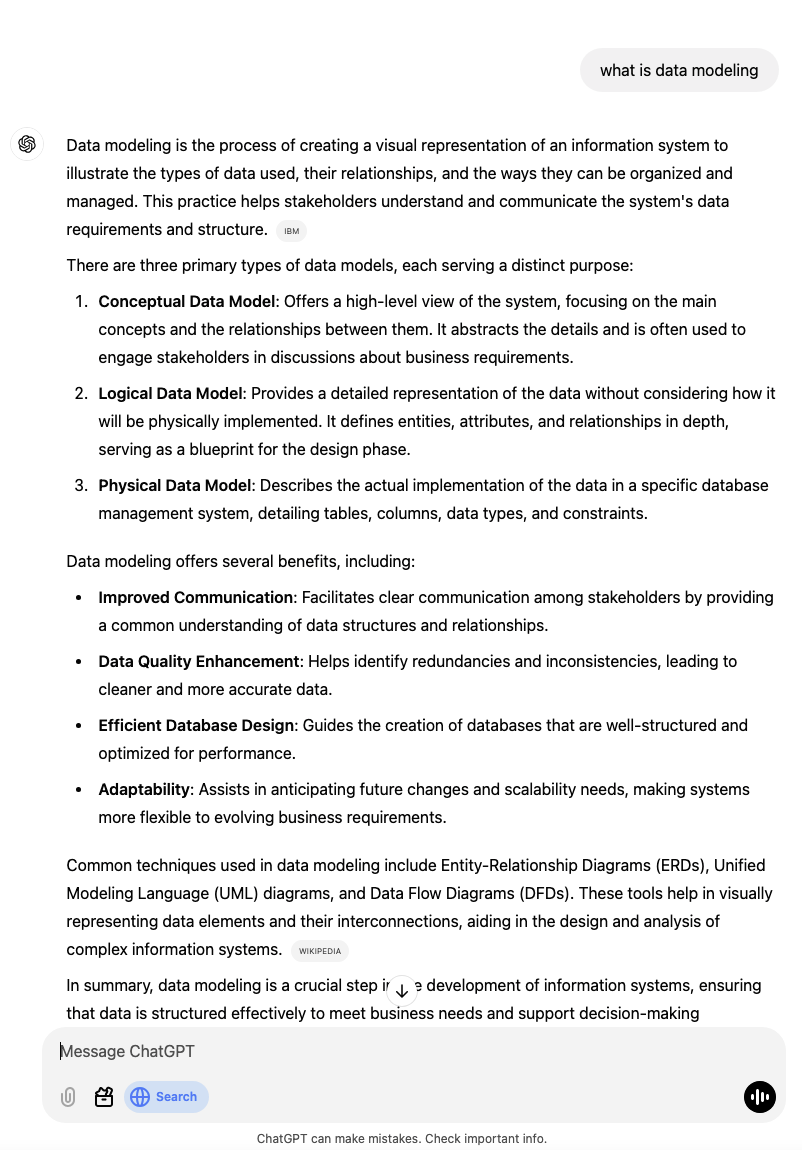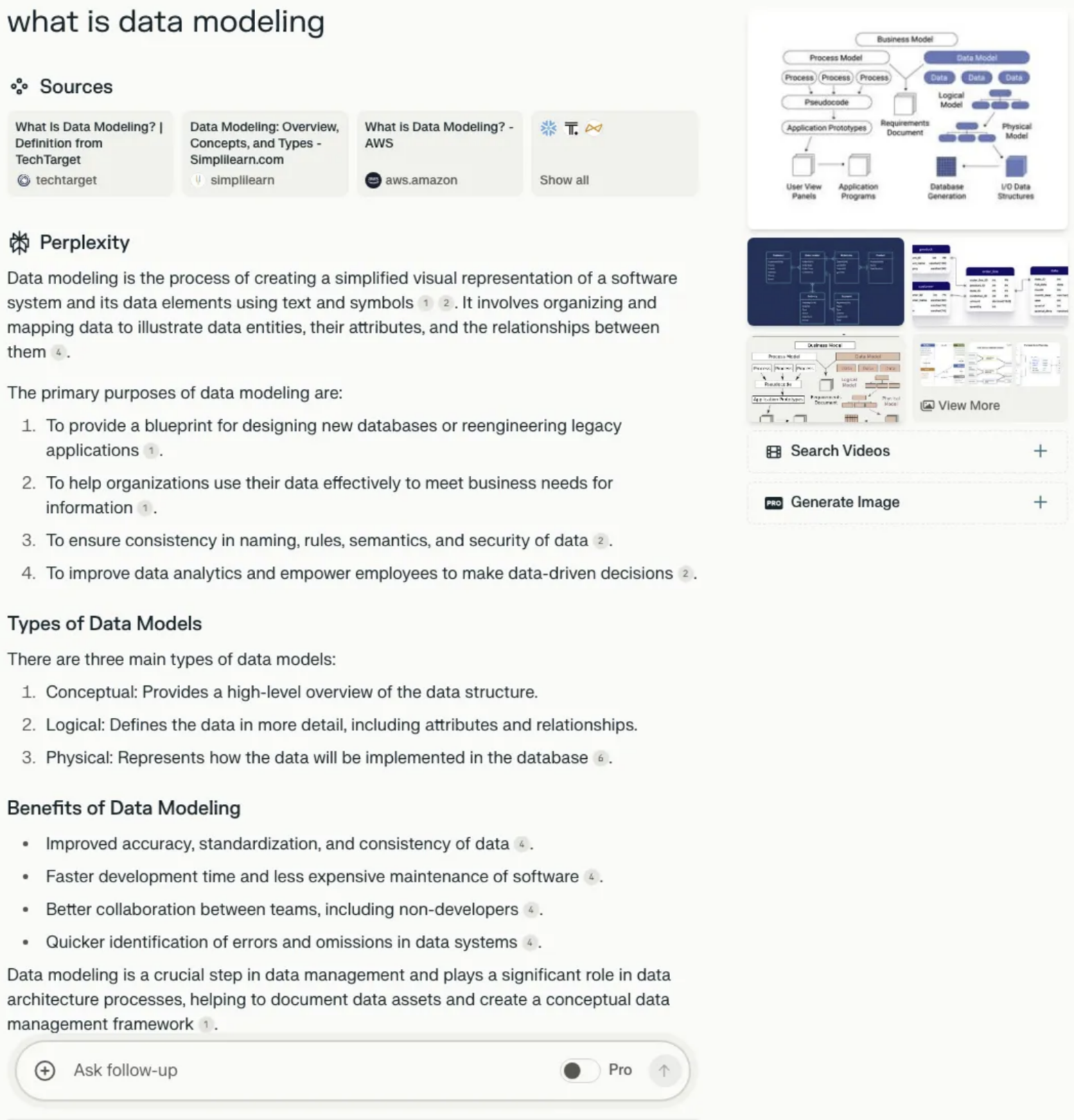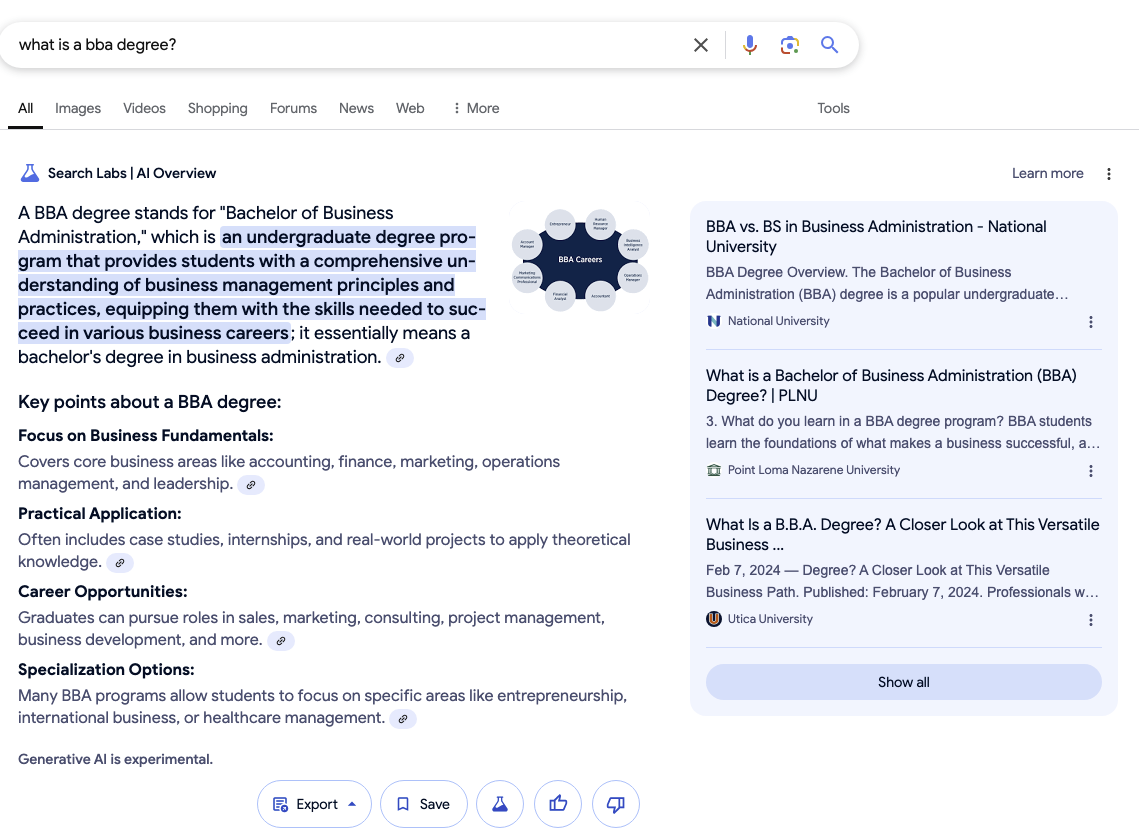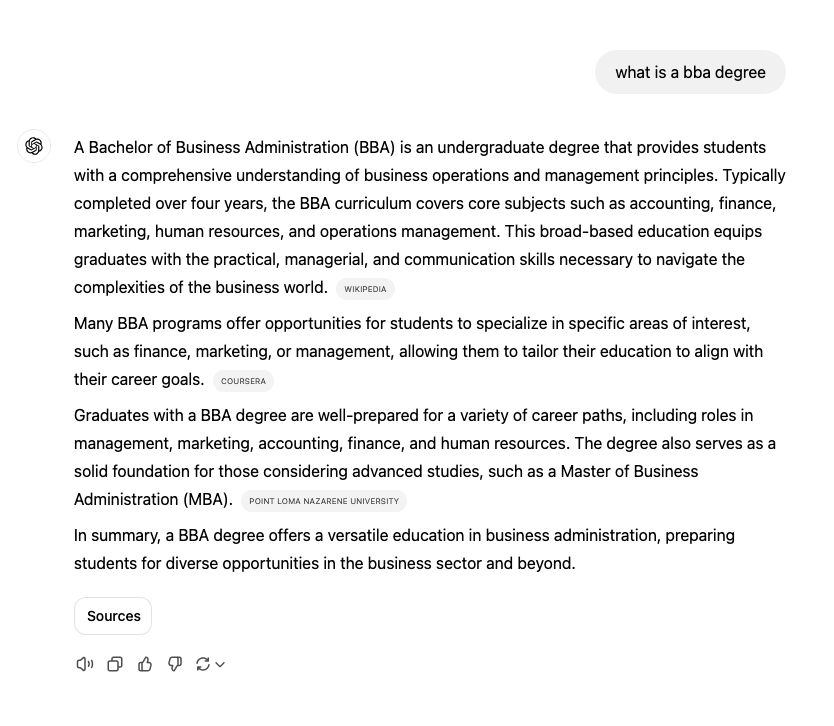













What advertisers will learn from Perplexity’s generative AI search ads

English, British
News Item Title
What advertisers will learn from Perplexity’s generative AI search ads
News Item Author Name
EMarketer
News Item Published Date
News Item Summary

Generative AI search engine Perplexity will launch ads in the next few quarters, according to Adweek. The pivot to ads comes at the same time as news that Google is considering charging for its AI-powered search features.

Perplexity’s growth upends SEO fears, reveals crack in Google’s dominance

English, British
News Item Title
Perplexity’s growth upends SEO fears, reveals crack in Google’s dominance
News Item Author Name
VentureBeat
News Item Published Date
News Item Summary

Google has remained the undisputed search leader for decades, but AI — specifically generative AI — is threatening its market dominance. Perplexity’s referral traffic growth is evidence of that.

How To Adapt Your SEO and Content Strategies for SGE and AI Experiences

English, British
News Item Title
How To Adapt Your SEO and Content Strategies for SGE and AI Experiences
News Item Author Name
Content Marketing Institute
News Item Published Date
News Item Summary

As Google experiments with AI in its standard search results and its Search Generative Experience (SGE), marketers must understand how to adapt their content strategies for new AI-impacted search experiences.

Perplexity Referrals To Brand Sites Growing, Data Shows

English, British
News Item Title
Perplexity Referrals To Brand Sites Growing, Data Shows
News Item Author Name
MediaPost
News Item Published Date
News Item Summary

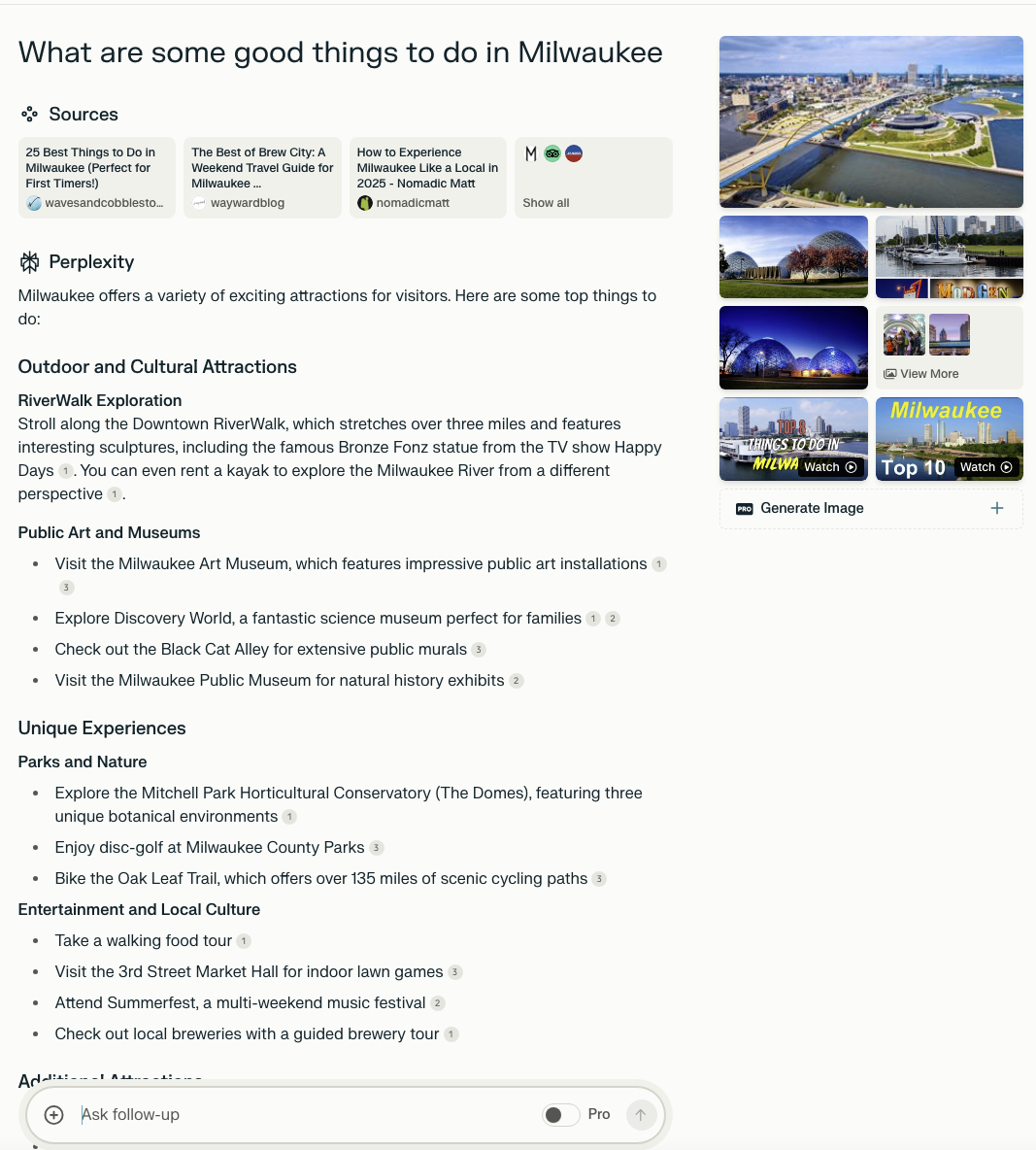
BrightEdge’s analysis shows referrals from Perplexity, an AI-driven "ask" engine, to brand sites are growing at nearly 40% month-over-month since January. It presents the first evidence that Perplexity is not used solely for generative content, but also as a search engine that refers users to sites through citations.

60% of Perplexity citations overlap with top 10 Google organic results

English, British
News Item Title
60% of Perplexity citations overlap with top 10 Google organic results
News Item Author Name
Search Engine Land
News Item Published Date
News Item Summary

With Perplexity referrals growing 40% month-over-month, new research looks at how SGE and Perplexity differ.

3 Key Steps for Marketers to Get Ahead in an AI-First Search World

Jim
Jim
M Posted 1 year 11 months ago
t 9 min read

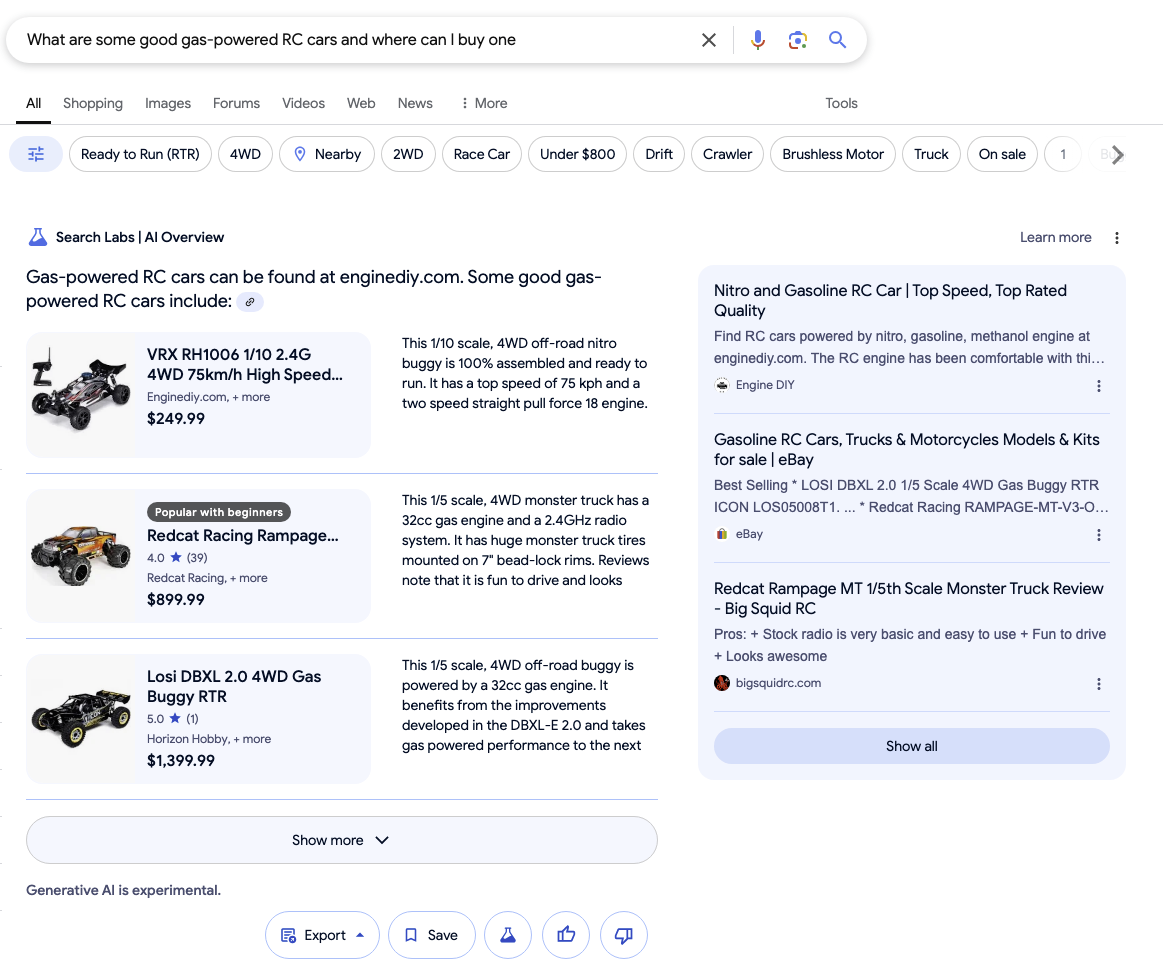
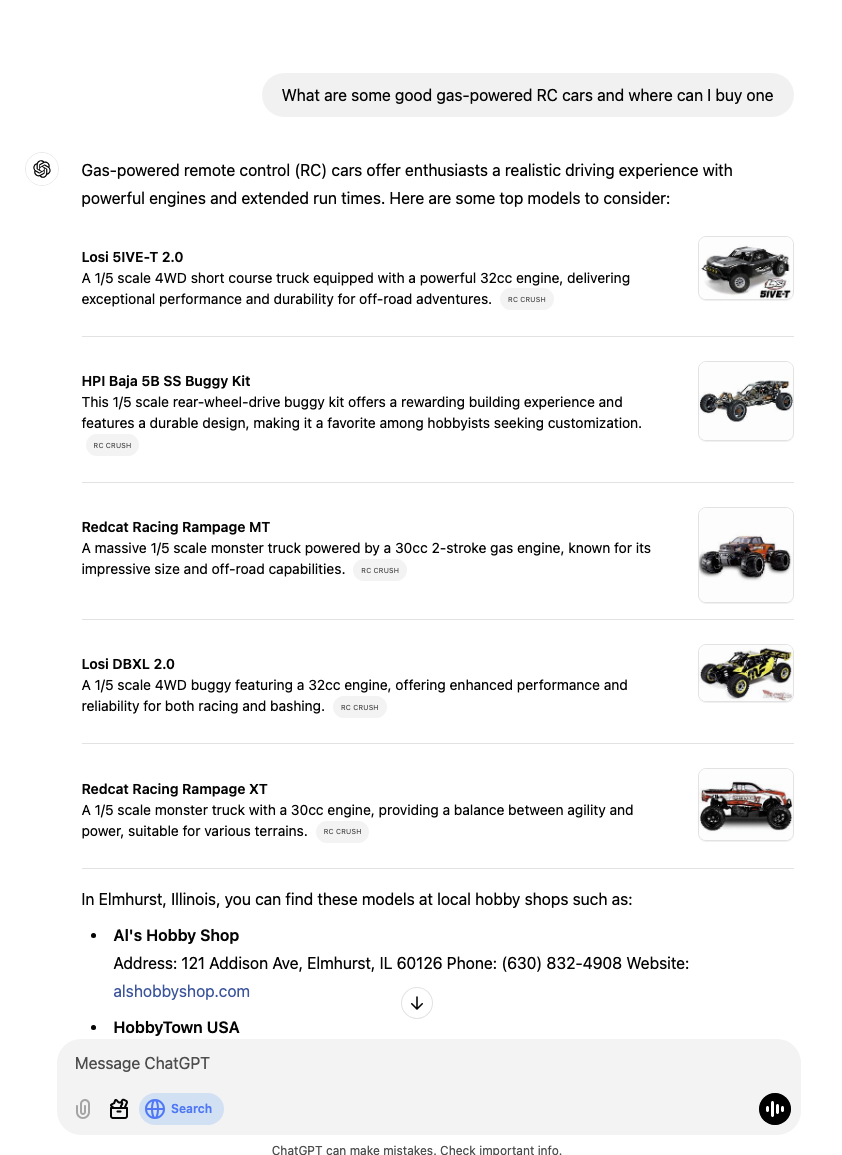
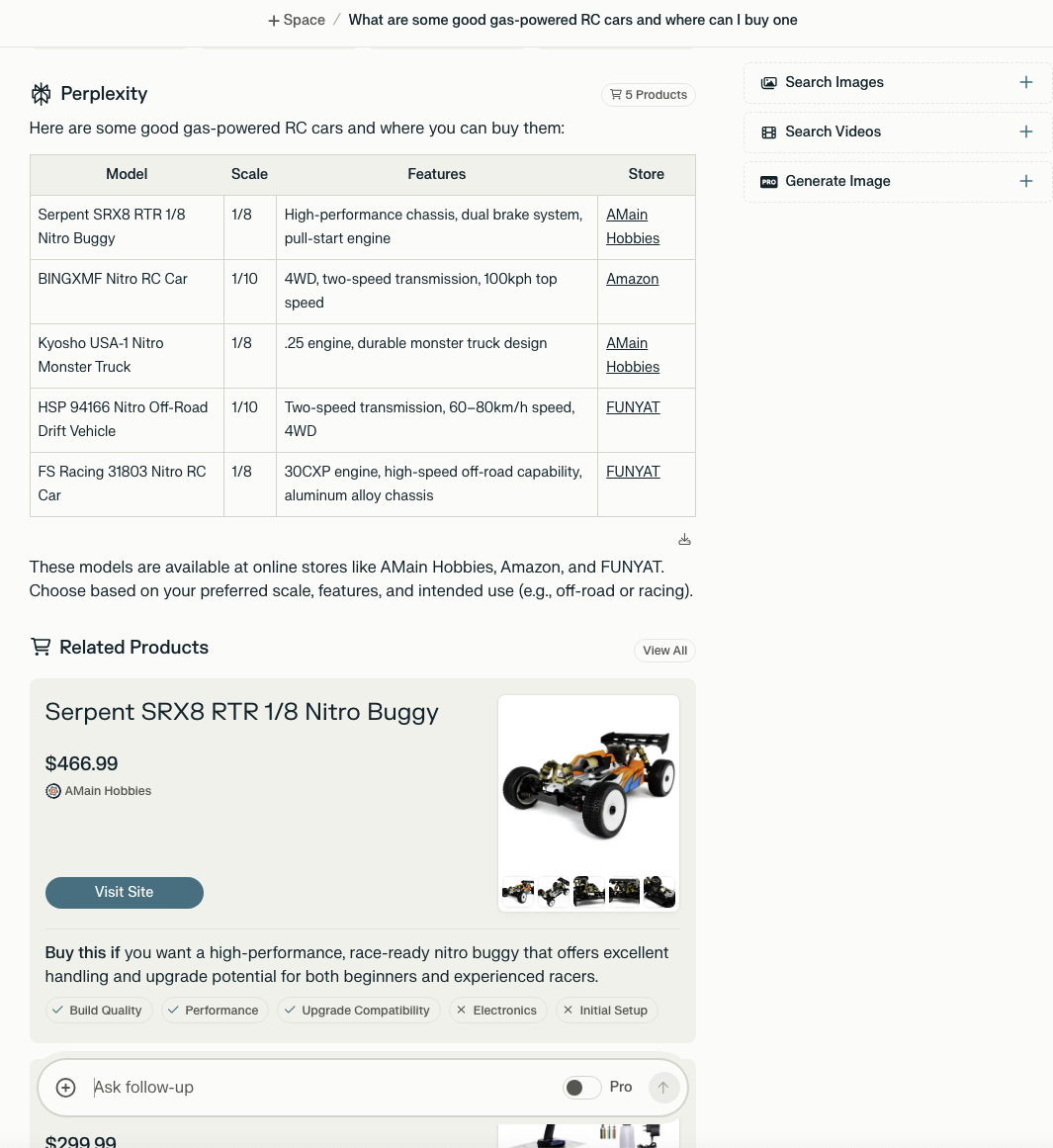
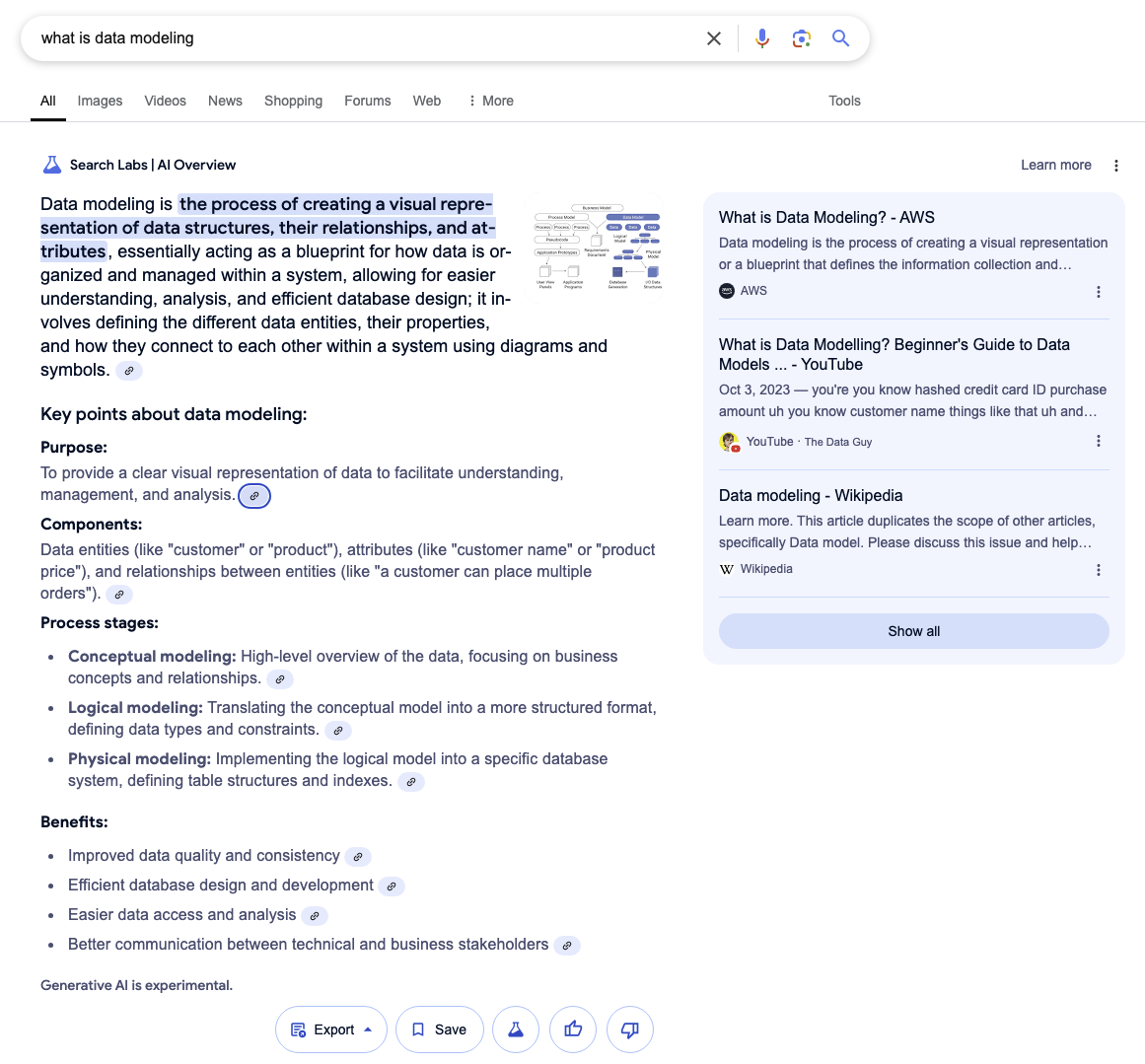
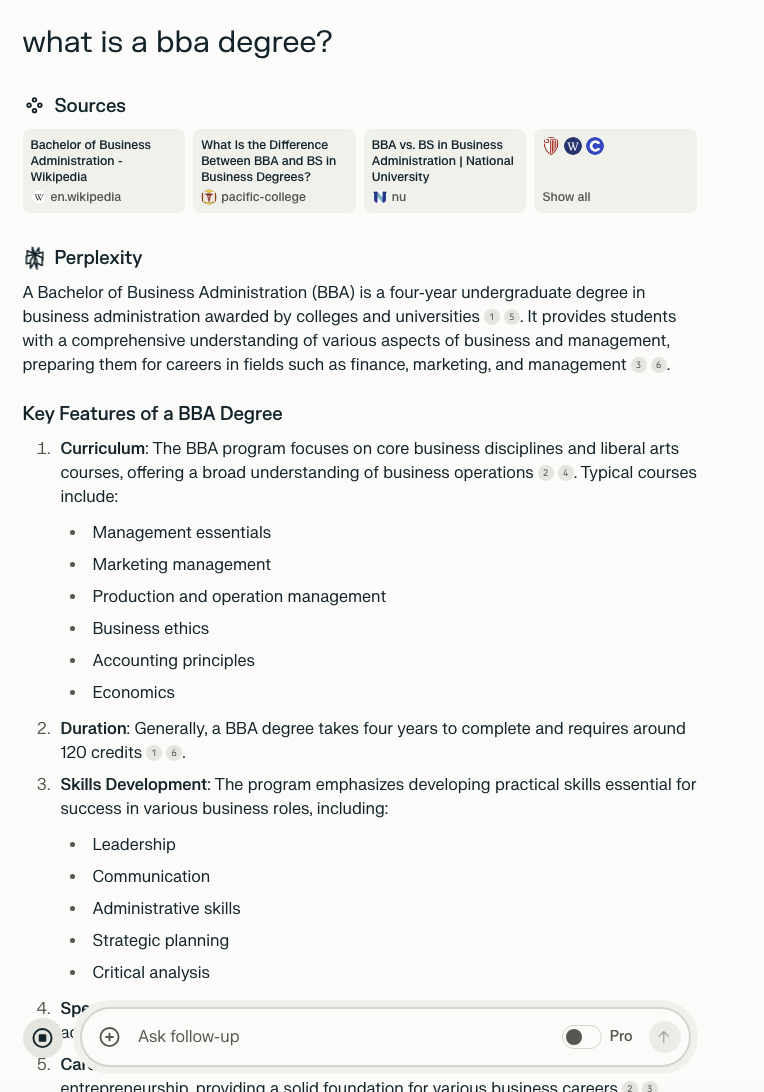
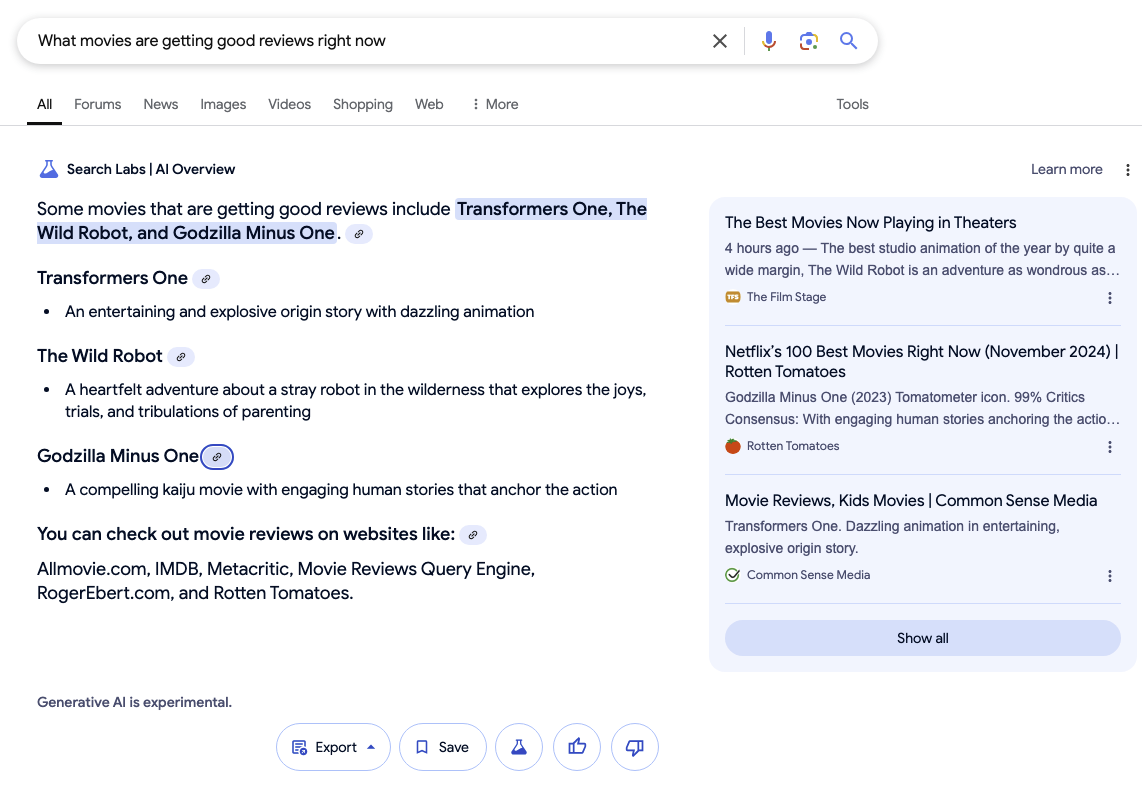
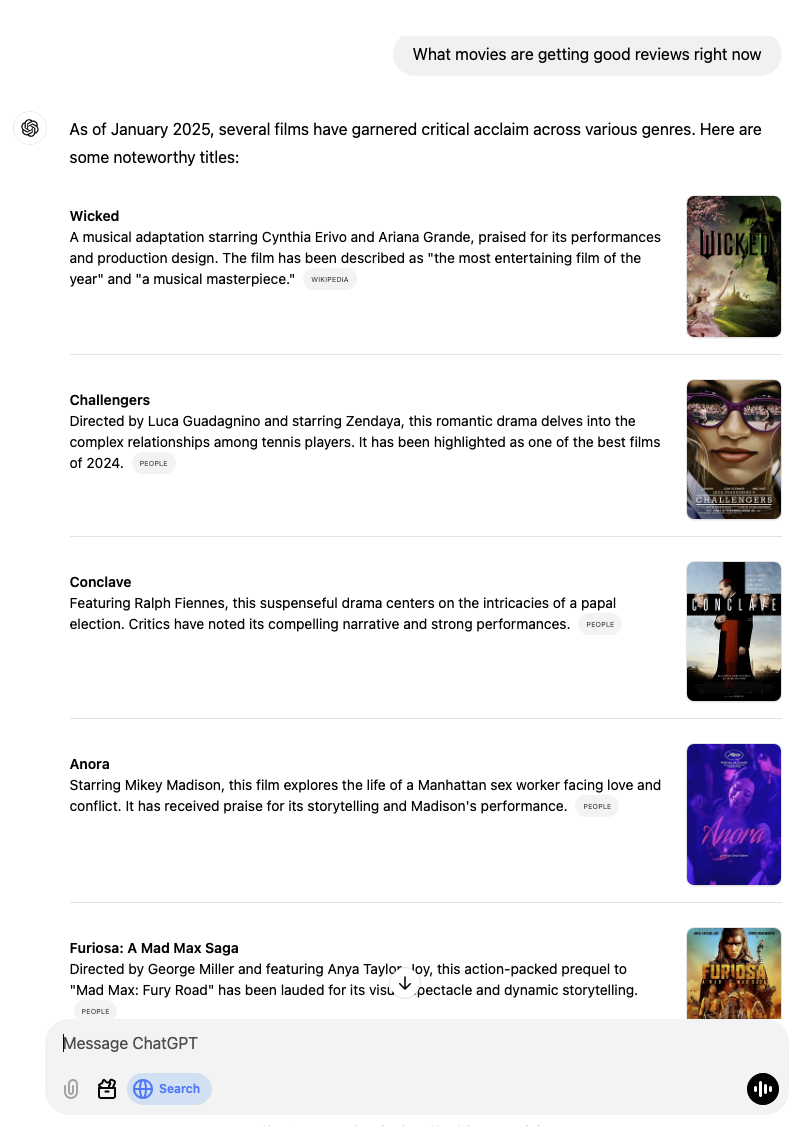
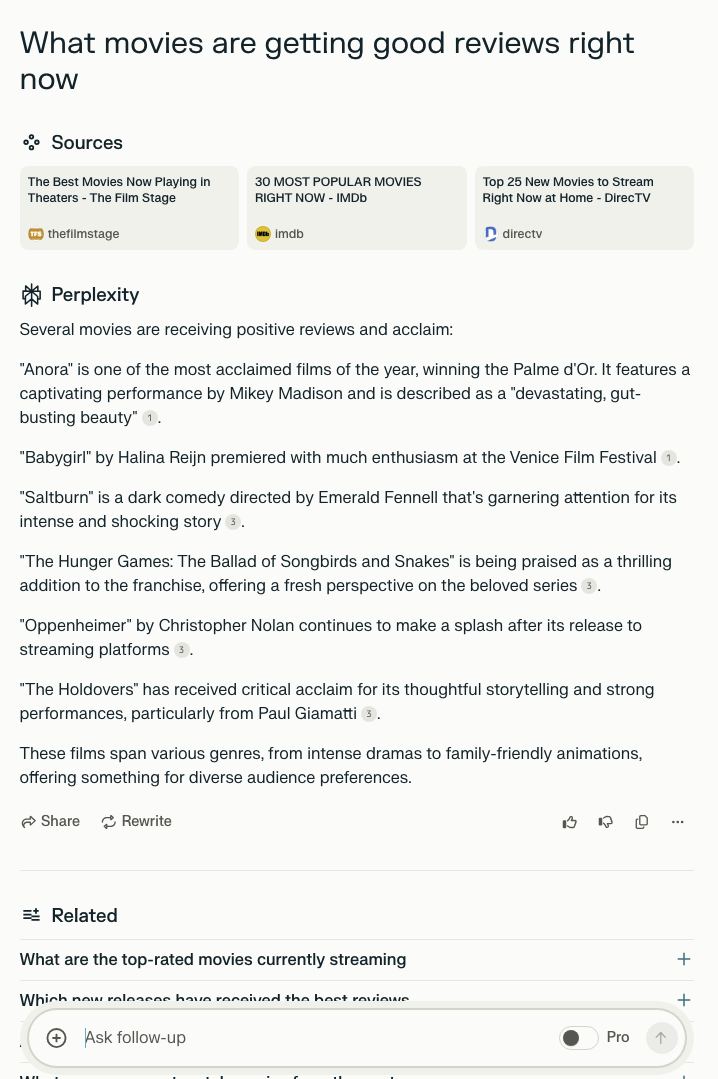
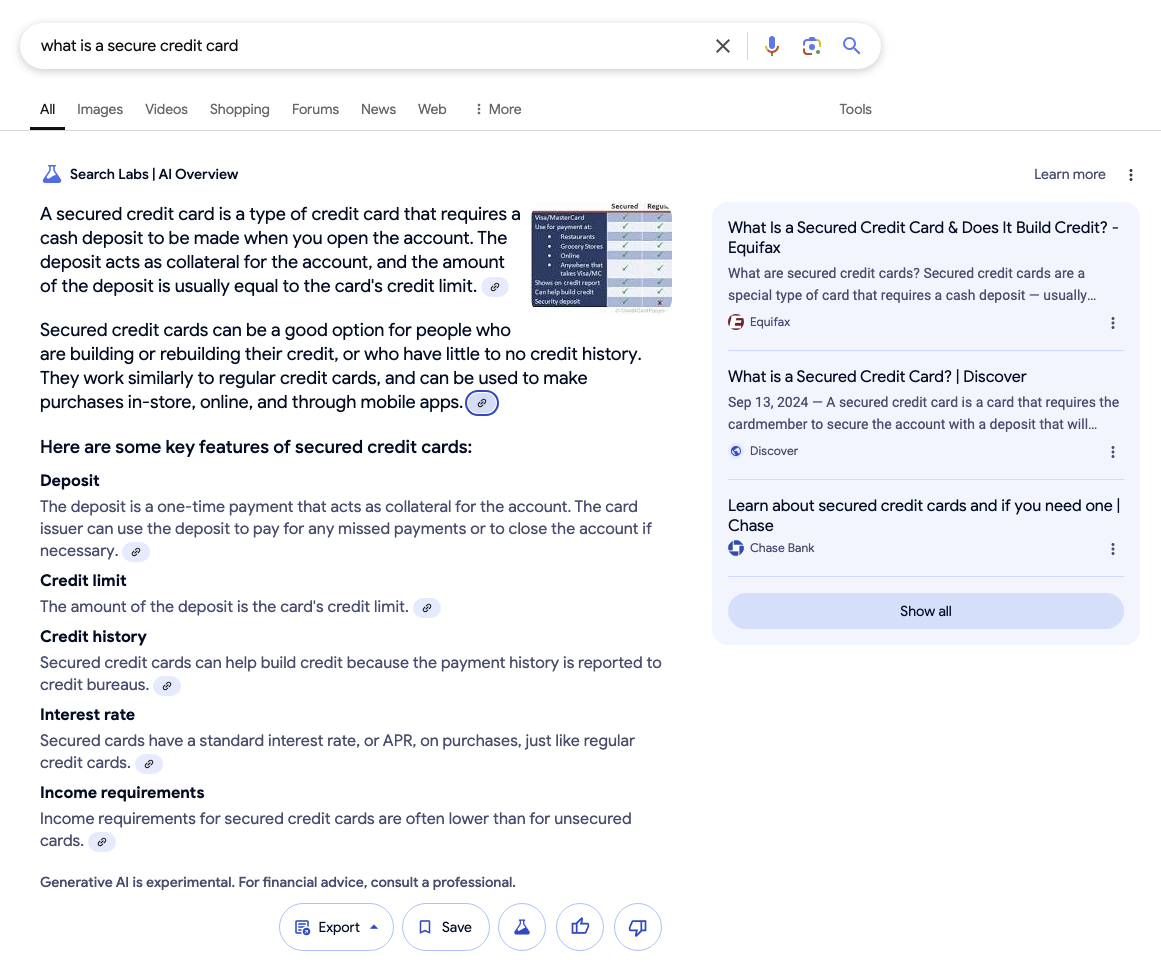
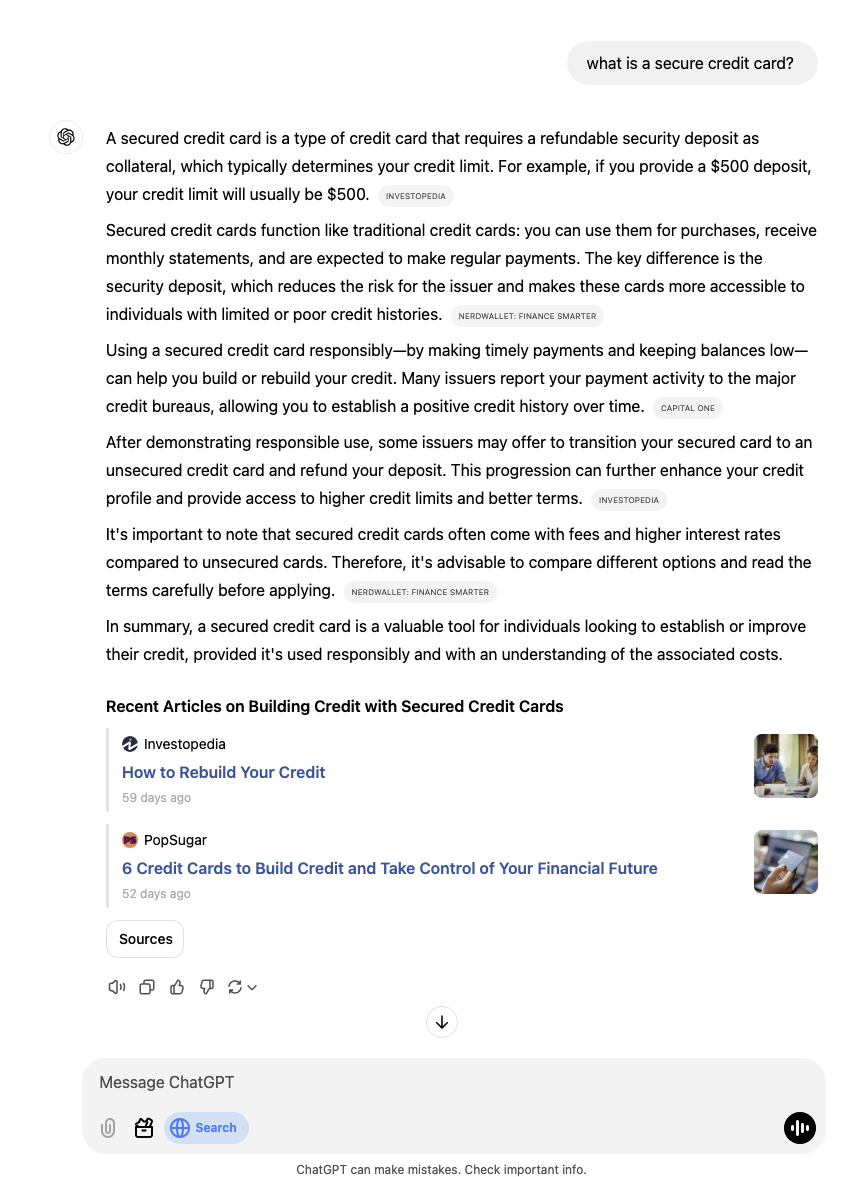
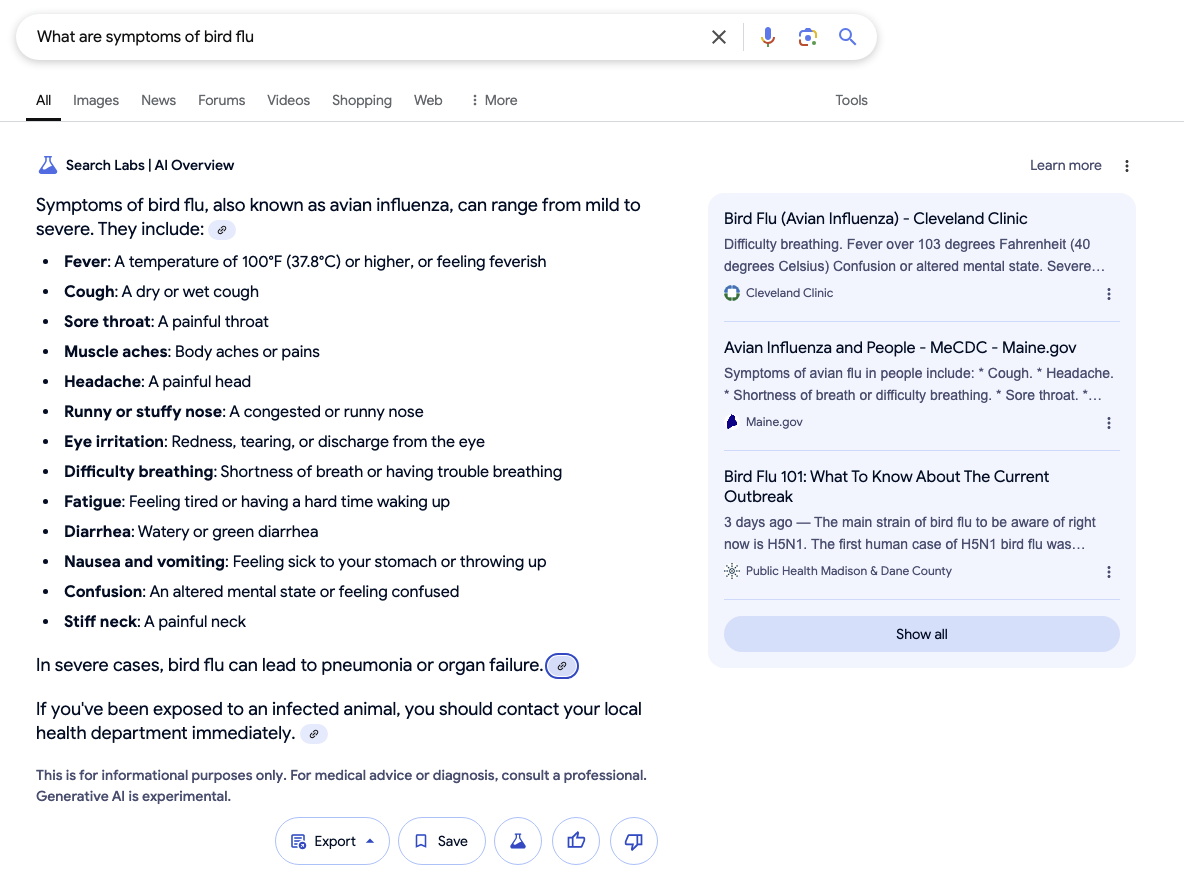
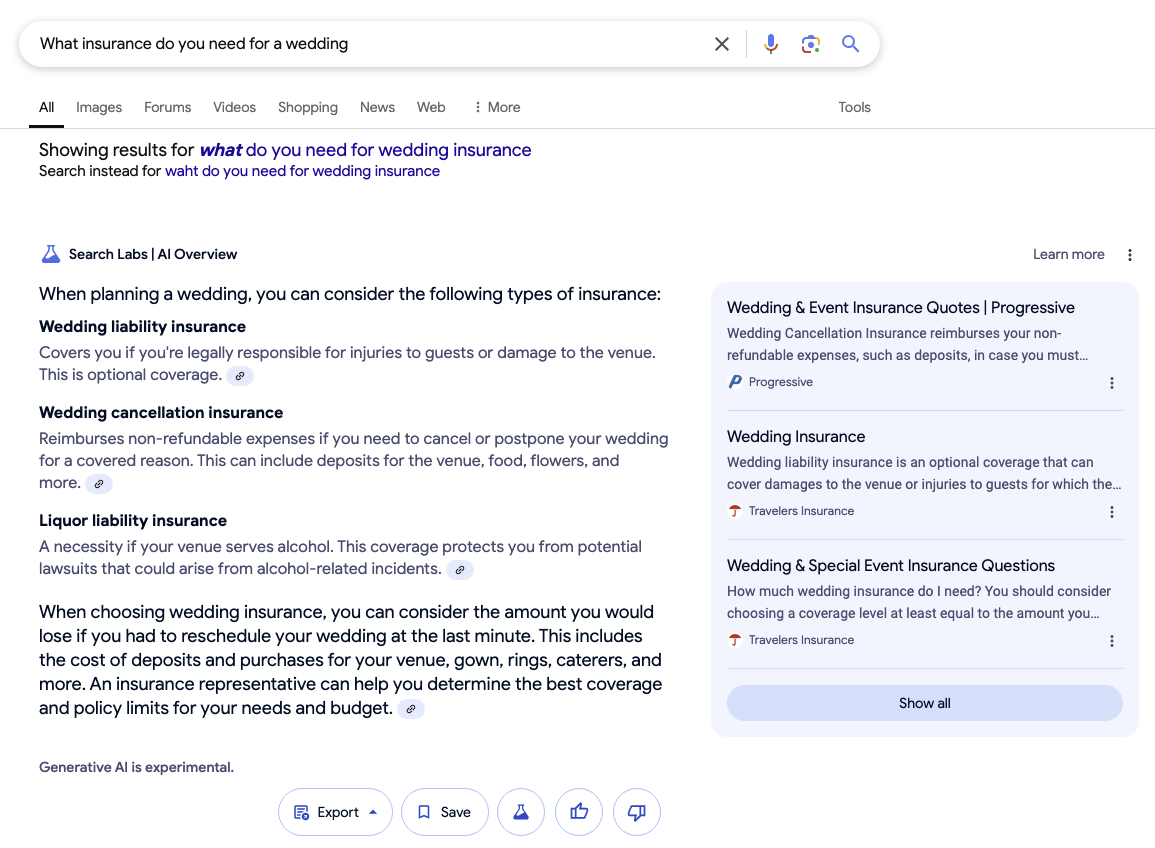
AI Optimization (AIO) is becoming increasingly important — and for good reason. Traditional search augmented with Generative  AI like Google’s Search Generative Experiences are now being tested outside of labs and are expected to impact 84% of search queries. AI-first search engines like Perplexity are experiencing a monthly growth rate of 40%. These innovations have the potential to connect customers with brands in new and exciting ways.  While traditional engines rely on indexing, Generative AI employs a different approach — surfacing content from different domains. As a result, AIO  involves optimizing content specifically for these cutting-edge, AI-first engines. AIO shares similarities with traditional SEO but has its own unique nuances. To harness the full benefits of AIO, marketing leaders must understand what their teams need to do to succeed in this new medium.

Understanding AI Optimization

AIO marks a shift from the traditional goal of securing higher rankings in search results to the fine-tuning of content for AI models that provide direct answers to users. This shift is paving the way for new and unique interactions with users that would not have been possible in a traditional search model.  For example, with AI-first search, a user can say they are planning a vacation to Paris and are interested in architecture and then request an itinerary for a 5-day trip. The engine can render that itinerary just as it was asked. This kind of dynamic and personalized result is not possible in a traditional search model. The models behind AI search engines like ChatGPT, SGE and Perplexity, are tasked with identifying reliable sources of knowledge to address queries like the one above. Thus, AIO extends beyond SEO basics like optimized title tags and keyword placement; it leverages content that aligns better with the user’s intent and the context of the query. Achieving success with AIO necessitates that digital marketing teams are equipped with the right data and are operating in a way that makes it optimal for AIO to take place.

Three Ways to Start Operationalizing AIO

The good news for marketers already doing SEO is that by creating relevant and engaging content, most of the heavy lifting is already done.  But marketers can take some extra steps to ensure their digital assets are ready for AI-powered search engines: 

  1. Learn How AI-Powered Engines Work: Understanding and leveraging AI-driven search engines is crucial for SEO teams aiming to stay ahead. BrightEdge Generative Parser™ is an industry-first technology that explores how AI-powered search engines are rendering results.  Our comprehensive Ultimate Guides to Google SGE and Perplexity are designed to demystify the complexities of these advanced engines. They are regularly updated with the latest modules and emerging patterns, are filled with hands-on examples and strategic advice, equipping teams to refine their SEO strategies for peak performance.

  2. Prioritize  Intent-Based Content Creation: In AI-powered search optimization, the objective is not just to rank highly, but to become a trusted source for dynamically generated answers. As search engines develop deeper understanding through AI, they strive to grasp the searcher's intent and generate responses that not only address the immediate query, but also anticipate subsequent related queries.  It's essential that the content closely aligns with the intent of the the topic, in order to establish your website as an authority. Large Language Models (LLMs), like those powering advanced search engines, prioritize content from sites recognized as authoritative in their respective fields, making it crucial to enhance your topic authority.

    Additionally, it's important to understand and prepare for the "intent neighborhoods" that AI models will likely generate. These are clusters of related queries and concerns that search engines predict users will explore next. Enterprise platforms like BrightEdge provide the data needed to map out these intent neighborhoods. When creating content, make sure you address not just the immediate need or primary query of users, but also their evolving queries. For instance, when optimizing a web page about learning to play the guitar, it's important to consider not just the playing techniques, but also other relevant needs such as what guitar accessories to purchase, how to store and maintain the instrument, and the various musical styles learners might be interested in. AI can use these varied intents to generate comprehensive answers that users will see when they search for guitar learning tips on AI-powered search engines like Perplexity, ChatGPT or SGE.

    BrightEdge's Copilot for Content Advisor simplifies this process in the initial content planning stage. Moving beyond traditional keyword dependencies, Copilot assesses related queries from standard searches and reviews thematic content from top-ranking pages, resulting in a content plan that covers the entire scope of a keyword or subject. Beginning with such comprehensive insights enables teams to produce content that fulfills the requirements of AI search models. Content Advisor uses AI to generate briefs that draw from user intent and matching web content, guiding the development of content strategies that are in tune with the sophisticated needs of AI-driven search engines.

  3. Enhance Topical Authority through Intelligent Clustering: Establishing your site as an authoritative source on relevant topics is paramount in the landscape of AI Optimization. It's not enough to rely on citations and backlinks alone; a strategic approach to connecting thematically similar content is also essential. AI-powered search engines like Google's Search Generative Experience (SGE) are shifting the paradigm. They do not solely rely on traditional ranking factors, as evidenced by the fact that only 38% of pages sourced by SGE also appear in the top 10 of traditional search results. This suggests that even content not highly ranked can gain visibility if it is thematically coherent and well-connected.

    Technology such as BrightEdge Autopilot, plays a crucial role in this process by using AI to intelligently group related content on your site. This not only benefits SEO, but also optimizes your content for AIO by demonstrating clear thematic relationships between pages, which is critical for AI-driven search engines to understand and trust the authority of your content. Additionally, BrightEdge technologies such as SearchIQ and Oncrawl analyze and fill gaps in your structured data to ensure that every piece of content is correctly categorized and easily interpreted by search algorithms, further enhancing your topical authority.

AI Optimization has the potential to unlock new ways to refer traffic, pre-qualify customers, and create better experiences . Marketing leaders can take some steps now to ensure their teams and their digital assets are well-positioned to win as this new frontier evolves.  Here at BrightEdge, we’re at the forefront and measuring how these new technologies are unfolding. We look forward to navigating them with you!

The Future of AI and Search: Authority, Citations and Your Brand's Right to Win

Jim
Jim
M Posted 1 year 11 months ago
t 9 min read

The world of search is undergoing a massive transformation, driven by the rapid advancements in artificial intelligence (AI) and generative AI models. Like most, I have been closely monitoring these developments and their potential impact on the search landscape. 

In a recent post on AI and SEO, I wrote about the evolution of search behaviors and the development of new generative AI-based experiences. Today we see a massive influx of new investment and innovations from traditional and non-traditional search players, signaling that we are entering the next generation of search and AI. 

You can learn more on How AI is reshaping Google’s search page via Fast Company.

The Evolution of Search in a Post-Generative AI World 

One of the most significant changes we are witnessing is the integration of AI into search engines. Generative AI models, like ChatGPT and others, make the average searcher much more proficient at finding relevant information. These models can take a single keyword and expand it into multiple related queries, providing a comprehensive and well-summarized search experience. 

This is a momentous change for the end user, as it enhances their ability to find what they are looking for.

Search engines can utilize AI to take a single search query and turn that into many formats of answers. They do this is by assembling the entire related areas of conversation, run those searches, summarize that with the AI, and give you a well-researched and summarized point of view. As I mentioned in an interview with Forbes recently, it makes the average person that searches 100 times better at search.

You can learn more on How Google’s AI Search Will Change Marketing Strategy via Forbes

Moreover, the rise of AI-powered search engines has created a massive opportunity for disruption in the industry. Companies like Google, OpenAI, and Microsoft are investing heavily in developing their own AI-driven search experiences. 

Each of these players brings unique assets and capabilities to the table, setting the stage for a new era of innovation and competition in search.

Last week I had a great conversation with Kanad Bahalkar, Co-founder of Potion. I want to summarize our discussion on how AI is reshaping search and what it means for businesses, entrepreneurs, and marketers.


As AI continues to advance, I believe we will see search engines become increasingly specialized in different use cases. 

Google, for example, has a strong advantage in real-time indexing, location-based information, and user reviews. On the other hand, platforms like Perplexity are focusing on the research use case, providing powerful tools for citation and information summarization.

Just as people today use different search engines for specific purposes (e.g., Google for general queries, Amazon for products, YouTube for videos), I anticipate that the AI-driven search landscape will further fragment, with users turning to different AI engines for diverse types of searches. 

I share more of my thoughts on this below, including BrightEdge Generative Parser™ research on Perplexity showing 40% MoM growth in referrals. 

Read more: Perplexity’s growth upends SEO fears, reveals crack in Google’s dominance, VentureBeat. 

The Importance of Being an Authority

For businesses and marketers, the rise of AI in search underscores the importance of being an authoritative source in your domain. As AI models become more adept at surfacing and citing the most relevant and trustworthy information, it is crucial to establish your brand as a go-to resource in your area of expertise.

This means doubling down on your core competencies and creating high-quality, informative content that highlights your unique value proposition. Whether it is Google's AI engine or Perplexity's, if you are consistently producing valuable content in your niche, you will be well-positioned to be cited as an authoritative source.

The Challenges of Content Moderation

Of course, the integration of AI into search also presents new challenges, particularly in the realm of content moderation. As platforms like Reddit begin licensing their datasets to train large language models, questions arise about how to effectively police the quality and appropriateness of the content being used.


Moreover, as AI engines start to assert their own informed opinions and present pros and cons for various queries, there is a risk of bias and misinformation. Striking the right balance between surfacing diverse perspectives and maintaining accuracy and credibility will be a key challenge for AI-powered search engines moving forward. This is something I discussed with the team at TheNewStack just last week. 

The Future of Search and AI is Bright 

I am incredibly excited about the future of search and the role that AI is playing in shaping it. We are entering a new era of innovation and disruption, where the boundaries of what is possible are being pushed every day. 

At BrightEdge we are committed to helping you stay at the forefront of these developments and helping businesses navigate this rapidly evolving landscape.

By understanding the implications of AI for search, focusing on your core strengths, and consistently producing high-quality, authoritative content, you can position your brand for success in the age of AI-powered search. 

The future is bright, and I cannot wait to see what it holds.


You can read more of my vision for the future and how BrightEdge is innovating to keep marketers ahead below, or follow me on LinkedIn.

Helping you Navigate the New Multi-Search Universe with New Perplexity Research

Reinventing Search in an AI-First World

Helping You Stay Ahead of Changes in AI and Search in 2024

BrightEdge Copilot: Interacting and Collaborating with Generative AI

Pioneering the Generative AI Future


Generative AI for SEO:
Mastering Speed, Scale, and Authenticity

This webinar was presented live on April 24, 2024.

In the aftermath of Google's March Core Update and the rise of AI-first search engines, the demand for content has never been greater. SEO professionals must act swiftly, leveraging generative AI effectively without sacrificing quality. How can you create and optimize content without compromising on scale or speed?

Join Dave McAnally, BrightEdge Senior Customer Success Manager Natalie Corkos, and Jeffrey Pe Benito Digital Marketing Director for Vertiv.com, us they we delve into how leading SEO experts are enhancing their SEO efforts to stay ahead of the competition, while leveraging generative AI.

What You Will Learn:

  • Key trends impacting SEO workflows in the second quarter
  • How experts utilize generative AI to boost productivity without sacrificing authenticity
  • Practical methods to leverage generative AI technologies such as BrightEdge's Copilot for accurate, rapid optimization of hundreds of pages, reducing manual effort and benefiting both users and search engines.
CAPTCHA
Solve this simple math problem and enter the result. E.g. for 1+3, enter 4.
This question is for testing whether or not you are a human visitor and to prevent automated spam submissions.
,