How Do I Make a Successful YouTube Video?

Successful YouTube videoWhen a YouTube video gains a high number of views and strong engagement numbers, it has the potential to tremendously boost the brand. However, given that there is an estimated 300 hours of video unloaded each minute, it can be a struggle to get your video noticed.

Part of this challenge is creating YouTube marketing materials that people will respond to and optimizing YouTube videos correctly. The second part, however, is understanding the technical specifications of the most successful videos to ensure that the images themselves are clear, welcoming and engaging for viewers.

What makes a successful YouTube video?

  1. Length: Statistically, the ideal length is just under 3 minutes—2 minutes 54 seconds.
  2. Opening: Your video will need to grab the attention of your viewer within 10 seconds. Studies have found that you will lose 33 percent of your visitors by 30 seconds, 45 percent by 1 minute and 60 percent by 2 minutes.
  3. Branding: Including branded footage helps your viewers recognize your work.
  4. Thumbnail: Find a frame that conveys the content and the emotion that is found in the video. Ideally, you want to find a frame that includes the main speaker looking directly at the viewer, as eye contact can be a powerful motivator and helps to engage users.
  5. Format: Have a format that makes your video crisp and clear. Use MPEG-4 and keep your resolution around 1280 x 720 (16:9 HD) and 640 x 480 (4:3 SD) when possible.


Your YouTube video can have a fantastic impact on how you engage your audience and therefore your Share of Voice and brand engagement. Following these guidelines can help make sure that your video obtains the maximum result.

Related materials

<< Back to the SEO Glossary main page

Definition

Successful YouTube videoWhen a YouTube video gains a high number of views and strong engagement numbers, it has the potential to tremendously boost the brand. However, given that there is an estimated 300 hours of video unloaded each minute, it can be a struggle to get your video noticed.

Part of this challenge is creating YouTube marketing materials that people will respond to and optimizing YouTube videos correctly. The second part, however, is understanding the technical specifications of the most successful videos to ensure that the images themselves are clear, welcoming and engaging for viewers.

What makes a successful YouTube video?

  1. Length: Statistically, the ideal length is just under 3 minutes—2 minutes 54 seconds.
  2. Opening: Your video will need to grab the attention of your viewer within 10 seconds. Studies have found that you will lose 33 percent of your visitors by 30 seconds, 45 percent by 1 minute and 60 percent by 2 minutes.
  3. Branding: Including branded footage helps your viewers recognize your work.
  4. Thumbnail: Find a frame that conveys the content and the emotion that is found in the video. Ideally, you want to find a frame that includes the main speaker looking directly at the viewer, as eye contact can be a powerful motivator and helps to engage users.
  5. Format: Have a format that makes your video crisp and clear. Use MPEG-4 and keep your resolution around 1280 x 720 (16:9 HD) and 640 x 480 (4:3 SD) when possible.


Your YouTube video can have a fantastic impact on how you engage your audience and therefore your Share of Voice and brand engagement. Following these guidelines can help make sure that your video obtains the maximum result.

Related materials

<< Back to the SEO Glossary main page

The Value of Guest Blogging

What is a guest post?

A guest post is when you are offered space to write a post on someone else’s blog or website. When you create a post for another site, you are given the opportunity to engage with a new audience and present your ideas, which can be a great chance to promote your brand and provide technical benefits for your own site and content.

See this example of guest blogging opportunities - BrightEdge

Why is guest blogging important?

When you write a guest post, you can cast yourself as a thought leader within your industry. The site you are posting on has their own audience that has come to trust that particular website and their opinions. By inviting you to create a post, they are telling their audience that you are trustworthy as well.

Writing a post for another site provides you with an excellent opportunity to promote your ideas and build your brand as one that this new audience should listen to. If your new readers like what you have to say, you can help expand your brand’s prospects and encourage new people to enter your sales funnel.

Is guest blogging good for SEO?

Guest blogging opportunities can be a great way to boost traffic and encourage backlinks. Depending on the site where you're writing a blog post, you may be able to create backlinks to your guest piece as sources or in your biography.

Keep in mind that your host is not looking to post a sales pitch, so do not overuse links to your site. However, if you have a page with incredible insight into a relevant subject, it can be a good opportunity to link to it. This helps build quality backlinks, which can boost your rankings.

If the host wants to NOFOLLOW any links back to your website, there are still opportunities to promote yourself. You will be encouraging people to check out your background and visit your website, even if it does not count as a backlink. The traffic and engagement rates will also help improve your page’s ranking.

Writing a blog post for another website tips and tricks - BrightEdgeHow do you write a guest post?

  1. Identify a few websites and blogs that have strong visitation numbers and would be open to having you write a post.
  2. Create content for your own site that is strong and offers the level of insight that the host site will want to see.
  3. Nurture relationships with the host site by engaging with their material and form relationships with the people at that brand.
  4. Ask if they accept posts from guests and have content available to promote. They will want to see sample articles so they can judge the quality of your writing and how well you will fit with their audience.

Writing a guest post can be a great way to build visibility and take advantage of the enormous crowds that follow a variety of sites. If you intend on guest blogging, take the time to find the right blog and develop a high-quality piece to get started.

<< Back to the SEO Glossary main page

Definition

What is a guest post?

A guest post is when you are offered space to write a post on someone else’s blog or website. When you create a post for another site, you are given the opportunity to engage with a new audience and present your ideas, which can be a great chance to promote your brand and provide technical benefits for your own site and content.

See this example of guest blogging opportunities - BrightEdge

Why is guest blogging important?

When you write a guest post, you can cast yourself as a thought leader within your industry. The site you are posting on has their own audience that has come to trust that particular website and their opinions. By inviting you to create a post, they are telling their audience that you are trustworthy as well.

Writing a post for another site provides you with an excellent opportunity to promote your ideas and build your brand as one that this new audience should listen to. If your new readers like what you have to say, you can help expand your brand’s prospects and encourage new people to enter your sales funnel.

Is guest blogging good for SEO?

Guest blogging opportunities can be a great way to boost traffic and encourage backlinks. Depending on the site where you're writing a blog post, you may be able to create backlinks to your guest piece as sources or in your biography.

Keep in mind that your host is not looking to post a sales pitch, so do not overuse links to your site. However, if you have a page with incredible insight into a relevant subject, it can be a good opportunity to link to it. This helps build quality backlinks, which can boost your rankings.

If the host wants to NOFOLLOW any links back to your website, there are still opportunities to promote yourself. You will be encouraging people to check out your background and visit your website, even if it does not count as a backlink. The traffic and engagement rates will also help improve your page’s ranking.

Writing a blog post for another website tips and tricks - BrightEdgeHow do you write a guest post?

  1. Identify a few websites and blogs that have strong visitation numbers and would be open to having you write a post.
  2. Create content for your own site that is strong and offers the level of insight that the host site will want to see.
  3. Nurture relationships with the host site by engaging with their material and form relationships with the people at that brand.
  4. Ask if they accept posts from guests and have content available to promote. They will want to see sample articles so they can judge the quality of your writing and how well you will fit with their audience.

Writing a guest post can be a great way to build visibility and take advantage of the enormous crowds that follow a variety of sites. If you intend on guest blogging, take the time to find the right blog and develop a high-quality piece to get started.

<< Back to the SEO Glossary main page

How To Get High-Quality Backlinks?

What are high-quality backlinks?

Within the context of SEO, backlinks are a form of acknowledging the authority and knowledge of another site. When another site links to yours, they are trusting their visitors and traffic to you. They are telling their valued audience that you are a good source for them if they want to learn more about a particular topic.

High-value backlinks are the links that come from quality websites. Analyzing these backlinks help search engines understand how reputable your site is. 

How do I get quality backlinks?

Here are six steps on how to get backlinks:

The best way to get high-quality backlinks the right way - brightedge

  1. Create your target buyer personas and map them to their buyer's journey.
  2. Create content that offers high value to a specific persona at a particular point in their journey.
  3. Distribute your content wisely across social media, newsletters and email to attract as much attention to it as possible.
  4. As more people are exposed to your content, they are more likely to link to your website.
  5. Use this content to establish yourself as a thought leader in your industry.
  6. Look for opportunities to write guest posts on other websites or for industry publications.

High-quality links have a tremendous amount of value to site owners. They help to establish credibility so that Google knows they can trust your website, therefore raising your ranking and possibly helping to gain a Quick Answer box. They can also help draw more traffic to your site when people click through links on other websites to learn more. Cultivating these links takes work, but when you follow these steps, you will be able to make the power of the backlink work for you.

What is the value of high-quality backlinks?

Search engines are always looking for ways to understand how reputable your site is and whether people trust the information you publish. Backlinks are regularly viewed by algorithms as a factor in determining the value of your website.

Google interprets backlinks from quality sites as an indication that this is another quality, trustworthy site. Building a good backlink profile, therefore, can help boost your rankings in the SERPs.

Backlinks can also help you increase your traffic, especially if they are high-quality backlinks. As more people link to your site, you will have visitors that arrive from these other various web properties, interested in learning more about the topic at hand. This will grow your brand awareness and can further boost your rankings through higher traffic and engagement rates.

Is there any danger from bad backlinks?

Just like Google wants to see high-quality backlinks coming from high-quality sites, it also does not want to see links from low-quality, spam sites. Although it is not clear whether or not these links can actually harm a site’s ranking, it is recommended that you disavow any links that you do not want included in your backlink profile. By disavowing the links, you let Google know that you want no part of them.

<< Back to the SEO Glossary main page

Definition

What are high-quality backlinks?

Within the context of SEO, backlinks are a form of acknowledging the authority and knowledge of another site. When another site links to yours, they are trusting their visitors and traffic to you. They are telling their valued audience that you are a good source for them if they want to learn more about a particular topic.

High-value backlinks are the links that come from quality websites. Analyzing these backlinks help search engines understand how reputable your site is. 

How do I get quality backlinks?

Here are six steps on how to get backlinks:

The best way to get high-quality backlinks the right way - brightedge

  1. Create your target buyer personas and map them to their buyer's journey.
  2. Create content that offers high value to a specific persona at a particular point in their journey.
  3. Distribute your content wisely across social media, newsletters and email to attract as much attention to it as possible.
  4. As more people are exposed to your content, they are more likely to link to your website.
  5. Use this content to establish yourself as a thought leader in your industry.
  6. Look for opportunities to write guest posts on other websites or for industry publications.

High-quality links have a tremendous amount of value to site owners. They help to establish credibility so that Google knows they can trust your website, therefore raising your ranking and possibly helping to gain a Quick Answer box. They can also help draw more traffic to your site when people click through links on other websites to learn more. Cultivating these links takes work, but when you follow these steps, you will be able to make the power of the backlink work for you.

What is the value of high-quality backlinks?

Search engines are always looking for ways to understand how reputable your site is and whether people trust the information you publish. Backlinks are regularly viewed by algorithms as a factor in determining the value of your website.

Google interprets backlinks from quality sites as an indication that this is another quality, trustworthy site. Building a good backlink profile, therefore, can help boost your rankings in the SERPs.

Backlinks can also help you increase your traffic, especially if they are high-quality backlinks. As more people link to your site, you will have visitors that arrive from these other various web properties, interested in learning more about the topic at hand. This will grow your brand awareness and can further boost your rankings through higher traffic and engagement rates.

Is there any danger from bad backlinks?

Just like Google wants to see high-quality backlinks coming from high-quality sites, it also does not want to see links from low-quality, spam sites. Although it is not clear whether or not these links can actually harm a site’s ranking, it is recommended that you disavow any links that you do not want included in your backlink profile. By disavowing the links, you let Google know that you want no part of them.

<< Back to the SEO Glossary main page

How do we define an influencer?

There is value in influencer marketing and you can find what it is here - BrightEdgeAn influencer is a person who is regarded as an expert within their particular field that also has a steady following. People trust their opinions, and thus their endorsements carry a considerable amount of weight. There is a growing interest in experts who have a large social influence and presence via social media.

Why is influencer marketing so important?

Trust is an important part of modern marketing. According to Nielsen, customers trust ‘earned media’, such as reviews and recommendations, more than any other type of marketing. Influencer marketing acknowledges that need for trust and recommendations that consumers want to see.

Since people already follow the influencer and regard them as an industry leader, the recommendations that they make about brands are very important.

When you develop a relationship with an influencer, you can tap into that power and grow your own brand. There are a number of ways that influencers can help promote you and your business.

  • They can like or share the content you post on social media which will promote a social influence.
  • They can offer you space on their website for you to write a blog post.
  • They can endorse you on their own platforms.

The more personal the recommendation the influencer makes, the more value it will hold for your efforts. Some studies have found that the average engagement rate for influencer marketing is 16 times higher than it is for other forms of marketing, such as paid advertising. You can find the best influencers for your brand or business through contractors or an influencer agency. Working with an influencer agency may provide you with a more structured relationship.

How can I get started using influencer marketing?

  1. Identify influencers who are active in your industry. Make sure to narrow the list down to those who have an audience that mirrors your own.
  2. Build a relationship with the influencer. No one likes being asked to do someone else a favor that they just met. Interact with the influencer, such as commenting on their content or engaging with them in conversation on social media.
  3. Produce high-value content that actually offers something new to the influencer’s followers.
  4. Ask the influencer for a blog post, endorsement or other acknowledgement.

Influencer marketing is a valuable resource for many brands. It helps to make marketing personal and build relationships with large audiences. Evaluate your own industry and see who might be able to help propel your brand forward.

<< Back to the SEO Glossary main page

Definition

There is value in influencer marketing and you can find what it is here - BrightEdgeAn influencer is a person who is regarded as an expert within their particular field that also has a steady following. People trust their opinions, and thus their endorsements carry a considerable amount of weight. There is a growing interest in experts who have a large social influence and presence via social media.

Why is influencer marketing so important?

Trust is an important part of modern marketing. According to Nielsen, customers trust ‘earned media’, such as reviews and recommendations, more than any other type of marketing. Influencer marketing acknowledges that need for trust and recommendations that consumers want to see.

Since people already follow the influencer and regard them as an industry leader, the recommendations that they make about brands are very important.

When you develop a relationship with an influencer, you can tap into that power and grow your own brand. There are a number of ways that influencers can help promote you and your business.

  • They can like or share the content you post on social media which will promote a social influence.
  • They can offer you space on their website for you to write a blog post.
  • They can endorse you on their own platforms.

The more personal the recommendation the influencer makes, the more value it will hold for your efforts. Some studies have found that the average engagement rate for influencer marketing is 16 times higher than it is for other forms of marketing, such as paid advertising. You can find the best influencers for your brand or business through contractors or an influencer agency. Working with an influencer agency may provide you with a more structured relationship.

How can I get started using influencer marketing?

  1. Identify influencers who are active in your industry. Make sure to narrow the list down to those who have an audience that mirrors your own.
  2. Build a relationship with the influencer. No one likes being asked to do someone else a favor that they just met. Interact with the influencer, such as commenting on their content or engaging with them in conversation on social media.
  3. Produce high-value content that actually offers something new to the influencer’s followers.
  4. Ask the influencer for a blog post, endorsement or other acknowledgement.

Influencer marketing is a valuable resource for many brands. It helps to make marketing personal and build relationships with large audiences. Evaluate your own industry and see who might be able to help propel your brand forward.

<< Back to the SEO Glossary main page

What Is the Value of Integrating Your Marketing Strategies?

What is an integrated marketing campaign and why is it important?

An integrated marketing campaign is a cross-channel marketing strategy that involves creating consistent campaigns across different platforms to provide a cohesive experience to the customer. Each brand experience should be consistent whether a customer experiences the brand through social media, direct marketing or another channel.

The basics of an integrated marketing campaign - BrightEdgeWhat is the integrated marketing strategy planning process?

An integrated marketing campaign understands that customers are not confined to a single channel. Consumers today are encountering brands and advertisements everywhere they go, from the bus to their favorite websites to their email. For your brand to stand out to customers, you need to create campaigns that live on the platforms that customers frequent. Simultaneously, the campaigns must share similar features, so they stand out in customers’ minds.

When your campaign is fully integrated, customers will recognize your brand regardless of where they see it. This will help them remember what you had to say, thus beginning your relationship with them.

Download Integrated Marketing Whitepaper

What are the elements of an integrated marketing strategy?

A quality integrated marketing campaign will take on a few features. Visually and textually, they will provide consistent messaging regardless of the platform. The colors, layout and images should all be easily recognizable across the different formats.

Your campaign should also specifically target a variety of platforms that are regularly viewed by your target audience. Break down social media sites, email touch points, PPC keywords and any other features that will be included in the campaign to maximize exposure for this particular buyer persona.

You also want to make sure that the people behind the brand are informed about this campaign. If you have a physical store, make sure employees know how to redeem email coupons for online discounts.

How to build an integrated marketing campaign?

  1. Decide exactly who this campaign will target and how success will be determined.
  2. Identify where this targeted audience is most likely to interact with your content and make those channels the focus of the campaign.
  3. Bring together the marketing and sales teams that will participate in the campaign and have them set common goals.
  4. Have the teams outline how they will contribute to achieving the goals.
  5. Use your defined metrics to judge the success of your campaign and to understand which platforms are the most effective at bringing in these customers.
  6. Use this information to guide future campaigns to be more efficient and more productive.

Integrated marketing campaigns are an important part of reaching modern consumers. This type of campaign acknowledges that consumers do not interact with your brand on just one channel. Instead, they will be using a variety of different platforms, and they want to be able to interact with you regardless of where they are. An integrated campaign helps you effectively meet these people and bring them closer to your brand.

<< Back to the SEO Glossary main page

Definition

What is an integrated marketing campaign and why is it important?

An integrated marketing campaign is a cross-channel marketing strategy that involves creating consistent campaigns across different platforms to provide a cohesive experience to the customer. Each brand experience should be consistent whether a customer experiences the brand through social media, direct marketing or another channel.

The basics of an integrated marketing campaign - BrightEdgeWhat is the integrated marketing strategy planning process?

An integrated marketing campaign understands that customers are not confined to a single channel. Consumers today are encountering brands and advertisements everywhere they go, from the bus to their favorite websites to their email. For your brand to stand out to customers, you need to create campaigns that live on the platforms that customers frequent. Simultaneously, the campaigns must share similar features, so they stand out in customers’ minds.

When your campaign is fully integrated, customers will recognize your brand regardless of where they see it. This will help them remember what you had to say, thus beginning your relationship with them.

Download Integrated Marketing Whitepaper

What are the elements of an integrated marketing strategy?

A quality integrated marketing campaign will take on a few features. Visually and textually, they will provide consistent messaging regardless of the platform. The colors, layout and images should all be easily recognizable across the different formats.

Your campaign should also specifically target a variety of platforms that are regularly viewed by your target audience. Break down social media sites, email touch points, PPC keywords and any other features that will be included in the campaign to maximize exposure for this particular buyer persona.

You also want to make sure that the people behind the brand are informed about this campaign. If you have a physical store, make sure employees know how to redeem email coupons for online discounts.

How to build an integrated marketing campaign?

  1. Decide exactly who this campaign will target and how success will be determined.
  2. Identify where this targeted audience is most likely to interact with your content and make those channels the focus of the campaign.
  3. Bring together the marketing and sales teams that will participate in the campaign and have them set common goals.
  4. Have the teams outline how they will contribute to achieving the goals.
  5. Use your defined metrics to judge the success of your campaign and to understand which platforms are the most effective at bringing in these customers.
  6. Use this information to guide future campaigns to be more efficient and more productive.

Integrated marketing campaigns are an important part of reaching modern consumers. This type of campaign acknowledges that consumers do not interact with your brand on just one channel. Instead, they will be using a variety of different platforms, and they want to be able to interact with you regardless of where they are. An integrated campaign helps you effectively meet these people and bring them closer to your brand.

<< Back to the SEO Glossary main page

Better Your SEO With Backlinks in 2022

What is a backlink? We have the answer - BrightEdgeWhat is a backlink? A backlink can be either an internal link directing one page of your site to another page of your site or an external link which directs users from your site to an outside source. If another business is linking your site on their website, they trust your site and your content enough to link to it. This is helpful for SEO as Google monitors which sites trust your site and content. 

Reputable sites backlink to other reputable sites while spammy sites likely link to other poor-quality sites. Linking to any site with spam, can result in Google and other search engines penalizing your site. Search engines crawl and reward or penalize site ranks to avoid leading users to any sort of spam. If you link to poor-quality websites, there's a good chance your site will lose ranks.

Why does SEO link building matter?

Link building is a ranking factor for SEO. If other sites are linking to yours, they're indicating to search engines and readers that they see your content as authoritative and trust their visitors to you. 

Your collection of external backlinks is referred to as a backlink profile. In order to maintain a well-built backlink profile, you need to be sure you're creating quality content that informs readers. You also need to regularly maintain your site's health to ensure an error-proof user experience. You can leverage ContentIQ to perform a site audit and locate any errors that need fixing.

Importance of Quality Links

In April 2012 Google launched the Penguin update. This Google update was designed to downgrade sites that had artificially inflated their rankings by purchasing links or obtaining their backlinks through networks that were specifically designed to fool Google’s algorithm. Since then, there have been regular updates made to Penguin to continually check for sites that are abusing the backlink building process. These updates also reward sites that have gotten rid of the poor backlinks and instead focused on building quality links.

In addition to sorting out poor-quality links, Google also does not want to see links that all originate with the same anchor text or pairs of sites that continually link back and forth to each other. Attempts to manipulate the backlink system are all officially frowned upon by Google.

Monitor your success to see where your backlinks stand with Google. You can see how many you are able to cultivate from other quality sites through efforts to obtain backlinks naturally (link to project page about building backlinks) as well as any poor-quality backlinks, such as those from spam sites. With this information, you can properly prepare your strategy to maximize your backlink potential.

How do I monitor backlinks?

There are two main ways to monitor your strong backlink profile.

  1. You can use link:”your website” such as link:brightedge.com. This will pull up the list of sites that Google has that link to that specific website.
  2. You can also use tools like BrightEdge Backlink Management to better understand the profile of sites that are linking to your page. With BrightEdge, you will also be able to monitor the link profiles of your competitors and gain insights about the links that seem to have the most positive impact on their rankings and ideas that you can use to build your own profile.

Regardless of the method you choose, it is recommended that you disavow any links that come from poor quality sites. Although Google does not indicate these spam sites can hurt you, it is still a good idea to make sure that Google knows you want nothing to do with them.

Monitoring your backlink profile can help you understand where you have room for improvement and what sites need to be disavowed. It will help you improve your rankings and should be a part of any marketing strategy.

<< Back to the SEO Glossary main page

Definition

What is a backlink? We have the answer - BrightEdgeWhat is a backlink? A backlink can be either an internal link directing one page of your site to another page of your site or an external link which directs users from your site to an outside source. If another business is linking your site on their website, they trust your site and your content enough to link to it. This is helpful for SEO as Google monitors which sites trust your site and content. 

Reputable sites backlink to other reputable sites while spammy sites likely link to other poor-quality sites. Linking to any site with spam, can result in Google and other search engines penalizing your site. Search engines crawl and reward or penalize site ranks to avoid leading users to any sort of spam. If you link to poor-quality websites, there's a good chance your site will lose ranks.

Why does SEO link building matter?

Link building is a ranking factor for SEO. If other sites are linking to yours, they're indicating to search engines and readers that they see your content as authoritative and trust their visitors to you. 

Your collection of external backlinks is referred to as a backlink profile. In order to maintain a well-built backlink profile, you need to be sure you're creating quality content that informs readers. You also need to regularly maintain your site's health to ensure an error-proof user experience. You can leverage ContentIQ to perform a site audit and locate any errors that need fixing.

Importance of Quality Links

In April 2012 Google launched the Penguin update. This Google update was designed to downgrade sites that had artificially inflated their rankings by purchasing links or obtaining their backlinks through networks that were specifically designed to fool Google’s algorithm. Since then, there have been regular updates made to Penguin to continually check for sites that are abusing the backlink building process. These updates also reward sites that have gotten rid of the poor backlinks and instead focused on building quality links.

In addition to sorting out poor-quality links, Google also does not want to see links that all originate with the same anchor text or pairs of sites that continually link back and forth to each other. Attempts to manipulate the backlink system are all officially frowned upon by Google.

Monitor your success to see where your backlinks stand with Google. You can see how many you are able to cultivate from other quality sites through efforts to obtain backlinks naturally (link to project page about building backlinks) as well as any poor-quality backlinks, such as those from spam sites. With this information, you can properly prepare your strategy to maximize your backlink potential.

How do I monitor backlinks?

There are two main ways to monitor your strong backlink profile.

  1. You can use link:”your website” such as link:brightedge.com. This will pull up the list of sites that Google has that link to that specific website.
  2. You can also use tools like BrightEdge Backlink Management to better understand the profile of sites that are linking to your page. With BrightEdge, you will also be able to monitor the link profiles of your competitors and gain insights about the links that seem to have the most positive impact on their rankings and ideas that you can use to build your own profile.

Regardless of the method you choose, it is recommended that you disavow any links that come from poor quality sites. Although Google does not indicate these spam sites can hurt you, it is still a good idea to make sure that Google knows you want nothing to do with them.

Monitoring your backlink profile can help you understand where you have room for improvement and what sites need to be disavowed. It will help you improve your rankings and should be a part of any marketing strategy.

<< Back to the SEO Glossary main page

The Value of Paid Distribution

What is paid distribution?

Paid distribution involves hiring platforms to promote your content across a variety of well-known websites. You can have paid distribution on both social media as well as on standard participating websites.

The value of paid distribution lies in its ability to help you find an audience for your content. This system has largely been called upon to replace older, flashy forms of advertising, such as banner ads. The goal is to make the promoted content seem natural on the websites to encourage people to click on the links and get exposed to your brand and what you have to offer. It allows you to engage with people, even when they are on other sites.

What are the types of paid distribution?

There are three main types of paid distribution

Social media

The social media platforms, including Twitter, LinkedIn and Facebook, have a means for users to promote sponsored content. The content appears on the selected users’ newsfeeds, with a ‘promoted’ or ‘sponsored’ tag to distinguish it from organic posts.

Native placement

Platforms like Nativo take content and promote it on sites that are supposed to be similar to the style and content of your piece. The sponsored content is designed to look just like the natural content on the page and appears within the list of other available to stories for readers to explore. Once again, these pieces have a ‘promoted’ or ‘sponsored’ tag.

Recommendations

Outbrain and Taboola are two of the most popular recommendations-based platforms. These systems promote content at the bottom of articles on participating websites, offering further reading recommendations.

How do I use paid distribution to grow my audience?

  1. Begin by developing content that is worth promoting-- know exactly who the audience is and create content that they will appreciate.
  2. Select a paid distribution system based upon that intended audience.
  3. Use A/B tests to measure the impact of modifications to your headline, images and other key factors and make adjustments as needed.
  4. Track the attributions and ROI from your efforts by looking at results such as bounce rates, click-through rates and the number of leads you get through this system. Find potential areas for improvement, such as the type of content you promote or your selected platform.

Paid distribution can be a valuable means of getting your content in front of fresh eyes and spreading the word about your brand. While it can be helpful, it is important to optimize your use through the careful selection of content and platform.

Definition

<h2>What is paid distribution?</h2>

<p>Paid distribution involves hiring platforms to promote your content across a variety of well-known websites. You can have paid distribution on both social media as well as on standard participating websites.</p>

<p>The value of paid distribution lies in its ability to help you <a href="https://www.brightedge.com/blog/customer-journey-maps-what-you-need-to-… an audience</a> for your content. This system has largely been called upon to replace older, flashy forms of advertising, such as banner ads. The goal is to make the promoted content seem natural on the websites to encourage people to click on the links and get exposed to your brand and what you have to offer. It allows you to engage with people, even when they are on other sites.</p>

<h2>What are the types of paid distribution?</h2>

<p>There are three main types of paid distribution</p>

<h3><a href="https://www.brightedge.com/blog/paid-content-marketing&quot; target="_blank">Social media</a></h3>

<p>The social media platforms, including Twitter, LinkedIn and Facebook, have a means for users to <a href="https://www.brightedge.com/info/content/content-promotion-best-practice… sponsored content</a>. The content appears on the selected users’ newsfeeds, with a ‘promoted’ or ‘sponsored’ tag to distinguish it from organic posts.</p>

<h3>Native placement</h3>

<p>Platforms like Nativo take content and promote it on sites that are supposed to be similar to the style and content of your piece. The sponsored content is designed to look just like the natural content on the page and appears within the list of other available to stories for readers to explore. Once again, these pieces have a ‘promoted’ or ‘sponsored’ tag.</p>

<h3>Recommendations</h3>

<p>Outbrain and Taboola are two of the most popular recommendations-based platforms. These systems promote content at the bottom of articles on participating websites, offering further reading recommendations.</p>

<h2>How do I use paid distribution to grow my audience?</h2>

<ol>
<li>Begin by developing <a href="https://www.brightedge.com/blog/topic-expertise-and-google-rankings/">c… that is worth promoting</a>-- know exactly who the audience is and create content that they will appreciate.</li>
<li>Select a paid distribution system based upon that intended audience.</li>
<li>Use A/B tests to measure the impact of modifications to your headline, images and other key factors and make adjustments as needed.</li>
<li><a href="https://www.brightedge.com/setting-attribution-model">Track the attributions</a> and ROI from your efforts by looking at results such as bounce rates, click-through rates and the number of leads you get through this system. Find potential areas for improvement, such as the type of content you promote or your selected platform.</li>
</ol>

<p>Paid distribution can be a valuable means of getting your content in front of fresh eyes and spreading the word about your brand. While it can be helpful, it is important to optimize your use through the careful selection of content and platform.</p>

What is a Canonical Tag?

The canonical tag helps Google and other search engines understand which pages have original content and which pages are duplicates. This establishes the proper authority and ranking of the original content, without penalizing it for having a duplicate page elsewhere.

The canonical is placed in the <head> section of the original page as well as on the page with the duplicate content. It will look like:

Discover what a canonical tag is and why they're important - brightedge

Why are canonical tags important?

Although you should avoid duplicate content as a general rule, there are some instances where it can actually be useful. Typically, this involves content syndication, where you promote parts of your published content on other pages to help bring more readers back to your original site. The canonical can be an important part of letting Google know that the second page is a duplicate and that the first page is an original. Without the tag, Google might penalized one or both sites for duplicate content. The search engine wants to provide its users with the optimal user experience, and it knows that duplicate content detract from that experience.

Learn How BrightEdge Can Help Your Website

What do canonical tags do?

Kirill Kronrod, along with BrightEdge technology, did a case study of a small site that began with improperly configured tags and examined what happened when the tags were fixed. The site saw improvements in the impressions, the number of ranked keywords, the rank of those keywords and your traffic rates. The results happened quickly and were immediately obvious, indicating the importance of the tag to tell Google which pages have the original content.

The canonical tag is an important part of letting Google know which site is original and should be ranked as such and which pages should be disregarded. Without this tag, Google is left guessing, which lowers the rankings of your site. If you have any duplicate content on the web, make sure to use the canonical to avoid hits to your ranking.

<< Back to the SEO Glossary main page

Definition

The canonical tag helps Google and other search engines understand which pages have original content and which pages are duplicates. This establishes the proper authority and ranking of the original content, without penalizing it for having a duplicate page elsewhere.

The canonical is placed in the <head> section of the original page as well as on the page with the duplicate content. It will look like:

Discover what a canonical tag is and why they're important - brightedge

Why are canonical tags important?

Although you should avoid duplicate content as a general rule, there are some instances where it can actually be useful. Typically, this involves content syndication, where you promote parts of your published content on other pages to help bring more readers back to your original site. The canonical can be an important part of letting Google know that the second page is a duplicate and that the first page is an original. Without the tag, Google might penalized one or both sites for duplicate content. The search engine wants to provide its users with the optimal user experience, and it knows that duplicate content detract from that experience.

Learn How BrightEdge Can Help Your Website

What do canonical tags do?

Kirill Kronrod, along with BrightEdge technology, did a case study of a small site that began with improperly configured tags and examined what happened when the tags were fixed. The site saw improvements in the impressions, the number of ranked keywords, the rank of those keywords and your traffic rates. The results happened quickly and were immediately obvious, indicating the importance of the tag to tell Google which pages have the original content.

The canonical tag is an important part of letting Google know which site is original and should be ranked as such and which pages should be disregarded. Without this tag, Google is left guessing, which lowers the rankings of your site. If you have any duplicate content on the web, make sure to use the canonical to avoid hits to your ranking.

<< Back to the SEO Glossary main page

Mature Content To Become A Thought Leader

learn to mature content successfully - brightedgeWhat is the process to mature content?

Maturing content is a process that brands go through as they progress from early content development efforts to becoming industry leaders capable of engaging customers across the different channels. Brands are divided into five groups along the path. As brands mature in their processes, they enter the next stage.

The content maturation model offers brands insight about where they need to improve and the steps they need to take to bring their organizations forward.

5 Steps To Become A Thought Leader

How do brands mature content?

  • Stage 1-2: Emerging and foundational stages. Brands here are just beginning their content efforts. You are randomly optimizing and perhaps testing paid search. You have limited social media efforts and most of your content is written by one person. You use little technology and have little integration.
  • Stage 3: Scaling stage. You are beginning to use organic and paid search strategies. You are testing your efforts and making adjustments as needed. Social media is recognized as a valuable means of distributing and amplifying your content. Since you know how your customers respond to your content, you are able to adjust as needed. You will also see early signs of cooperation among different marketing teams beginning to take place. Your technology stack begins to form and you start to identify the tools you will need to grow your brand.
  • Stage 4: High performing stage. Digital marketing is becoming more central to your organization and organic is the keystone of your efforts. You are taking advantage of a variety of tools, including competitor monitoring, digital trends and social media. Silos are breaking down in your organization.
  • Stage 5: Innovation stage. These brands are at the forefront of the digital industry. You use search to drive everything from PR to digital strategies. Your technology stack has grown and silos are nonexistent.

How do I mature my organization to become a strong content marketer?

  1. Identify where you are on the curve for mature content.
  2. Focus on training employees about the process of maturing content so they know what they will be expected to achieve in the near future.
  3. Build strong buyer personas so that everyone in the organization knows exactly who they will be marketing to.
  4. Invest in training your marketers in analytics so they begin using data to guide the content creation process.
  5. Develop in-house processes dedicated to stretching marketers beyond their silos to create more hybrid teams.
  6. Set goals for reaching the different stages of the maturing content process.

Mature content is important for all brands to go through as they bring their organizations from digital infancy to adulthood and leadership. By identifying where you are on the path and understanding where you need to go, you will be able to guide your team towards the top and transform your organization.

<< Back to the SEO Glossary main page

Definition

learn to mature content successfully - brightedgeWhat is the process to mature content?

Maturing content is a process that brands go through as they progress from early content development efforts to becoming industry leaders capable of engaging customers across the different channels. Brands are divided into five groups along the path. As brands mature in their processes, they enter the next stage.

The content maturation model offers brands insight about where they need to improve and the steps they need to take to bring their organizations forward.

5 Steps To Become A Thought Leader

How do brands mature content?

  • Stage 1-2: Emerging and foundational stages. Brands here are just beginning their content efforts. You are randomly optimizing and perhaps testing paid search. You have limited social media efforts and most of your content is written by one person. You use little technology and have little integration.
  • Stage 3: Scaling stage. You are beginning to use organic and paid search strategies. You are testing your efforts and making adjustments as needed. Social media is recognized as a valuable means of distributing and amplifying your content. Since you know how your customers respond to your content, you are able to adjust as needed. You will also see early signs of cooperation among different marketing teams beginning to take place. Your technology stack begins to form and you start to identify the tools you will need to grow your brand.
  • Stage 4: High performing stage. Digital marketing is becoming more central to your organization and organic is the keystone of your efforts. You are taking advantage of a variety of tools, including competitor monitoring, digital trends and social media. Silos are breaking down in your organization.
  • Stage 5: Innovation stage. These brands are at the forefront of the digital industry. You use search to drive everything from PR to digital strategies. Your technology stack has grown and silos are nonexistent.

How do I mature my organization to become a strong content marketer?

  1. Identify where you are on the curve for mature content.
  2. Focus on training employees about the process of maturing content so they know what they will be expected to achieve in the near future.
  3. Build strong buyer personas so that everyone in the organization knows exactly who they will be marketing to.
  4. Invest in training your marketers in analytics so they begin using data to guide the content creation process.
  5. Develop in-house processes dedicated to stretching marketers beyond their silos to create more hybrid teams.
  6. Set goals for reaching the different stages of the maturing content process.

Mature content is important for all brands to go through as they bring their organizations from digital infancy to adulthood and leadership. By identifying where you are on the path and understanding where you need to go, you will be able to guide your team towards the top and transform your organization.

<< Back to the SEO Glossary main page

What are Meta Descriptions?

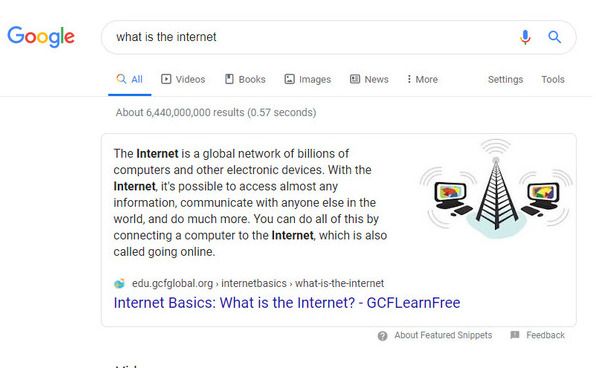
A meta description is the information about your page that appears in the search engine results below the title / URL of your page. The description does not directly factor into your search engine results page (SERP) rank but influences whether a user clicks on the link to your page. Descriptions are limited to about 155 characters for desktop search and 120 characters for mobile search. 

Learn more about meta descriptions.


Definition

<p>A meta description is the information about your page that appears in the search engine results below the title / URL of your page. The description does not directly factor into your search engine results page (SERP) rank but influences whether a user clicks on the link to your page. Descriptions are limited to about 155 characters for desktop search and 120 characters for mobile search.&nbsp;</p>

<p><a href="https://www.brightedge.com/blog/full-overview-meta-descriptions">Learn more about meta descriptions</a>.</p>

<p>&nbsp;</p>

<p>&nbsp;</p>

<p>&nbsp;</p>

<p>&nbsp;</p>