
M
Posted 10 years 1 month ago
t
9 min read
A digital marketing strategy is a set of guidelines that outlines for brands what they want to accomplish and how to reach their goals. It provides brands with guidance as they deploy their efforts, helping to keep everything moving efficiently and effectively. Despite the importance of a digital marketing strategy, an estimated 65 percent of marketers say that they do not have one integrated into their broader marketing platform, and a full 47 percent say that they have no digital marketing strategy at all, even though they do try to employ digital marketing tactics. This places these organizations at an incredible disadvantage as they try to gain a foothold within the digital ecosystem.
Over the past few years, digital marketing has become very competitive. By the end of 2016, the expected number of worldwide internet users will surpass 3 billion. The web has become a central means of connecting people with each other, including brands with consumers. With this growth in accessibility, there has also been a tremendous increase in content produced. Ninety percent of the world’s data has been produced in the past two years alone. As this landscape becomes even more competitive, brands need to have a concrete strategy to guide their marketing efforts and help them grow online. Without one, they run the risk of hampering their efforts and producing content for the sake of content - material that wastes time without providing any real benefit to consumers or the brand itself and is usually seen by almost no one.
Creating a digital marketing strategy
Effective online marketing strategies should provide an outline of what the brand hopes to accomplish and how they are going to go about doing it. It should provide information about every step of the journey, helping brands to visualize their end results. The strategy can be adjusted as the organization progresses and they are better able to identify the techniques that work and those that are less efficient. To give you something to begin with, here are six helpful strategy tactics:
- Outline your goals and expectations
- Outline your buyer personas and their buyer journeys
- Look at your existing content
- Select the keywords for your material
- Create high-value content, optimize it, and distribute
- Monitor your progress continuously
1. Outline your goals and expectations. To begin, brands should develop a list of goals that they want to see reached through their digital marketing strategy. These goals should be concrete and quantifiable. For example, organizations might mention a percent increase in their share of voice, a particular jump in year over year performance, or a certain revenue number that they would like to hit. Having these goals will empower the brands to start to form a path that will lead them in the right direction. 
Once the goals have been outlined, determine how each portion will be measured. Identify KPIs that will make it clear whether or not the goals you set have been reached. On the BrightEdge platform, it is easy to do so with StoryBuilder. On this part of the platform you can easily measure a full range of metrics, such as y/y performance, revenue, and share of voice.
2. Outline your buyer personas and their buyer journeys. Once the brand understands precisely what they hope to accomplish with their marketing efforts, the next step is to identify exactly who they are trying to reach with their messages. With an SEO strategy, the importance of a target audience is far higher than with other, more traditional marketing practices. Rather than broadcasting information to particular demographics, brands instead must understand exactly what their targeted customers want to read, and thus be able to entice them to explore their website and their brand.
To better understand the target personas that the brand wants to reach, marketers should focus on looking at both the existing market research and their own customers. They should look for patterns and trends that allow them to group the likely customers into three to five main categories. These groups provide you with insights into the pain points and motivations of each group, which then guide your marketing strategy. Take the buyer personas and then map them out to the buyer’s journey.
Using your insight into what these types of people want to see from you, create an outline of the types of content that are likely to motivate them at each stage of the journey. Remember that different types of material often fit best with people at different stages. For example, blog posts can be excellent for drawing in new people at the start of the journey, while case studies and white papers will be more beneficial for those in the middle that are moving closer to conversion. Comparisons that explore the benefits of working with you over the competition will then help those who are preparing to convert.
3. Look at your existing content. Now is the time when you need to look at your existing content. Perform a basic audit to uncover the content that you already have and line it up to the buyer journey for your different ideal customer personas. This will help you start to understand how your content fits with the model, where your strengths lie and where you have room for improvement in your digital marketing strategy.
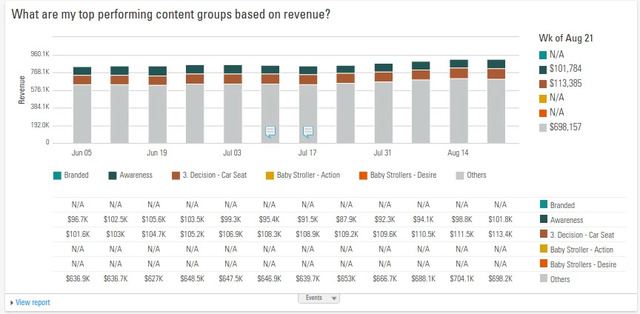
You also want to take a close look at the statistics for your existing content. See which pieces perform the best and isolate reasons that might explain why. See how well your pieces are connected and whether or not they help to guide people further through the buyer’s journey.
4. Select the keywords for your material. Keyword research will be the next important step in your SEO strategy. It is important to differentiate keyword research from the old, defunct methods of SEO and keyword stuffing. Keyword research revolves around using insights into search patterns to identify the topics that matter the most to your audience. You want to look at the terms and the topics that have the highest search rates so that you can create the content that is there to answer the needs and questions of your audience.
On BrightEdge, you can perform this research using the Data Cube. You can then even take your research a step further by using the Recommendations engine to look at the top ten pages for a particular keyword to gain insights into what helps these pages rank and where you can improve and outrank them.
5. Create high-value content, optimize it, and distribute. Armed with your keyword research, your buyer personas and their journeys, and the insights into your most popular content, you now need to create high-value content that will engage your customers. This content should be driven by what you know about your target customers as well as your defined goals. For example, share of voice or brand awareness goals might include a greater interest in developing content for major publications or attracting followers on social media. Goals focused on revenue will center around creating material that guides people through the entire buyer’s journey to conversion and making a purchase. This material will then need to be optimized to help it stand out to the search engines and consumers. You should use your primary keyword, as well as a few secondary keywords that are related but have lower search volume. Sprinkle your keywords throughout the text and also in the title, headings, meta description, URL, and alt text.
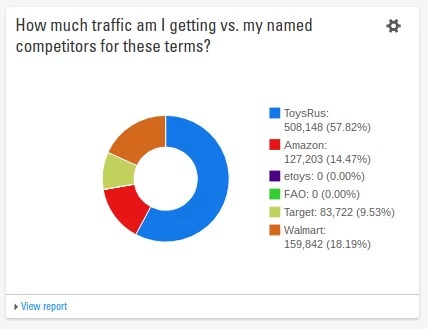
Once the content is prepared, distribute it where you might find the specific target for the piece, such as particular social media platforms or a segmented portion of your email list. Gaining a strong audience for the piece will encourage traffic, engagement, and backlinks.
6. Monitor your progress continuously. As you execute your digital marketing strategy, recognize that things can always be changed. They often need to be adjusted to better reflect what works and what does not work for a particular organization. You might find certain pieces of content to be more popular or more effective, for example. Monitoring the KPIs you established in the first step will let you know how you are doing and what adjustments need to be made moving forward.
Creating an SEO strategy and SEO reports is a multi-step process that requires carefully looking at what exactly you want to accomplish and how you plan to do it. Once you begin to design and implement concrete online marketing strategies, it will become much easier to calculate ROI from your efforts and move forward.



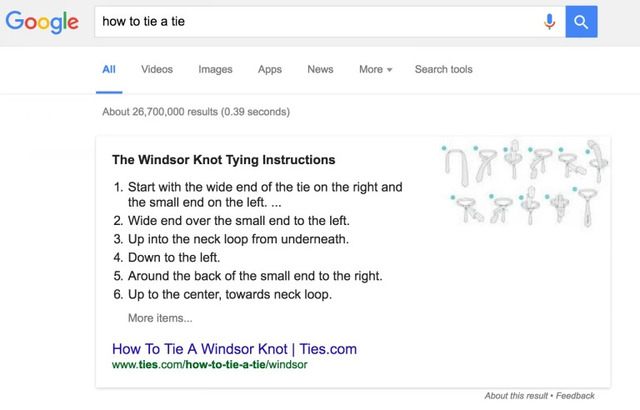 "I want to do" is an important micro-moment for brands because it helps to build credibility and brand awareness with users. Once a user has been provided with practical solutions by your content, they will begin to trust and see you as an expert in the field. Once you have trust, you can more easily market to the user. Mobile is also a large part of the "I want to do" moment. Users who are in the middle of an activity are likely to encounter this moment, and the way they can access content while in the middle of something is more likely to be through a mobile device rather than a traditional computer.