Effective SEO Writing: 5 Steps


SEO writing involves researching, creating, and testing content optimized to rank for a set of keywords in Google and other search engines.
Over the last couple decades, search engines have become very good at figuring out the intent behind individual queries and serving the most relevant, authoritative, and engaging content. This is mostly due to algorithm changes introduced to Google with natural language processing (NLP) in BERT, and RankBrain.
At its core, effective SEO writing is about implementing a set of principles that allow for the consistent production of content that directly meets the requirements of searchers. Similarly, SEO writers should avoid outdated practices—like keyword stuffing and the creation of needlessly long content—that can actively harm rankings.
With all that in mind, let’s look at five practical tips for consistent, effective, and rank-worthy SEO writing.
1. Approach Content Within the Framework of EAT (Expertise, Authority, and Trust)
The acronym EAT—which stands for authority, expertise, and trust—has been spoken about a lot in SEO circles over the last several years. The term is pulled from Google’s search quality rater guidelines, the in-depth documentation used by manual website reviewers.
So why is EAT important? It’s one of the primary frameworks in which Google evaluates content. While expertise, authority, and trust aren’t self-contained ranking factors in and of themselves, they’re a strong indicator of where Google places its emphasis when comparing pages.
Google gives the following advice: “For informational content: very high quality MC (main content) is original, accurate, comprehensive, clearly communicated, professionally presented, and should reflect expert consensus as appropriate.”
Related reading: 5 Critical SEO Considerations for SEO in 2022
2. List and Organize Keywords
Thorough keyword research underpins every good content strategy. Generally speaking, SEO writing will focus on one target head term, used in the main headline, and several minor keywords representing branch topics, typically included in subheadings.
The keyword-based outline of a piece of content should mirror its thematic structure. The decision to target a particular keyword in a subsection of a larger article or dedicate a whole page to it will ultimately come down to considerations of volume and competition. In either case, having a clear structure will ensure that you use all targeted keywords in your content.
For example, suppose you are targeting the keyword “how to train a dog.” This term will sit at the top of your topic tree. Subtopics may include terms like “best treats for dog training,” “how to find a dog trainer,” and “common dog training mistakes.”
The BrightEdge platform, powered by Data Cube, enables SEOs and digital marketers to quickly and precisely identify relevant, high-performing keywords and semantically-related topics. Learn how Data Cube helps chart a content strategy aimed at closing content gaps and improving rankings.
Finally, it’s also worth noting that there’s little evidence that the Google algorithm takes keyword density into consideration. It is also unnecessary to account for synonyms—for example, “learn a new language” and “speak a new language.” Search engines can recognize terms with the same meanings and match them.
Related reading: Data Cube Product Guide: Lift the Veil on Organic Search
3. Define Keyword Intent
It’s difficult to understate the importance of keyword intent. One of the reasons that Google dominates search is because of its effectiveness at understanding the specific intent behind queries.
Here’s a brief overview of the different types of keywords and their corresponding intent:
- Informational - Searchers that use informational keywords are looking for content about a specific topic or place, spanning the gamut from one-word answers to questions like “What is the national dish of Spain” (it’s paella) to in-depth guides for queries like “how to build an airplane” or “best Indian near me”.
- Commercial - Commercial keywords signify a desire to buy a product. Examples include “blue dress,” “GUCCI handbag,” “running shoes,” and so on. Review-style keywords like “best backpacks” are technically informational keywords but also carry an element of commercial intent.
- Navigational - Keywords like “Wikipedia” and “Bing” from users that want to visit a specific website have navigational intent. These are usually just searchers looking for quick access to the website they already intended on going to.
One of the easiest ways to determine intent, or at least, how Google understands intent, is by looking at the results that already rank for a term. Once you know exactly what people are looking for, you can tailor your content accordingly and avoid costly mistakes resulting from confusing the intent of search queries.
Related reading: What Is Keyword Search Intent
4. Optimize for Featured Snippets
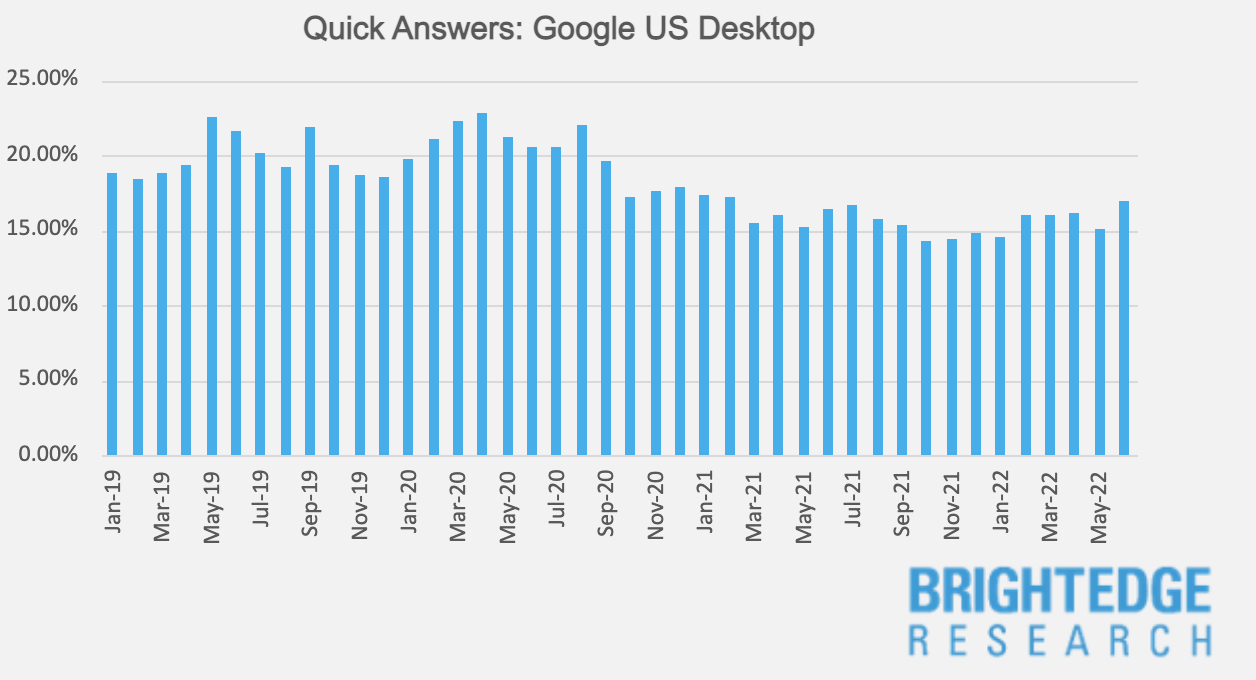
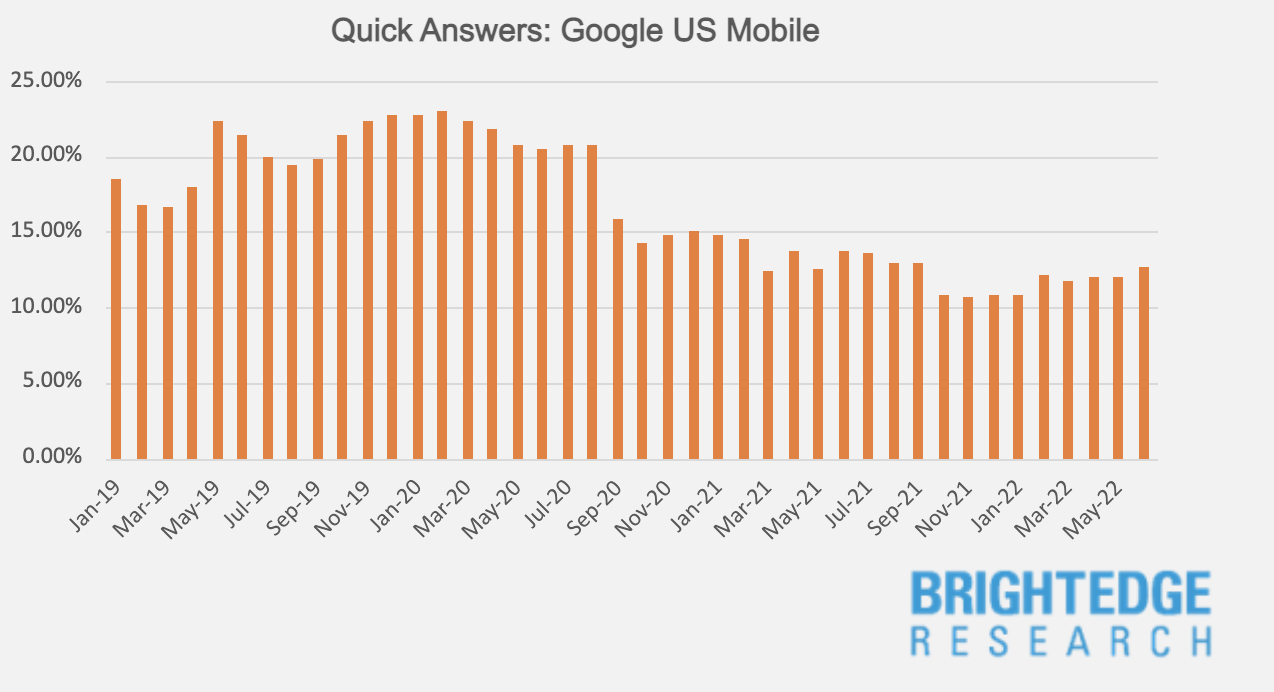
Featured snippets are excerpts from articles that provide searchers with fast answers. These snippets appear at the top of search results pages and include a link to the original website, so are valuable in terms of traffic. They are often referred to as “position 0”.
To optimize for featured snippets, begin articles with a concise explanation covering the main topic. This is also known as the “inverted pyramid” technique in journalistic writing. The idea is to start with a succinct summary of the main point and spend the rest of the article elaborating.
This strategy also applies on a more granular level to sub-sections of content. Opening paragraphs after secondary headlines should follow this principle.
5. Optimize for Readability and Engagement
Clear writing that is free from obfuscation is much more likely to engage readers. It will reduce your bounce rate, attract repeat viewers, generate links, and satisfy EAT criteria.
Here are a few practical tips to improve the readability of written content:
- Organize text under clear headers - Use clear, keyword-optimized subheaders to enable users to scan content (which happens a lot these days)
- Use short paragraphs - Two and three-sentence paragraphs are generally ideal for online content.
- Use bullet points where possible - Like headers and short paragraphs, bullets allow readers to scan content easily and digest salient points.
- Add rich media to text - Rich media like videos and graphics help break up text. This is especially the case with explanatory tools like graphs.
Many organizations will have their own style guide for content creators to reference. If you don’t have one already, it’s worth creating one. Not only will such a guide ensure a high level of readability of your content, but it can also save significant amounts of time that would otherwise be spent on editing.
Don’t Underestimate the Value of High-Quality SEO Writing!
Writing effectively for SEO is a relatively straightforward process. And implementing the simple strategies in this post will enable you to consistently create articles, blog posts, and landing pages that are primed for high rankings, particularly when combined with a well-developed broader SEO strategy.
On-page SEO factors like content are entirely under your control. Unlike off-page factors (links, brand mentions, social network shares, etc.), resources allocated to optimizing content are easy to manage and tie to measurable, repeatable outcomes.