Last updated February 29, 2024.
With the rise of AI powering Google’s Search Generative Experiences (Google SGE), the landscape of SEO is about to go through its most profound change ever. Google SGE includes completely new layouts and formats in the search results that will upend the way we search and how marketers optimize for organic search. We developed this guide to be the ultimate resource for digital marketers to understand all the ways SGE will impact search results.
As the leading Enterprise SEO platform, BrightEdge has always been at the forefront of these changes, helping brands navigate the new landscape after each new algorithm update. When visual elements and rich results emerged, BrightEdge launched Visual Parser to accurately measure the impact these new elements on the search landscape. Now, BrightEdge has created a groundbreaking Innovation called BrightEdge Generative Parser™ (BGP) that can accurately track the patterns for Search Generative Experiences across keywords. Currently in our labs we are using this capability to track the changes and evolution of Google's SGE while it's in beta. While BGP is still in preliminary stages of development and only accessible through BrightEdge Labs, we are sharing our early findings with the community to ensure all members are informed and prepared for the changes that are about to take place.
What Google SGE means for Digital Marketing
In May 2023, Google unveiled the Search Generative Experiences (SGE), an innovative AI-powered search model, currently in its beta phase and available via Search Labs. This development represents a pivotal shift in the presentation of search results, with profound implications for Search Engine Optimization (SEO). For the first time, search engines are not just organizing and presenting existing web content but are also generating new content based on their findings. The AI behind Google SGE digital marketing appears to 'formulate' perspectives on brands, current trends, and product choices for its users.
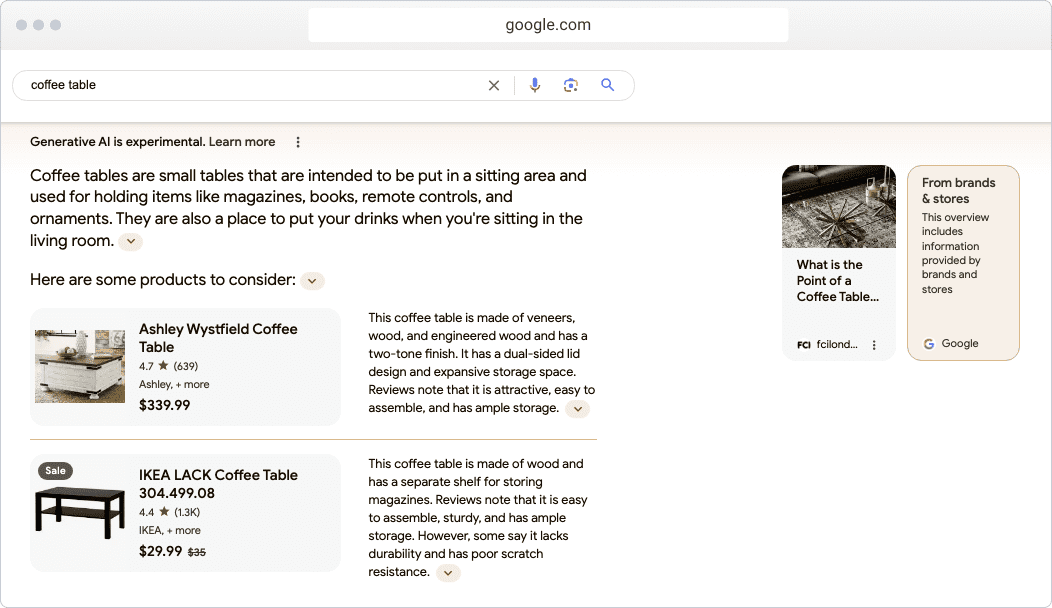
Currently in an experimental phase with frequent updates, SGE has already broadened the capabilities within search, enabling users to:
- Pose follow-up questions
- Conduct purchases
- Receive succinct summaries of multiple results
While Google has not confirmed a specific launch date for Google SGE's broad deployment, industry speculation suggests it could be as early as 2024. The unique approach Google SGE adopts for rendering and presenting search results has considerable consequences for digital marketing reliant on organic search traffic. It is essential for businesses to stay abreast of the changing landscape in search result presentation due to SGE, as it could substantially affect their online presence and search-driven performance.
Anatomy of a Google SGE Search Engine Results Page (SERP)
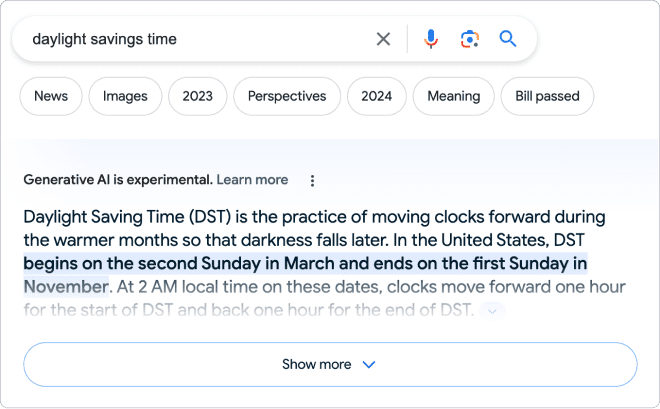
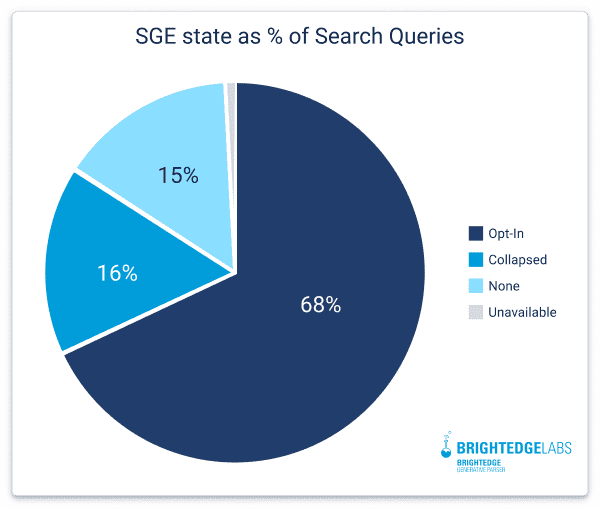
The presentation of Search Generative Experiences (SGE) results to users is determined by two primary dimensions. The first of these dimensions is the state of the result, which dictates the manner in which SGE content is displayed to the user. Based on research conducted by BrightEdge, there are three principal states that characterize the presentation of SGE results:
Collapsed State: In this format, users are presented with a prominent SGE result initially in a truncated form. Users need to actively click the "Show more" button to fully view the content. Based on our analysis, we estimate the collapsed state is currently displayed in approximately 16% of search queries in the SGE interface.
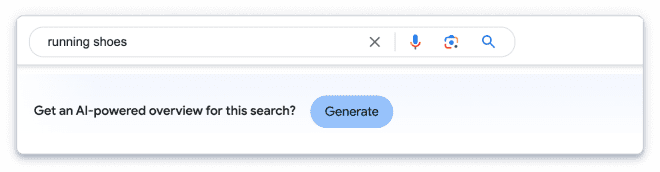
Opt-in State: In this scenario, the user must explicitly request to see an SGE result. Upon this request, the system generates the relevant SGE content. Our data analysis estimates that the Opt-in state is present in 68% of the search query results. This statistic underscores the substantial reach and potential impact of the Opt-in state in the SGE framework.
No SGE State: It's important to note that not all search queries trigger a Search Generative Experiences (SGE) result. In our analysis, we estimate that approximately 15% of search queries do not yield an SGE result. This indicates that while SGE is a significant development in search technology, it does not universally apply to all search queries. Understanding the types of queries that do not engage SGE can be as informative as those that do, especially for SEO strategies.
Certain trends emerge from our data analysis. Notably, the collapsed state tends to be associated with keywords of lower search volume. This observation is significant, as it confirms that collapsed state results do not command as much visibility in terms of overall search volume when compared to Opt-in results.
Google SGE Content SERP Formats
The second critical factor influencing the presentation of Search Generative Experiences (SGE) results are the content modules within each State. These modules are specific attributes that display the search result according to the interpreted intent of the search query. The landscape of these modules is dynamic and rapidly evolving. Between September and November of 2023, BrightEdge observed the emergence of four new modules and the disappearance of three others within SGE results. This rapid change underscores the fluid nature of SGE and the need for continuous monitoring and adaptation in SEO strategies.
Currently, the following content modules have been identified within Search Engine Results Pages (SERPs) as part of the Search Generative Experiences (SGE) framework:
- Unordered Lists: These are lists comprising various items, and they can be displayed with or without accompanying descriptions. This module organizes information in a straightforward, bulleted format.
- Ordered Lists: These are the lists that are ordered and ranked for a specific purpose. Similar to unordered lists, they are presented with and without descriptions, depending. on the nature of the keyword.
- Recipes: For queries related to cooking or food preparation, SGE renders 'recipe cards'. These cards provide concise, structured information suitable for culinary-related searches.
- Local: This module presents local search results, including maps, for queries where geographical relevance is key. It is particularly useful for searches that have a local or regional focus.
- Product Views: SGE offers diverse ways of viewing products, adapting the presentation style to suit the nature of the products being searched for. This module enhances the user experience by providing tailored views of products in search results.
- Code Block: For technology-related queries, particularly those that involve programming or coding, SGE is capable of generating 'code blocks'. These are segments of code relevant to the user's query, providing direct and practical information for tech-oriented searches.
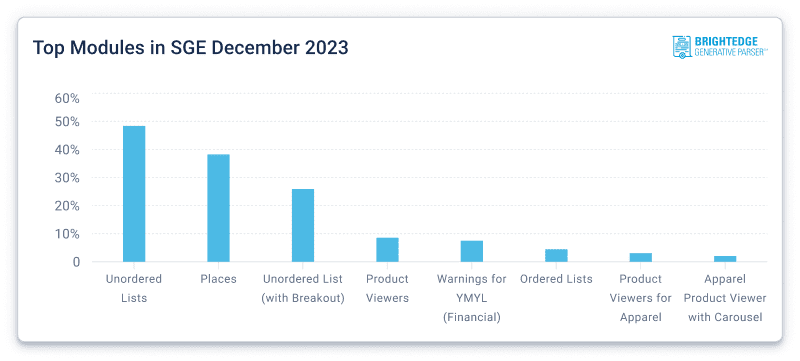
The formats that are most prevalent in SGE results continue to evolve. In the past month, Places have become the most common content module to appear in SGE results. In December 2023, unordered lists were the most common content module.
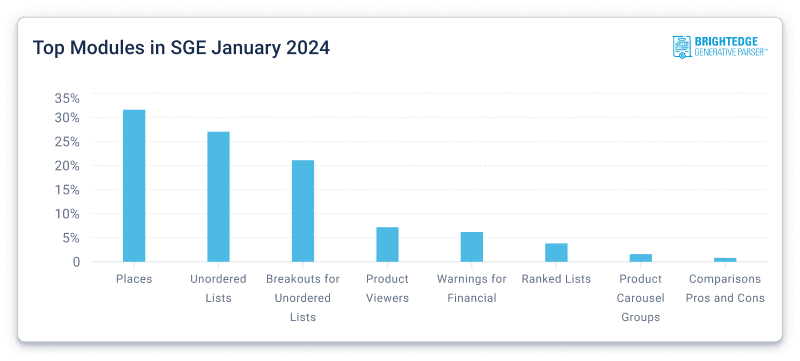
Compare that with how results are appearing as of January 2024.
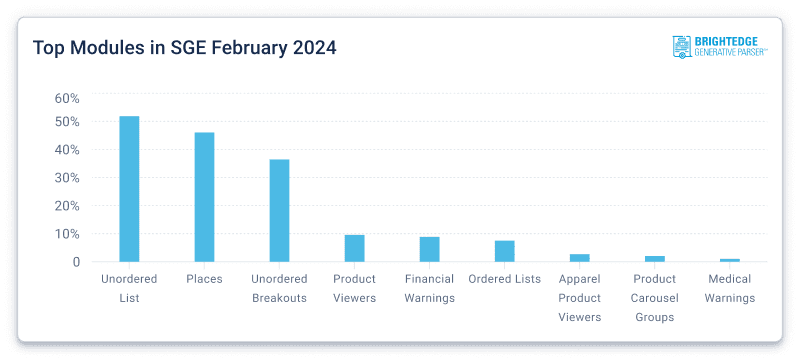
In February of 2024, we once again see that unordered lists are the predominant type of content module appearing in the SGE results.
These content modules demonstrate the versatility of SGE in catering to a wide range of search intents, offering tailored and relevant information across various domains.
For SEOs and digital marketers, the Google SGE framework introduces several critical considerations:
- Emphasize Context and Relevance: In the Google SGE landscape, the creation of content that closely aligns with user search intent and provides thorough, pertinent responses is essential. Our analysis shows that Google SGE can render up to five content modules based on a query's intent. Each content module offers a unique opportunity for your content to engage and resonate with users.
- Focus on Enhancing User Engagement: The manner in which users interact with content is increasingly important. It's imperative to craft content that not only addresses user queries but also promotes further interaction. According to our research, Google continually updates SGE by adding and removing modules, which affects user engagement points.
- Leverage Data for Strategic Planning: Google SGE exhibits a dynamic nature. In our comprehensive analysis, which covered keywords across nine distinct industries over a period of three weeks, we observed that the presentation of results exhibited a notable 21% variance. This highlights the need for a flexible and responsive approach to SEO, adapting to real-time shifts and preferences as Google evolves its SGE framework.
The Google SGE Modules
Within the various states of Google SGE results, a range of content modules are deployed and tailored to match the user's search intent. These content modules, while diverse in their specific applications, exhibit shared structural characteristics, adapting to the unique nature of each search query.
Our analysis involved a thorough examination of the code structure across SGE results for a multitude of keywords. This scrutiny enabled us to understand the nuances and operational patterns of these modules. In describing and categorizing these content modules, we have adhered to the terminologies and descriptions provided by Google, ensuring accuracy and consistency in our analysis. This approach helps delineate how Google SGE tailors its responses to different search intents, providing valuable insights into the operational mechanics of SGE and its impact on search results.
This approach helps delineate how SGE tailors its responses to different search intents, providing valuable insights into the operational mechanics of SGE and its impact on search results.
Unordered Lists
Unordered Lists are utilized in two distinct styles, each serving a specific purpose in presenting information:
Style 1- Standard Bullet Point List: This style is straightforward, featuring a series of bullet points. It is used to present information in a simple, easy-to-scan format, ideal for quick comprehension by users. This format is particularly effective for listing features, benefits, or various options related to a search query.
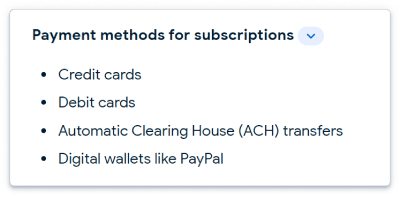
Style 2- Enhanced List with Breakouts: This style includes additional elements such as expanded descriptions or interactive features within the list. It's designed to provide more detailed information and encourage user interaction. This format is suitable for queries where users might benefit from more comprehensive details or where engagement with the content is crucial.
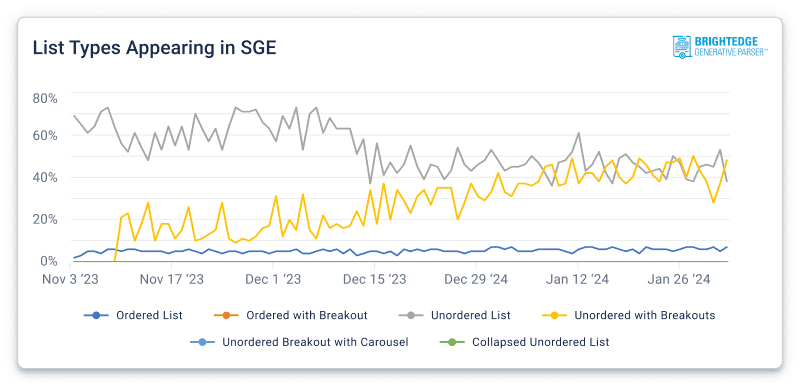
Unordered lists with breakouts began to emerge on November 9th of 2023 and they consistently represent about 15% of the total unordered list visibility. We see this directly correlates to a drop in general unordered lists. The unordered lists with breakouts have continued to proliferate through the new year and are trending to becoming the dominant way unordered lists are displayed in SGE results:
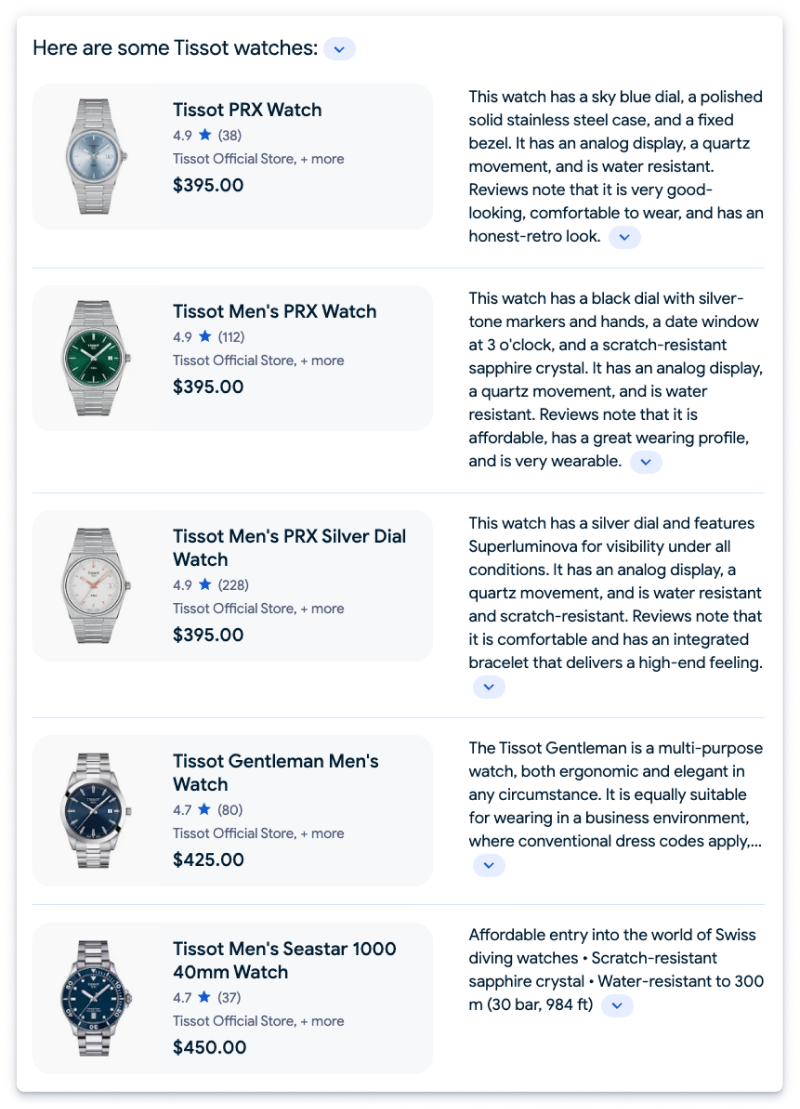
Unordered lists with breakouts have also seen enhancements in how they are rendered. As of January 9, 2024, unordered lists with breakouts include descriptions with citations, as well as images and reviews, when applicable:
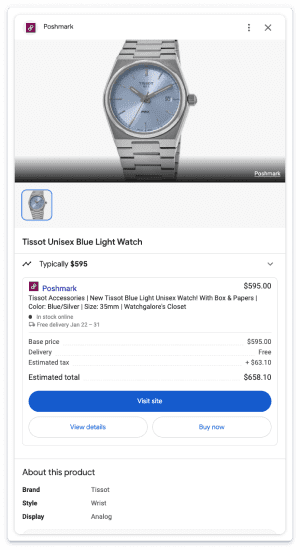
These new lists offer additional citations for sourced material in the drop downs. Unlike a traditional shopping carousel result, these unordered breakout lists do not take the user to a website. Rather, they open a new shopping experience. The options in red all lead the user to different retailers that sell this product without leaving the SERP until the user clicks to buy:
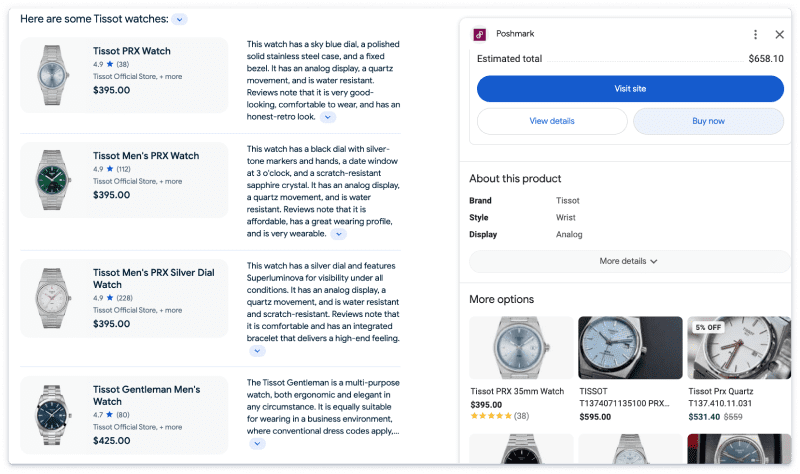
Clicks here lead to a shopping experience within the SERP until the user is specifically ready to visit the site:
In addition to unordered lists, ordered lists play a small role in Google's Search Generative Experiences (SGE), appearing across a wide array of informational queries and spanning various industry types. The manner in which these lists are rendered is closely tied to the specific content they are associated with, reflecting the diversity and adaptability of SGE in presenting structured information.
Key SEO Considerations for Optimizing Unordered and Ordered Lists:
- Utilize Lists in Product Descriptions: When feasible, incorporate lists into product descriptions. This structured format not only enhances readability but also aligns with SGE's preference for well-organized content, potentially improving the visibility of your products in search results.
- Craft Concise, Informative Descriptions: Aim to provide succinct yet comprehensive product descriptions. Quality descriptions serve as valuable source material for SGE, enabling it to accurately reflect your products’ features and benefits in its search results.
- Highlight Key Product Features: Pay attention to the characteristics typically used in SGE's ordered lists, such as product specifications, statistics, or unique selling points. Ensuring these elements are clearly presented in your content can aid SGE in accurately representing your products, enhancing their appeal to potential customers.
- Ensure Perks Related to Products Are Marked Up: Perks such as free delivery and stock status should be marked up and present on the product pages. Unordered breakout lists will be offering a deeper shopping experience where users can compare different vendors and their current offers without leaving the search result page.
Recipes
In the realm of Google's Search Generative Experiences (SGE), recipe cards represent a specialized module tailored to culinary-related queries. This feature is triggered when a user's search implies a need for recipe information. The recipe card module is designed to present cooking instructions in an organized, accessible format, making it a valuable tool for users seeking culinary guidance.
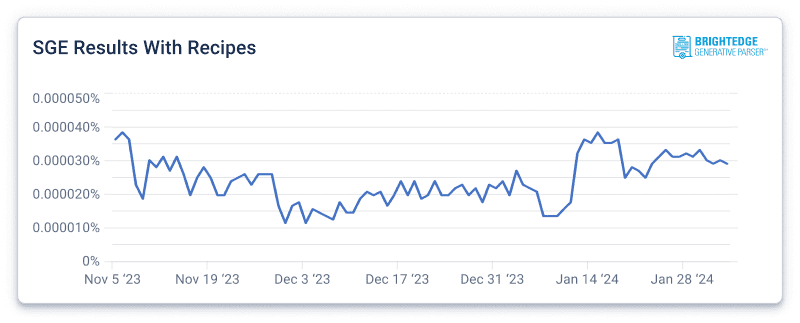
Across the data set, we are seeing their visibility decline, potentially suggesting Google is getting better at understanding what is a true recipe search and eliminating those that are not. Despite an uptick in the middle of January, Recipes still represent a minor component of the overall sample set.
Characteristics of Google's SGE Recipe Cards:
- Structured Presentation: Recipe cards display key information such as ingredients, cooking steps, and preparation times in a well-organized manner. This structured approach aids users in easily understanding and following the recipe.
- Visual Appeal: Often accompanied by images, these cards provide a visual representation of the dish, enhancing user engagement and making the recipe more appealing.
- Relevance to Query: The recipe cards are specifically rendered in response to queries that clearly indicate a need for recipe information, ensuring that the content is highly relevant to the user's intent.
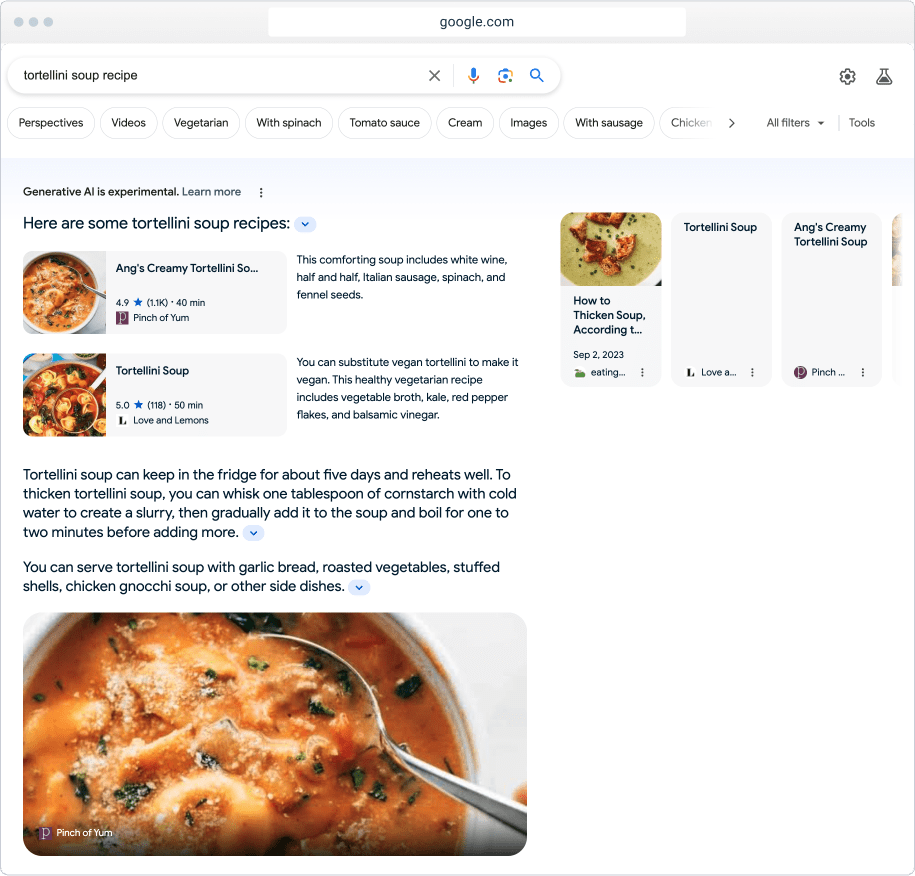
For SEO and content creators in the culinary domain, understanding the nuances of how SGE handles recipe content is crucial. Optimizing recipe pages to align with the format and requirements of SGE recipe cards can significantly enhance the visibility and user engagement of culinary content in search results.
Currently, in the context of Google's Search Generative Experiences (SGE), recipe cards are predominantly triggered by specific cooking or food-related searches. Their appearance is closely aligned with queries directly seeking culinary guidance or information about food products. This focused deployment ensures that recipe cards are presented to users who are most likely to find them relevant and useful.
Observations on the Scope of SGE Recipe Cards:
- Detailed Recipe Descriptions: Craft comprehensive descriptions for your recipes. These descriptions should provide clear and concise information, enabling the SGE AI to accurately understand and present your content in search results. This is crucial for ensuring that your recipes are favorably interpreted and displayed by SGE.
- Incorporate User Reviews: Where feasible, include user reviews for your recipes. Reviews add a layer of credibility and engagement, which SGE seems to value. These can enhance the appeal of your recipe cards in search results, potentially increasing clickthrough rates and user interaction.
- Highlight Essential Recipe Information: Make sure to prominently feature key details of your recipes such as cooking time, ingredients list, and nutritional information. This not only aids in user comprehension but also helps the SGE algorithm to better categorize and display your content in a relevant and useful manner to searchers.
By implementing these SEO practices, you can optimize your recipe content for better visibility and engagement in Google's Search Generative Experiences. This will ensure that your recipes are not only found but also presented in a way that is helpful and appealing to users, thus enhancing the overall effectiveness of your digital marketing efforts in the culinary space.
Places
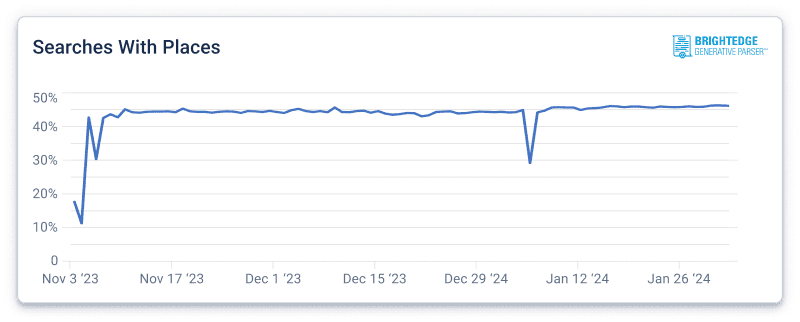
Google SGE's local modules mirror the functionality of traditional map packs in search results, offering localized information tailored to the user's specific search intent. They are referred to as Places in the SGE code. These local packs prominently display citations and incorporate elements like user reviews, providing a comprehensive and relevant local search experience. Of all the modules we are tracking, local has seen the broadest deployment in the last month. They experienced an uptick in visibility in SGE results and are now the most prominent module in SGE as of January 2024. This trend has continued through the month. As of early February, nearly half of results that generated a SGE have a places module in them.

SGE sources its local pack reviews primarily from Google Business Profiles, enhancing the accuracy and relevance of the information provided. The local packs are interactive, allowing users to delve deeper into the details with just a click. Our analysis across various keywords reveals a targeted application of these local packs. They are predominantly utilized in searches related to sectors like Restaurants and Travel, where localized information is crucial. Conversely, we observed an absence of local SGE modules in B2B and Entertainment-related queries, aligning the module deployment with the logical needs of different search categories.

SEO Strategies for Local Results in Google SGE
- Active Review Management: Regularly monitor and respond to reviews. This proactive approach not only improves your reputation but also enhances your visibility in SGE local results.
- Optimized Local Listings: Tailor your local listings to address location-specific queries. This ensures that your information is relevant and easily discoverable by users searching in your area.
- Observational Analysis of SGE Deployments: Keep an eye on how and where SGE displays local modules. SGE can interpret and display local intent in search queries, even when location-specific terms are not explicitly used. Understanding these patterns can inform adjustments to your SEO strategy for better alignment with SGE's operational mechanisms.
Product Viewer
Google's SGE framework has made significant advancements in the presentation of product views, showcasing a variety of display styles tailored to the specific product and user preferences. This diversity in product presentation is indicative of Google's commitment to enhancing the user experience in product-related searches. For ecommerce sites, adapting content and presentation to align with these evolving search result formats is becoming increasingly important.
In our comprehensive analysis, we found that the product viewer modules are predominantly have diversified significantly over the course of November 2023, highlighting a focus on tailoring the shopping experience within the SGE framework. There are given product viewers that are in regular appearance in SGE, however Google has experimented with a general version that has only appeared once since its original appearance in November.
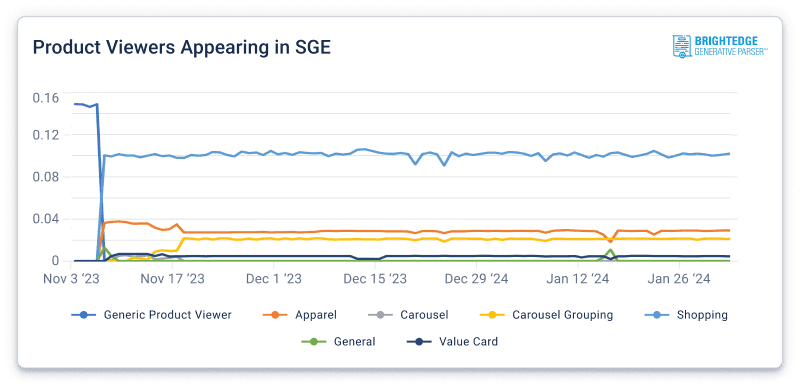
Google's Search Generative Experiences (SGE) employs several innovative methods to display products, with the aim of enhancing user interaction and providing a more personalized search experience.
Characteristics of Google SGE Product Views
Here's an overview of the different types of product views currently deployed by SGE.
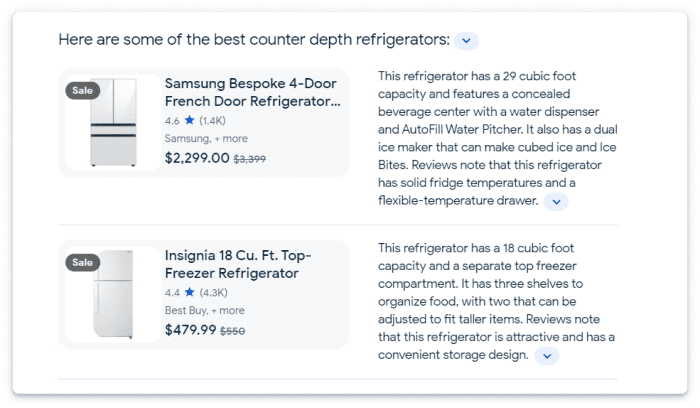
Product Viewer with Sourced Descriptions: This format displays products along with descriptions, where the source of information can be revealed through a drop-down arrow.
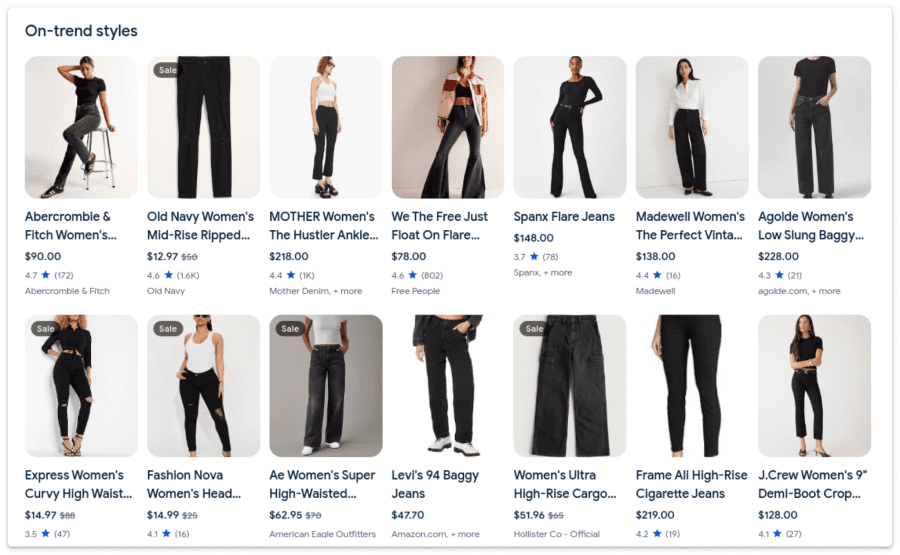
Apparel Product Viewer: In this variation, apparel items are presented with larger images, accompanied by reviews, purchase locations, and prices. SGE also provides contextual commentary on fashion trends:
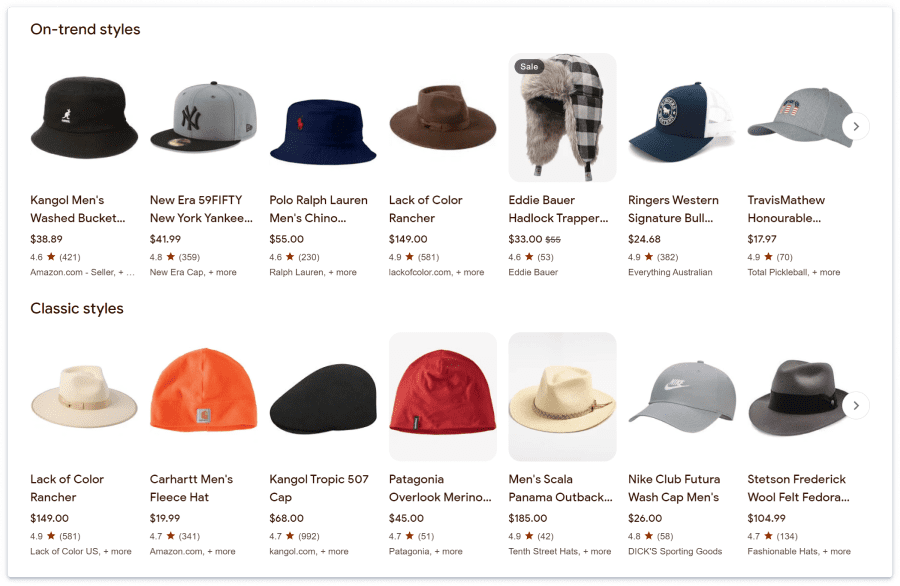
Carousel Product Viewer Groupings for Multiple Preferences: For queries that may lead to diverse product preferences, Google SGE utilizes a carousel format to group similar items, such as differentiating between trendy and classic styles:
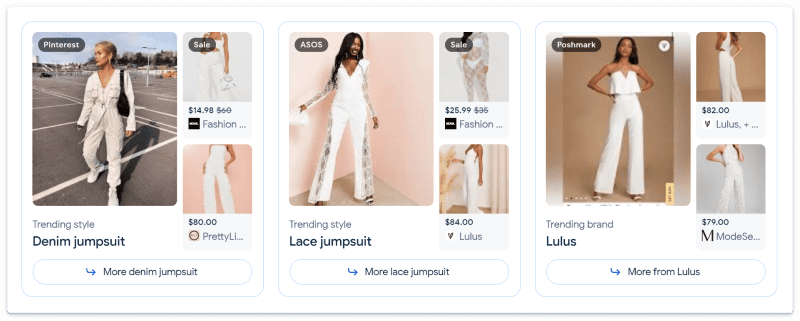
Integrated Product Viewer Carousel with Grouping for Apparel: As of November 9, 2023, SGE introduced a new format that combines various apparel options in a single, comprehensive display. On November 18, this module appears to have replaced the general carousel grouping for multiple preferences.
This format often includes imagery from social platforms like Pinterest and provides detailed pricing information. At present, when users click on the “More denim jumpsuit”, “More lace jumpsuit” or “More from Lulus” they are taken to an experience like Product Viewer with Sourced Descriptions.
Valuecards for Specific Products: This format is used for searches where the user’s intent is clear, focusing on a straightforward presentation of a specific product:
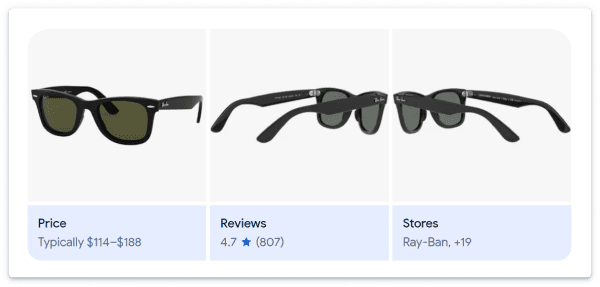
Each of these variations reflects Google's ongoing experimentation and adaptation within the realm of product search. As of November 2023, the product module, especially in the apparel category, has undergone the most significant evolution.
New in February 2024, Product Viewers with Facets and Suggested Search: This format allows users to compare facets of a product across different modules within the search results (query is "OLED TV"). This functionality enhances the ability for users to conduct comprehensive top-of-funnel research without leaving the search page.
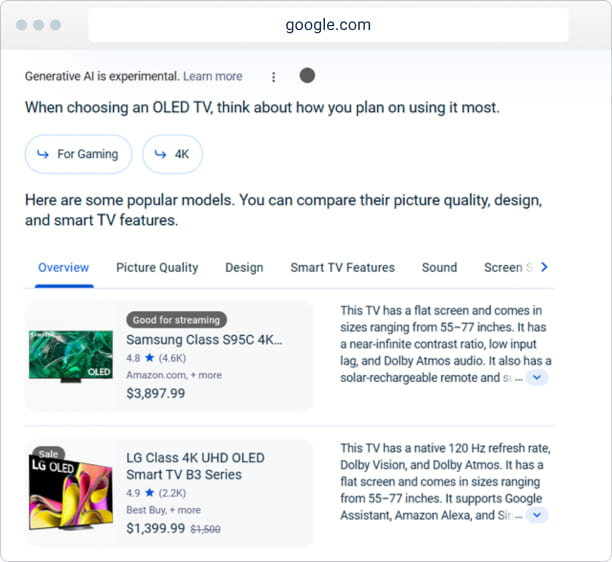
For SEOs, the implication is clear: product features need to be prominently displayed and consistently presented to ensure that the AI can effectively utilize and reference the content. This can increase the visibility and competitiveness of products in search results.
Furthermore, Google SGE is now augmenting search results with suggested queries. For instance, when searching for an OLED TV, SGE might suggest exploring 'gaming' and '4k' as related topics. Selecting 'gaming' redirects users to a search experience specifically curated for gaming TVs, allowing for a more targeted search process. This feature emphasizes the need for SEOs and content creators to understand and integrate long-tail content elements, such as use cases, benefits or specifications into their product information, as these details become increasingly crucial for capturing highly qualified traffic.
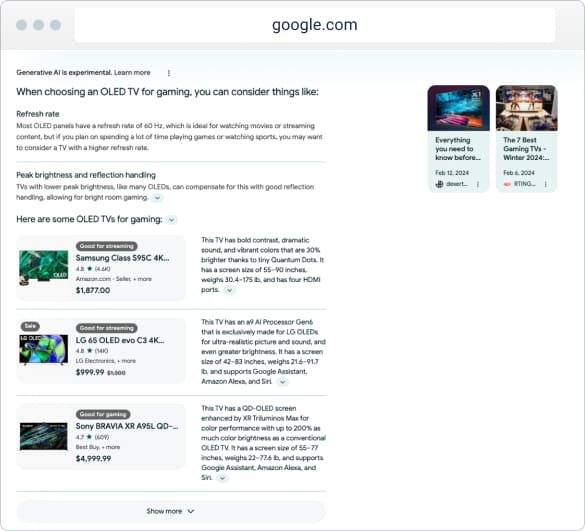
SEO Implications for Product Viewer Modules:
- Optimize for Trend Relevance: Align your category pages with current trends to increase the likelihood of inclusion in SGE's dynamic displays.
- Incorporate Product Reviews: Facilitate and showcase product reviews on your site to enhance credibility and appeal.
- Category Optimization for SGE Groupings: Adapt your categories to align with SGE's grouping logic, ensuring relevance and visibility.
- Present Clear Pricing Information: Use schema markup to highlight pricing details, enhancing clarity and searchability.
- Monitor Keyword Performance: Keep a close eye on how your key revenue-driving product keywords are performing in SGE results, adapting your strategy in real-time to changes in SGE's presentation formats.
Code Block
Google's Search Generative Experiences (SGE) includes a feature known as Code Block that generates code snippets for specific technology-related queries. This functionality allows users to directly copy and deploy code provided by SGE. However, our analysis revealed that the Code Block module predominantly appeared in just 33 e-commerce-related queries. These instances seem to be false positives.
In this instance, this may have been confused with the brand Dockers:

SEO Considerations for Code Block in Google SGE
- Monitor Brand-Related Queries: Regularly observe how SGE interprets and responds to searches involving your brand or critical business terms.
- Address Misinterpretation of Intent: In cases where SGE misinterprets the intent of a query, consider implementing Schema Organization markup. This will provide clearer signals to search crawlers, helping them better understand the context and content of your site, thereby improving the accuracy of the generated code blocks.
Reviews
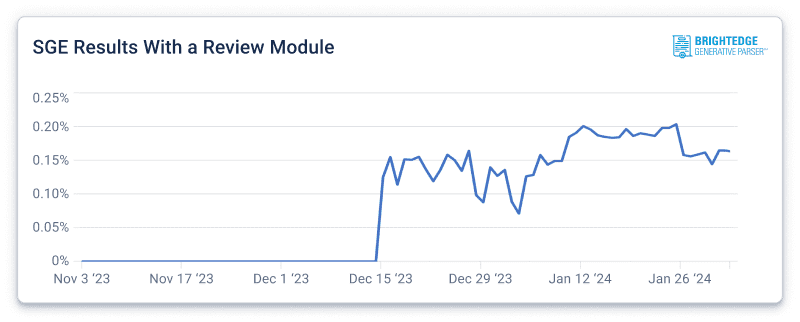
Beginning December 15, 2023, Google SGE began displaying reviews for a small number of queries. As of January 10, these modules are largely focused on queries related to travel destinations. Review modules offer snippets of reviews posted by users mostly from local Google resources.

These remain experimental and are only showing for less than a percentage of queries:
SEO Considerations for Reviews in SGE:
- Actively solicit and engage with reviews on Google Business Profiles.
- Prioritize fundamental local SEO practices linked to Google Business Profiles, acknowledging that current SGE observations for reviews are preliminary.
Listen Button
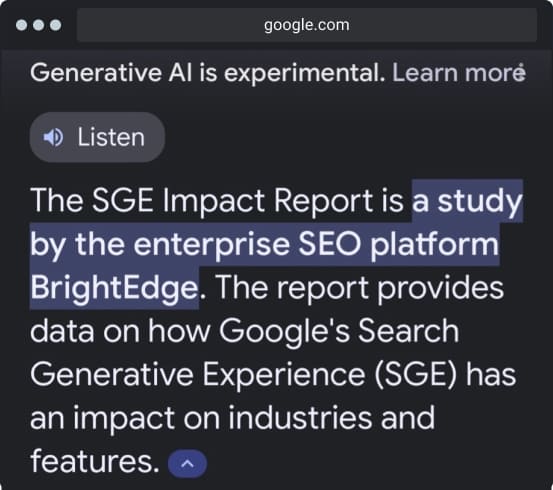
In February 2024 for 5 days we detected a Listen button which appeared above the standard information box for SGE results. This result has not been detected since, but could indicate further enhancements for SGE.
SEO Considerations for Listen Button
- Consider leveraging the speakable schema tag (there is no direct evidence that SGE uses this schema, but it is a signal crawlers can detect)
- Ensure content reads naturally and isn't written for spiders
Baseline SGE Components
Google's Search Generative Experiences (SGE), regardless of the specific state or module in use, incorporates a set of standard features in its results. These features are consistent across various queries and provide a structured approach to presenting information.
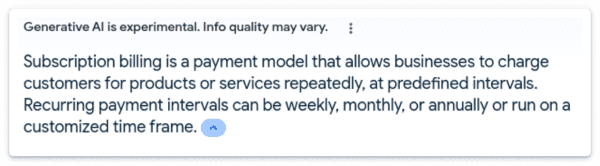
Answer Box
- Positioned at the top of the search result.
- The content within this box is AI-generated and tailored to the query. It may include text and, in some cases, graphics.
- The sources for the information are accessible by clicking on a chevron icon within the box.
- Google includes a disclaimer regarding the potential variability in information quality.
Source Panel
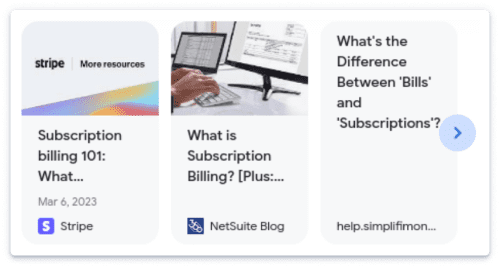
- Located to the right of the Answer Box.
- Displays the primary sources (up to three initially visible, with ten available upon scrolling) that the SGE uses for generating the Answer Box and other components, such as ordered lists.
- The relationship between these sources and their organic search rankings is not fully established, but they often correlate with the top ten organic search results.
Additional Questions
- Found at the bottom of the SGE result.
- Presents related queries that, when selected, initiate a new SGE interaction in a conversational thread format.
- Each new query generates a fresh set of sources and detailed answers, offering multiple engagement points for brands and content creators.
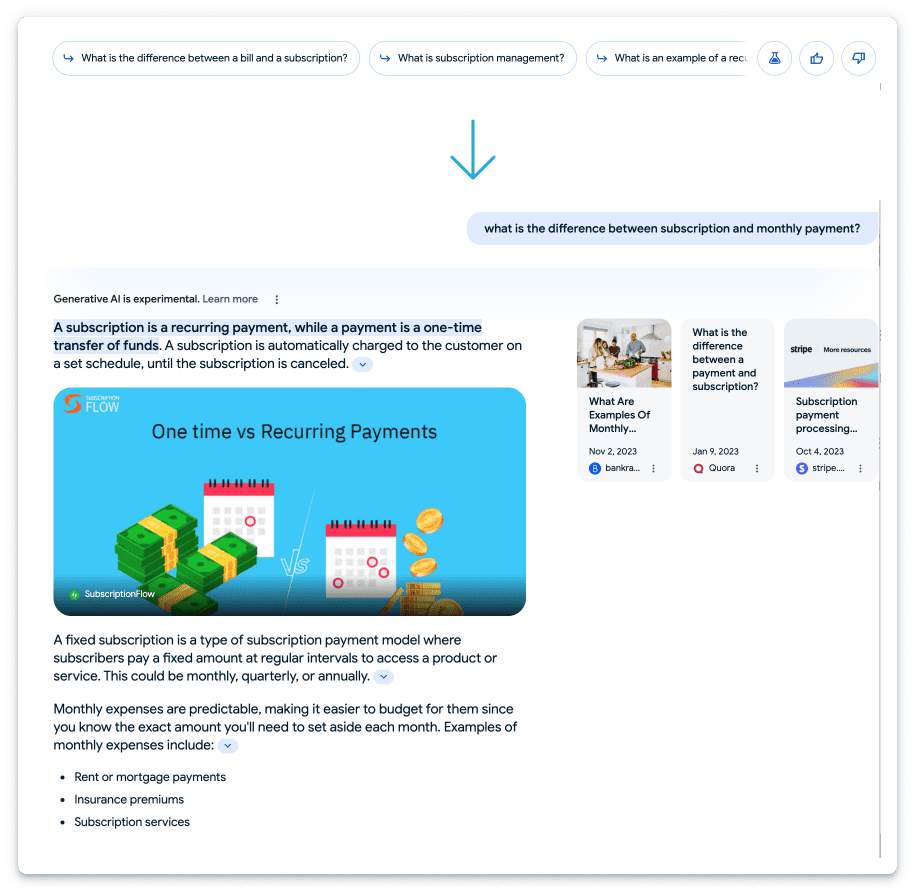
This conversation style format underscores the importance of building contextual content. As this example illustrates, a new set of source panel pages are delivered and each paragraph within the Answer Box features sources of its own. These all represent opportunities for brands to be part of the conversation between SGE and user.
The integration of these features in SGE results underscores the critical role of contextually rich content. The dynamic nature of SGE, exemplified by these components, highlights the opportunity for brands to be part of the ongoing dialogue between users and Google's advanced search capabilities.
Special Cases
As Google progresses in refining its search engine, it is experimenting with a variety of new formats and personalized approaches. Specific elements, tailored to distinct query types, are being introduced. These elements are designed to either integrate cohesively with or complement the existing search modules
Pro/Con
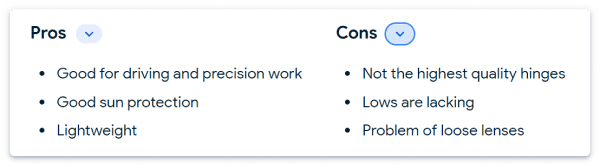
Recent developments have seen the introduction of Pros and Cons that are generated via AI. As of November 13, searches using certain keywords will predominantly display a "best" column, with a notable exclusion of any corresponding drawbacks or 'cons' in these sections. This change represents a focused approach to streamline information presentation in response to specific search intents.
Combined Shopping Offer Cards
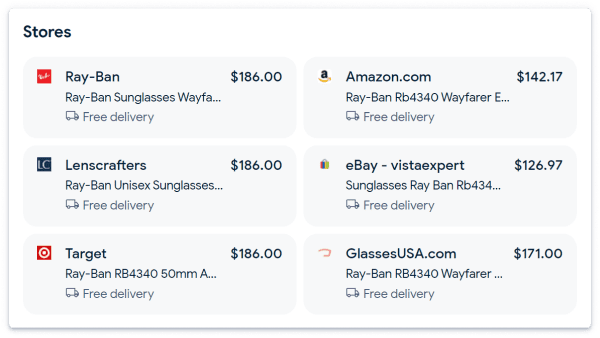
Currently, these are being deployed for retail and ecommerce queries. These blocks highlight a particular offer that is commonly provided by a group of organizations. While it remains uncertain if these are sourced from the Schema "offer" tag, it's evident that signals aligning with what the offer card displays could enhance the likelihood of appearing in these results:
Hero Images
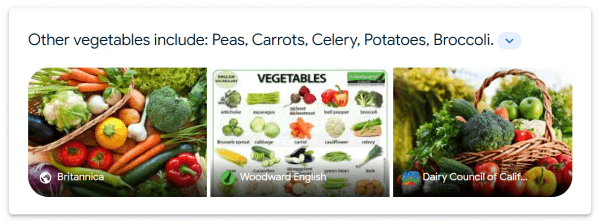
Currently, when activated, these elements consistently appear at the bottom of the answer box. They are emerging across a broad spectrum of keywords and do not seem to be confined to any particular type of search. Notably, all images appear to be sourced. To enhance eligibility for display in these sections, it is crucial to ensure that images are optimized with relevant tags and are optimally compressed. This strategy underscores the importance of image optimization in facilitating effective and relevant search result displays:
Google SGE and Your Money or Your LIfe (YMYL) Content: A Deeper Dive
The introduction of Google's Search Generative Experiences (SGE) has markedly transformed the handling of "Your Money or Your Life" (YMYL) keywords. These keywords are pivotal because they relate to critical areas such as health, finance, and legal matters, where accurate and trustworthy information is not just beneficial but essential due to the significant impact on users' life decisions.
Understanding YMYL Keywords
YMYL keywords pertain to topics where erroneous or misleading information could have grave implications. They encompass a broad spectrum, including, but not limited to:
- Health Topics: Examples include "heart attack symptoms" and "mental health support"
- Financial Guidance: Such as "how to save for retirement" or "finding the best student loans"
- Legal Advice: Including "how to write a will" or "requirements for starting a business"
How Google SGE Treats YMYL Keywords
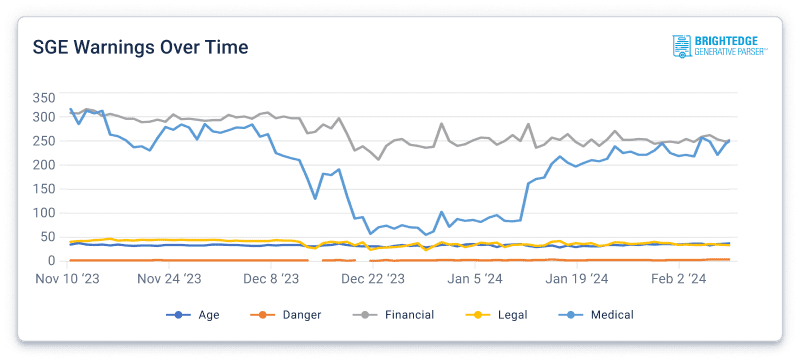
In addressing YMYL topics, Google SGE prioritizes information reliability and relevance. It evaluates content sources for credibility and accuracy, favoring authoritative sources over others. SGE employs specific warnings, including those tailored to YMYL topics and others for liability protection, enhancing the trustworthiness of search results in critical areas:

Additional instances of this warning appearing for SGE results encompass:
- Age (sge-warning-age)
- Financial
- Medical
- Legal
- Dangerous
As Google experiments with how to show SGE results that could potentially be sensitive, the warnings appearing in results also fluctuate. Tracking the presence of these YMYC warnings, we see that when Google throttled SGE results pertaining to medical keywords (roughly December 8, 2023 through January 12, 2024) the warnings also declined.
Google SGE YMYL Considerations:
- Leverage Trusted Authorities: Collaborate with renowned experts or institutions when discussing YMYL subjects. For financial advice, reference established economists or respected financial entities.
- Precision and In-Depth Content: Ensure accuracy and depth in your YMYL content. For instance, content related to financial management should provide up-to-date data and expert insights.
- Prioritize Clarity and Practicality: Present your content in an easily understandable and actionable manner. When explaining intricate processes like home purchasing, break them down into reader-friendly steps.
- Keep Content Current: Maintain the freshness of your content, especially for rapidly evolving topics like health and finance. Regular updates guarantee that users have access to the latest information.
We've observed fluctuations in the presence of Google SGE results across various industries. In some cases, certain types of results have experienced significant drops followed by recovery. Specifically, in the healthcare sector, there was a notable decrease in SGE results around mid-December, which has now rebounded to levels similar to those seen in November. The declines coincide with a decrease in warnings for medical-related YMYL queries.
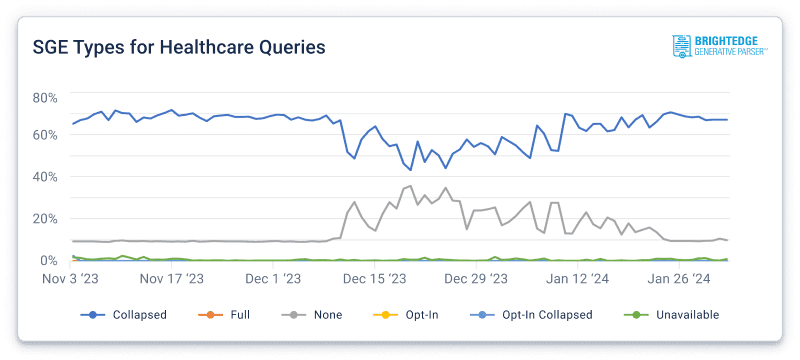
Furthermore, we're noticing various types of Google SGE results gaining prominence in other sectors. In the education sector, opt-in results have been steadily increasing since mid-January. At the same time, the occurence of queries without any SGE result in education has dropped to less than 2%.
The exact same trend is occuring for e-commerce related queries:
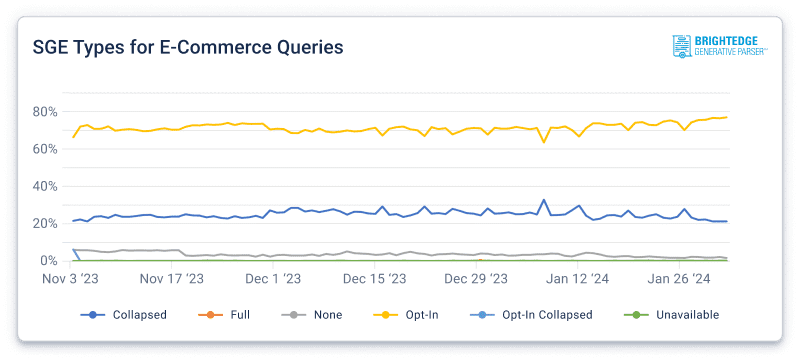
In certain industries, we've observed more significant fluctuations in search results. For instance, in B2B technology searches, there are more frequent changes in SGE results. Searches without SGE are yielding minmal results. This suggests that Google is still experimenting with how to present SGE results, but overall, the results are adequate for displaying in most queries.
SEO Strategies for Ensuring Content is Sourced
- Focus on content and topic clusters. Rather than designate a single page for an entire topic, build and connect multiple resources across your site. They may not all rank organically, but based on the nuances the SGE is trying to address, your entire content repository may be used.
- Prioritize crawlability. For larger sites, particularly in insurance, the data suggests that pages that aren’t even ranking in organic results may be a primary source for SGE. Primary landing pages are key for regular organic results, but deeper pages may be even more important for SGE. Regular log file analysis to ensure crawlers are accessing all of your content need to be part of your regular SEO program.
- Dissect intents in long tail keywords. Since SGE results attempt to address multiple intents in one query, its possible that it may source content that is only tangentially related to your targeted keyword. Identify head terms that drive your overall strategy but also look at different intents expressed in the deeper pages and ensure content covers them.
Summary and Next Steps
As Google's Search Generative Experiences (SGE) reshape the search landscape, the imperative for SEO professionals is to adapt strategically. The introduction of SGE represents a significant shift in search query handling, necessitating a reevaluation of traditional SEO practices. This conclusion synthesizes the key strategic considerations that should guide SEO efforts in this new environment.
Emphasis on Contextual Understanding
SGE's reliance on the Multitask Unified Model (MUM) for query interpretation underscores the importance of context in content creation. SEO strategies must now prioritize a comprehensive understanding of user intent, moving beyond mere keyword optimization. Content should address not only the direct query but also the broader context within which it is asked. For instance, content around financial advice should delve into various user scenarios, catering to a spectrum of financial situations.
Responsiveness to SGE's Dynamic Nature
The changing nature of SGE's presentation modules and states demands agility in content adaptation. SEO professionals must remain vigilant, continuously analyzing how their content performs across different SGE modules. This requires a flexible content strategy that can quickly respond to Google's ongoing updates and modifications.
Rigorous Standards for YMYL Content
With YMYL content, SGE places a high premium on accuracy and trustworthiness. This necessitates rigorous standards for sourcing and presenting information. Content related to health, finance, or legal advice must be anchored in verifiable expertise, with clear citations from authoritative sources. Inaccuracies or misleading information in these areas not only diminish search performance but also carry ethical implications.
Focused Enhancement of User Experience
SGE's focus on user experience reinforces the need for SEO strategies that prioritize usability and engagement. This includes optimizing website design for ease of navigation, ensuring fast loading times, and creating content that directly addresses user queries with clarity and precision.
Leveraging Data for Informed Decision-Making
In this evolving landscape, a data-driven approach is critical. Regular analysis of how SGE interacts with different types of content will provide insights into emerging trends and user preferences. This will enable SEO professionals to make informed decisions and adapt strategies in real-time.
In conclusion, the emergence of SGE represents a significant shift in the SEO domain, requiring professionals to adopt a more nuanced, context-aware, and agile approach. By focusing on these strategic imperatives, SEO professionals can effectively navigate the challenges and opportunities presented by this advanced AI-driven search environment.
Glossary
- Search Generative Experiences (SGE): A Google search technology that employs advanced algorithms and AI, including the Multitask Unified Model (MUM), to dynamically generate and present search results based on user queries.
- Multitask Unified Model (MUM): An AI model used by Google, designed to interpret and process search queries more effectively by understanding the context and nuances behind them.
- SERP (Search Engine Results Page): The page displayed by search engines in response to a user's query, showing a list of results that match the query.
- YMYL (Your Money or Your Life): A category of content that significantly impacts a person's health, financial stability, or safety, requiring high accuracy and trustworthiness.
- SGE States: Different states in which SGE presents its search results, affecting how users interact with and view these results. Includes Collapsed, Opt-in, and No SGE states.
- Collapsed State: The SGE result is truncated and requires the user to click a “Show more” button to view the entire content.
- Opt-in State: The user must actively request an SGE result, which is then generated for them.
- No SGE State: Certain queries do not generate an SGE result and are presented
- SGE Modules: Specific attributes or formats used by SGE to display search results based on the perceived intent of the keyword. These can include Unordered Lists, Recipes, Local Packs, Product Views, and Code Blocks.
- Unordered Lists: Lists of items that can be rendered with or without descriptions, used in various informational queries.
- Recipes: Specialized cards for cooking or food-related queries, featuring details like cook time and ingredients.
- Local Packs: Local search results tailored to the user’s location, often including reviews and maps.
- Product Views: Various formats for showcasing products, including listings, carousels, and value cards, especially used in e-commerce queries.
- Code Block: Blocks of code generated for specific technology-related queries.
- Answer Box: A feature at the top of SGE results, providing a concise answer or summary for the query, with sourced information.
- Source Panel: A panel alongside the Answer Box, displaying sources that SGE uses to generate its content, often including URLs.
- Additional Questions: Prompts at the bottom of SGE results, leading to further queries and continuing the search experience in a conversational format.
BrightEdge Generative Parser™ (BGP)
The Search Generative Experiences (SGE) by Google necessitates user interaction for activation, making its behavior analysis distinctly different from conventional rank tracking methods. Addressing this challenge, BrightEdge has developed a groundbreaking technology called BrightEdge Generative Parser™ (BGP), which can measure and track the patterns within a SGE result. At present, BGP is used to evaluate a large and representative set of keywords spanning nine unique industries and a variety of markets. In the lead up to this launch, while BGP is in BrightEdge labs, insights will be shared here with the SEO community. This initiative aims to expedite the learning process, helping marketers to swiftly adapt to the evolving search marketing dynamics.
Live SGE Update Monitoring
2.25 - Product Viewer Shopping Facets and Suggested Queries emerge
2.21 - Pixel Height dropped to 1,277 pixels
2.17 - Overall pixel height of SGE results spiked from 1,217 to 1,348
2.15 - Emergency of a Listen Module appeared and disappeared after 5 days
2.03 - Pro/Con modules have been on a steady decline for 3 weeks
1.12 - Slight increase in Review module presence
1.05 - The Versus Table for Pro/Con has ceased to appear
12.23 - Block Quotes emerge as a new module for small number of B2B tech queries; depricated by 12.7
12.17 Unordered Lists with breakouts double in visibility
12.16 - SGE results for healthcare queries drop 28%
12.16 - Cons in Pro/Cons modules is down 20%
12.14 - "Review" module appears in SGE results
12.13 – Unordered lists with no breakouts rose by 12%
12.13 – Warnings for Medical are recovering but still 32% below November’s average
12.12 - Warnings for Medical queries dropped 38%
12.12 - Unavailable Results jumped to 2.5% until 12.13
12.05 – Collapsed Results jumped to 30% of SGE results. Results were back to 15% on 12.7
12.02 – Brief spike in unavailable to 5% occurred for 3 days.
11.23 – SGE is generating subcategories for shopping ideas and providing links that let you virtually try them on
11.20 – SGE began testing a “you may also like” sponsored content carousel within follow-up questions
11.18 – Product Carousel Grouping replaced the general product carousel
11.18 – 3% of pro/con modules are now featuring a “versus table”