New Google Image Badge Release: Drive More Traffic

enewton@brightedge.com
M Posted 8 years 8 months ago
t 9 min read

Google has recently announced that they have added a new Google image badge to their mobile image search results. These badges will provide users with greater insight into the type of content linked to the image. This will hopefully help generate higher quality traffic for sites and help users find the information they seek faster.

In the digital marketing industry, we have known for some time the power that images can have. When people consume content on their screens, they pay attention to the images on the page. Eye tracking studies have examined where people spend the most time looking. The studies found that, in some cases, consumers even spend more time looking at information-rich images than reading the text on the page.The Google Image Badge will help mobile users identify image sources - brightedge On social media, images also dominate. Infographics receive three times as many likes and shares than other types of content.

Follow Google Image Guidelines

Facebook posts with images and Twitter posts with images also greatly outpace their counterparts without. It is clear that customers, and their brains, like images. People can even process images over 60,000 times faster than text. When people simply hear information, they generally remember only 10% of it just three days later. When that information has been paired with relevant images, however, the retention of the audience will jump up to an average of 65%.

When it comes to your SEO, therefore, images shouldn't be neglected. When your images appear in the Google results, - you have the chance to draw traffic. Traffic from the image results tends to be relatively strong, with 63% of clicks made on images turning into site traffic. The problem that sometimes arises for these sites is the quality of this traffic. The new Google image badge may be the solution that addresses this problem. Mobile is driving the majority of traffic online. Understand what this means on the SERP and how it impacts you.

Google’s new image badges

Google made an announcement on August 1 that it added badges to the images that appear in mobile image searches. These simple badges let the user know the type of content they will find on your website when they click through from the SERP. Currently Google has badges for recipes, videos, products, and GIFs, but it has left open the question about whether they will develop more badges in the future. Here you can see some product and recipe badges from the Google Image Badge - brightedge Here is part of Google’s official announcement:

When you want to bake cupcakes, but you don't know what kind, Image Search can help you make a decision. Finding an image with a recipe can be challenging: you might end up on a page that has only pictures of these delicious things, or a cupcake fan site that doesn't have recipes, but everything else about them. To help users find exactly what they want, Image Search on mobile devices now includes relevant badges on the thumbnails. Currently we have badges for recipes, videos, products, and animated images (GIFs).

How do I take advantage of the Google image badge?

Google said in its announcement that site owners who want to take advantage of this new feature will need to make sure their content has the appropriate schema markup. For example, if you have a recipe page, you will want to make sure your page has the recipe schema. This will provide Google with the information they need so the algorithm appropriately adds the ‘recipe’ badge to any images that appear from your site. You will also find the needed markups for products and videos on the schema website. After you have marked up your content, you will want to use the Google Structured Data Testing Tool to make sure that your content has the correct markings. If your image can bring you valuable traffic, you do not want your image to be the one in the search results without the badge. Customers will quickly realize that these badges let them know what they will see when they click. Sites that do not have a badge, therefore, will likely get overlooked when customers seek a particular type of information.

Should you pay attention to Google's algorithm updates? Learn more today.

Of course, as you implement these changes, you should carefully track your progress. On Google Webmaster Tools, you can filter your search traffic specifically by image searches. This will allow you to see how much of your traffic arrives from your images, which can then boost your insight into the success of your efforts. You can also employ a page view tracker on a platform, like BrightEdge, to look at the rankings and visitors for the pages you have marked up with schema for the Google Image Badge. See if there are changes in traffic rates, bounce rates, and dwell time.

Track image searches allowing for better analysis of the Google image badge - brightedge

Google continues to modify their algorithm and SERP to better serve the needs of their end users. As site owners, we need to understand these changes and see how they can be used to maximize the presence of the brand online. The more we align ourselves with Google’s concept of the ideal user experience while also taking advantage of these opportunities when they arise, the easier it will be to build a strong digital brand presence.

Google has recently announced that they have added a new Google image badge to their mobile image search results. These badges will provide users with greater insight into the type of content linked to the image. This will hopefully help generate higher quality traffic for sites and help users find the information they seek faster. […]

The post Release of the New Google Image Badge: How it Can Help You Drive Quality Traffic appeared first on BrightEdge SEO Blog.

Take Control of Content Changes Across Your Site

koleary
koleary
M Posted 8 years 8 months ago
t 9 min read

Remember those nights that you spent hours searching for the root cause of that mysterious dip in website traffic of your most valuable pages, only to learn that someone has made changes to the page title and meta description? If you had known this sooner, you could have saved precious time and prevented unnecessary loss to website visits and conversions. What if content changes could be flagged as soon as they’re made? And better yet, what if you could receive alerts about those changes with an email?

Catch changes that may impact website KPIs

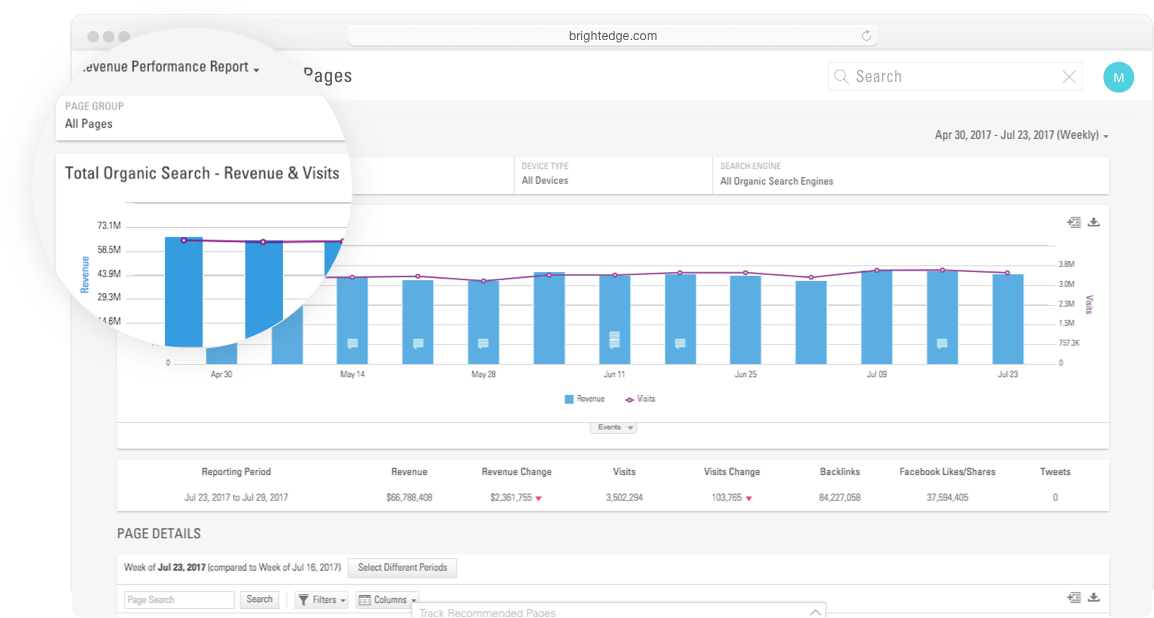
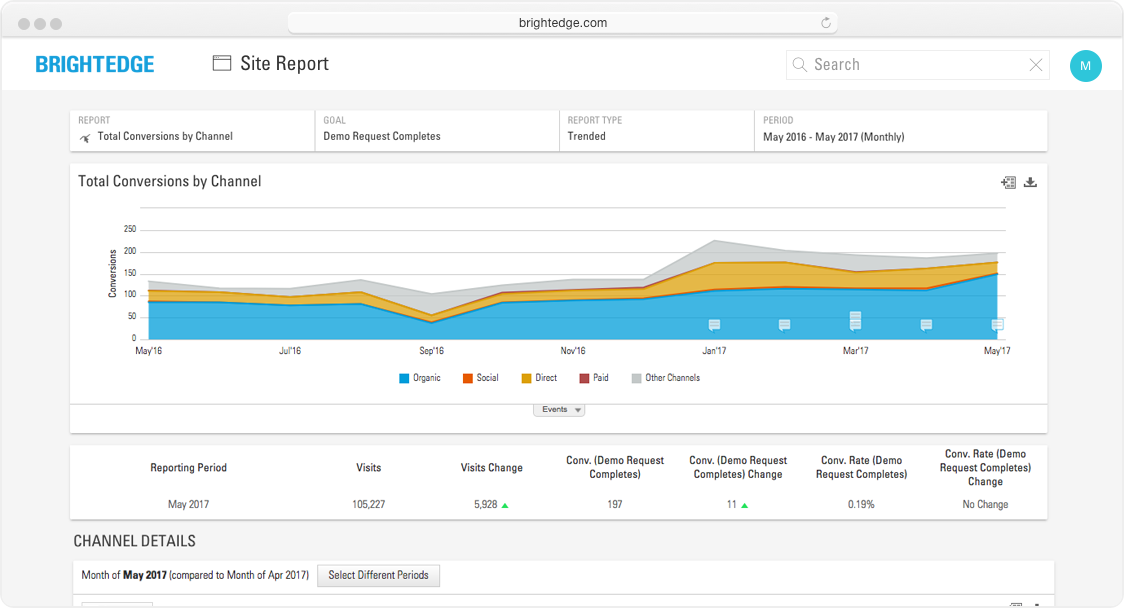
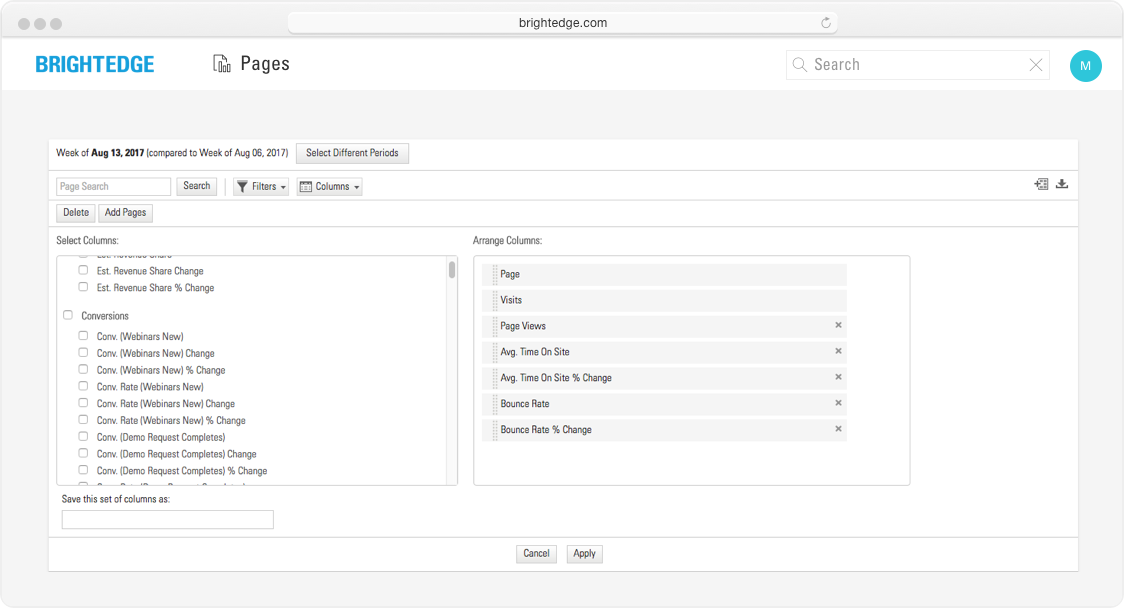
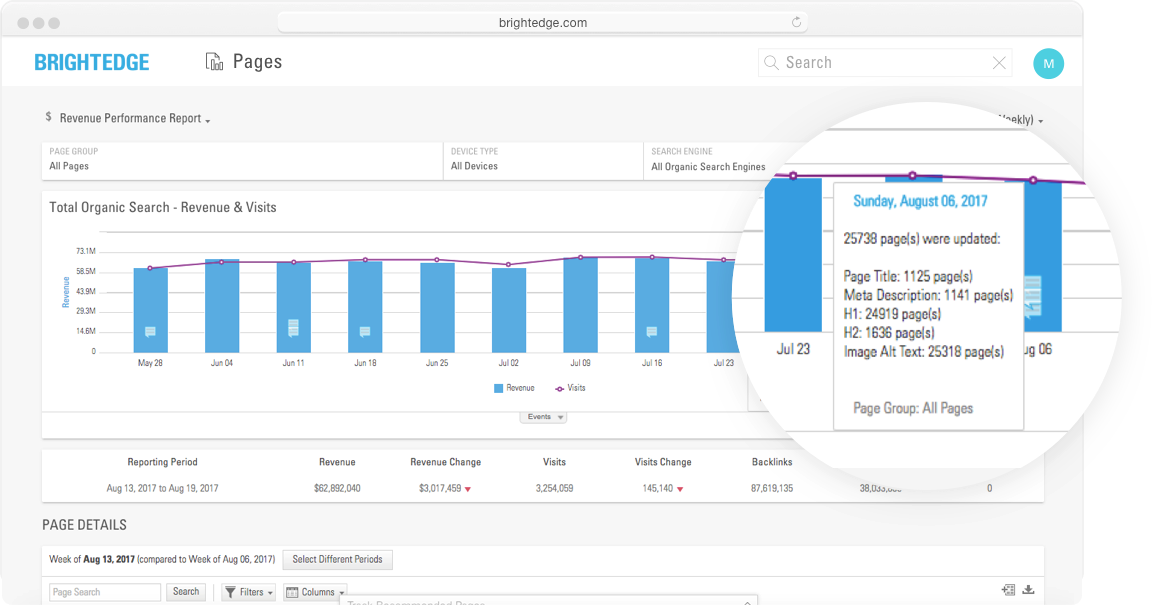
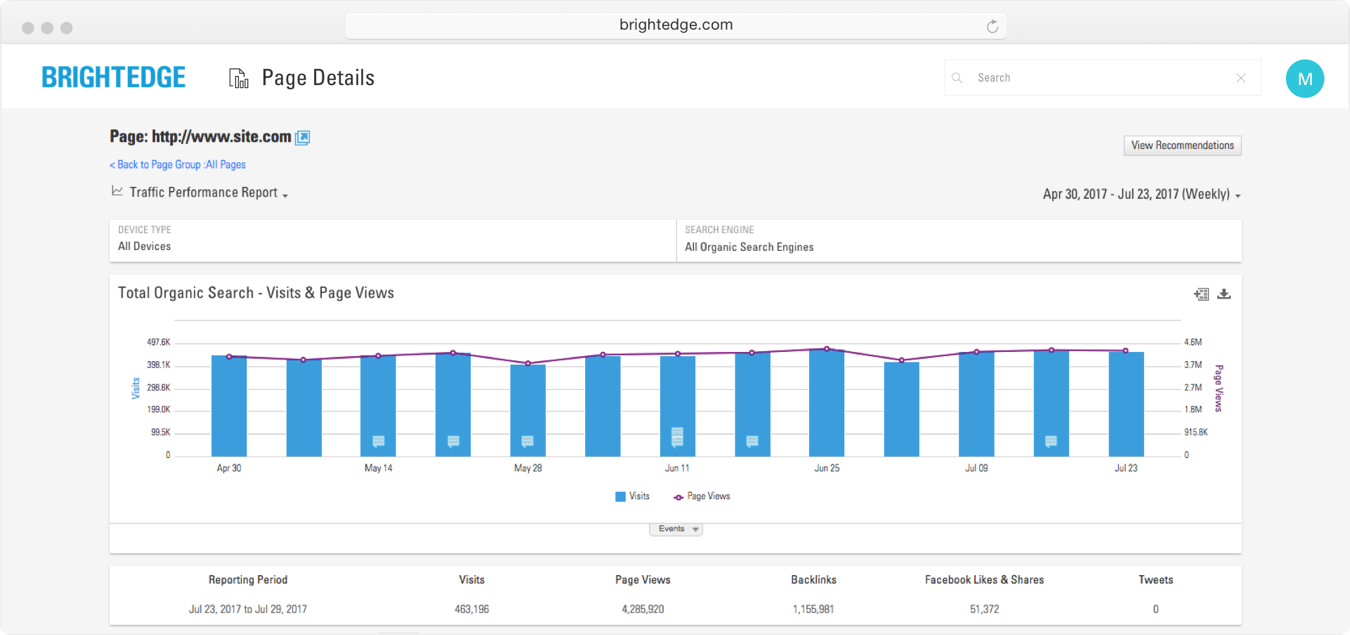
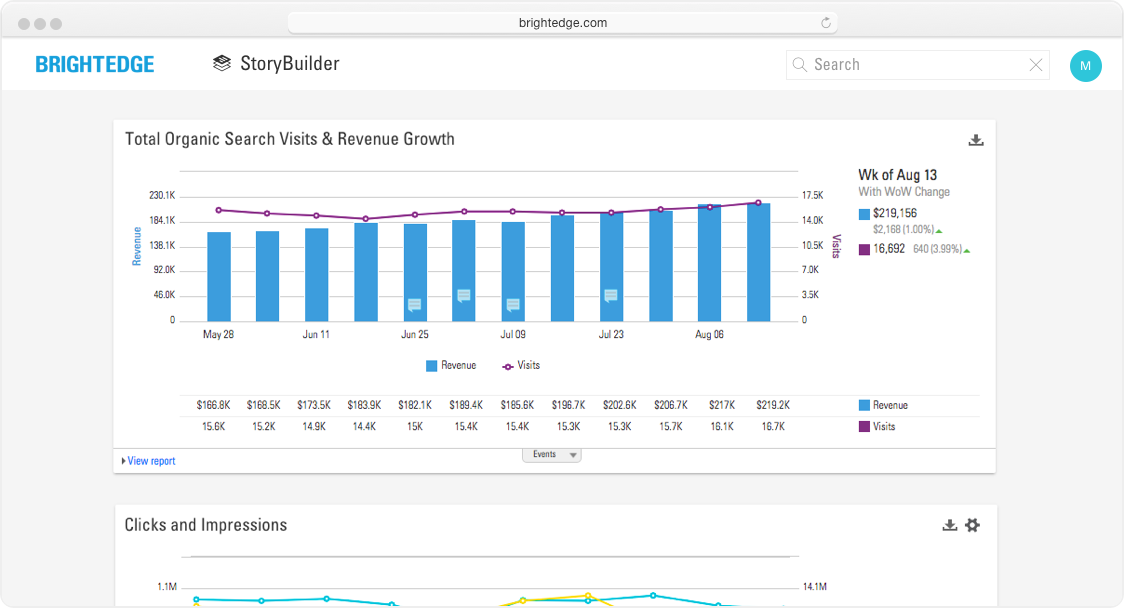
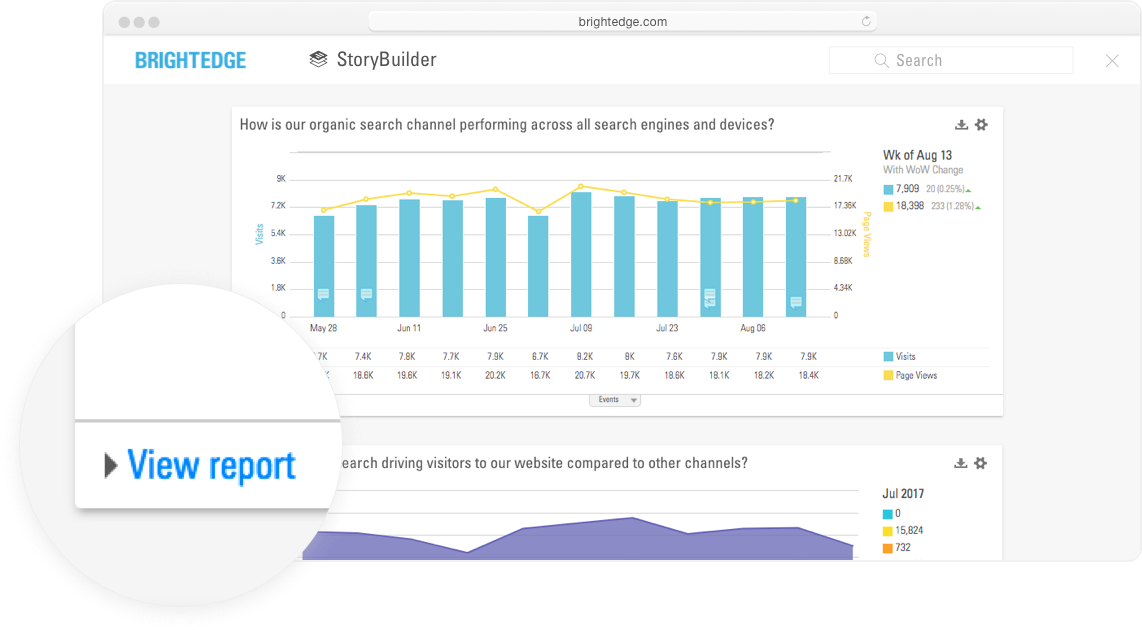
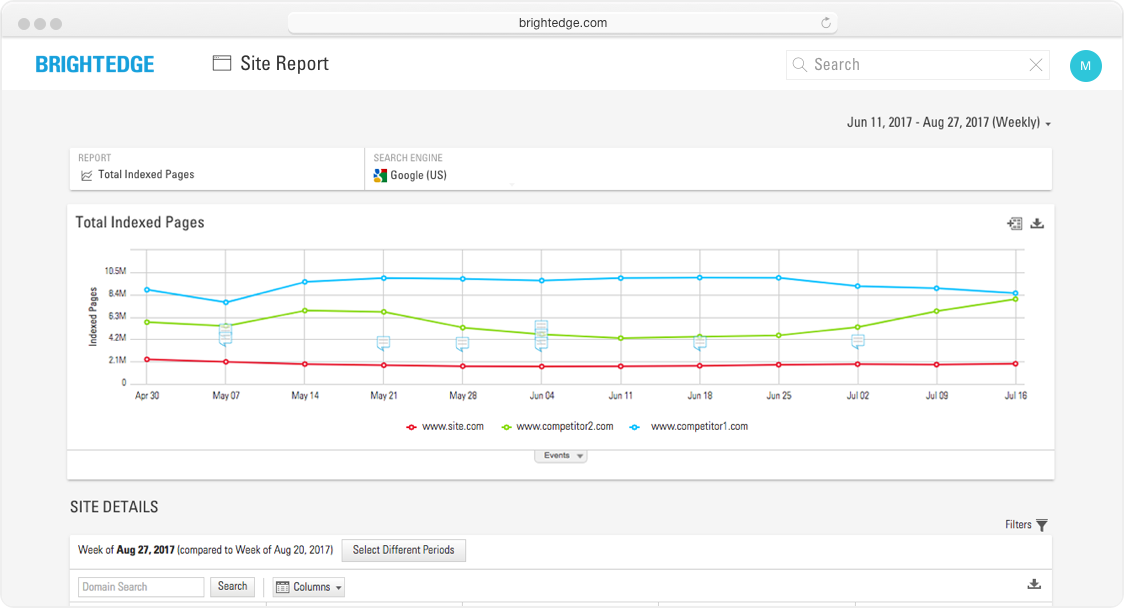
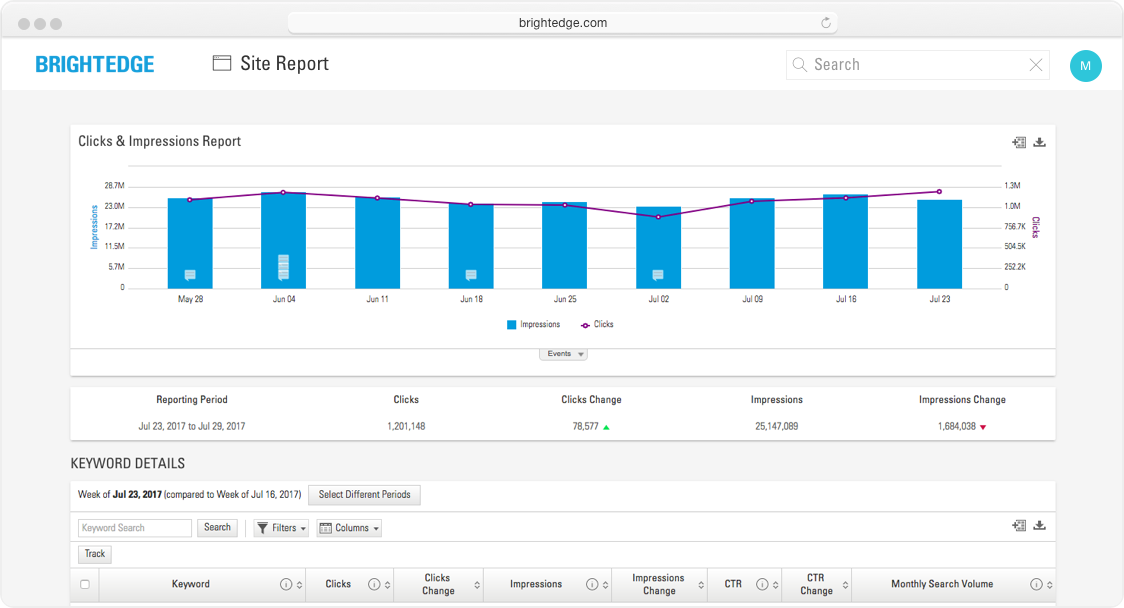
To help you better manage content change audits, you need a solution that automatically tracks all content changes on your pages. That is precisely what BrightEdge just released: automated page events.  When on-page factors, such as H1 tag, are changed, the BrightEdge platform will create a page event tag for each of those changes. Any of the page-level trend charts within the BrightEdge platform will have a page event tag. There is also a page-group level overview of these automated page events within the Page Reporting module so you can easily review content change history on the pages that you care about the most.

BrighteEdge automated page events in page reporting for content changes 

For example, if your CMS (Content Management System) user accidentally changes the page title of a webinar registration page, (from “Stock trading webinar” to “Futures trading webinar”, for instance), you'll see a corresponding page event tag, once the change is detected. You can also be alerted of these changes, even when you are not logged into the BrightEdge platform.

How to create alerts

BrightEdge Anomaly Detection allows you to set custom alerts based on your needs and goals. Because automated page events are natively integrated with Anomaly Detection, you can create an alert to stay informed, even when you are not logged into BrightEdge. Imagine you are currently working on optimizing a regional section of your domain, such as new landing pages for France. You want to make sure that the content you have developed for those pages keeps its integrity throughout the development process. You can create an Anomaly Detection alert by specifying if the page title is changed for those pages. Then if any page title is changed you will be notified.

BrightEdge Anomaly Detection for Page Events During Content Changes

Correct content changes to improve site metrics

Once you are aware of a content change, you can triage the issue to determine the best course of action.  If the change is against SEO best practices, then immediately reverse the change. If you do not have access to your CMS,  create a task for your CMS owner or web developer to have them make the change. Once BrightEdge detects that the change has been implemented, you will see a new automated page event within your page-level charts. 

Reduce risky content changes by creating SEO awareness across your organization

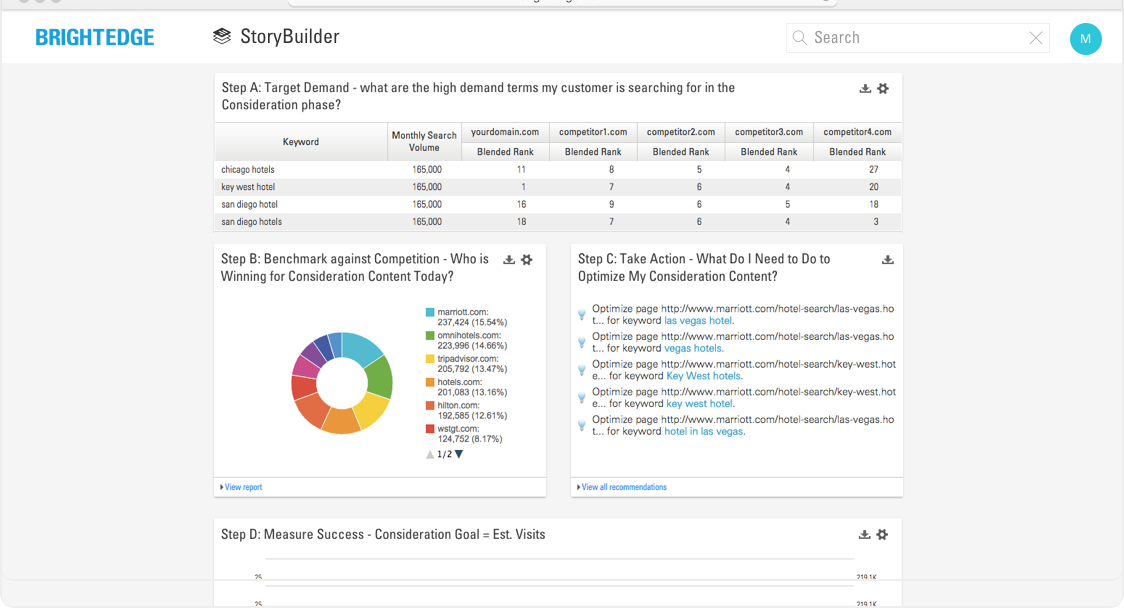
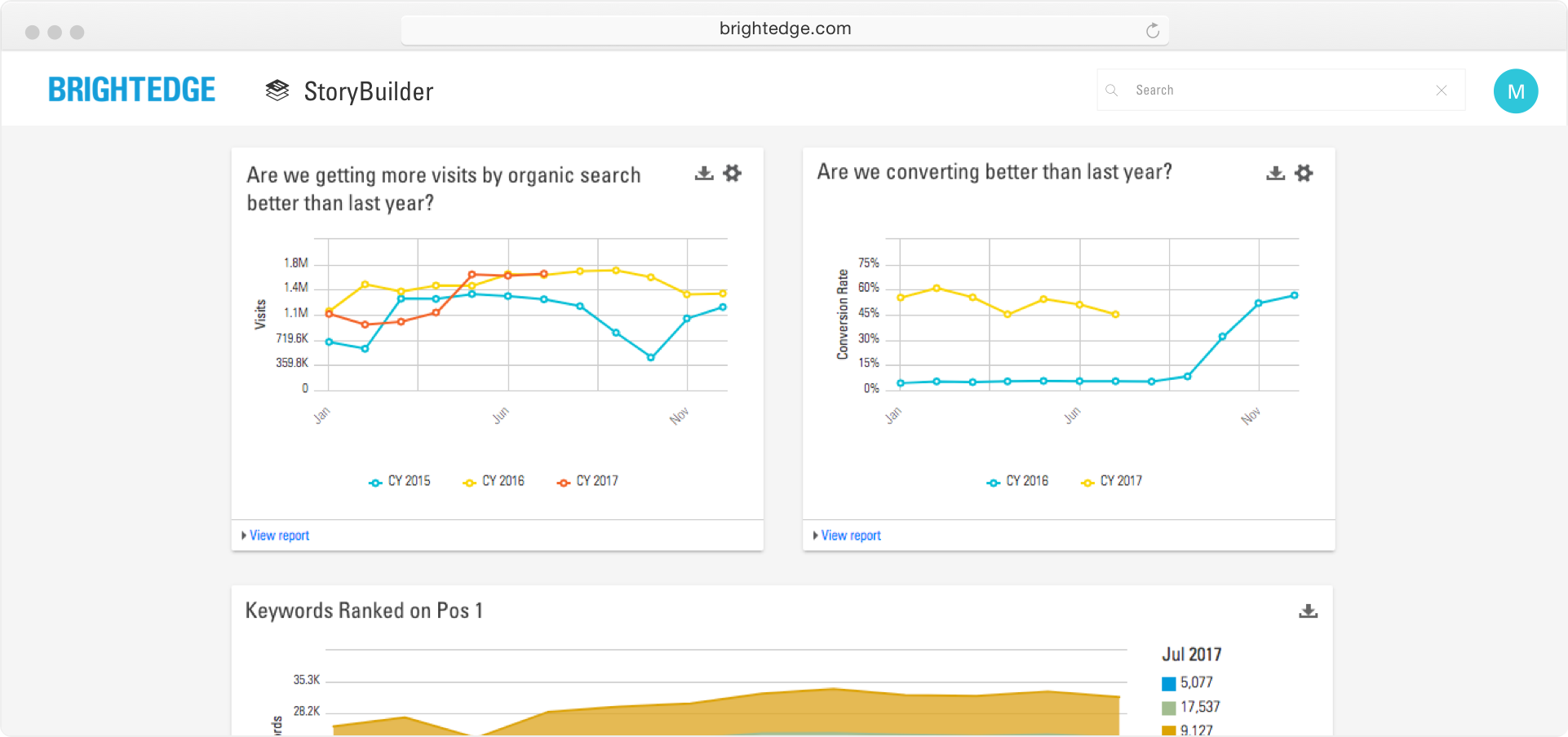
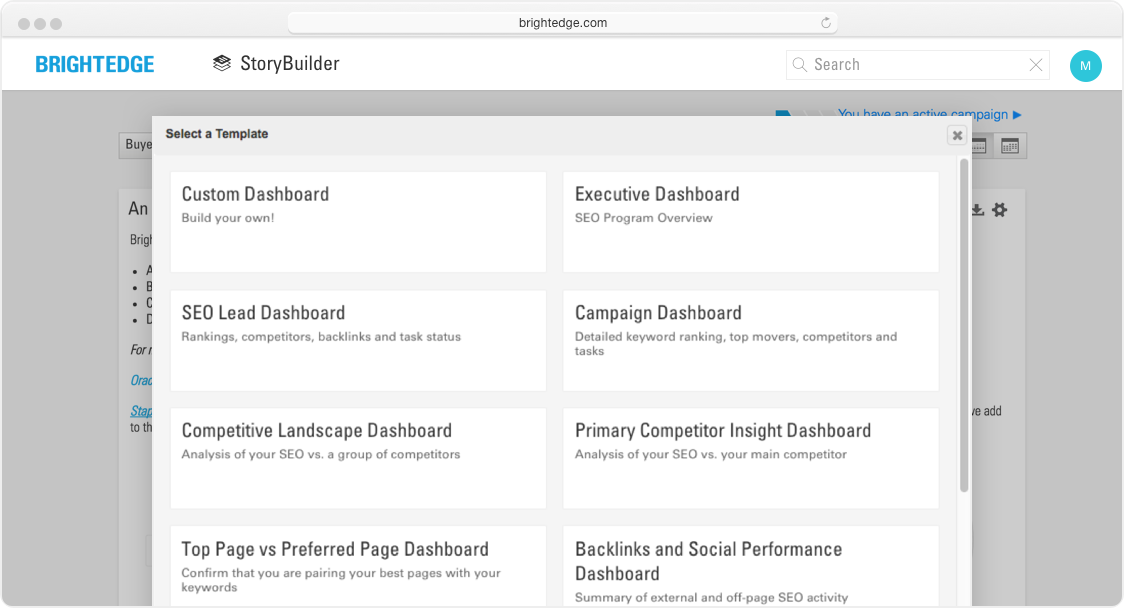
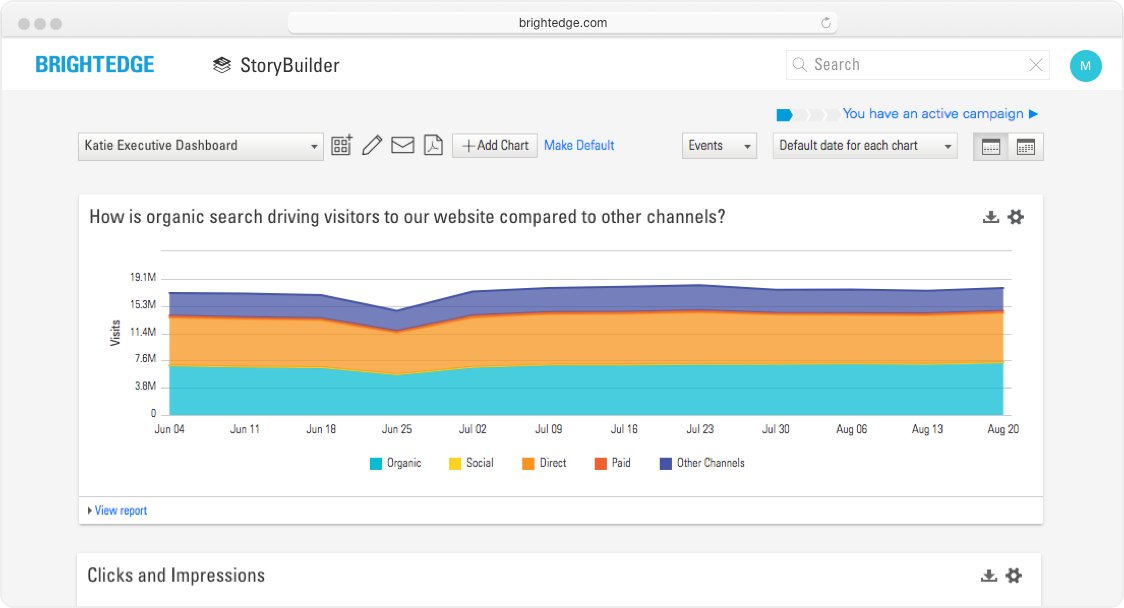
Simply being informed of content changes is only one part of the puzzle. Trending a number of changes and correlating their impact to site metrics, such as visitors, conversions, and revenue helps to prove the ROI of SEO. And, help you promote SEO awareness across your entire organization. When more colleagues become SEO savvy, they are likely to become more conscientious of SEO and avoid making content changes that violate SEO best practices in the future. Using BrightEdge StoryBuilder, you can create a trended chart that shows changes relative to site conversions or site visitors. Also, you can create a trended chart to analyze what type of changes are happening more frequently. Or create a chart to help you identify which pages you and your team want to improve on in your content marketing workflow.

BrightEdge StoryBuilder Report for Site Visits and Content Changes

Get started

So why wait? Automated page events take away the guesswork, and put you in control - catching, correcting and reducing content changes that may jeopardize your hard work in your content marketing efforts. Ready to check out automated page events? Request a demo today!

Share your experience

How do you track content changes? Do you have a system in place to react quickly and make corrections? How do you report on your content optimization successes? We’d love for you to share your best practices with the BrightEdge community. Just include them below in the “Comments” section.

Remember those nights that you spent hours searching for the root cause of that mysterious dip in website traffic of your most valuable pages, only to learn that someone has made changes to the page title and meta description? If you had known this sooner, you could have saved precious time and prevented unnecessary loss to website […]

The post Take Control of Content Changes Across Your Site appeared first on BrightEdge SEO Blog.

Thank you for your interest in BrightEdge's Mobile-First: 57% of Traffic is Now Mobile research report.

Download your white paper now by clicking the button below. For your convenience, we've also emailed you a link where you can download this white paper anytime. For more information, please visit our resource center or schedule a demo.

Download the Research Report


People who downloaded this white paper also downloaded:

Test how good you are in SEO in just 2 minutes

How Google's new 4 ads on top will impact your organic traffic 

Learn how to manage SEO efficiently and further boost your ROI


Mobile-First: 57% of Traffic is Now Mobile

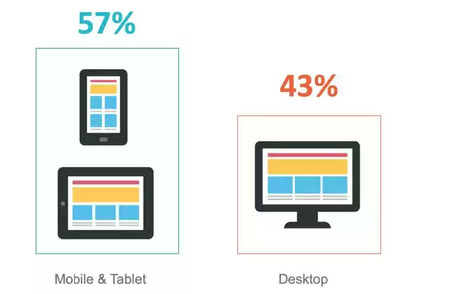
2017 BrightEdge research finds that 57% of all online traffic is now on mobile and tablet

Mobile-First: 57% of Traffic is Now Mobile

2017 BrightEdge research finds that 57% of all online traffic is now on mobile and tablet

In early February 2010 Eric Schmidt, CEO of Google, first predicted the impending mobile-first phenomenon. The journey to a mobile-first world has taken place rather quickly since then with an explosion of activity over the past three years. It has now become clear to the rest of the marketing industry just how accurate his predictions had been.

BrightEdge research confirms the powerful and continuing trend towards mobile, with mobile and tablet searches representing 57% of all search traffic. The shift towards mobile disrupts the traditional buyer’s journey by highlighting new opportunities to answer questions faster, buy easier, and find physically proximate resources.

This exclusive research report details the ways in which this trend will affect the industry and how astute marketers can position their brands to capitalize.

Register now to download.


CAPTCHA
Solve this simple math problem and enter the result. E.g. for 1+3, enter 4.
This question is for testing whether or not you are a human visitor and to prevent automated spam submissions.

Shoes.com Prefers BrightEdge to Competing Solutions

Louise Huang, SEO Coordinator, discusses BrightEdge's ease of use in executing a comprehensive site migration

The future of search

English, British
News Item Title
The future of search: voice optimization
News Item Published Date
News Item Summary

Even through voice search is growing in popularity at a regular rate, many search marketers still do not have a plan for this type of search. One concern for many working in the SEO industry is how they will optimize searches around the one in five who choose to use their voice, and how to apply content and context that matches such a conversational type of search, to match the reliability of manual text queries in Google.

Martech and ad tech: Challenges and Opportunities

English, British
News Item Title
Martech and ad tech: Challenges and Opportunities
News Item Author Name
Jim Yu
News Item Published Date
News Item Summary

What's ahead for ad tech in the larger martech environment? Columnist Jim Yu lays out the difficulties, as well as the potential rewards.

,