Building Omni-Channel Marketing Campaigns | BrightEdge
gregalbuto
gregalbuto
M Posted 6 years 6 months ago
t 9 min read

Today’s digital world offers a number of different platforms for engaging with customers. Each one has a particular audience it reaches most effectively, targeting different populations and people at different stages of the buyer’s journey. Marketers must understand how the different platforms interact, how they line up with different touch-points, and where they can find their target audience at different stages of their journey towards conversion. 

An estimated 71 percent of customers say that they want a consistent experience across all channels where they interact with brands, but less than a quarter report actually receiving it during their buyer's journey. Brands that understand how to use cross-channel marketing will have the chance to capture the attention of these potential customers and demonstrate their commitment to the customer experience. Organizations must understand how to optimize their use of the different marketing channels during the buyer's journey so that these customers receive a consistent user experience.

As marketers begin to develop their buyer's journey digital marketing strategy, it is important for them to have an omni-channel approach. It is not enough to simply market to customers on different platforms. You do not want to run simultaneous campaigns through different channels. Instead, organizations should focus on having a consistent experience for customers regardless of where they interact with the brand. All the channels should work together to bring customers through the buyer’s journey across different touch-points on different platforms.

Here is what we wanted to share with our community about running integrated campaigns to enhance the buyer's journey sales funnel.

Understand the different types of digital marketing

Before we dive into building a firm understanding of running these omni-channel campaigns, let’s first explore the role that these different channels play in multi-channel marketing.

brightedge drives customers through the buyers journey through omni-channel marketing campaigns

What is SEO and content marketing?

SEO and content marketing describe the material you use to attract people through the SERPs. You optimize this material with keywords, topics, and promotion to help Google find the material and then to encourage the search engines to rank it highly on the SERP. You can utilize the BrightEdge Data Cube to drive your keyword research efforts. Using Data Cube before or during your SEO strategy will help you to create the content your audience wants to read. Decide which keywords to use before you spend time writing content or after you write it to revise and optimize existing content for new keywords. Your SEO strategy using Data Cube can increase organic traffic, results, leads, etc. Check out how Graco Inc. did it!

With content marketing and SEO, you need to have a firm understanding of keyword research to identify topics of interest for your target audience throughout the buyer's journey. You also must produce quality writing, video, and images to attract users and search engines. Website metrics will help you monitor your success with this material.

What is social media marketing?

Social media marketing involves engaging with prospective customers through the various social media platforms, including Facebook, LinkedIn, and Twitter. When running campaigns on these platforms throughout the buyer's journey, you might run promotions, promote content you think followers will appreciate, and inspire conversations to keep people engaged with your brand. The goal here lies in regularly producing high-value content. Discover how SEO and social media power together to create a strong bond with this BrightEdge POV.

What is email marketing?

Email marketing uses registration pages to capture the contact information for site visitors. This contact information can then be used to create segmented email lists. Brands that maximize their potential here during the buyer's journey understand how to send material that will interest their site visitors, encouraging them to engage more with the brand and continue to move through the sales funnel.

What is mobile marketing?brightedge drives the buyers journey through targeted mobile strategies

Mobile marketing involves understanding how to use these different channels throughout the buyer's journey and maximize your ability to engage with users accessing them through mobile devices. According to BrightEdge Research, nearly 2/3 of Americans are smartphone owners and 57 percent of searches are performed on mobile devices.

BrightEdge offers a mobile option for discovery. While you add and track keywords in BrightEdge Keyword Reporting, you can easily navigate through different device types including desktop, tablet, and smartphone in order to collect data on how your keywords and pages are doing by device. Knowing how to appeal to people on-the-go will enhance a brands’ ability to remain relevant.

What is paid marketing?

Paid marketing, also known as PPC, includes the ads you can post on several different platforms, including the Google SERPs themselves, social media platforms, and even on other, ad-friendly, websites. Success at this point in the buyer's journey involves knowing the keywords that correspond with the visitors who are most likely to find your content calendar helpful or finding contextually or behaviorally aligned sites on which to place your ads.

Before you decide to spend your budget on paid advertising, it is a good idea to do plenty of research to make sure you're getting the most for your money. By using BrightEdge Instant, you can see real-time results with real-time research to determine whether or not a keyword is worth paying to promote. 

What other channels should brands consider?

In addition to these central digital channels, many organizations also find it helpful to remember other traditional advertising areas, including radio and TV ads and in-store promotions. Although these channels function quite differently from digital options, ensuring that they remain consistent with digital marketing efforts will engage and advance customers at a better rate.

Understand the common platforms that influence customers throughout the funnel

To build effective omni-channel campaigns, you need to now take these different channels and bring them together. Understand the channels and touchpoints potential customers will most likely encounter as they move through your buyer’s journey. Some of this information will be customized to your precise customers, but here is a good starting point based on where most brands find their customers at various phases in the buyer’s journey.

Channels for the Awareness Stage

During the awareness stage of the buyer's journey, customers are looking for information about their pain points and potential solutions. Thus, they perform a lot of searches, building the importance of SEO and content marketing. Content production should also include videos and webinars as alternative ways to engage potential customers and interest them in the brand.

Complementing your SEO and content production efforts should be PPC campaigns, which will run for similar core topics as the content marketing and SEO efforts. Use PPC throughout the buyer's journey to attract attention to important keywords that your material does not yet rank for.

Similarly, during the buyer's journey, email can keep customers engaged and learning about your potential solution for their pain point.

Channels for the Evaluation Stage

During the evaluation stage of the buyer's journey, customers have narrowed down their options and seriously consider your brand as a potential solution to their pain point. Continue to demonstrate your expertise and ability to help with content on your website, webinars, and ebooks. This material will help them dive deeply into the solutions you offer during this step of the buyer's journey. Before launching a webinar, get your basic approach to creating a successful one with this BrightEdge checklist.

Social media will also play an increasing role here, as prospects turn to the platforms to engage directly with your brand and gauge your ability to help them.

Customers may also reach a stage of the buyer's journey where they want to see quality demos that allow them to see first-hand how you will help them. 

Channels for the Purchase Stagebrightedge drives the buyers journey, purchase stage

During the purchase stage, customers continue to engage with the content you produce and use the search engines to learn more about the product or service they have purchased. They want to make sure they get the best value possible. 

Events you host and meetings you can offer your customers during this period can also help keep them engaged with the company and be happy with their purchase. This sets the stage for repeat customers. 

Channels for the Usage Stage

While customers use your product or service, you want to make sure that what they have purchased solves their pain points and continues to benefit them. Your email list will provide value here as you can regularly send customers articles to help them maximize their usage of your product.

You can also continue to produce content that customers at this stage of the buyer's journey find helpful, such as FAQ pages and case studies, helping them to see how others have seen great results with your brand.

Channels for the Repurchase Stage

During the repurchase phase of the buyer's journey, you need to convince people who have purchased from you before that they want to purchase from you again. Creating content that once again demonstrates your superiority over the competition can help. Email messages that help customers learn more about getting the most out of their purchase and also remind them of the successes they have already seen will help at this stage of the buyer's journey. 

Channels for the Advocacy Stage

Once you have already convinced a customer to buy from you again, now you want to turn them into an advocate. Customers willing to speak highly of you to other prospects can be a powerful source of persuasion. Encouraging them to help you produce content, such as case studies or even writing reviews can benefit your organization. Use email, social media, and events to remain closely connected to these repeat customers. 

Bringing your different channels together

Now that you understand how these different channels typically interact throughout the buyer’s journey, let’s review how to bring the platforms together to create an omni-channel approach that nurtures customers through each stage of the funnel.

Understand buyer personas

To create a successful campaign across these channels, you must understand your buyer personas. Know what these customers want to see and the pain point they want to solve. The better you understand where the prospect is coming from, the easier it will be to produce content tailored to their unique needs. 
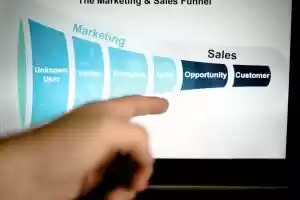
brightedge drives the buyers journey, funnelYou will also be better equipped to coax them through the sales funnel. You will find it easier to find the customers across the different channels, and you will know what they want to see as they get closer to conversion.

Create a common campaign

With your understanding of your customer personas and your use of different platforms, work with specialists across the different platforms within your company to create common campaigns. Your campaigns should follow the customers' buyer’s journey and work to coax them from one touchpoint to the next. The campaign should create a consistent user experience and operate with well-aligned goals.

Know how your different platforms and channels work together throughout the buyer's journey. For example, your PPC strategy will drive traffic, while your site content should then take that traffic and build engagement and the number of people who register for email lists. 

Measure progress

As you create your integrated campaigns, carefully measure your progress for each step of the buyer's journey. Your selected KPIs should explore how well your campaign brings people from one stage of the buyer's journey to the next. For example, measure top-of-the-funnel channels by looking at new visitors and engagement. As you move into the mid-funnel, gauge your return visitors, their engagement, and their rate of mid-funnel conversions.

Looking at all your channels and platforms together as a part of a single customer engagement picture will give you a better understanding of how your different strategies can work together to bring in new customers.

Building omni-channel campaigns throughout the buyer's journey will allow you to take your marketing strategy to the next level. You will improve your ability to engage with customers as they move throughout the digital atmosphere. Bring your channels together and help them function together as one and see how you can improve your own customer engagement ability for a repeated buyer's journey.

Tracking Integrated Marketing: A Big Data Challenge

enewton@brightedge.com
M Posted 8 years 4 months ago
t 9 min read

Integrated marketing seems a relatively simple concept at first glance: it means integrating your diverse marketing channels into a coordinated and coherent whole. But if integrated (“cross-channel”) marketing were so simple, all brands would be doing it. It’s only when you fully grasp the magnitude of the order that you realize its challenges. Big Data Challenge/Tracking Integrated Marketing-BrightEdge According to survey data reported by Econsultancy and Oracle in the “Cross-Channel Marketing Report 2014,” the biggest challenges brands face in implementing an integrated marketing strategy are a lack of resources, organizational structure (read “silos”) and understanding of the customer journey.

To phrase it another way, while most businesses embrace the concept of integrated marketing, relatively few are equipped to answer the big data challenge and actually execute and manage it. In this post, we’ll discuss some challenges of tracking integrated marketing as well as the metrics you can start to consider to help make sense of it all.

The Challenges of Integrated Marketing

It’s understandable that those companies that are fully equipped and truly grasp tracking integrated marketing and are able to do it well are among the minority. Perhaps the greatest challenge of cross-channel marketing is the sheer number and variety of channels and media involved, including:

  • Blogs
  • eBooks
  • Email marketing
  • Events
  • Presentations
  • Press releases
  • Research reports
  • Search engine marketing (SEM)
  • Search engine optimization (SEO)
  • Social media
  • Speaking engagements
  • Videos
  • Websites
  • White papers
  • TV
  • Radio
  • Print
  • In-store marketing

This translates into a “big data” analytics problem. BrightEdge CEO Jim Yu describes it well in his column for Search Engine Watch:

With all this data, the challenge is and has been for many decades harnessing it in a meaningful way. One such way is through data integration. Data integration works to combine multiple sources of data into one place for more significant reporting and information. To better serve the needs of integrated marketers, the BrightEdge S3 platform can integrate data from Adobe SiteCatalyst, Web Trends, Coremetrics, Google Analytics and custom in-house data sources. So if it is tracked in those platforms it can be imported through an API and viewed in the reports and configurable into the custom dashboards alongside the organic search and keyword data. Just like web marketing strategies don't begin and end in one silo, neither do data sets from multiple networks, channels and devices. Together, they represent user behavior across the lifecycle of engagement with a brand online. But it's not just pulling together multiple sources of data in one place that's the answer; it's being able to do so in a way that yields actionable insight. With data coming from multiple places, it needs to be streamlined into a format that's similar and comparable.

That said, streamlining data within integrated marketing campaigns requires a uniform set of components to define and track. Let’s talk about those next.

6 essential things to define for tracking integrated marketing

Regardless of how your analytics packages report data, at the program level, there are six common areas that when defined and measured, can help paint a picture of integrated marketing performance:

  1. Target audience: This is the ideal market segment for your marketing message. This includes demographics and psychographics that help determine how the message is disseminated.
  2. Reach: This is the percentage of the target audience that is exposed to your marketing message.
  3. Frequency: This is the number of times the target audience is exposed to your marketing message.
  4. Effective frequency: This is the minimum number of exposures to your marketing message required to actually influence target audience behavior.
  5. Effective reach: This is the percentage of the target audience that receives the minimum number of exposures to affect behavior.
  6. Scope: This refers to the number of different channels through which the target audience receives your marketing message.

As a marketing professional who is taking on the task of running a cross-channel marketing campaign, you’ll want to figure out ways that your research and analytics platform can track metrics within each of the areas mentioned. Fortunately today, enterprise-level analytics platforms have built in the ability to track multiple channels and create a single view of a campaign. Having access to this data should put you squarely on the same path as the leading brands that are paving the way with integrated marketing.

Learn how to organize and operate an SEO team in SEO Management. Discover a succinct four-step SEO methodology in How to Maximize SEO ROI.

Silos Are Coming Down: Digital Marketing at Share15

A BrightEdger
A BrightEdger
M Posted 10 years 6 months ago
t 9 min read

Share15 - brightedgeAs digital marketing becomes increasingly sophisticated, the silos that once separated channels, campaigns and even the skills of marketers themselves have come crashing down. This was a message clearly delivered to our attendees at our Share15 conference last week. We had the pleasure of hearing from representatives from a variety of major brands, like Best Buy, IgnitionOne, Oracle/Eloqua, Marriott, Monster Energy and Adobe. These speakers deeply explored key topics, offering valuable insights and inspiring great conversations. Here were some of the conversations and presentations that dominated the digital marketing track.
Talent Management

As the digital marketing world becomes more complex, so does the role of the marketers themselves. Marketers can no longer succeed when they remain confined to a single, specialized role in digital marketing. The content marketer needs to be able to interpret analytics that tells him whether or not he is engaging the intended audience. The paid advertising specialist must also know how to draft content that will engage the people who click on her ads. Many marketers are beginning to see the value in branching out beyond their specialities. According to Adobe, an estimated 40 percent want to reinvent themselves, but only 14 know how to go about it. Jay Middleton of Adobe, Dan Mooney of John Wiley & Sons and Michelle Rife of BrightEdge offered some fantastic insights into this topic. The presentation included highlights such as:

  • the importance of providing training for everyone in areas such as digital analytics and social marketing
  • the biggest talent gaps are in areas such as analytics, mobile, content marketing, social media, email, marketing automation and SEO
  • valuable hybrid marketers also need fantastic interpersonal and communication skills to drive projects forward.

Integrated Campaigns

Customers themselves are also becoming increasingly sophisticated. They are no longer interacting with brands on a single platform. Instead, they are journeying between websites, social pages, paid advertising and reading reviews, all before they make a purchase. To meet this need, campaigns need to be similarly integrated. Failing to provide these customers with a strong, consistent brand image across the platforms will make the intended message much weaker, which can impact conversions and brand reputation. Mark Fiske of Ancestry.com, Alok Jain and Deepak Goyal of eZedia and Allan Price of Monster Energy addressed this topic, leaving attendees with new inspiration for leading the integrated campaigns back at their own businesses. Their talks touched upon highlights such as:

  • measuring success and distributing content through different channels tend to be among the chief challenges for marketers
  • content is the foundation of all integrated marketing
  • the value of content intelligence and effectively scaling content to drive success
  • it is possible for attribution models to change as you gain more insight or realize errors-- do not wait for the perfect model to get started

Paid, Owned & Earned

Paid, owned and earned media are an integral aspect of any digital marketing strategy. The intersection of these three has become increasingly apparent as businesses are able to see how they influence each other. For example, high-quality owned media, such as website content, will impact the success of a paid marketing campaign as well as the cultivation of earned media. A successful digital marketing campaign, therefore, requires a keen understanding of how these areas work together and how to design successful, engaging campaigns that appropriately use each specialty. Cindy Phan of VMware, Charmaine Madamba of Citrix, Michael Thomas of Noble Studios and Alex Edlund of the Marriott offered several case studies and intriguing examples that helped attendees see how these three intersect. They covered important topics such as:

  • The importance of data when determining strategy and success
  • The value of collaboration and cross-functional teams working together to take advantage of insights and best practices
  • In the end, the most important criteria of a digital marketing campaign is the revenue and profit it drives, so measure ROI

Cross-Channel Marketing

Successful marketing means looking at far more than different aspects of online marketing--there must also be recognition that consumers are not just interacting with brands while online. Interest might be sparked when seeing a commercial on TV or hearing one on the radio, for example. With successful cross-channel marketing, brands will keep their messages consistent across these various channels and understand how to integrate their analytics and attribute revenue to both on and offline conversions. John Hensel of Best Buy, Jennifer Day of Tableau and Ujjwal Bhattarai of Brady Corp explored best practices with our audience and had everyone leave feeling confident in their understanding of cross-channel marketing. They discussed key insights including:

  • the importance of using facts instead of opinions to drive marketing decisions
  • choosing and using metrics wisely-- do not go for flashy, go for valuable
  • the insights gathered when looking at the customer journey, such as from an email to making a phone call
  • cross-channel marketing means acknowledging that customers want to use more than one channel, such as searching for information online while in store
  • the value of understanding customers and the paths they take to purchases

Digital marketing continues to evolve as marketing techniques, and the customers themselves, become more sophisticated. The silos between different aspects of marketing and the roles of marketers are no longer enough to succeed in this rapidly advancing industry. At Share15, our speakers sought to explore these changes through engaging presentations that enlightened attendees, sparked excellent conversations and helped establish the conference as one of the most valuable events to attend all year. Take our digital marketing quiz to test your knowledge.

9 Steps to Marketing Influencer Success: Identification to Evaluation

Default avatar
Andy Betts
M Posted 10 years 7 months ago
t 9 min read

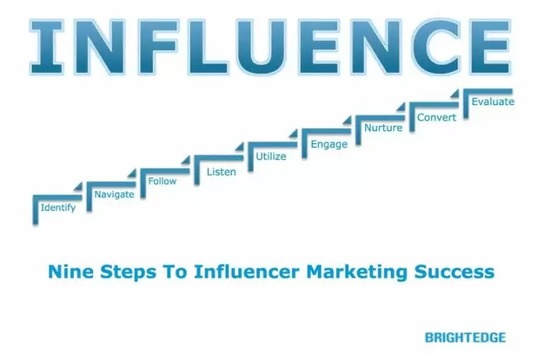
Marketing Influence Success graphic with brightedge

You have 200,000 Twitter followers – you are an influencer right? Wrong - In today’s tech-savvy, socially-enabled generation, marketing influence can often be misinterpreted thorough social media statistics alone. Marketing influence should not be characterized by the number of Twitter followers a person, or brand have and/or the frequency in which they automatically repost and repurpose content.

Real marketing influence is a byproduct of credible and authentic personalities (people) and sources (content), and the best marketers and brands know how to combine human, psychological and behavioral best practices and then utilize technology to further enable them to understand, connect and engage with their audience of influencers.

Marketing influence can be defined as many things – from simply connecting with a person to impacting a defined and specific business outcome – but regardless of your goal or your technique (inter-personal or technological) there is a formula for success.

Below are nine steps that you can use as a guide for marketing INFLUENCE for blending interpersonal skills with social research and online tactics:

  • Identify
  • Navigate
  • Follow
  • Listen
  • Utilize
  • Engage
  • Nurture
  • Convert
  • Evaluate

1. Identify. Before you conduct any marketing influence outreach make sure you are targeting the right people, at the right level and for the right reason. Building your target list is critical to outreach success. For example, ensure that you segment influencer types in terms of factors such as:

  • Academic high -level market influencer
  • Brand ambassador (customer, product and sales enablement)
  • Community influencer (a specific topic or influence in a certain segment of market)


Build your marketing influence campaign accordingly and map your marketing influence strategy to key goals such:

  1. Brand evangelism and sharing of insights
  2. Specific corporate, product and customer success/sales goals
  3. Specific metrics - a blog post, a joint content proposal, a business recommendation or a specific ‘relationship build’ goal

It is important to understand what type of marketing influence you want to have and what type of marketing influence is the best match. Many hybrid marketers target influencers across multiple persona types while for others specific individuals can be mapped to certain influencers.

2. Navigate. Navigating your way through to the right influencer takes a concerted effort. Many marketing influence campaigns are misdirected when they identify the wrong influencers based on researching vanity metrics and hence actually nurture the wrong relationship.  

Social media and user-generated content has meant that access to influencer connections are more visible and accessible than ever before. However navigating your way through to the right connection requires researching and developing, not just one, but multiple relationships through first, second and sixth degree connections.

3. Follow. The development of social media tools, monitoring systems and engagement platforms has empowered marketers to ‘follow’ as well as lead. Technology has fueled the growth of influencer marketing to such an extent that you can follow, monitor and listen to what your market, target influencers, brands and customers saying.

Platforms such as Twitter, Hootsuite, LinkedIn, Brandwatch and Radian6 are great monitoring systems that help bridge the gap between ‘follow’ and ‘listen’.

In this article, here, Lee Odden from Top Rank takes us through over 22 social media marketing tools that help source connections and follow influencers.

4. Listen. The ability to follow is easy but the ‘ability to listen’ is one of the most vastly underused tactics in this industry. Technology can help you identify and engage with influencers, but the ability to listen is a human/behavioral discipline. Technology can deliver the insight but it is up to you to digest it. This is especially the case in marketing influence.

Just like sales – successful marketing influence relies on listening. If you don’t really understand your target influencers in terms of what they say, what they like, how they feel and what they want, then your outreach and engagement campaigns become little more than spam. This is where social media monitoring technology adds real value to your influencing campaign.

Return on Ignorance

As marketers we, quite rightly, focus on ROI in terms of Return on Investment. However one of the main reasons why influencer campaigns, and business initiatives as a whole, fail is due to “Return on Ignorance” – the cost of not listening.

  • Understand your target influencer ‘inside and out’ and work out what is in it for them, (WIIFT) not just you.
  • Understand your target influencers’ company and brand
  • Understand your target influencers’ market and key challenges
  • Spend 60% of your time reading, consuming information and monitoring what is happening in market
  • Assign 2 to 3 hours a day to read, listen and understand
  • Utilize your knowledge – see next step

#5 Utilize

As mentioned earlier in the article – marketing influence is based on relationships. Relationships, like links, are actually earned. marketing influence is not bought, and building your influencer database takes hard work, dedication and time. Utilize all data, assets and information at your disposal to build up profiles of influencers you would like to engage with.

Work out what is in for you and what is in it for them and begin to think about how best to engage.

#6 Engage

To maximize business impact from your influencer campaigns only engage once you have established a meaningful goal, story or project of mutual interest. “Random acts of engagement” due to the proliferation of social media serve little purpose other than the individual ego.

As per the guidelines above - ensure that you have identified the right person or brand, listen and understand the needs and wants and have a message/story/goal that will resonate with your target. For example, if your goal and reporting metric (see evaluation) of success is number of followers, number of contacts, amount of content you distribute then you are actually on the wrong influencer track.

Engaging and building influencer relationships is part art and part science. Utilize all online tools at your disposal but ensure your ‘influencer mix’ includes:

  • Online engagement – see the conversation prism below
  • Telephone conversations (yes telephone!)
  • Conferences and conference meet-ups
  • In-person meetings
  • First, second and third degree meetings
  • Leading industry events
  • Networking events
  • Social engagements

7. Nurture. The key to developing long lasting and productive outcomes from influencer outreach lies in the ‘nurture’ stage.

There is a huge difference between a contact and a relationship. Using social media as an example, everyone in today’s new media ecosystem can establish a contact by simply using LinkedIn, Twitter or any other social media platform. However, marketing influence is not a contact - influence is an outcome of a relationship.

8. Convert. The art of persuasion is a discipline of which sales is based upon and being a marketer, influencer or thought-leader actually means you are a sales person at heart. The most successful marketers and influencers actually have strong sales backgrounds.

In this Fast Company article Kevan Lee shares a wealth of insight into the psychology of marketing influence, persuasion and conversion. 

To get the best results from any influencer campaign balancing marketing and sales skills is essential. Be it a company, individual or departmental effort sales and marketing (this applies to all marketing in general) should be aligned. Ignore the myths and focus on a result.

As with everything in marketing balancing soft measures of marketing influence (i.e. a connection, a conversation or objective) and hard metrics (i.e. a result such as an asset, sale or upsell) defines how you measure success.

9. Evaluate. As with any marketing campaign ensure that you take time to step back and evaluate your success in line with 8 points above.

The bottom line is that marketing influence can be conducted and measured in multiple ways. For one person that could mean spending $100,000 on a broad reaching conference, campaign or asset and gaining a 4X return. For others it could mean spending $1000 on a strategic, individual influencer project and landing a $2 million dollar contract.

Influencer marketing success can be evaluated in many different ways depending upon the scope of and aim of your approach. Smart marketers utilize and evaluate marketing influence success across multiple avenues – some they share and some they don’t.

Liked this post? Check out our new piece on SEO marketing strategy.

request a demo

,