Building Your 2027 Marketing Strategy for AI Search
The priorities that matter most, how to bring them together, and how to measure their impact.
Marketing leaders are entering 2027 with more channels to manage, shifting audience behavior, and AI reshaping how people discover and evaluate brands. Buyers research across Google, ChatGPT and other platforms, while every investment faces closer scrutiny.
A strong 2027 plan needs clear priorities: where to focus, how channels work together, and how to connect that work to business goals.
Join BrightEdge for the priorities shaping 2027 and a focused, data-informed plan for your brand or clients. We will discuss how SEO and answer engine optimization (AEO) fit together, where to commit resources, and how to communicate results to leadership or clients.
What you will learn
- Key strategies for 2027
Decide which SEO, content and AI search initiatives to prioritize, what to carry forward, and what to change. Turn those decisions into a first-quarter plan with clear goals. - Customer Fireside Chat: Putting SEO & AEO into Practice:
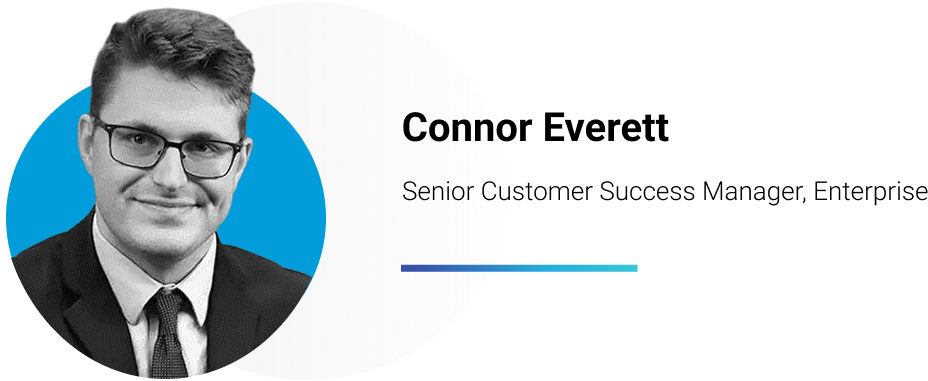
Erin Ellison, Director of Content Marketing Strategy at Insight Global, joins Connor Everett of BrightEdge for a conversation on how her team approaches SEO and Answer Engine Optimization (AEO), what they are prioritising as AI-driven search changes the way people discover information, and how that is shaping their planning for 2027. - Integrated planning
Build a coordinated Google and AI search strategy. Identify where SEO and AEO share content and technical priorities, and how PR, social media and events can support that work. - Budget and resource planning
Translate your priorities into budget, team capacity, and content or technical support needs. Make the case for those resources to leadership or clients. - Measuring what matters
Bring together organic performance, AI visibility, referral traffic and conversions to explain business impact. Show what the data supports, what traditional reporting misses, and where revenue attribution remains incomplete.
.png)